Trademark Laws For Logos In Philadelphia
Description

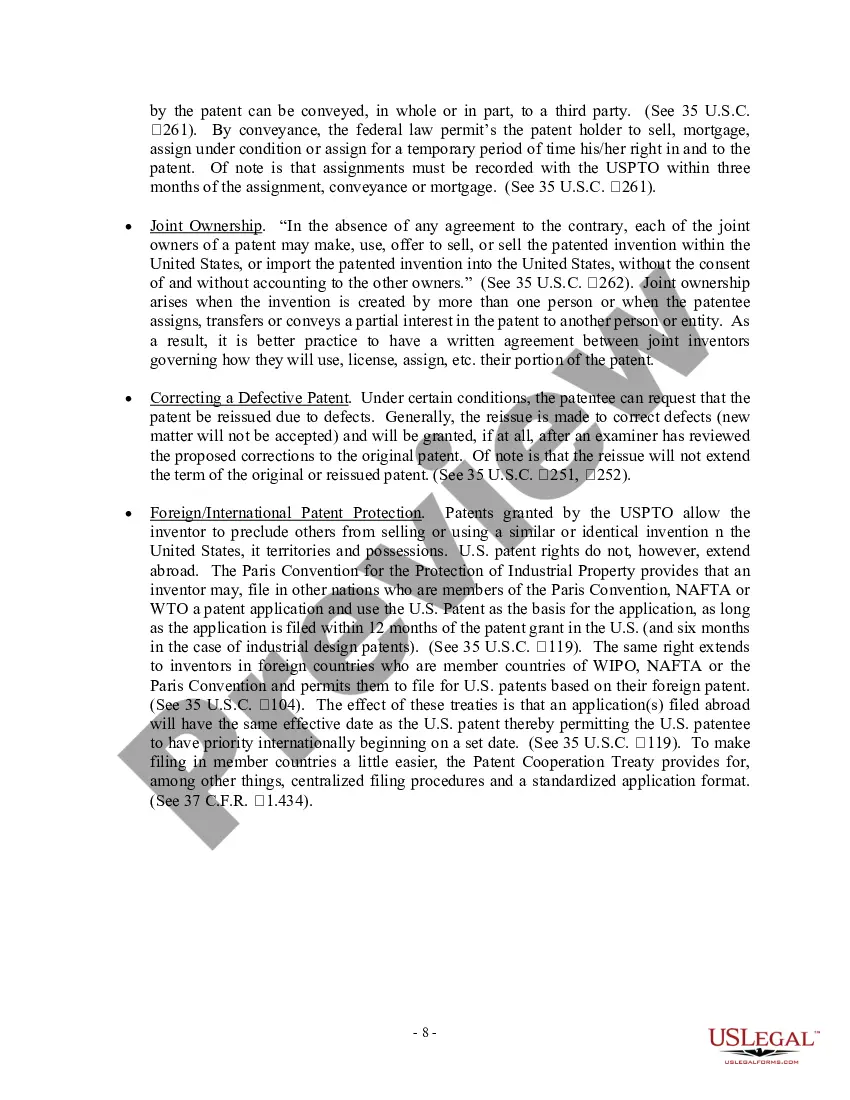


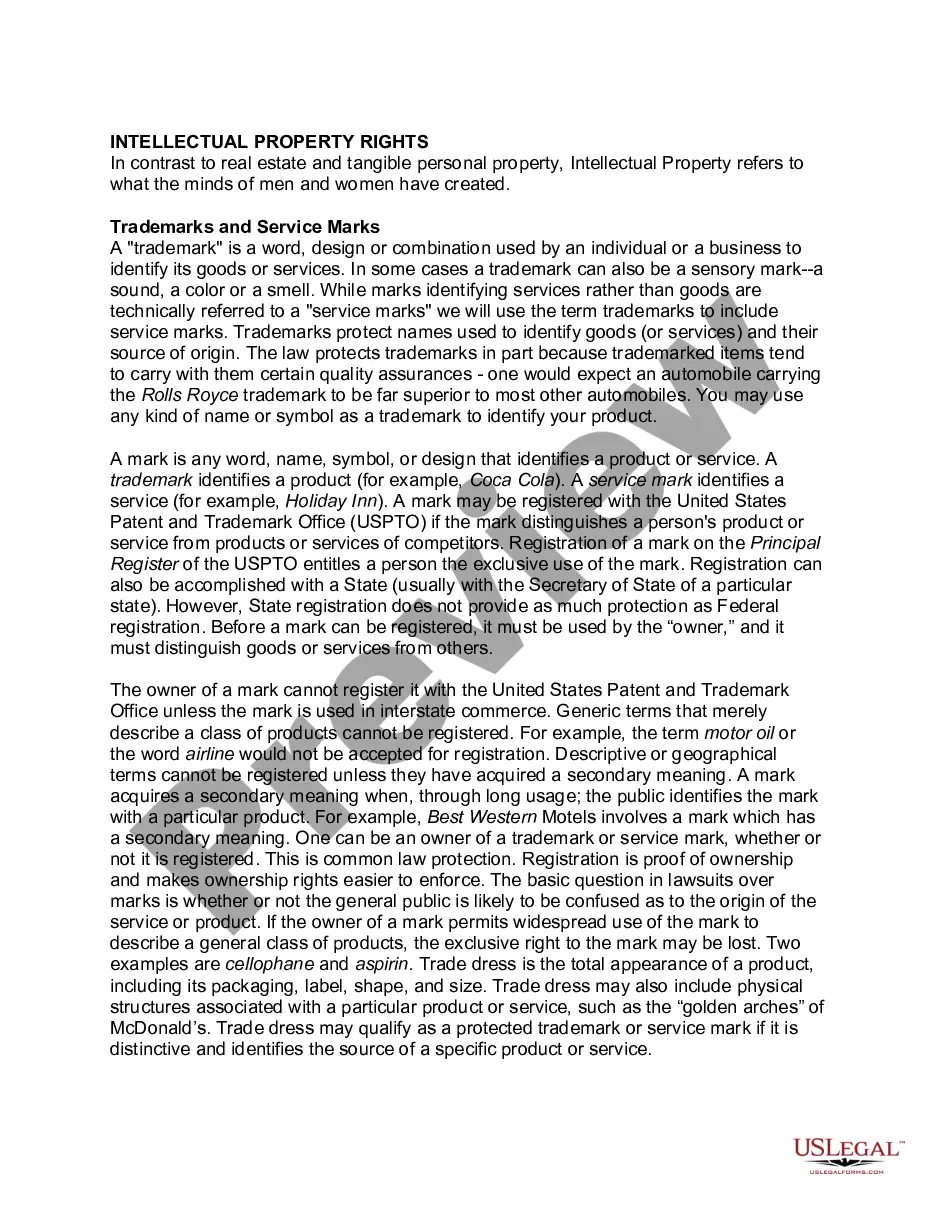
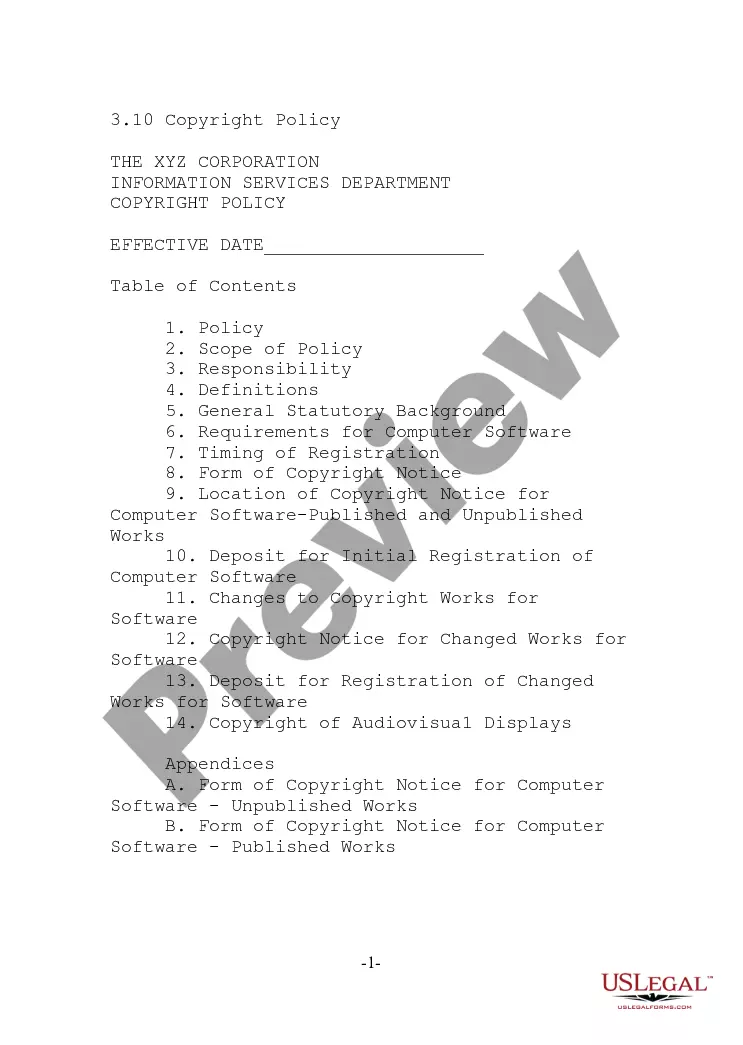
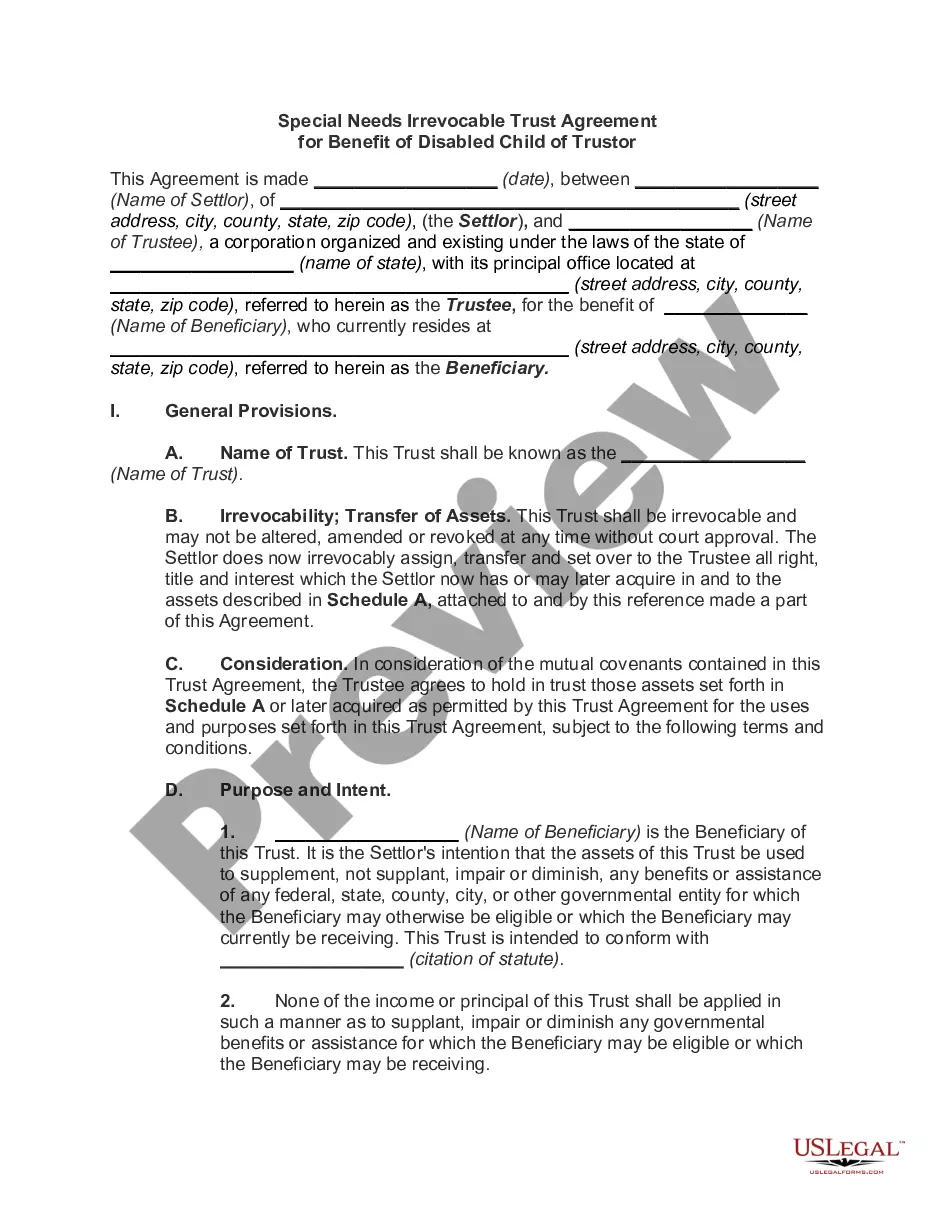
Get your form ready online
Our built-in tools help you complete, sign, share, and store your documents in one place.
Make edits, fill in missing information, and update formatting in US Legal Forms—just like you would in MS Word.
Download a copy, print it, send it by email, or mail it via USPS—whatever works best for your next step.
Sign and collect signatures with our SignNow integration. Send to multiple recipients, set reminders, and more. Go Premium to unlock E-Sign.
If this form requires notarization, complete it online through a secure video call—no need to meet a notary in person or wait for an appointment.
We protect your documents and personal data by following strict security and privacy standards.

Make edits, fill in missing information, and update formatting in US Legal Forms—just like you would in MS Word.

Download a copy, print it, send it by email, or mail it via USPS—whatever works best for your next step.

Sign and collect signatures with our SignNow integration. Send to multiple recipients, set reminders, and more. Go Premium to unlock E-Sign.

If this form requires notarization, complete it online through a secure video call—no need to meet a notary in person or wait for an appointment.

We protect your documents and personal data by following strict security and privacy standards.
Looking for another form?





Form popularity
FAQ
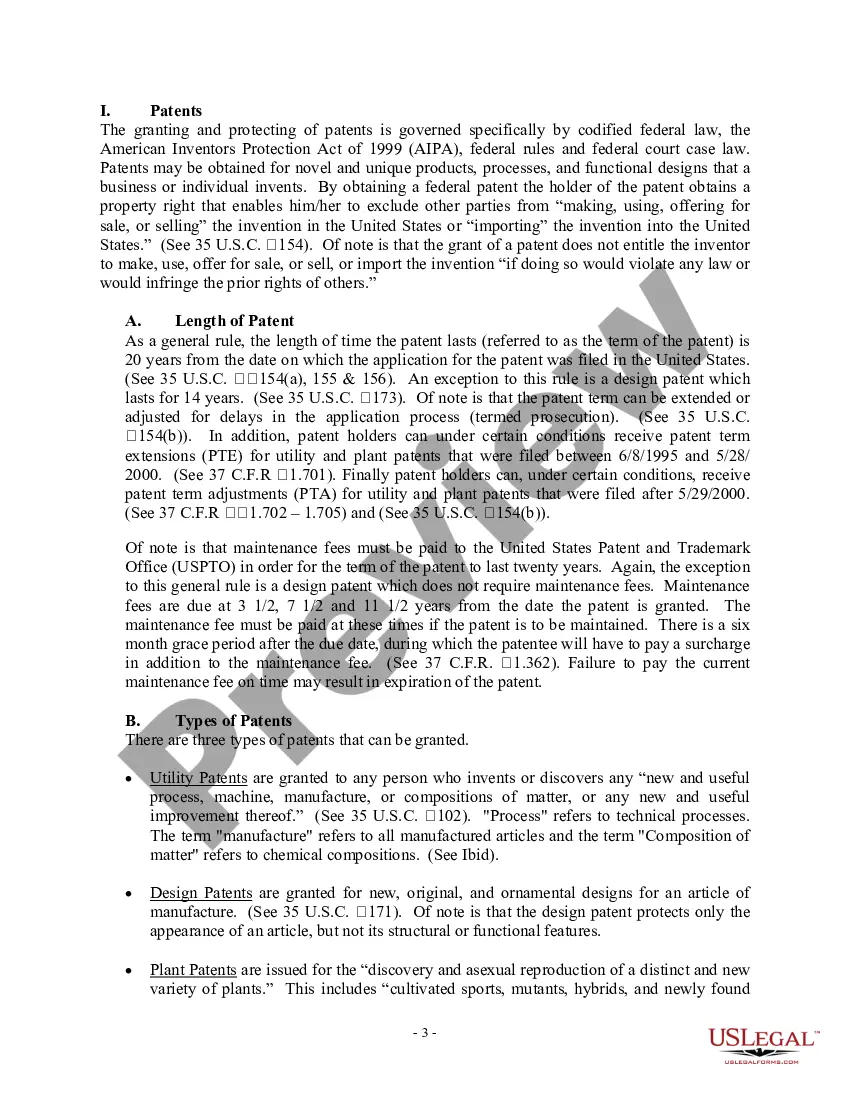
Step 2: Get ready to apply. Considering your trademark. Step 3: Prepare and submit your application. File your application in Trademark Center. Step 4: Work with the assigned USPTO examining attorney. We review your application. Step 5: Receive approval/denial of your application. Step 6: Maintain your registration.
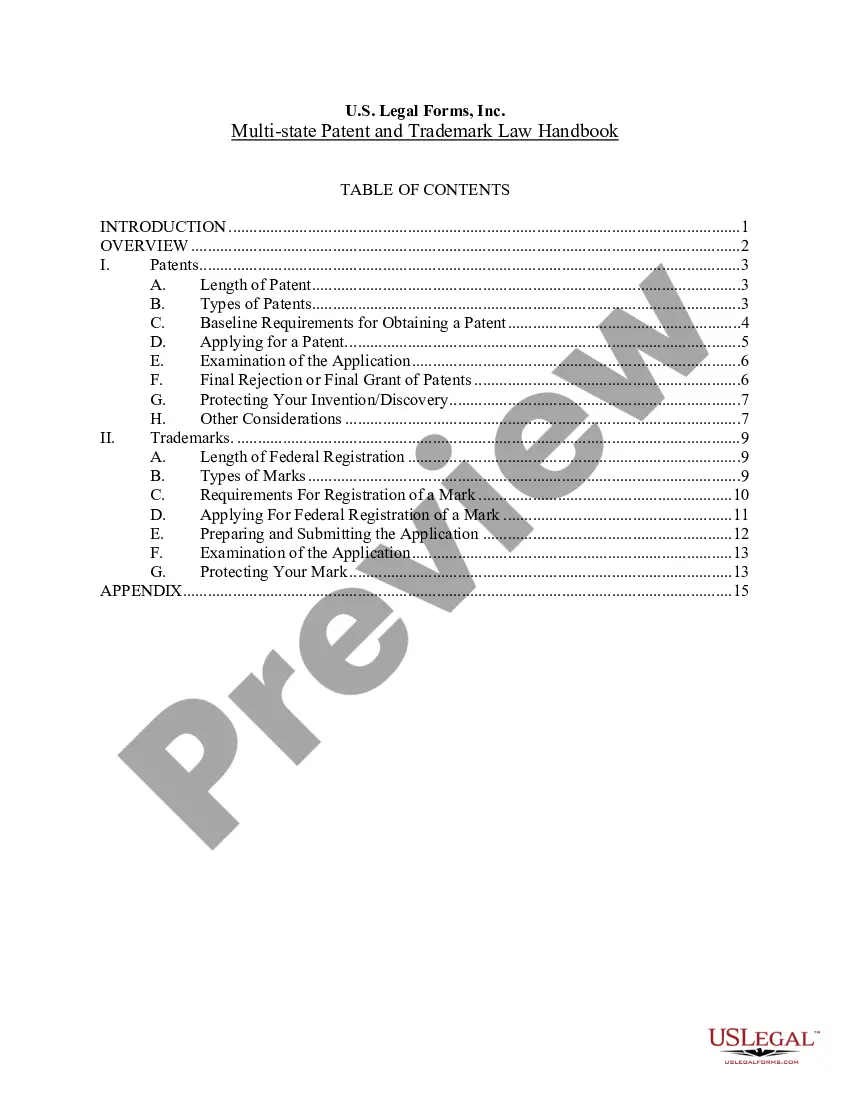
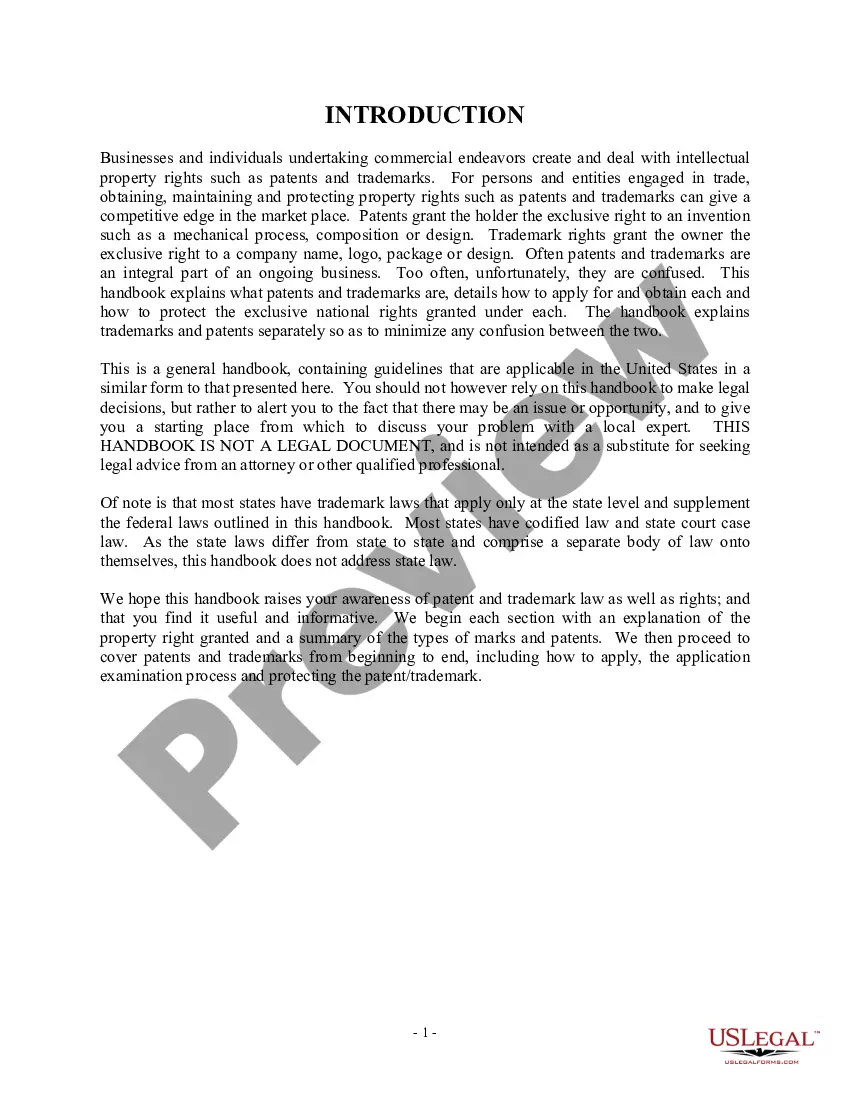
Logos don't even need to be registered as trademarks to be protected under current law. This means that using someone else's logo without permission, even if it's unregistered, is against the law.
By simply having a logo, you have what's known as a common law trademark for your logo. That means that, without doing anything paperwork-wise, you have the sole legal right to use and amend that logo as you see fit. But without an officially registered trademark, that right isn't as secure as it could be.
To do this legally, you should be getting permission to rebrand another's product as your own and this is typically done through the use of a “White Label Agreement.” A white label product is a product or service produced by one company (the producer) that other companies (the marketers) rebrand to make it appear as if ...
Many businesses have a logo that they use to promote their goods or services. Often this is in addition to their name, which might just be plain words. Ideally, if you have a logo, which is more than just a stylised version of your words, then it would be preferable to register both the plain word mark, and the logo.
Often, superscript is used so that it is in the upper-right side corner. 5. If your trademark is a logo or design, put TM or ® on the right side of your wordmark (names, terms, phrases) and in subscript so that it is in the lower-right corner. Alternatively, you can put the trademark symbol in the logo.
To register a trademark with the U.S. Patent and Trademark Office (USPTO), you will need to fill out and submit a trademark application. You can do this online, through the USPTO Trademark Center, an online trademark filing service, an attorney, or by submitting a paper application.
With trademarks, the entire process can be completed online pretty easily, even if you do it yourself without hiring an attorney.
By simply having a logo, you have what's known as a common law trademark for your logo. That means that, without doing anything paperwork-wise, you have the sole legal right to use and amend that logo as you see fit. But without an officially registered trademark, that right isn't as secure as it could be.
So, getting your Federal trademark comes down to meeting the same four trademark requirements: No conflicts with other trademarks. Trademark distinctiveness. Use in commerce. The capability to be a source identifier.
