Patent Trademark Law With Ai In Miami-Dade
Description

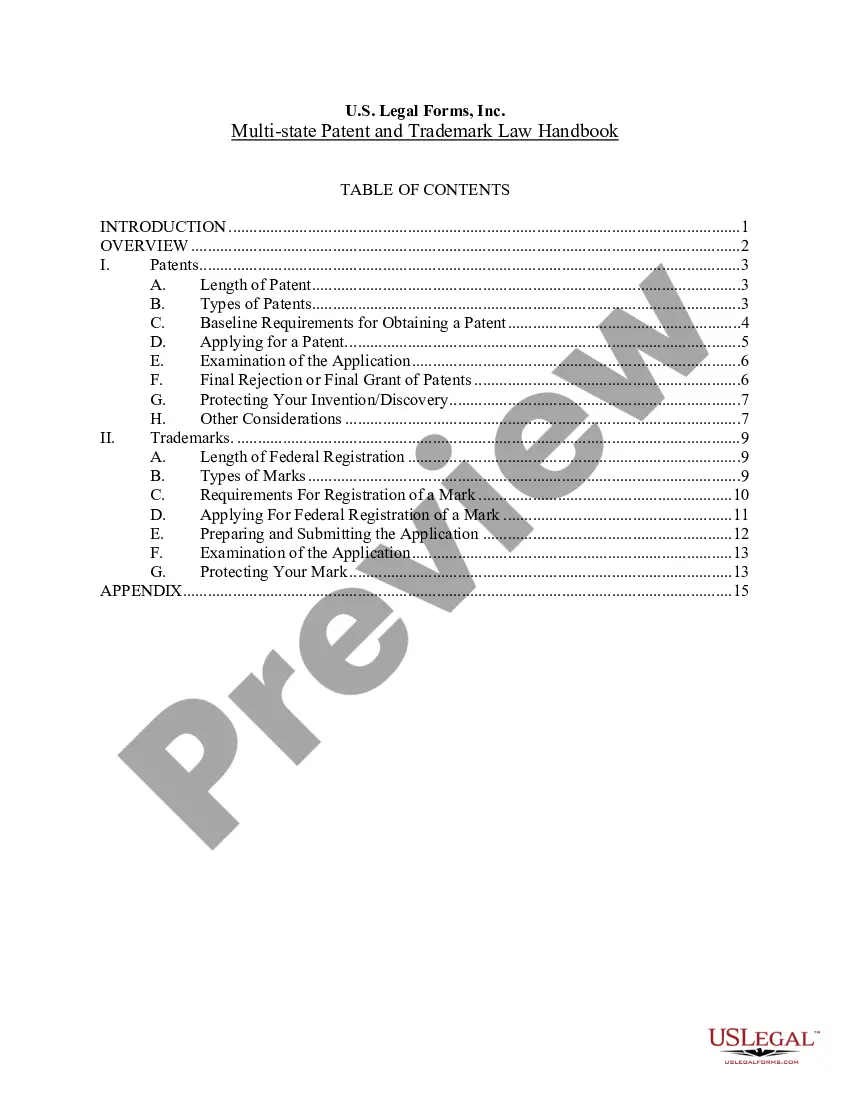
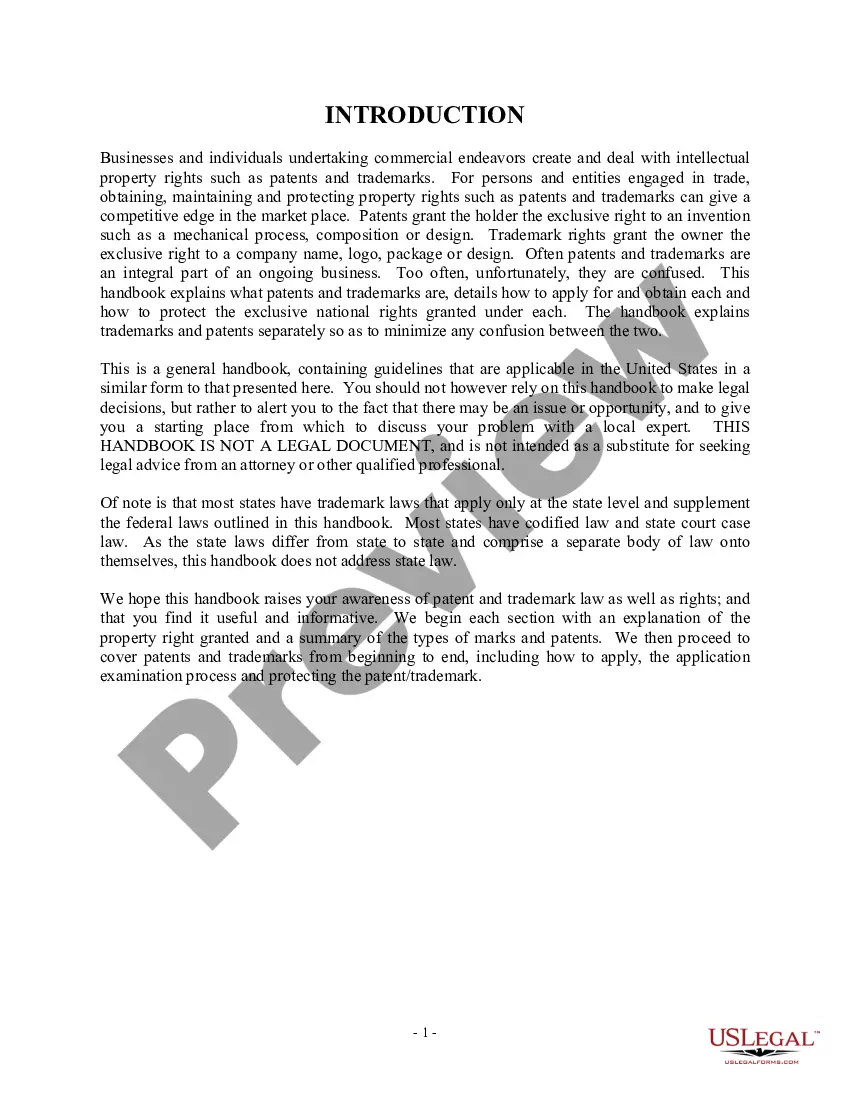
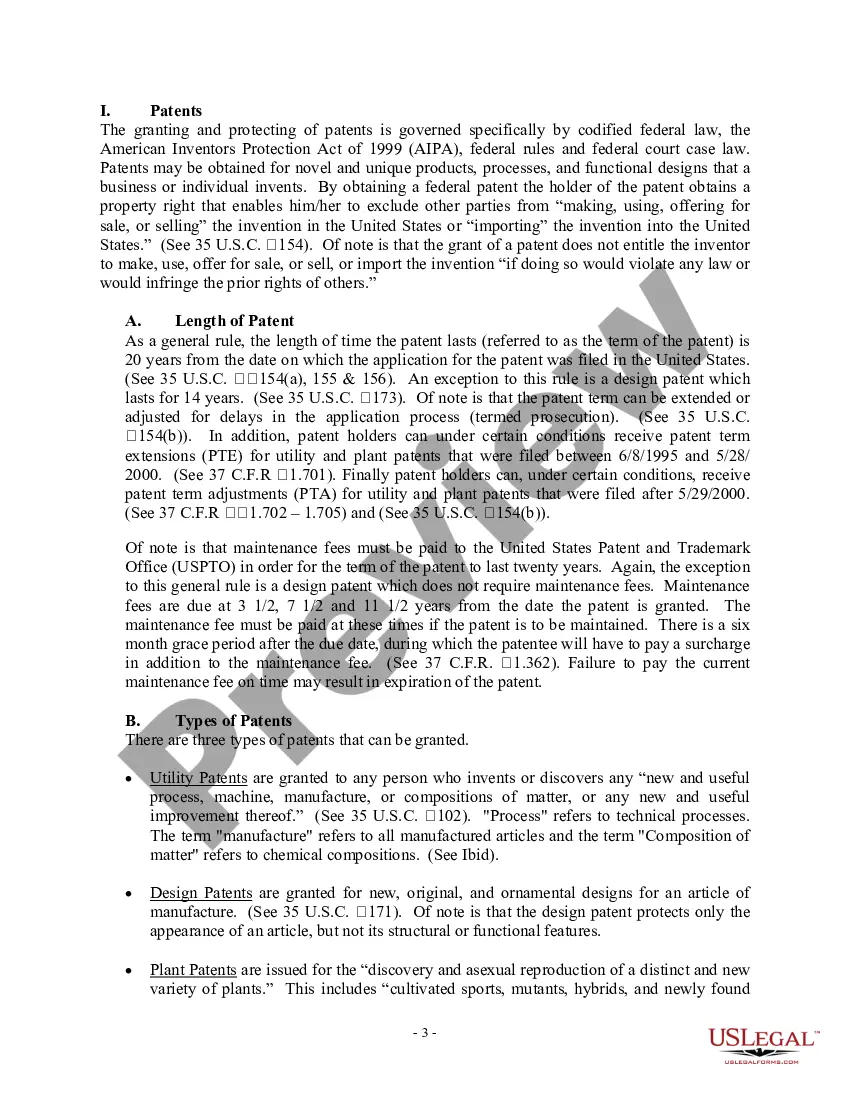


Get your form ready online
Our built-in tools help you complete, sign, share, and store your documents in one place.
Make edits, fill in missing information, and update formatting in US Legal Forms—just like you would in MS Word.
Download a copy, print it, send it by email, or mail it via USPS—whatever works best for your next step.
Sign and collect signatures with our SignNow integration. Send to multiple recipients, set reminders, and more. Go Premium to unlock E-Sign.
If this form requires notarization, complete it online through a secure video call—no need to meet a notary in person or wait for an appointment.
We protect your documents and personal data by following strict security and privacy standards.

Make edits, fill in missing information, and update formatting in US Legal Forms—just like you would in MS Word.

Download a copy, print it, send it by email, or mail it via USPS—whatever works best for your next step.

Sign and collect signatures with our SignNow integration. Send to multiple recipients, set reminders, and more. Go Premium to unlock E-Sign.

If this form requires notarization, complete it online through a secure video call—no need to meet a notary in person or wait for an appointment.

We protect your documents and personal data by following strict security and privacy standards.
Looking for another form?
Form popularity
FAQ
The U.S. Patent and Trademark Office (USPTO) grants patents for AI-based inventions as long as they meet the requisite criteria of novelty, non-obviousness, utility, and patent eligibility (described below).
One important issue for patent law is whether inventions made using AI can be patented. Although U.S. patent law currently requires a human inventor and does not allow patenting of inventions made solely by AI, patents can be granted on some inventions that human inventors make with AI assistance.
What details should I include in my AI patent application? Your patent application should describe the technical details of your AI model – such as, for example, the data used, implemented pipelines, model infrastructure, the training framework or any combination thereof.
Publish your model On the details page, under Last trained version, select Publish. After you publish your last trained version, it appears as the published version. For certain AI model types, you might need to take additional steps to use your model in Power Apps or Microsoft Dataverse.
While AI systems and other non-natural persons cannot be listed as inventors on patent applications or patents, the use of an AI system by a natural person(s) does not preclude a natural person(s) from qualifying as an inventor (or joint inventors) if the natural person(s) significantly contributed to the claimed ...
For an algorithm to be patentable, it must have a practical application in a specific field. It should transform the abstract idea into a useful process or machine. Courts and patent offices often look for concrete steps that turn an abstract concept into something practical and tangible.
Can AI art be copyrighted? No, AI art cannot be copyrighted. Just like any other type of AI-generated content, AI art isn't considered to be the work of a human creator. Because AI isn't legally viewed as an author either, no author can copyright AI-generated art.
While AI can aid in generating ideas and solutions, the inventive concept must originate in part from human ingenuity. Human inventors must make substantial contributions to the invention that go beyond merely using AI tools. Otherwise, the invention is not eligible for patent protection.
AI can assist in the creation of trademarks by analysing vast amounts of data to identify trends, linguistic patterns, and potential conflicts with existing trademarks. It can help brand owners generate unique and distinctive trademarks that are less likely to face registration challenges or infringement issues.
As AI can now create vast amounts of content, from inventions to artistic works, it could lead to the creation of massive databases of intellectual property. This raises significant risks related to infringement, with AI-generated works potentially being derivative of pre-existing content.