Patent Trademark Law For Pharmaceutical Companies In Maricopa
Description

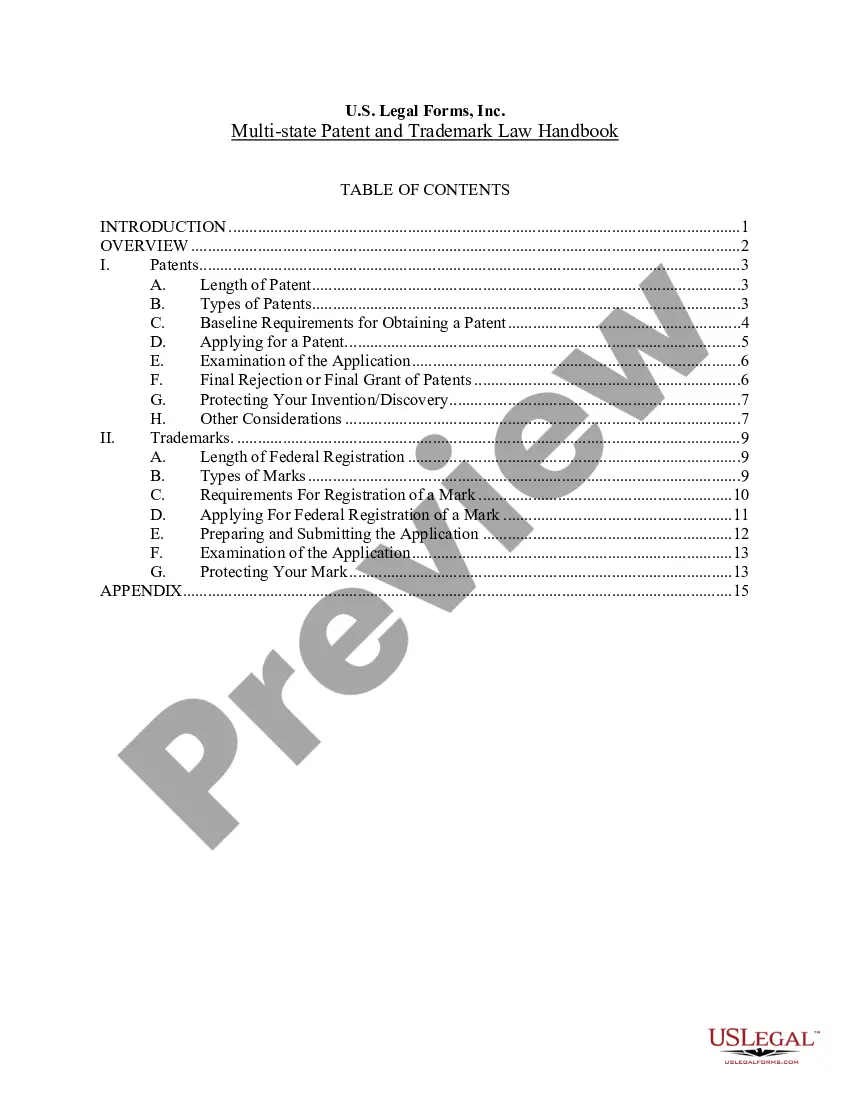
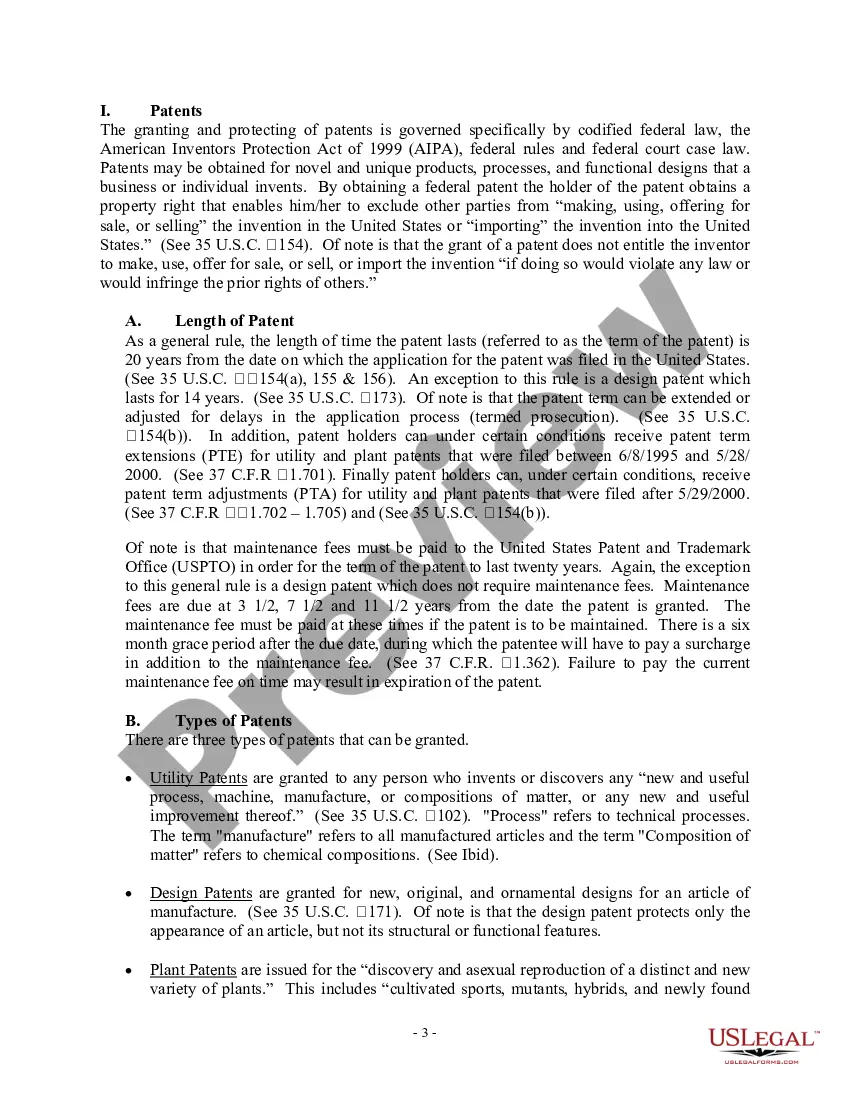


Get your form ready online
Our built-in tools help you complete, sign, share, and store your documents in one place.
Make edits, fill in missing information, and update formatting in US Legal Forms—just like you would in MS Word.
Download a copy, print it, send it by email, or mail it via USPS—whatever works best for your next step.
Sign and collect signatures with our SignNow integration. Send to multiple recipients, set reminders, and more. Go Premium to unlock E-Sign.
If this form requires notarization, complete it online through a secure video call—no need to meet a notary in person or wait for an appointment.
We protect your documents and personal data by following strict security and privacy standards.

Make edits, fill in missing information, and update formatting in US Legal Forms—just like you would in MS Word.

Download a copy, print it, send it by email, or mail it via USPS—whatever works best for your next step.

Sign and collect signatures with our SignNow integration. Send to multiple recipients, set reminders, and more. Go Premium to unlock E-Sign.

If this form requires notarization, complete it online through a secure video call—no need to meet a notary in person or wait for an appointment.

We protect your documents and personal data by following strict security and privacy standards.
Looking for another form?




Form popularity
FAQ
Unlike the previously listed protections, copyrights rarely apply to the actual pharmaceutical product produced by a company. However, copyrights can help protect pharmaceutical research and creative works distributed by a pharmaceutical company.
A drug name can be registered as a trademark in advance of its approval by the FDA. An application for registration at the PTO can be based on “intent to use” a trademark or use of the mark in clinical trials.
You can not register marks that are inherently offensive or obscene. You can not register marks that are generic that simply name a type or class or product or service. For example, you can't trademark “lamp” for a company that makes lamps.
In order to protect these significant efforts and investments, pharmaceutical companies rely heavily on the exclusivity granted by intellectual property rights, and in particular, patents.
“In most industries, you create a name for the product and as long as the trademark is considered available you can start using that name on your product,” says Quinlan. “But the drug name has to get reviewed and be considered safe before it'll be approved to be used on that potential product.”
There isn't a prohibition on patenting something used for an illegal purpose or with an illegal substance, however. Moreover, such patents can likely be written broadly so that they encompass legitimate purposes or substances.
Trademarks: Can be enforced through legal action to prevent confusion or misuse of a brand. Copyrights: Legal action can be taken against unauthorised reproduction or distribution of works. Patents: Provide exclusive rights, and infringement can result in legal action to prevent unauthorised use.
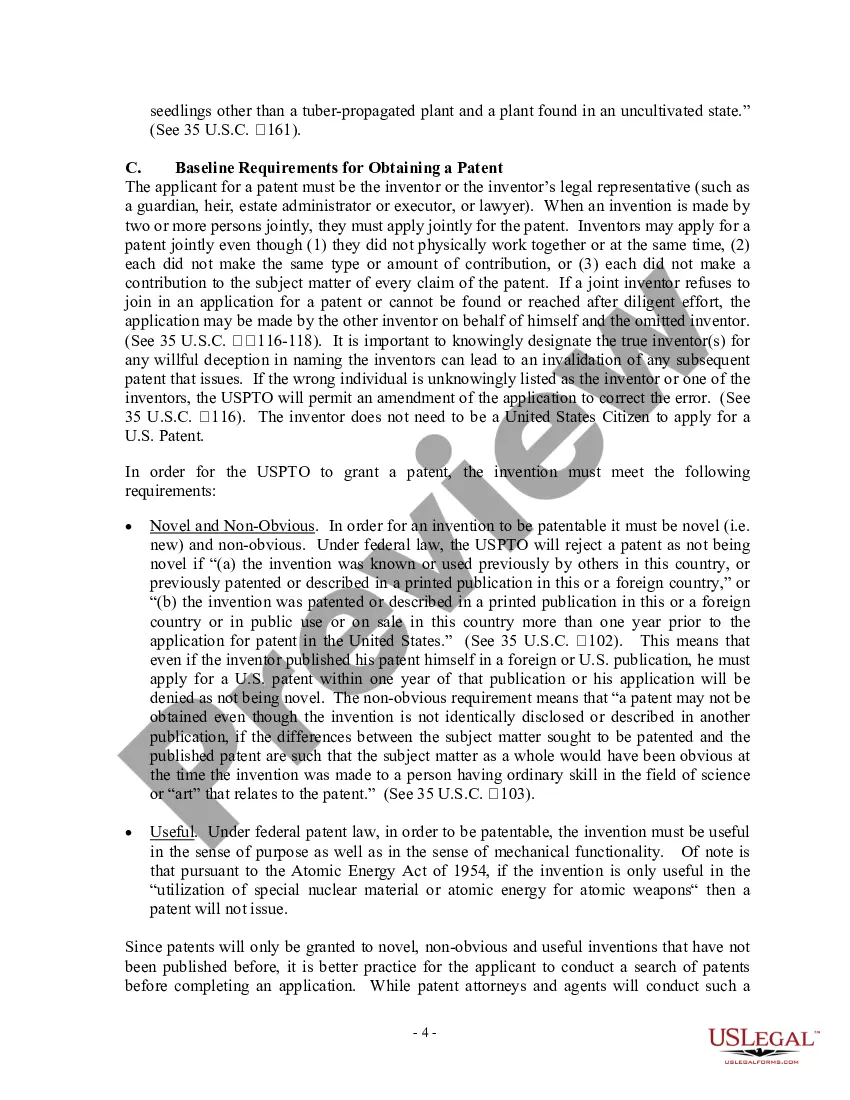
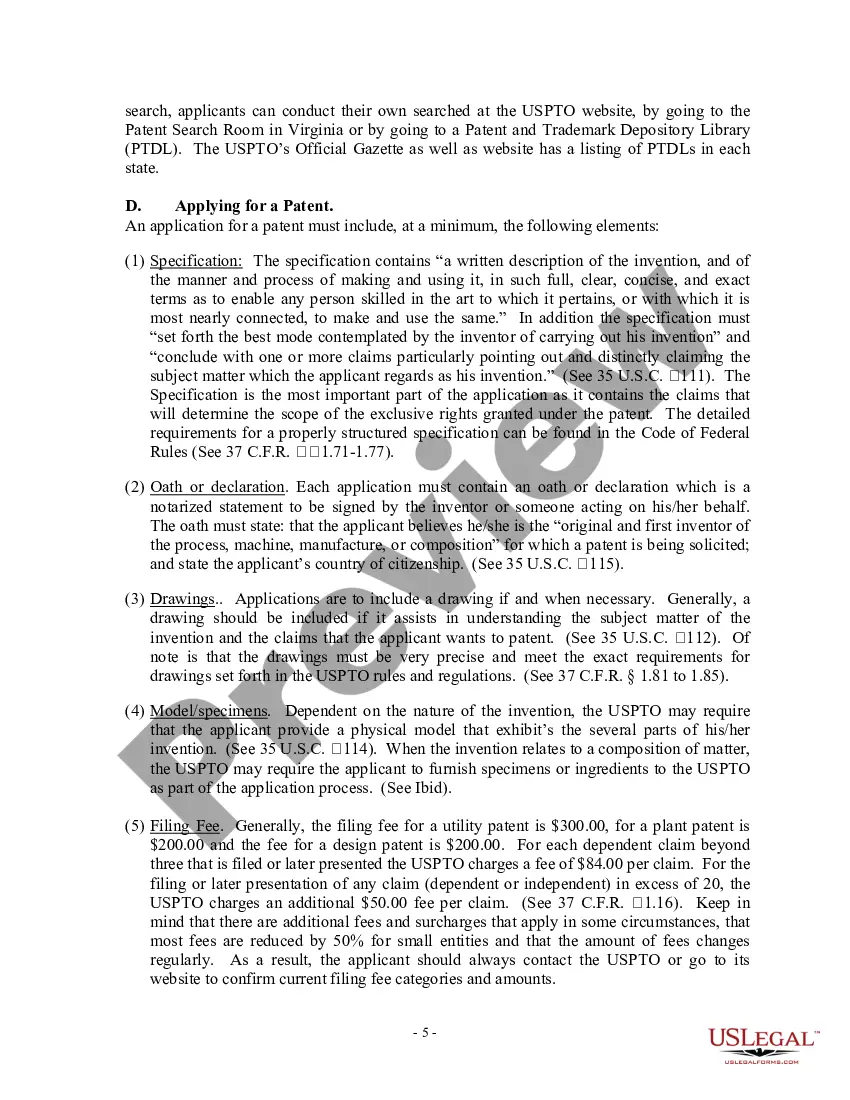
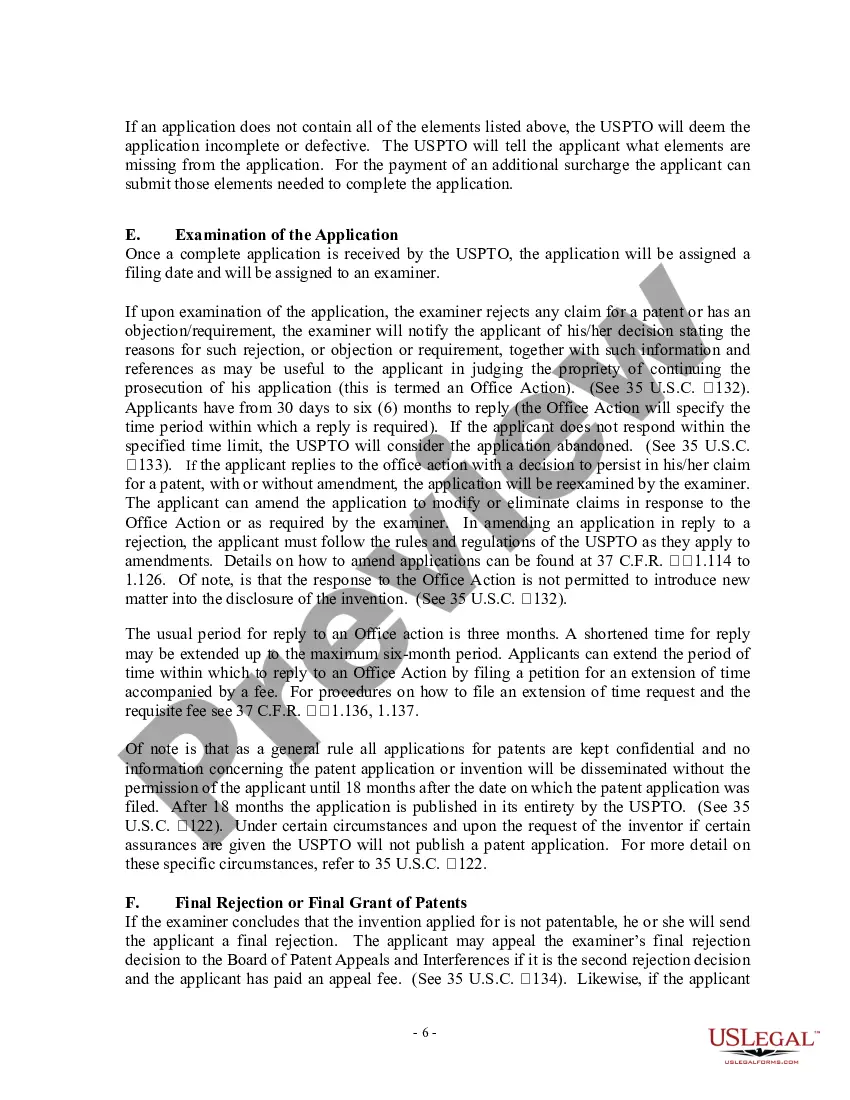
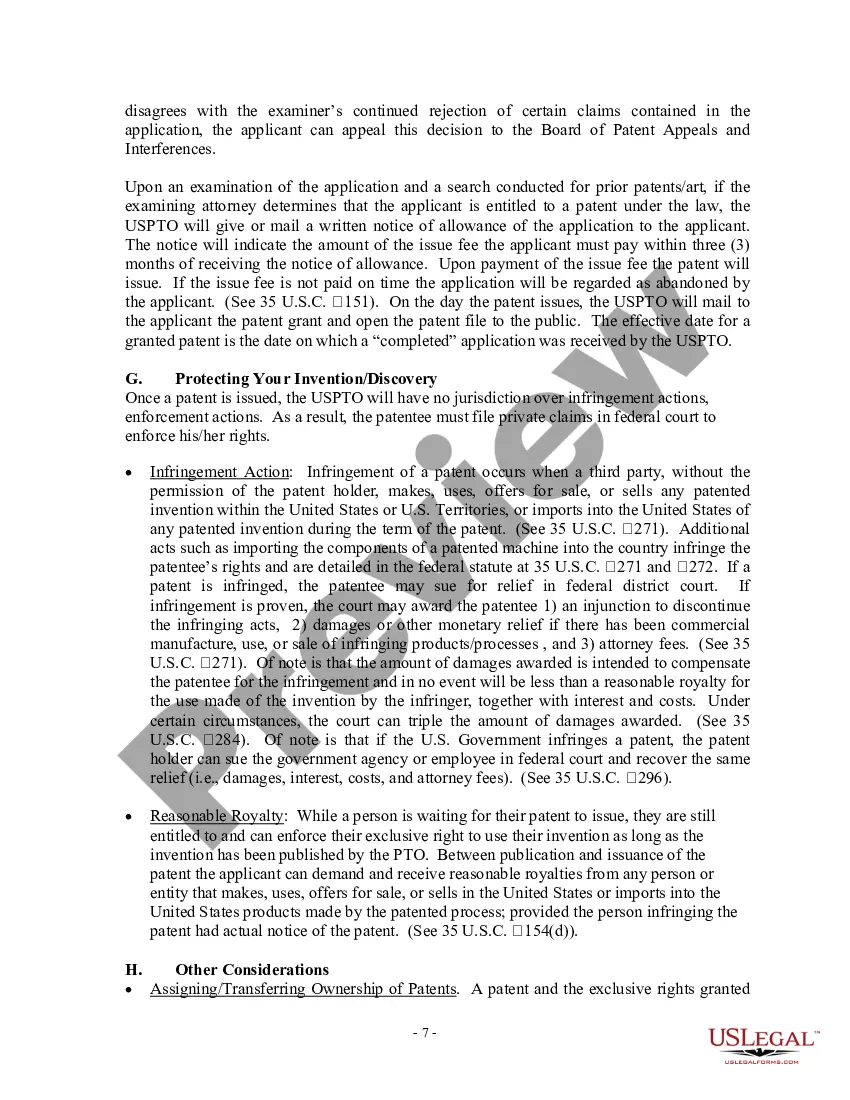
A patent is a legal instrument that conveys to the patentee (the patent holder) the right to exclude others from making, using, selling, or offering to sell the subject matter of the patent “claims.” Medical patents, for purposes of the present article, will be defined broadly to include patents that relate to ...
A patent is the main design of Intellectual Property Rights employed in the pharmaceutical industry. Claims of patents in India are imposed under the Patents Act of 1970. The goal of patent authorization is to inspire and progress in the industry and associated modern technologies.
In the US, as well as most other countries, patents are a legal mechanism that allow pharmaceutical companies to exclusively sell a drug they have developed, helping them recoup their investment A patent is a legal document that guarantees an inventor the sole right to market their invention for a certain amount of ...
