Patent Use Can For New In Houston
Description

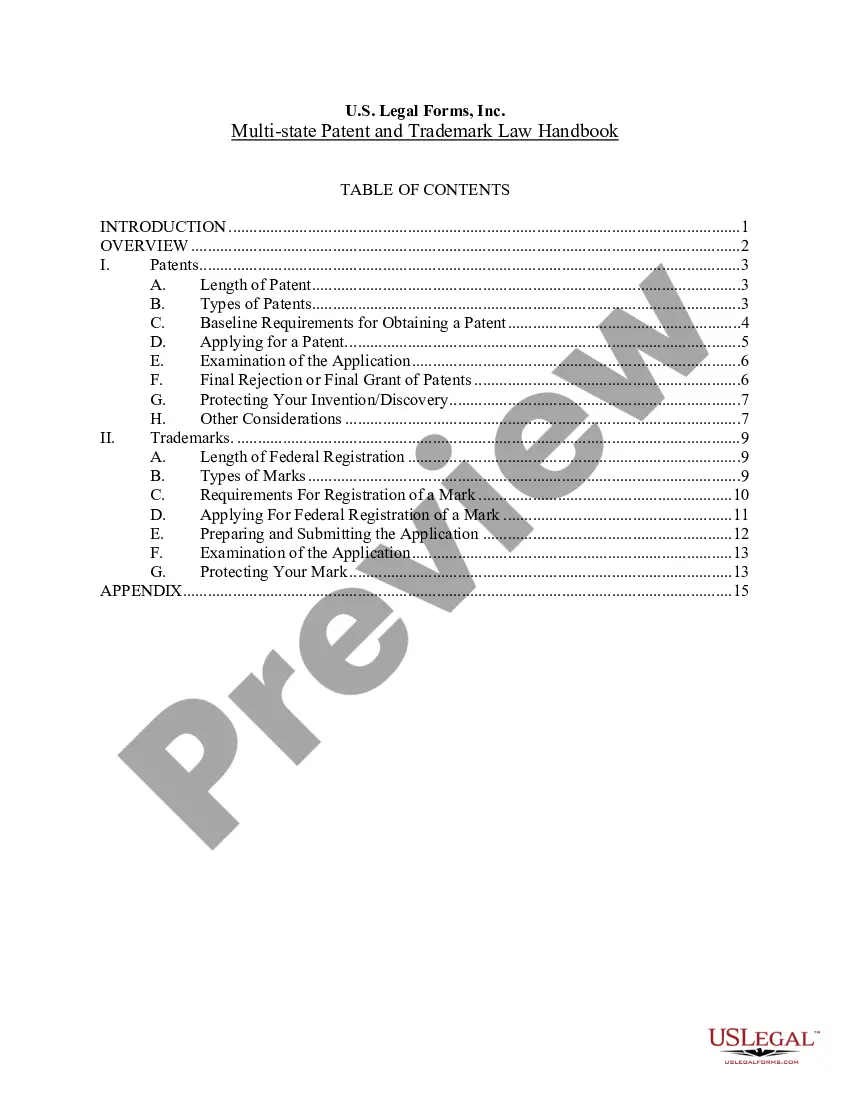
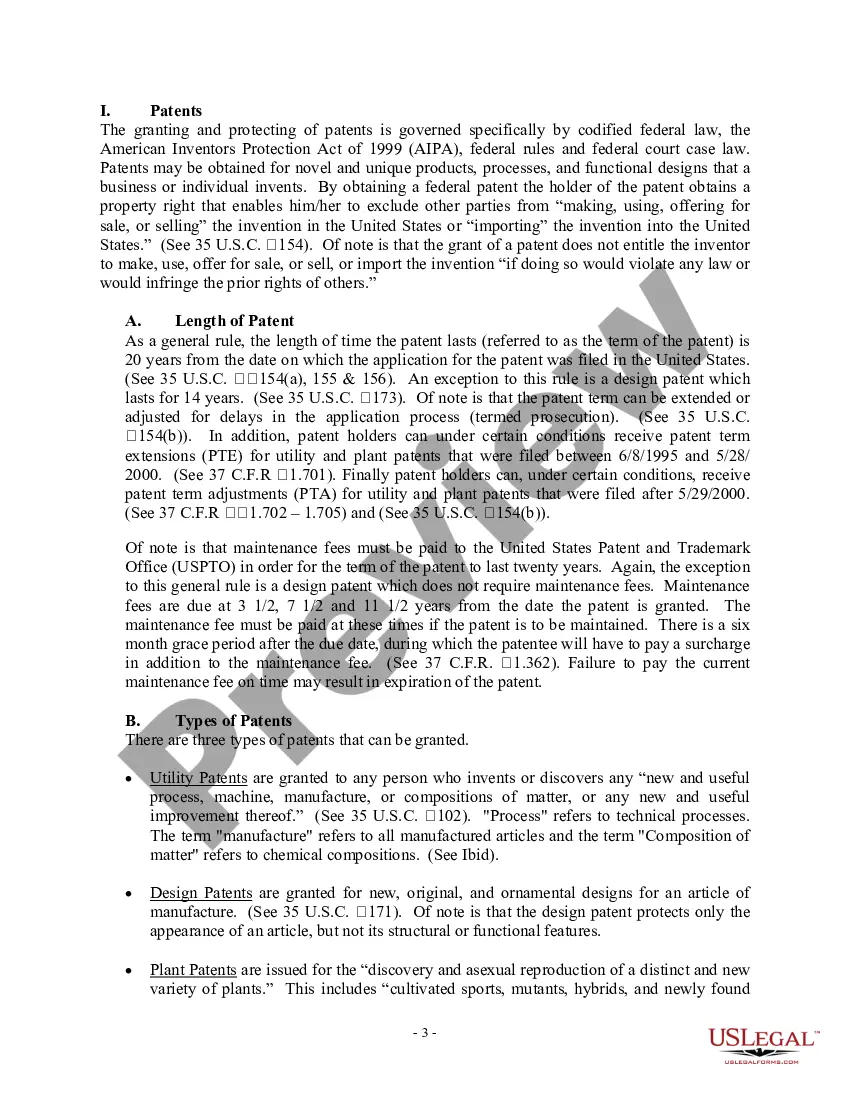


Get your form ready online
Our built-in tools help you complete, sign, share, and store your documents in one place.
Make edits, fill in missing information, and update formatting in US Legal Forms—just like you would in MS Word.
Download a copy, print it, send it by email, or mail it via USPS—whatever works best for your next step.
Sign and collect signatures with our SignNow integration. Send to multiple recipients, set reminders, and more. Go Premium to unlock E-Sign.
If this form requires notarization, complete it online through a secure video call—no need to meet a notary in person or wait for an appointment.
We protect your documents and personal data by following strict security and privacy standards.

Make edits, fill in missing information, and update formatting in US Legal Forms—just like you would in MS Word.

Download a copy, print it, send it by email, or mail it via USPS—whatever works best for your next step.

Sign and collect signatures with our SignNow integration. Send to multiple recipients, set reminders, and more. Go Premium to unlock E-Sign.

If this form requires notarization, complete it online through a secure video call—no need to meet a notary in person or wait for an appointment.

We protect your documents and personal data by following strict security and privacy standards.
Looking for another form?








Form popularity
FAQ
Yes, you can definitely use a patented product to get your idea patented, but along with getting a license from the patent owner, you might also have to credit them as an inventor for your patent. That's how Steve Jobs's name still appears in patents applied and published after 2011.
In general, patent law only allows for the protection of new, useful, and non-obvious inventions. Thus, if your new use for an existing product is not novel or obvious, it may not be eligible for patent protection.
While ideas alone cannot be patented, you can obtain a patent on an invention that was developed from an idea. Note this: if you pursue a patent, an invention must be actually produced, or at minimum, a detailed description of the invention has to be included with the patent application.
The European Patent Convention (EPC) states that, for an invention to qualify for patent protection, it must be novel, have an inventive step and be industrially applicable.
An ``idea'' cannot be patented. An ``invention'' can be patented. The concept behind the patent system is that for any given invention, the earliest patent wins. However, in terms of the question you are asking, the CLAIMS are the really important part of the patent.
Patent law defines the limits of what can be patented. For example, the laws of nature, physical phenomena, and abstract ideas cannot be patented, nor can only an idea or suggestion.
5 Important Steps To Draft And File A Patent Texas Document Your Invention. First and foremost, clearly document your invention to file a patent Texas. Choose Your Type Of Protection. Conduct A Through Patent Search. Evaluate Drafting And Filing Costs. Prepare Your Application.
Is a different use for an existing product patentable? Technically, it is possible to patent a new use of an existing product.
In conclusion, patent protection is possible for previously known drugs being repurposed for new indications. The best chances for patenting repurposed drugs occur when care is given to initial experimentation to establish the usefulness of the drugs and for identifying any unexpected properties of the drugs.
