Patent Drafting For Beginners In Franklin
Description

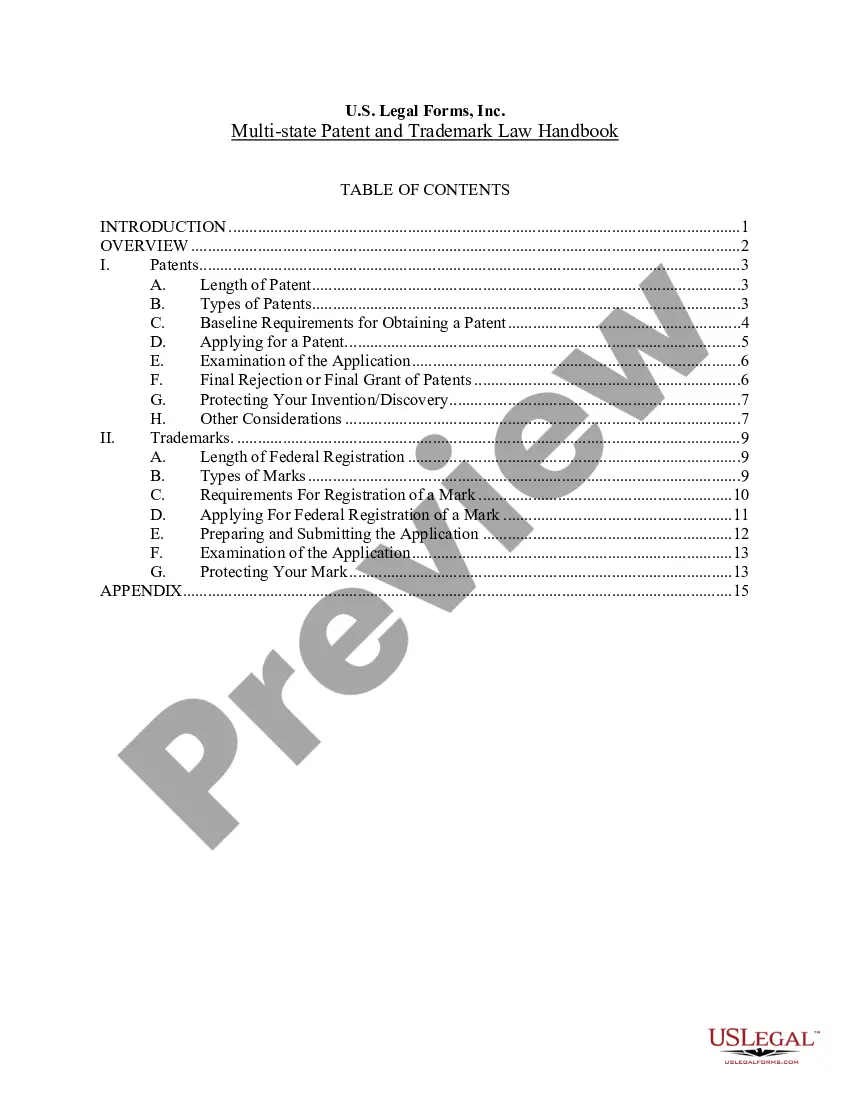
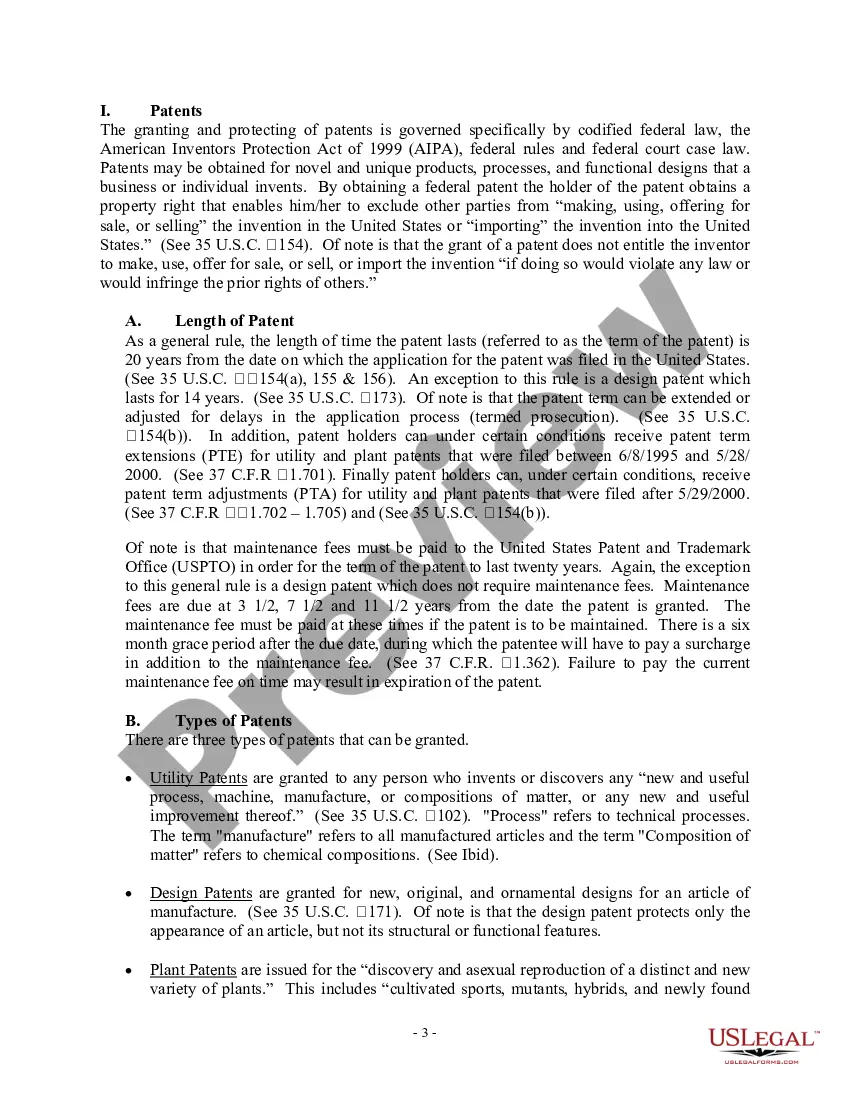



Get your form ready online
Our built-in tools help you complete, sign, share, and store your documents in one place.
Make edits, fill in missing information, and update formatting in US Legal Forms—just like you would in MS Word.
Download a copy, print it, send it by email, or mail it via USPS—whatever works best for your next step.
Sign and collect signatures with our SignNow integration. Send to multiple recipients, set reminders, and more. Go Premium to unlock E-Sign.
If this form requires notarization, complete it online through a secure video call—no need to meet a notary in person or wait for an appointment.
We protect your documents and personal data by following strict security and privacy standards.

Make edits, fill in missing information, and update formatting in US Legal Forms—just like you would in MS Word.

Download a copy, print it, send it by email, or mail it via USPS—whatever works best for your next step.

Sign and collect signatures with our SignNow integration. Send to multiple recipients, set reminders, and more. Go Premium to unlock E-Sign.

If this form requires notarization, complete it online through a secure video call—no need to meet a notary in person or wait for an appointment.

We protect your documents and personal data by following strict security and privacy standards.
Looking for another form?






Form popularity
FAQ
First to file and first to invent are legal concepts that define who has the right to the grant of a patent for an invention. Since March 16, 2013, after the United States abandoned its "first to invent/document" system, all countries have operated under the "first-to-file" patent priority requirement.
Its length will vary depending on the invention, sometimes it consists of only 5 pages, while sometimes it is 30 pages long. The application includes different parts which will be briefly demonstrated below. But first, take a look at a real patent application: link.
A really good patent would have about 10-15 figures correspondingly with detail that can be added to the claims if needed. Hence, when you get a draft back, check whether it is 3 pages long or 15 pages long. Generally, the more said about the innovation, the more likely you are going to get a better coverage.
154 to provide that the term of a patent (other than a design patent) begins on the date the patent issues and ends on the date that is twenty years from the date on which the application for the patent was filed in the United States or, if the application contains a specific reference to an earlier filed application ...
A description describes your invention in detail. All standard, provisional and international applications must include a description that: Fully describes your invention so that others could reproduce it from the information given. Describes the best method of how to use your invention.
Patent applications: the three criteria Novelty. This means that your invention must not have been made public – not even by yourself – before the date of the application. Inventive step. This means that your product or process must be an inventive solution. Industrial applicability.
Drafting a Patent Specification: An Illustration Background of the Invention. Problems to be Solved. Prior Arts. Summary of the Invention. Brief Description of the Drawings. Detailed Description of the Invention. Claims. Abstract.
Format of a Patent Application The Specification. The Title. The Description. The Claims. The Drawings. The Abstract. Sample Specifications. Minimum Requirements for a Filing Date.
Format of a Patent Application The Specification. The Title. The Description. The Claims. The Drawings. The Abstract. Sample Specifications. Minimum Requirements for a Filing Date.
Prior to drafting the patent application, it is advisable to focus on the following points: Understand the given invention disclosure completely. Identify the field of invention and the other possible applications for the invention. Identify the problem, which is solved by the invention.