Legalzoom Trademark In Cook
Description

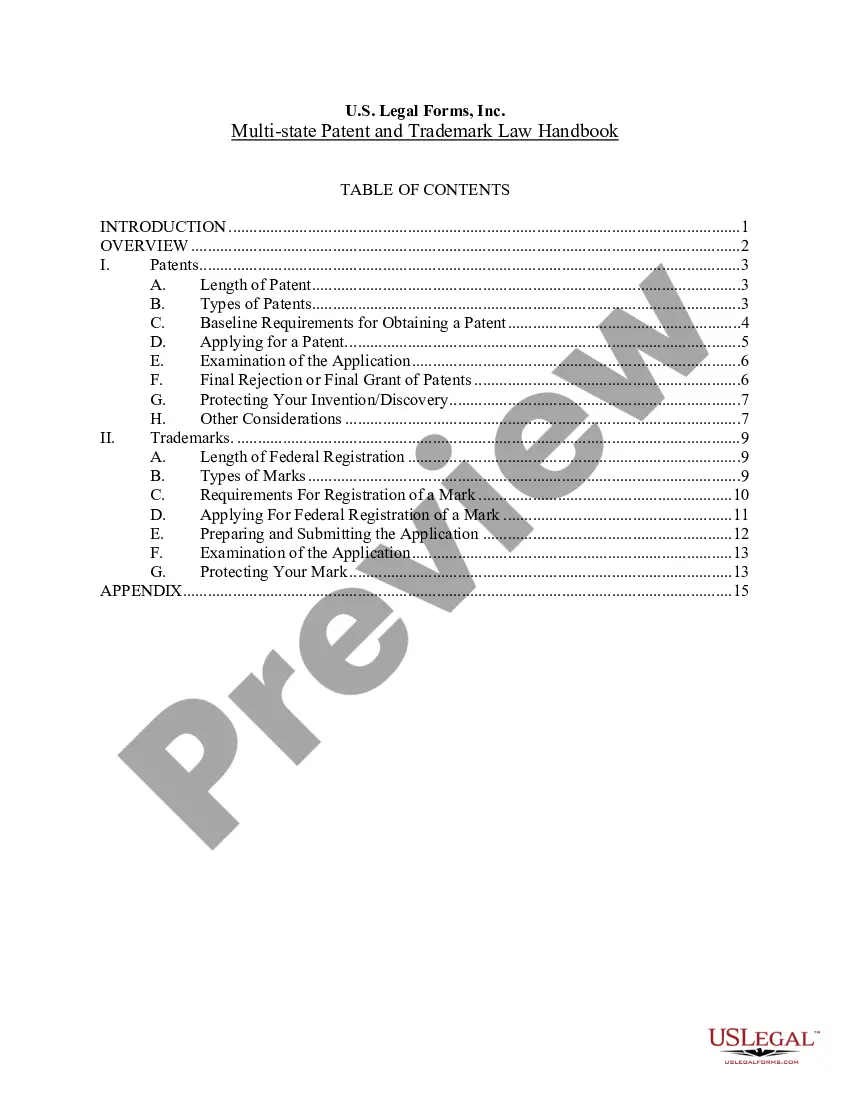
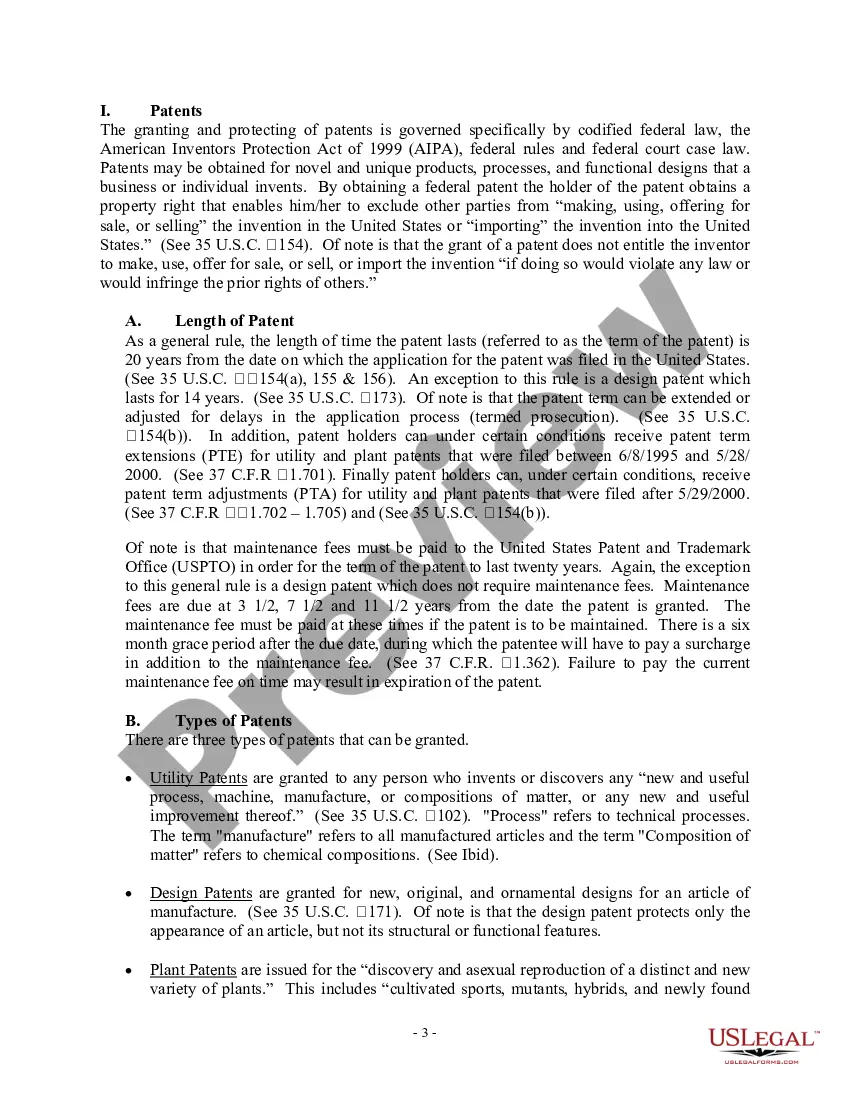


Get your form ready online
Our built-in tools help you complete, sign, share, and store your documents in one place.
Make edits, fill in missing information, and update formatting in US Legal Forms—just like you would in MS Word.
Download a copy, print it, send it by email, or mail it via USPS—whatever works best for your next step.
Sign and collect signatures with our SignNow integration. Send to multiple recipients, set reminders, and more. Go Premium to unlock E-Sign.
If this form requires notarization, complete it online through a secure video call—no need to meet a notary in person or wait for an appointment.
We protect your documents and personal data by following strict security and privacy standards.

Make edits, fill in missing information, and update formatting in US Legal Forms—just like you would in MS Word.

Download a copy, print it, send it by email, or mail it via USPS—whatever works best for your next step.

Sign and collect signatures with our SignNow integration. Send to multiple recipients, set reminders, and more. Go Premium to unlock E-Sign.

If this form requires notarization, complete it online through a secure video call—no need to meet a notary in person or wait for an appointment.

We protect your documents and personal data by following strict security and privacy standards.
Looking for another form?




Form popularity
FAQ
Always use the trademark consistently, including the same spelling, punctuation, and spacing. Always use a trademark as an adjective that modifies a noun, and never as a singular or plural noun. Never use a trademark as a verb.
Likelihood of confusion is a common reason for refusal of a trademark application. The USPTO will review your application and compare your mark to any existing trademark applications or registered trademarks.
You do not have to have registered a trademark to use it and many companies will opt to use the TM symbol for new goods or services in advance of and during the application process. The R symbol indicates that this word, phrase, or logo is a registered trademark for the product or service.
The trademark symbol ™ is a symbol to indicate that the preceding mark is a trademark, specifically an unregistered trademark. It complements the registered trademark symbol ® which is reserved for trademarks registered with an appropriate government agency.
TM or SM are for unregistered marks only. Use TM for marks that represent goods and SM for marks that represent services. If your mark covers both goods and services, use TM. The federal registration symbol, ®, is only for marks registered with the USPTO.
To insert the trademark symbol, press Ctrl+Alt+T.
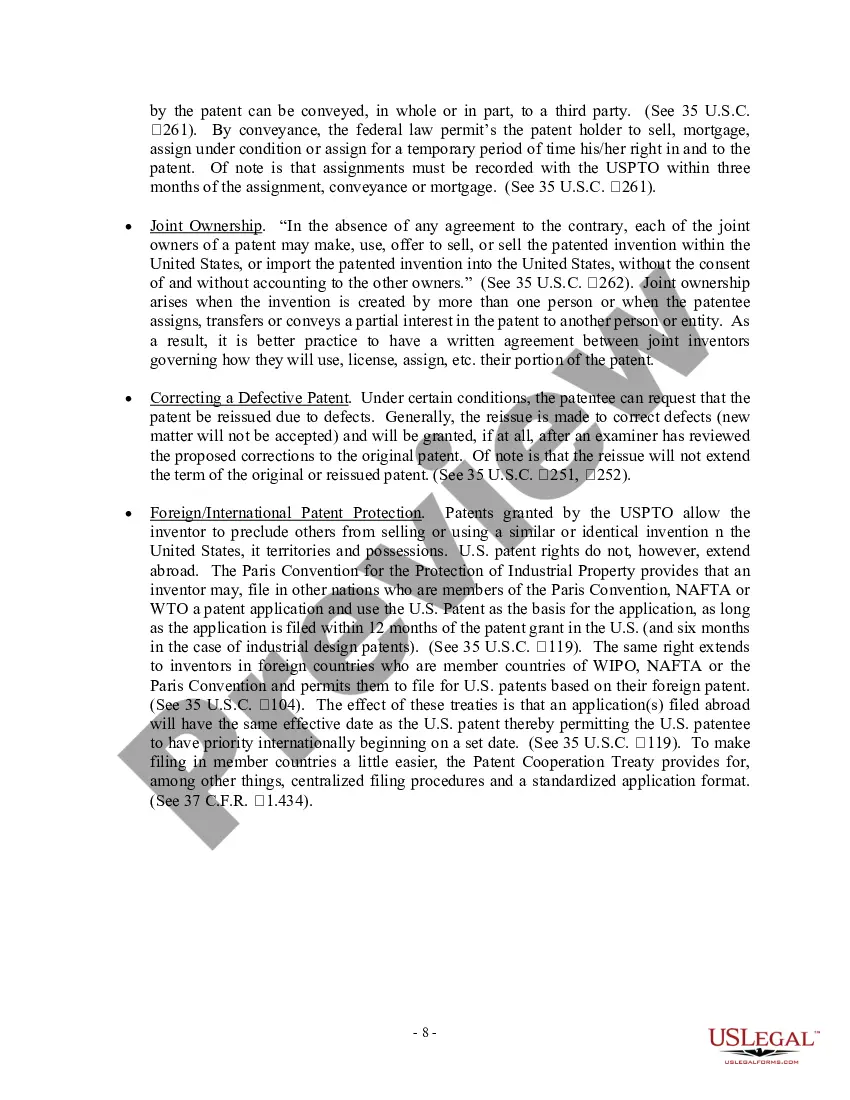
Definition of Trademark A trademark is used to identify goods made by a specific producer. Tom's distinctive logo would be one such example, but trademarks can also take the forms of phrases, words, or symbols. Distinctive sounds, scents, or even shapes and colors can also be registered as trademarks.
Trademark rights are territorial, so yes, it is possible to have the same name in a different country. however, the trademark owner may still attempt to enforce their rights against you.
You can use someone else's trademark without permission if you are using it for informational purposes. This exception applies to situations where you are: Expressing an opinion.
To protect a trademark internationally, businesses must apply for trademark registration in each desired country. This can be achieved by filing separate national applications in each country or using the Madrid Protocol, which allows for a single international application covering multiple member countries.
