Patent Paper Example In Allegheny
Description

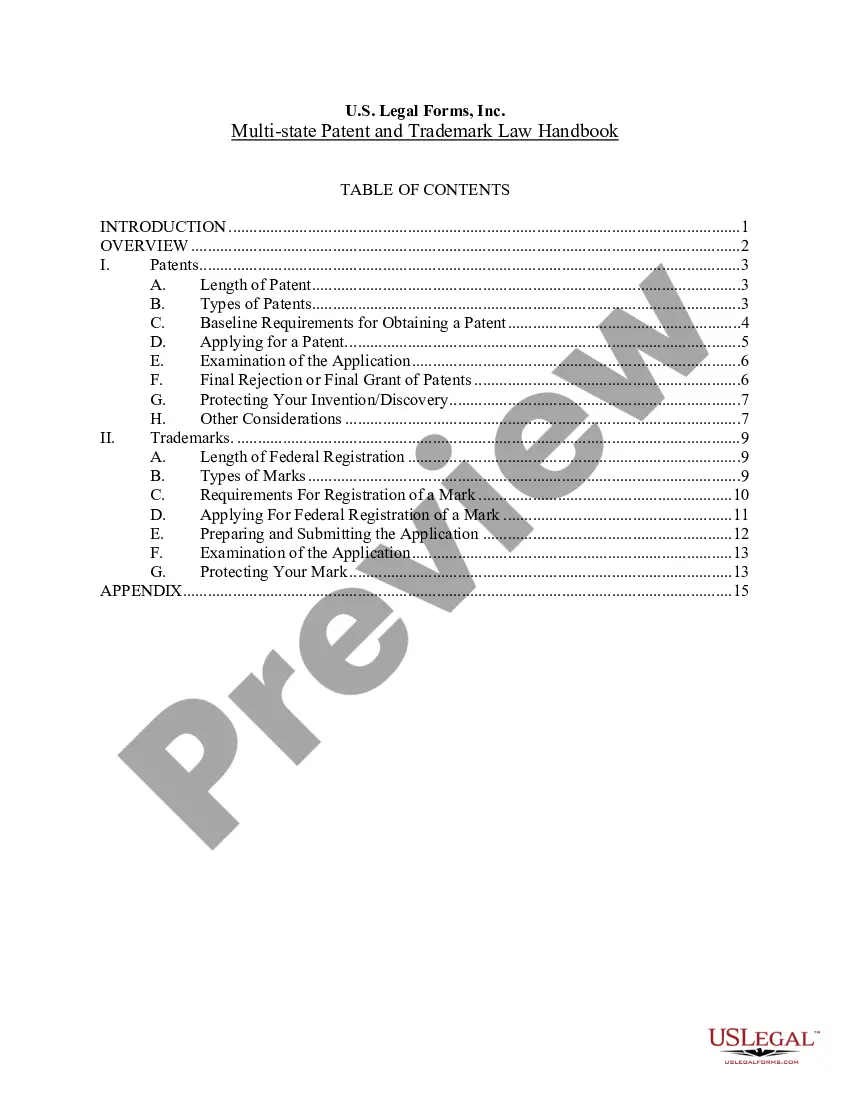
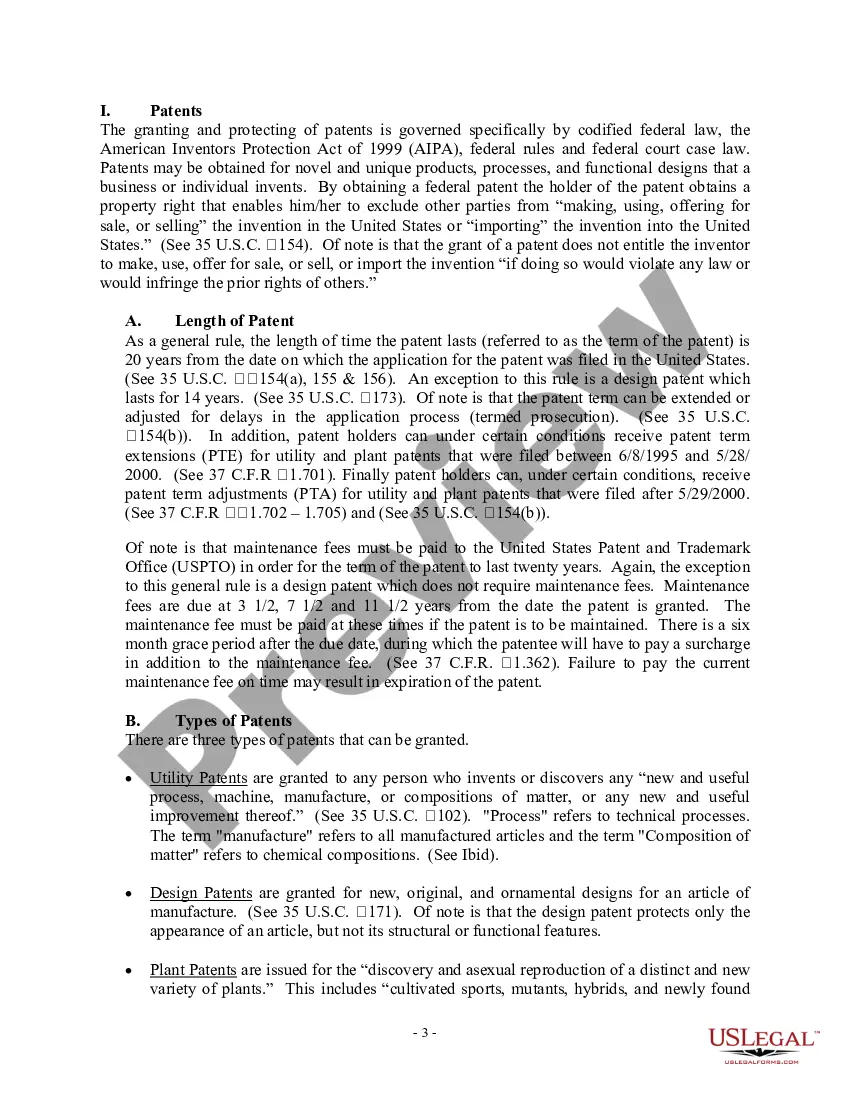


Get your form ready online
Our built-in tools help you complete, sign, share, and store your documents in one place.
Make edits, fill in missing information, and update formatting in US Legal Forms—just like you would in MS Word.
Download a copy, print it, send it by email, or mail it via USPS—whatever works best for your next step.
Sign and collect signatures with our SignNow integration. Send to multiple recipients, set reminders, and more. Go Premium to unlock E-Sign.
If this form requires notarization, complete it online through a secure video call—no need to meet a notary in person or wait for an appointment.
We protect your documents and personal data by following strict security and privacy standards.

Make edits, fill in missing information, and update formatting in US Legal Forms—just like you would in MS Word.

Download a copy, print it, send it by email, or mail it via USPS—whatever works best for your next step.

Sign and collect signatures with our SignNow integration. Send to multiple recipients, set reminders, and more. Go Premium to unlock E-Sign.

If this form requires notarization, complete it online through a secure video call—no need to meet a notary in person or wait for an appointment.

We protect your documents and personal data by following strict security and privacy standards.
Looking for another form?









Form popularity
FAQ
– a description and a claim or claims; – drawings, when necessary; – an oath or declaration; and – prescribed filing, search, and examination fees. The title should be as specific as possible in describing the invention.
To properly incorporate material by reference, the incorporation by reference must be in the specification of the application, express a clear intent to incorporate by reference using the words "incorporat(e)" and "reference," and clearly identify the referenced patent, application, or publication.
A patent application often includes the following primary sections: Invention Title. The title's objective is to provide a clear understanding of the invention or idea. Prior Art: Context and Novelty. Invention Summary. Drawings and Descriptions. Detailed Description. Claims. Scope. Characteristics.
Telephone Bell's invention enabled voice communication over long distances , fundamentally changing the way people connect and interact. Bell's patented invention, titled “Improvement in telegraphy” (patent number US174465A), was granted in 1876.
General Format: Inventor1, Inventor2, et al. Title of patent. Patent number (include country code, the word “Patent”, and patent number with retained commas), date of filing (format Month Date, Year), and issued date of publication (format Month Date, Year).
A patent application often includes the following primary sections: Invention Title. The title's objective is to provide a clear understanding of the invention or idea. Prior Art: Context and Novelty. Invention Summary. Drawings and Descriptions. Detailed Description. Claims. Scope. Characteristics.
To cite a patent in APA Style, list the name of the inventor, the year it was issued (in parentheses), the title of the patent (in italics), the patent number, the name of the issuing body, and the URL if available.
Last name, first name of the professional who created the product originally. The year you pursued the patent. The name of the creation. The application number, filed The exact date you submitted the application.
Format of a Patent Application The Specification. The Title. The Description. The Claims. The Drawings. The Abstract. Sample Specifications. Minimum Requirements for a Filing Date.
Format of a Patent Application The Specification. The Title. The Description. The Claims. The Drawings. The Abstract. Sample Specifications. Minimum Requirements for a Filing Date.
