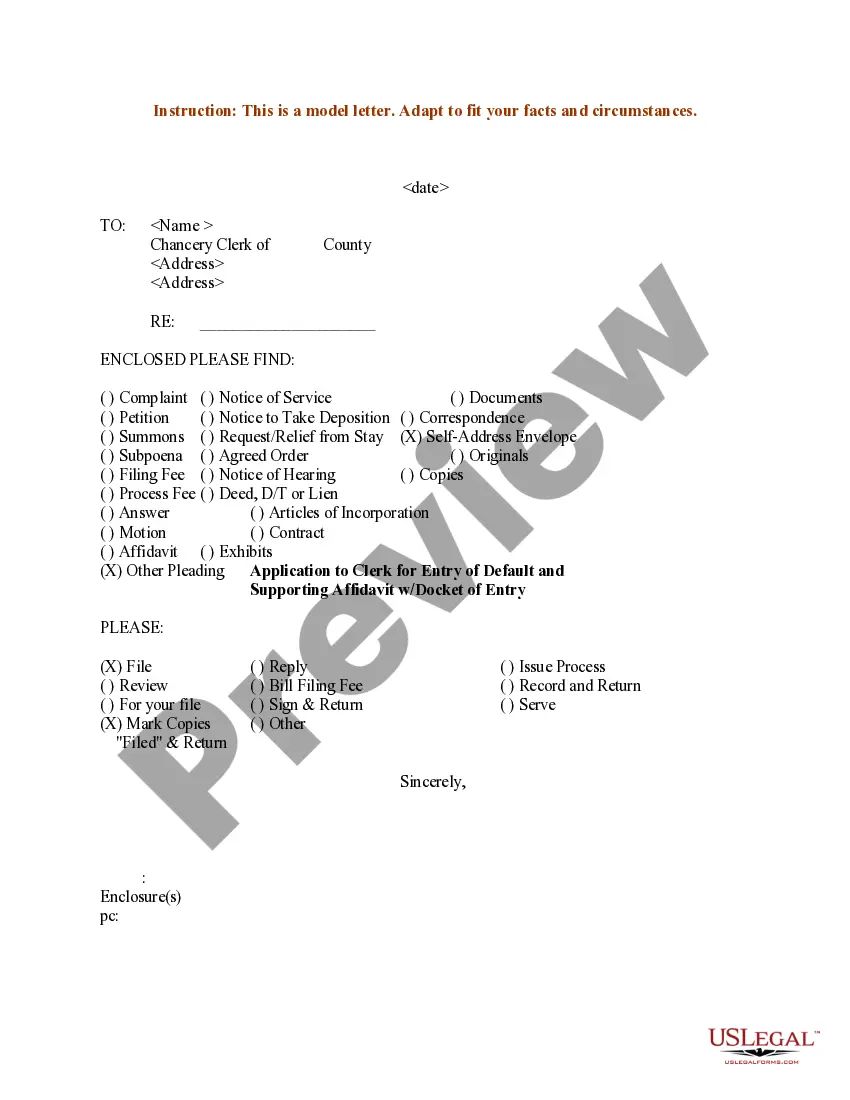
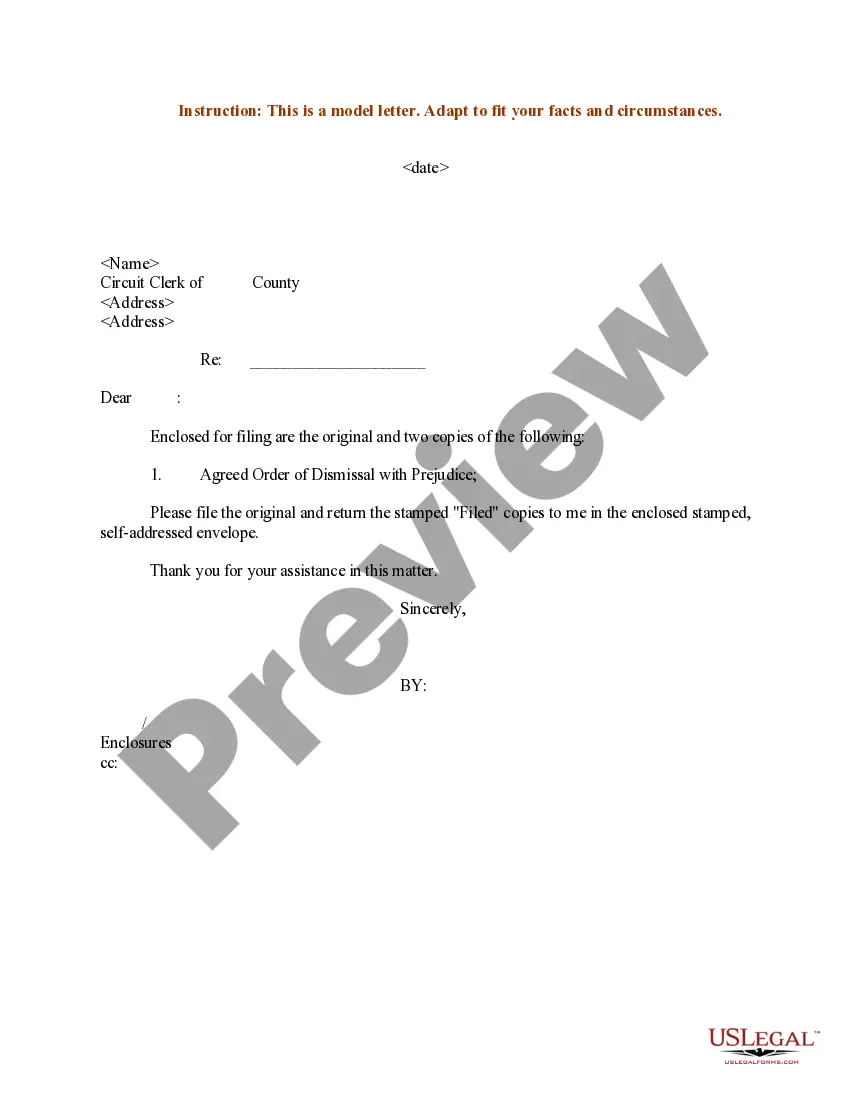
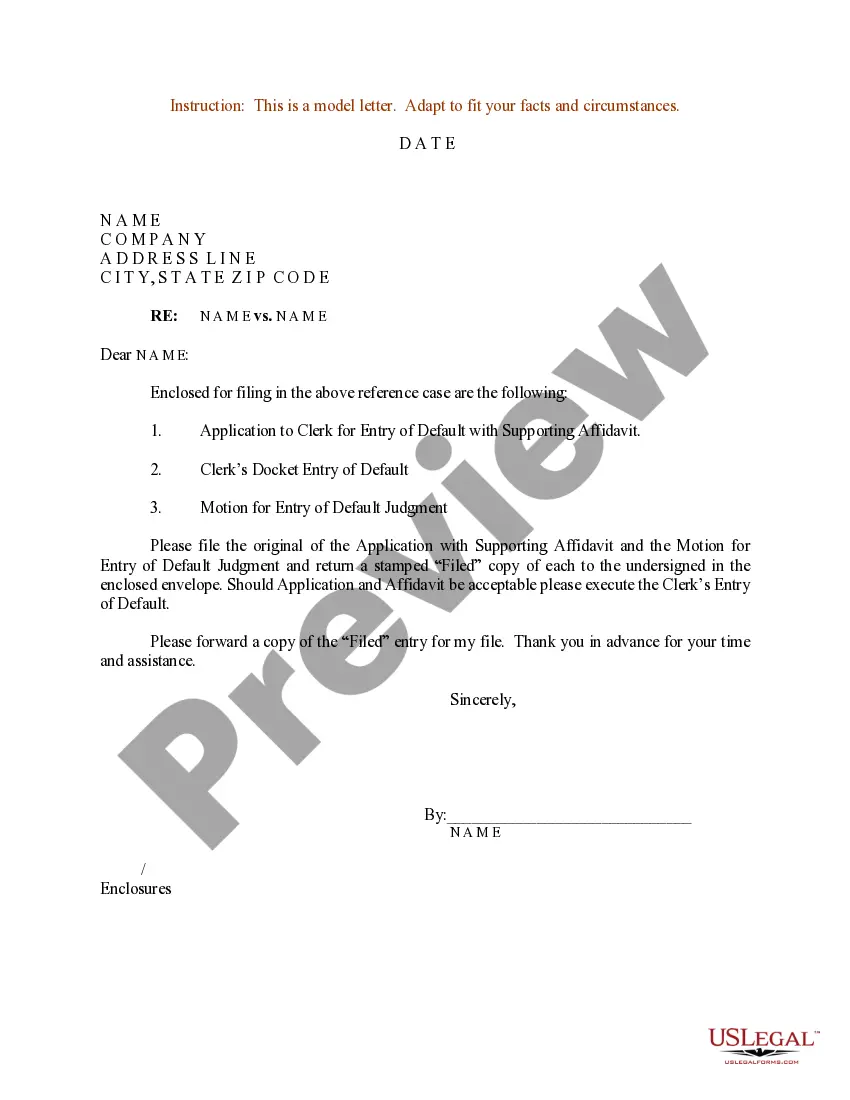
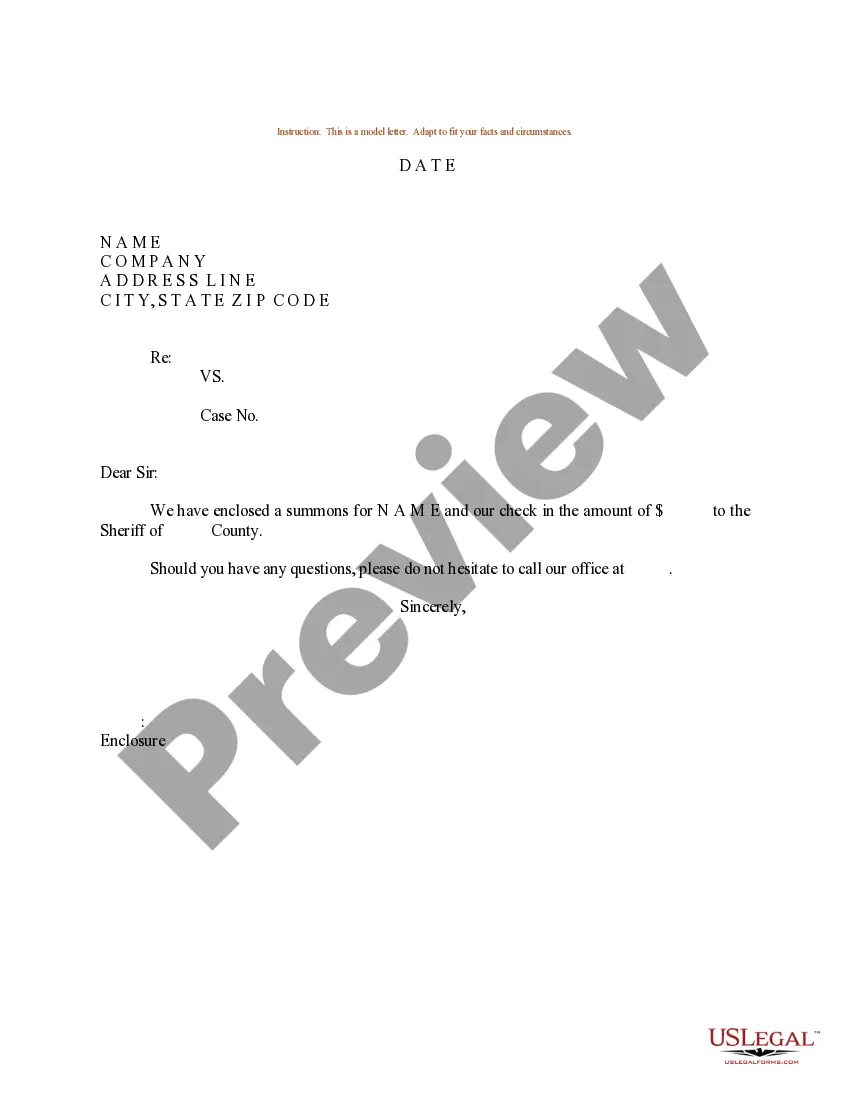
Examples Of Pleadings In Collin
Description
Get your form ready online
Our built-in tools help you complete, sign, share, and store your documents in one place.
Make edits, fill in missing information, and update formatting in US Legal Forms—just like you would in MS Word.
Download a copy, print it, send it by email, or mail it via USPS—whatever works best for your next step.
Sign and collect signatures with our SignNow integration. Send to multiple recipients, set reminders, and more. Go Premium to unlock E-Sign.
If this form requires notarization, complete it online through a secure video call—no need to meet a notary in person or wait for an appointment.
We protect your documents and personal data by following strict security and privacy standards.

Make edits, fill in missing information, and update formatting in US Legal Forms—just like you would in MS Word.

Download a copy, print it, send it by email, or mail it via USPS—whatever works best for your next step.

Sign and collect signatures with our SignNow integration. Send to multiple recipients, set reminders, and more. Go Premium to unlock E-Sign.

If this form requires notarization, complete it online through a secure video call—no need to meet a notary in person or wait for an appointment.

We protect your documents and personal data by following strict security and privacy standards.
Looking for another form?





Form popularity
FAQ
The nation's 94 district or trial courts are called U.S. district courts. District courts resolve disputes by determining the facts and applying the law to those facts.
The geographical area served by each court is established by the Legislature, but each county must be served by at least one district court. In sparsely populated areas of the State, several counties may be served by a single district court, while an urban county may be served by many district courts.
The Due Order of Pleading rule provides that certain defenses are waived if not presented in "due order." As a general rule, the defendant's answer may include any defenses he has, whether of law or fact, dilatory or merits-based, 2 and the trial court may take up these issues in any order it directs.
Dallas County, Texas contains the following: 32 judicial districts. 3 probate courts.
Collin County, Texas contains 13 judicial districts, one Probate Court, one county court, and six County Courts at Law. The United States District Court for the Eastern District of Texas has jurisdiction in Collin County. Appeals from the Eastern District go to the United States Court of Appeals for the 5th Circuit.
Collin County, Texas contains 13 judicial districts, one Probate Court, one county court, and six County Courts at Law.