Examples Of Pleadings In Arizona
Description
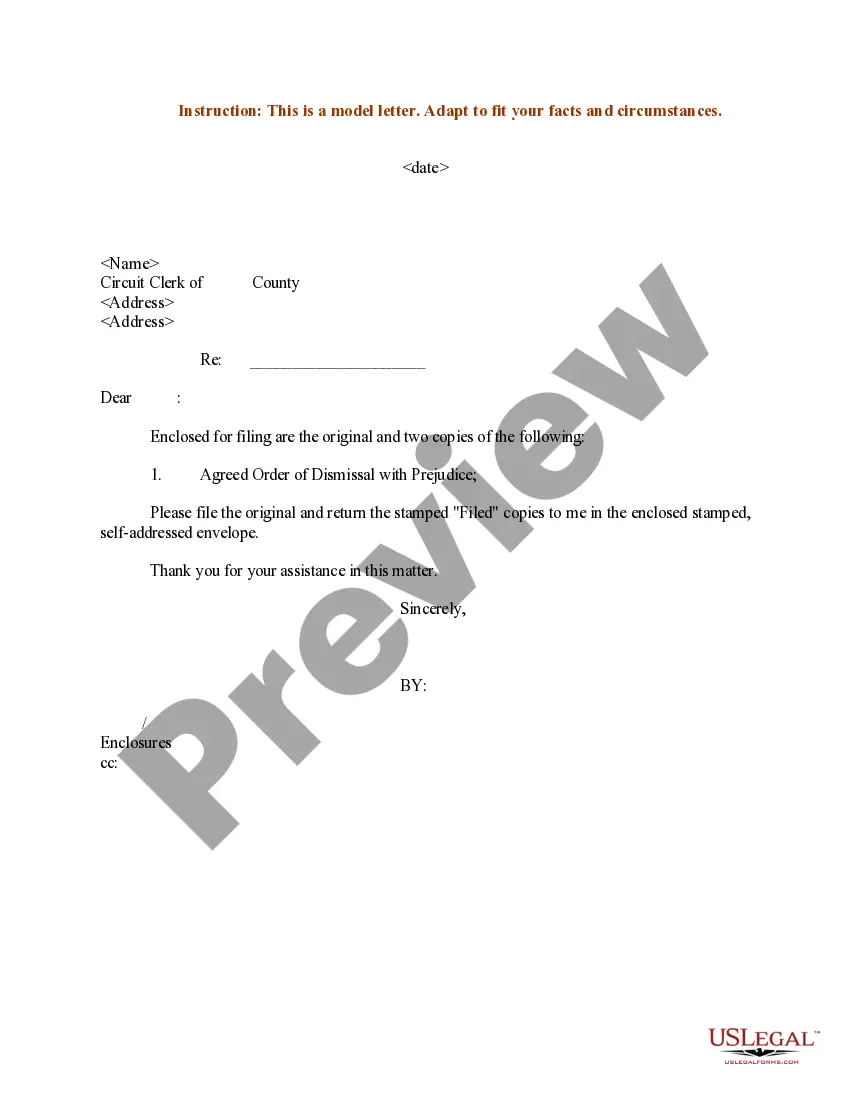
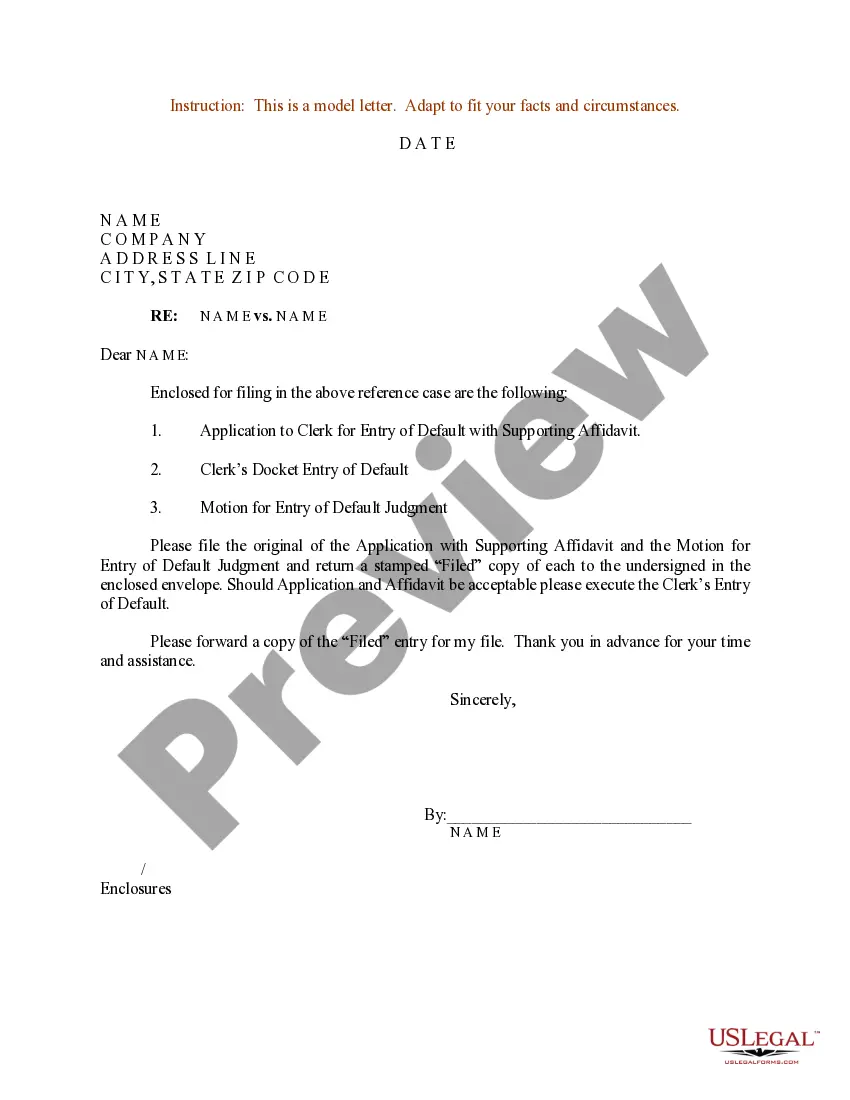
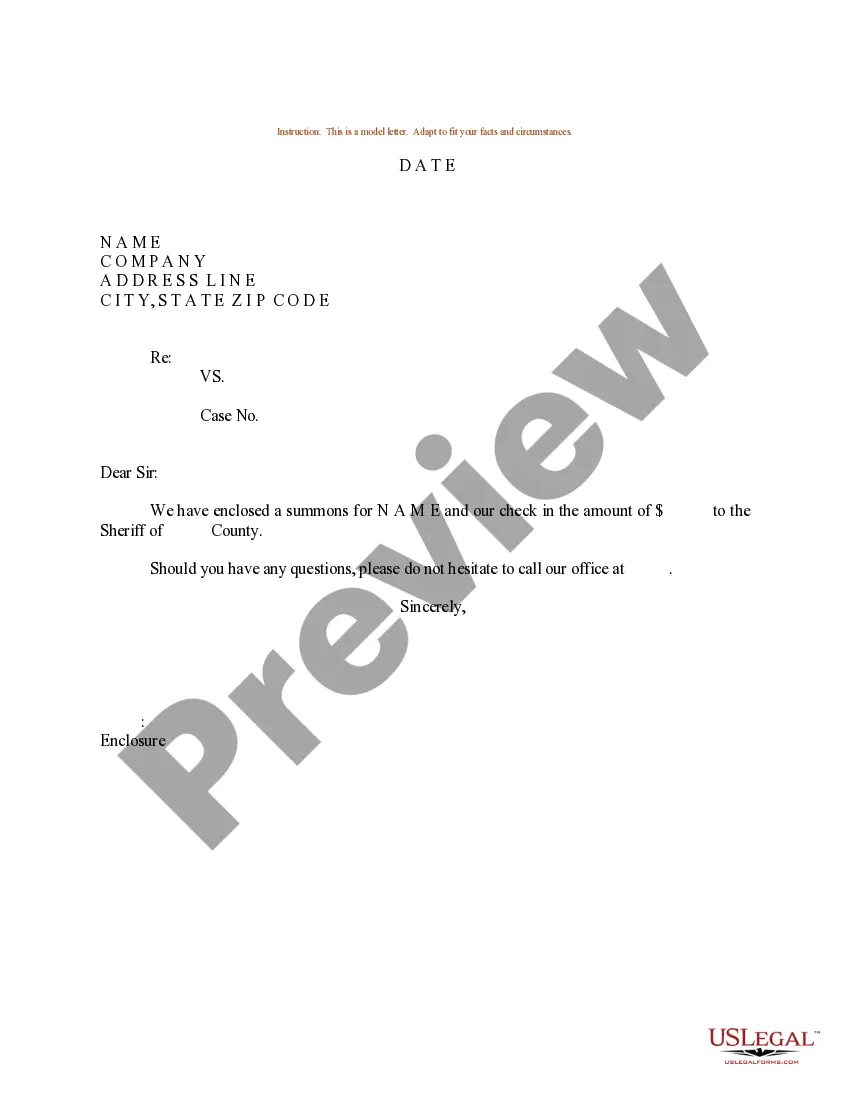
Get your form ready online
Our built-in tools help you complete, sign, share, and store your documents in one place.
Make edits, fill in missing information, and update formatting in US Legal Forms—just like you would in MS Word.
Download a copy, print it, send it by email, or mail it via USPS—whatever works best for your next step.
Sign and collect signatures with our SignNow integration. Send to multiple recipients, set reminders, and more. Go Premium to unlock E-Sign.
If this form requires notarization, complete it online through a secure video call—no need to meet a notary in person or wait for an appointment.
We protect your documents and personal data by following strict security and privacy standards.

Make edits, fill in missing information, and update formatting in US Legal Forms—just like you would in MS Word.

Download a copy, print it, send it by email, or mail it via USPS—whatever works best for your next step.

Sign and collect signatures with our SignNow integration. Send to multiple recipients, set reminders, and more. Go Premium to unlock E-Sign.

If this form requires notarization, complete it online through a secure video call—no need to meet a notary in person or wait for an appointment.

We protect your documents and personal data by following strict security and privacy standards.
Looking for another form?
Form popularity
FAQ
For example, a legal pleading might involve a complaint from a homeowner that a roofer did not adequately perform a repair, resulting in a leak in the roof and damage to the home. The roofer could then file an answer to the claim, denying culpability.
In a pleading, the parties formally submit their claims and the defenses against the opposition's claims. The parties can make specific pleas , such as a guilty plea or a not guilty plea. Pleadings usually do not include evidence for and against the claims, which are presented later in the lawsuit.
There are several types of pleadings in civil litigation. These include complaints, which serve as the basis of the legal action, and answers, which are the responses to the complaints.
“Pleading” has two meanings in lawsuits. “Pleadings” is the term for the essential papers framing a lawsuit — the Complaint and the Answer or other response, and any cross-complaints or amendments to those papers.
The primary pleading standard for claims in federal court is supplied by FRCP 8, which requires “a short and plain statement of the claim showing that the pleader is entitled to relief.” See Smart Code®.
A pleading2 is a formal written statement filed with the court by a party to a civil action. Pleadings can be categorized as complaints or answers, though both have variations. A party filing a complaint is the complaining party, while the other side is the responding party.
Pleadings generally The plaintiff first submits a complaint, then the defendant submits its answer. The English common law and early American law contained highly technical pleading requirements, which frequently resulted in parties losing otherwise good cases for failing to meet the complicated requirements of form.
Answer 1. Complaint is considered a pleading because complaint is the most important pleading in a civil case. It is a document that sets forth a jurisdictional basis for the court's power, the plaintiff's cause of action highlighting the factual and…