Credit Letter Example Without Notice Period In North Carolina
Description

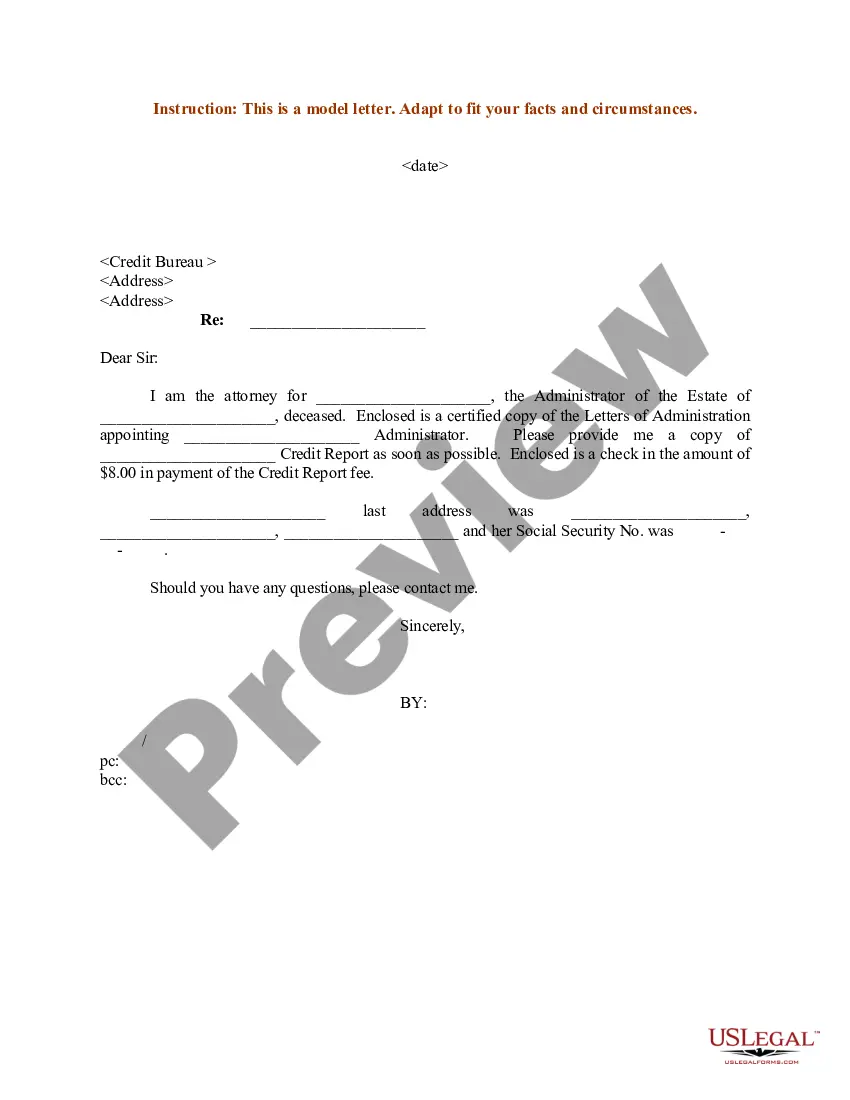
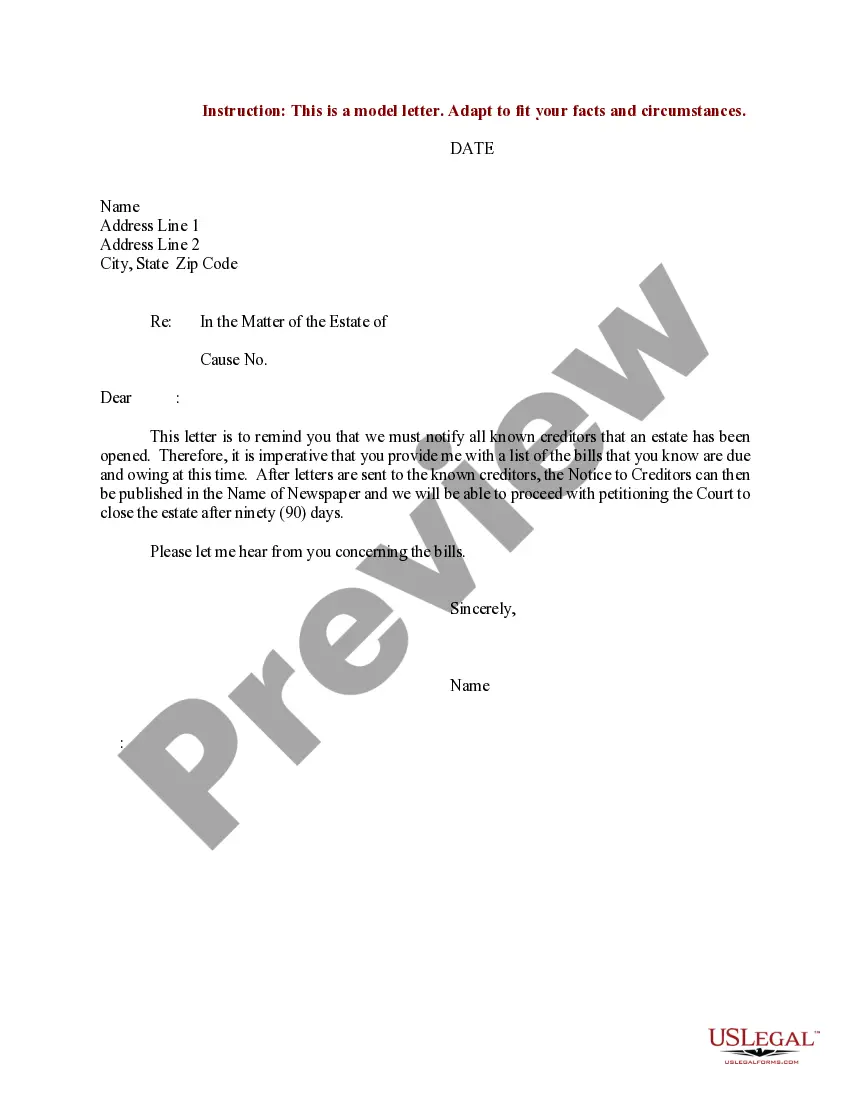
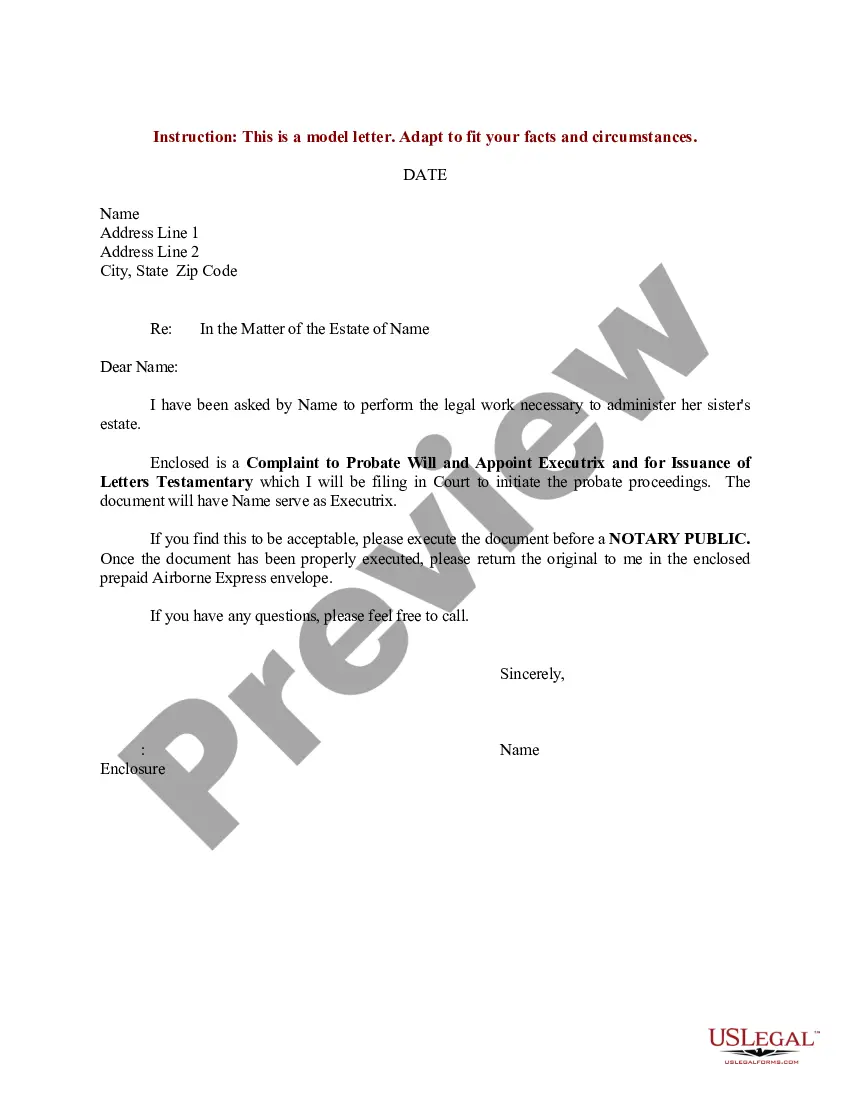
Get your form ready online
Our built-in tools help you complete, sign, share, and store your documents in one place.
Make edits, fill in missing information, and update formatting in US Legal Forms—just like you would in MS Word.
Download a copy, print it, send it by email, or mail it via USPS—whatever works best for your next step.
Sign and collect signatures with our SignNow integration. Send to multiple recipients, set reminders, and more. Go Premium to unlock E-Sign.
If this form requires notarization, complete it online through a secure video call—no need to meet a notary in person or wait for an appointment.
We protect your documents and personal data by following strict security and privacy standards.

Make edits, fill in missing information, and update formatting in US Legal Forms—just like you would in MS Word.

Download a copy, print it, send it by email, or mail it via USPS—whatever works best for your next step.

Sign and collect signatures with our SignNow integration. Send to multiple recipients, set reminders, and more. Go Premium to unlock E-Sign.

If this form requires notarization, complete it online through a secure video call—no need to meet a notary in person or wait for an appointment.

We protect your documents and personal data by following strict security and privacy standards.
Looking for another form?








Form popularity
FAQ
North Carolina law requires the Executor to publish a Notice to Creditors in order to settle all creditor claims prior to settling the estate. This is meant to put all unknown creditors on notice of the death and their right to make a claim against the estate for any debt that may have been owed by the decedent.
How to Write a Hardship Letter Explain Your Hardship. Provide Documentation to Back Up Your Claim. List Steps You've Taken to Alleviate Your Financial Burden. Clearly State Your Request. State Your Commitment to Paying Your Debt.
Tips for writing a letter of explanation Provide all details the best you can, including correct dates and dollar amounts. Explain how and when all situations were resolved. If they are not resolved, explain that as well. Detail why problems won't happen again.
How to Write a Letter of Credit Prepare the letter of credit documents, including the credit application, bank instructions, and the credit agreement. Make sure all documents are signed, dated, and include all necessary information. Submit documents to the issuing bank. Confirm that the bank has accepted the documents.
A financial hardship is an unplanned, unforeseen financial expense that is beyond the employee's means to manage. It is a life changing event that alters the course of someone's day-to-day and is not solely due to loss of employment.
Quickly state the fact of the matter and proceed. Briefly explain the circumstance: Keep your letter as concise as possible. After you state the problem, provide a short explanation of the circumstances around your issue.
An unconfirmed letter of credit is one which has not been guaranteed or confirmed by any bank other than the bank that opened it. The advising bank forwards the letter of credit to the beneficiary without responsibility or undertaking on its part but confirming authenticity.
