Credit Letter Example For Job Application In Miami-Dade
Description


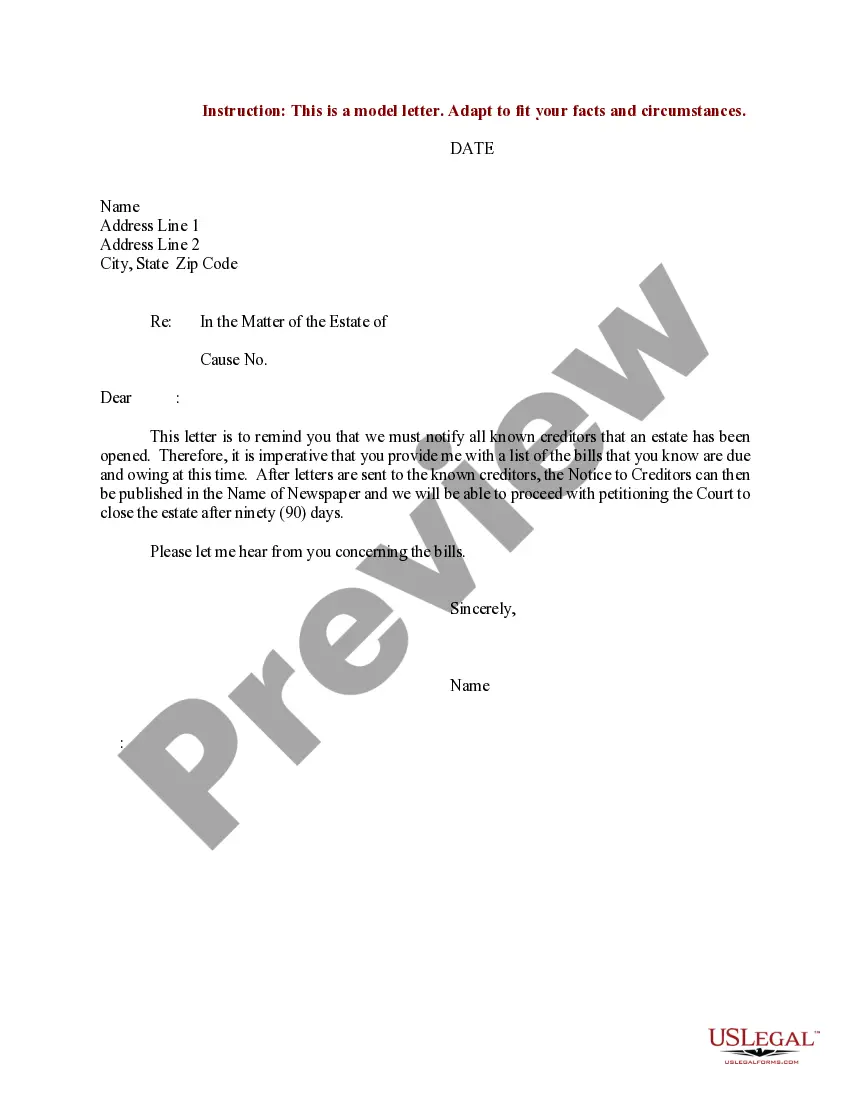
Get your form ready online
Our built-in tools help you complete, sign, share, and store your documents in one place.
Make edits, fill in missing information, and update formatting in US Legal Forms—just like you would in MS Word.
Download a copy, print it, send it by email, or mail it via USPS—whatever works best for your next step.
Sign and collect signatures with our SignNow integration. Send to multiple recipients, set reminders, and more. Go Premium to unlock E-Sign.
If this form requires notarization, complete it online through a secure video call—no need to meet a notary in person or wait for an appointment.
We protect your documents and personal data by following strict security and privacy standards.

Make edits, fill in missing information, and update formatting in US Legal Forms—just like you would in MS Word.

Download a copy, print it, send it by email, or mail it via USPS—whatever works best for your next step.

Sign and collect signatures with our SignNow integration. Send to multiple recipients, set reminders, and more. Go Premium to unlock E-Sign.

If this form requires notarization, complete it online through a secure video call—no need to meet a notary in person or wait for an appointment.

We protect your documents and personal data by following strict security and privacy standards.
Looking for another form?






Form popularity
FAQ
The role of an interview is to learn more about a candidate, ask them questions to validate claims on their resume, and to establish a genuine fit for the position. Red flags, by definition, help interviewers pinpoint specific problem areas that might indicate that the candidate is not the best fit for the job.
First, let's take a look at what this question is actually asking. Why the numbers 30, 60 and 90? These numbers correspond to standard cut-offs for your first three months on the job—30 days, 60 days or 90 days. Interviewers ask this question for a number of reasons.
Finding a job in Miami is neither easy nor terribly hard. The job market is not nearly as competitive as what you will find in Los Angeles or New York, but Miami is still a popular relocation destination and thus good jobs are coveted.
What was my level of education? Why are you suitable for this position? What would contribute to the program? How would you communicate with the calls who want to know about the program?
The five C's that employers want a candidate to demonstrate are: Capability, and evidence of it, to perform the absolute must deliver tasks; Confidence in their own ability; Concern for others and the organisation; Command and the desire to increase this; and Communication ability at all levels.
How long does it take to get hired at Miami Dade County? The hiring process at Miami Dade County takes an average of 55.51 days when considering 69 user submitted interviews across all job titles.
How much of an employee's wages can be garnished? 25% of disposable earnings -or- The amount by which disposable earnings are 30 times greater than the federal minimum wage.
You can normally stop wage garnishments as well as other collection actions if you declare bankruptcy. There are some exceptions depending on the nature of the debt. Exceptions may include child and spousal support, federal student loans and taxes. Bankruptcy can also stop garnishments from affecting your bank account.
Your wages cannot be garnished if your disposable earnings (income minus any required withholdings) are $750 a week or less. That's up to $39,000 per year after deductions. Under federal law, 15 U.S.C. 1673, garnishments may not exceed 25% of a debtor's disposable income in most cases.

