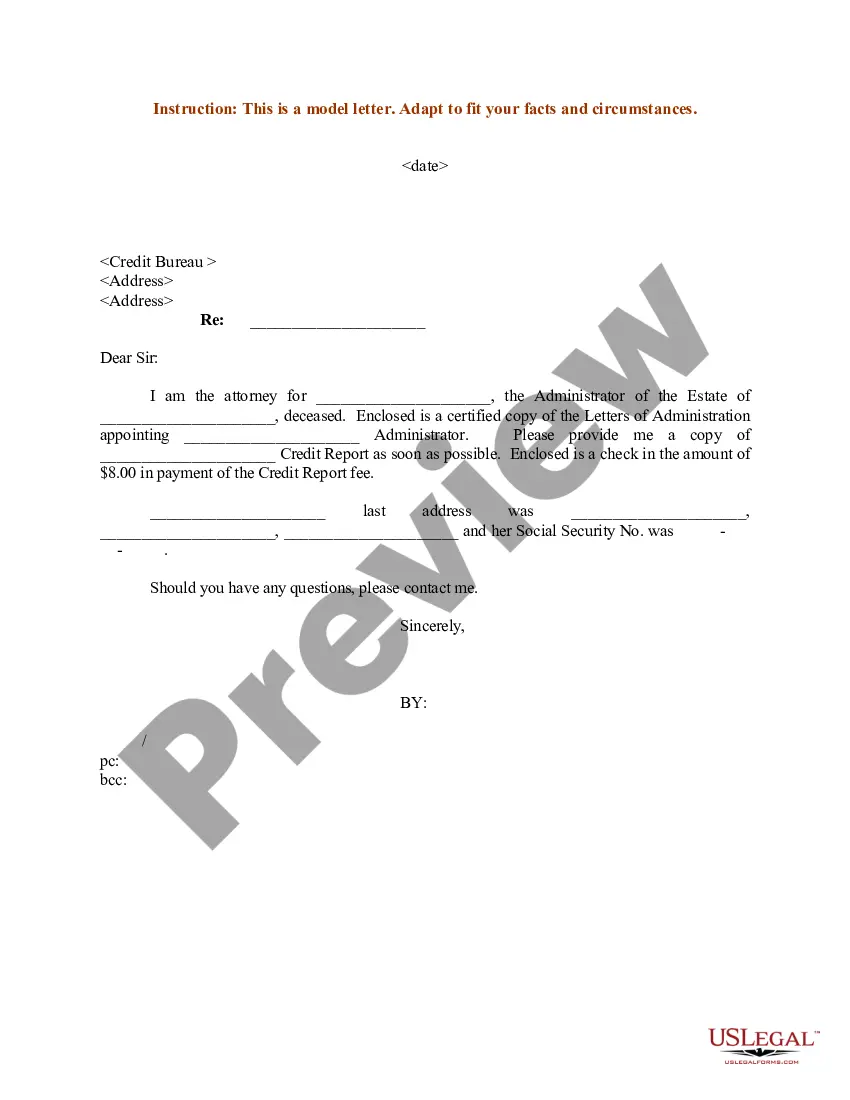
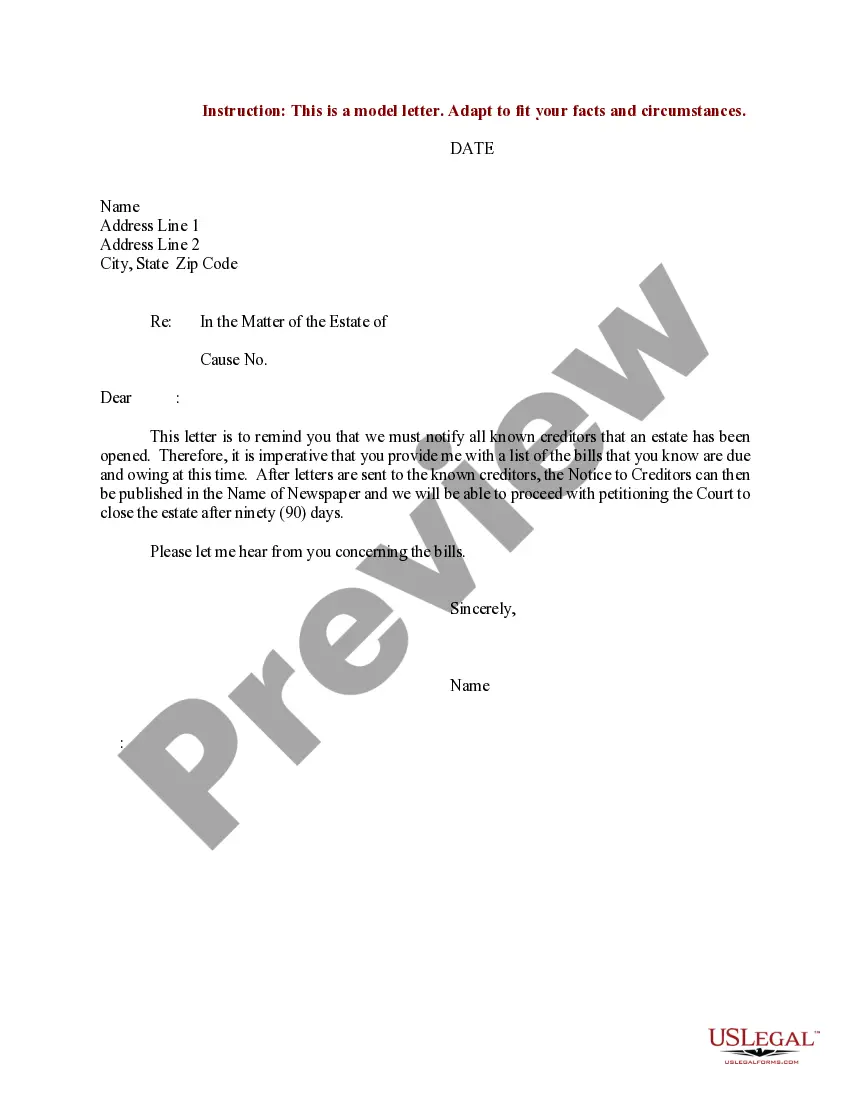
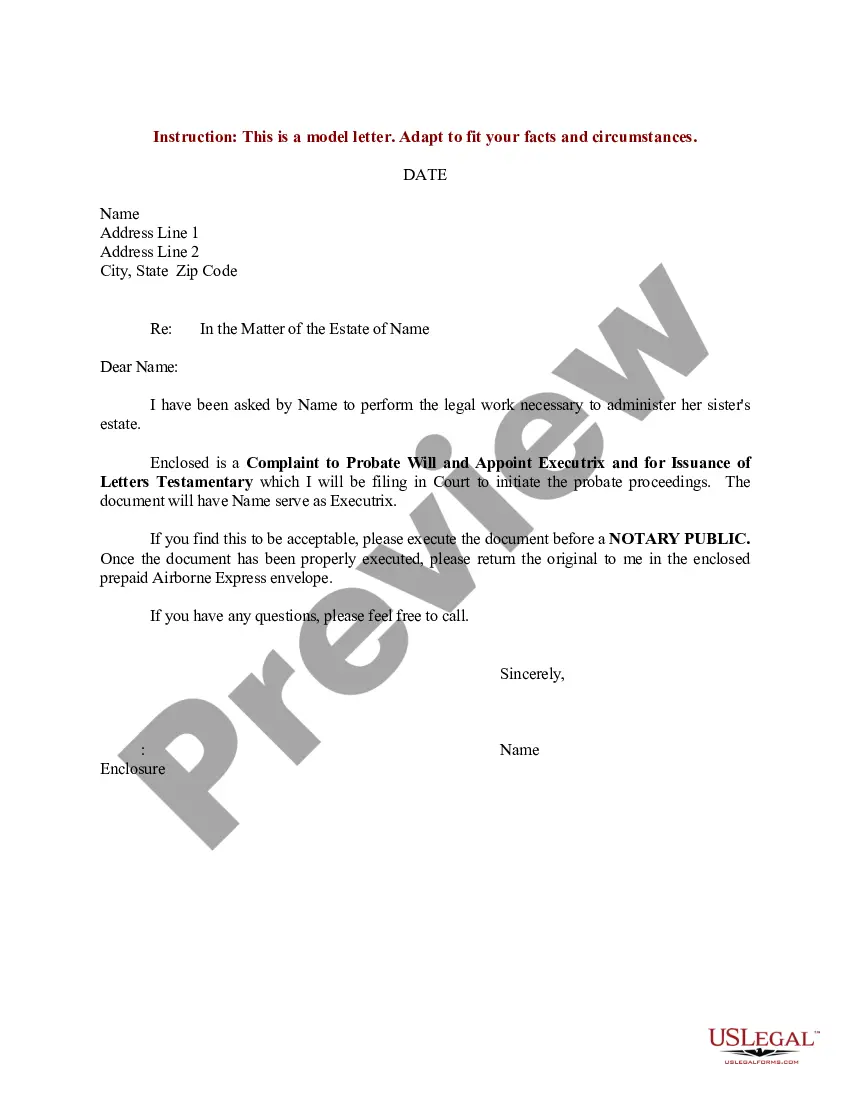
Sample Letter Credit Template With Interest In Harris
Description

Get your form ready online
Our built-in tools help you complete, sign, share, and store your documents in one place.
Make edits, fill in missing information, and update formatting in US Legal Forms—just like you would in MS Word.
Download a copy, print it, send it by email, or mail it via USPS—whatever works best for your next step.
Sign and collect signatures with our SignNow integration. Send to multiple recipients, set reminders, and more. Go Premium to unlock E-Sign.
If this form requires notarization, complete it online through a secure video call—no need to meet a notary in person or wait for an appointment.
We protect your documents and personal data by following strict security and privacy standards.

Make edits, fill in missing information, and update formatting in US Legal Forms—just like you would in MS Word.

Download a copy, print it, send it by email, or mail it via USPS—whatever works best for your next step.

Sign and collect signatures with our SignNow integration. Send to multiple recipients, set reminders, and more. Go Premium to unlock E-Sign.

If this form requires notarization, complete it online through a secure video call—no need to meet a notary in person or wait for an appointment.

We protect your documents and personal data by following strict security and privacy standards.
Looking for another form?







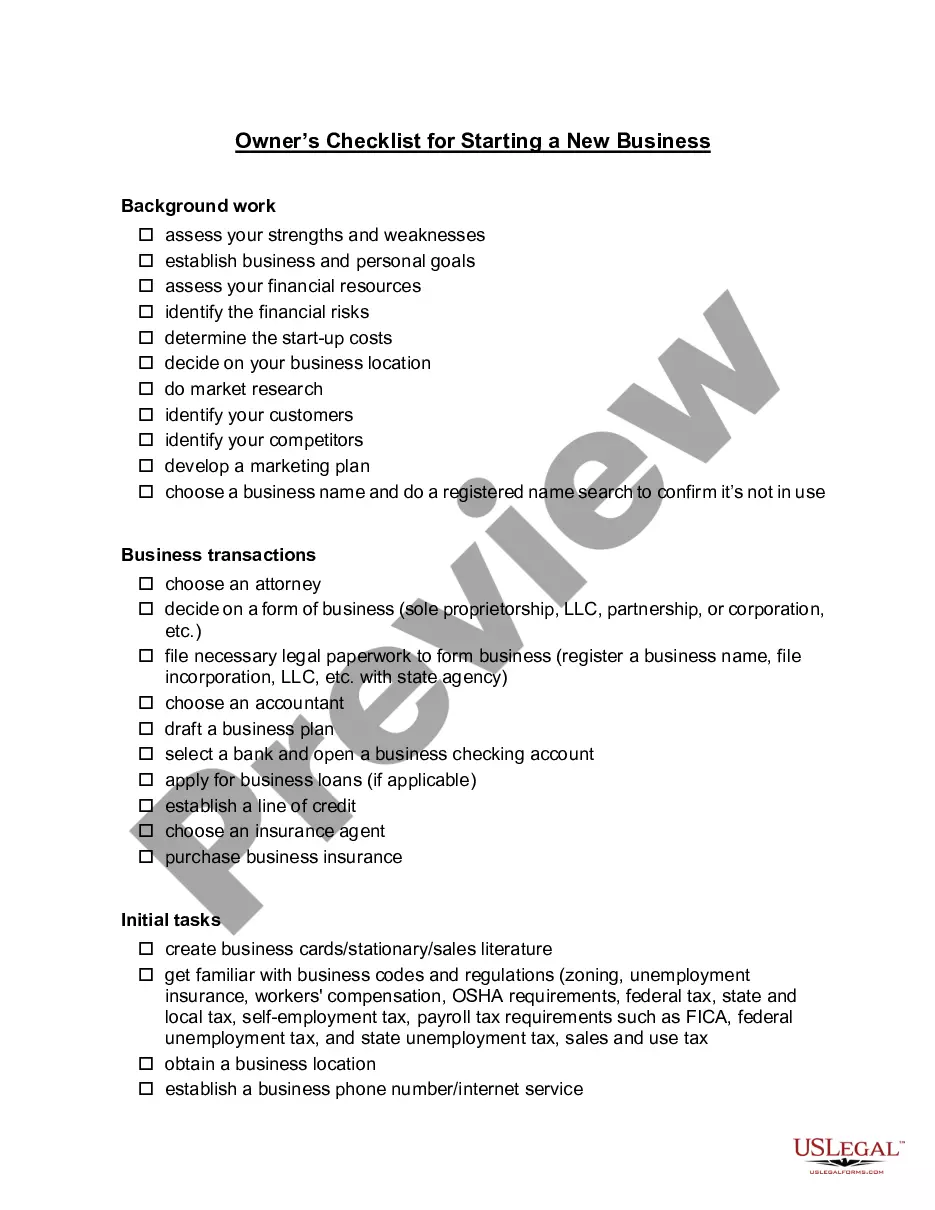


Form popularity
FAQ
Ans. The bank's interest rate for a letter of credit shall vary from case to case and depends on business volume, nature of the business, buyer's relationship with the bank and financial stability, country of trade, type of goods, etc.
Your letter should identify each item you dispute, state the facts, explain why you dispute the information, and ask that the business that supplied the information take action to have it removed or corrected. You may want to enclose a copy of your report with the item(s) in question circled.
2) What is the 609 loophole? The “609 loophole” is a misconception. Section 609 of the Fair Credit Reporting Act (FCRA) allows consumers to request their credit file information. It does not guarantee the removal of negative items but requires credit bureaus to verify the accuracy of disputed information.
Most debt settlement letters include: The date, name, and address of the credit card company. A notation after the address that this is regarding a hardship letter. The credit card number and amount of the debt. A short statement of your financial situation, why you're in that situation, and why full payment is a hardship.
How to Write a Letter of Credit Prepare the letter of credit documents, including the credit application, bank instructions, and the credit agreement. Make sure all documents are signed, dated, and include all necessary information. Submit documents to the issuing bank. Confirm that the bank has accepted the documents.
Your letter should identify each item you dispute, state the facts, explain why you dispute the information, and ask that the business that supplied the information take action to have it removed or corrected. You may want to enclose a copy of your report with the item(s) in question circled.
If you discover errors on your credit report, gather any supporting documents and include them with a letter disputing the error. Then send it to: The credit reporting agency whose report you are disputing. The company that provided the incorrect information.
Unfortunately, my circumstances are unlikely to improve in the foreseeable future and I have no assets to sell to help clear my debt. I am therefore asking you to consider writing off my debt as I can see no way of ever repaying it. If you are unable to agree to this, please explain your reasons.
What things should be included in the Full and Final Settlement Letter? Settlement Amount: Clearly state the finalized amount to be settled. Settlement Cheque: Provide details regarding the issuance of the settlement cheque. Resignation/Termination Date: Specify the date on which the employee resigned or was terminated.

