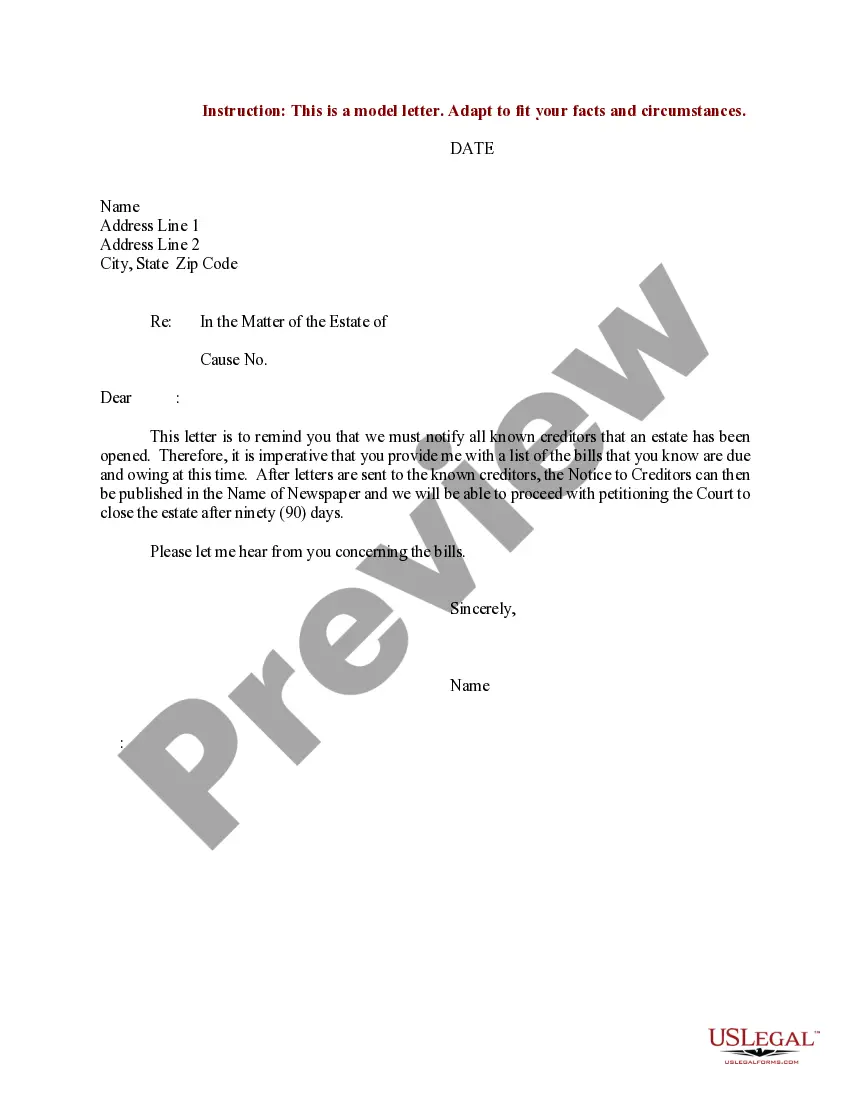
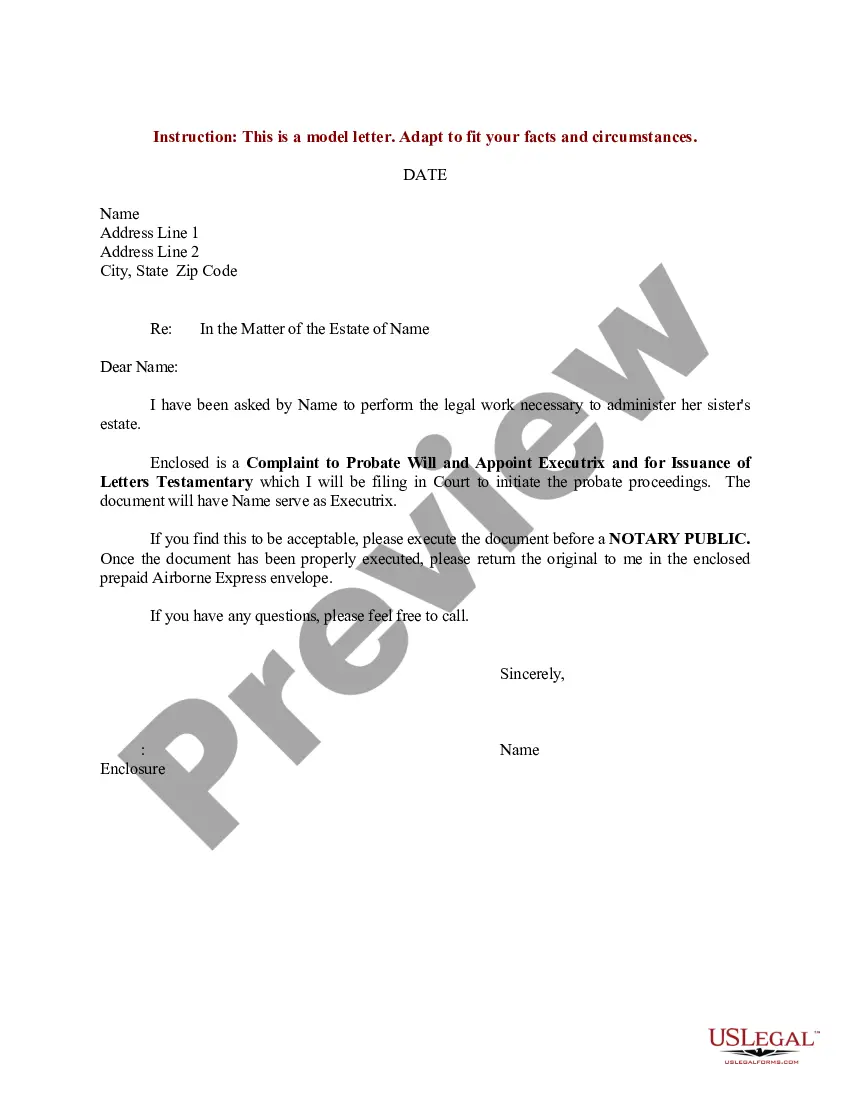
Credit Letter Example With Dear In Arizona
Description


Get your form ready online
Our built-in tools help you complete, sign, share, and store your documents in one place.
Make edits, fill in missing information, and update formatting in US Legal Forms—just like you would in MS Word.
Download a copy, print it, send it by email, or mail it via USPS—whatever works best for your next step.
Sign and collect signatures with our SignNow integration. Send to multiple recipients, set reminders, and more. Go Premium to unlock E-Sign.
If this form requires notarization, complete it online through a secure video call—no need to meet a notary in person or wait for an appointment.
We protect your documents and personal data by following strict security and privacy standards.

Make edits, fill in missing information, and update formatting in US Legal Forms—just like you would in MS Word.

Download a copy, print it, send it by email, or mail it via USPS—whatever works best for your next step.

Sign and collect signatures with our SignNow integration. Send to multiple recipients, set reminders, and more. Go Premium to unlock E-Sign.

If this form requires notarization, complete it online through a secure video call—no need to meet a notary in person or wait for an appointment.

We protect your documents and personal data by following strict security and privacy standards.
Looking for another form?



Form popularity
FAQ
Write a letter to the prospective landlord - outline what you love about the unit, why you are moving, the care that you will take in looking after the property, your job and income. Basically overcome the objections and highlight why you are still a good option for a tenant regardless of your credit history.
How to Write a Letter of Credit Prepare the letter of credit documents, including the credit application, bank instructions, and the credit agreement. Make sure all documents are signed, dated, and include all necessary information. Submit documents to the issuing bank. Confirm that the bank has accepted the documents.
The letter should include an explanation regarding the negative event, the date it happened, the name of the creditor and your account number. It should also include an explanation of why you don't see this problem happening again.
The debt may or may not be a concern, if most of it is mortgage, as there is an asset to back up the debt. But don't let them count potential future rent as income if they don't have a signed lease.
As you can see from my credit report, I made late payments on my (list where you have made late payments, such as student loans and credit cards). It was during this time I experienced financial hardship, as (explain your reasoning, such as a lay off).
Provide a clear and concise explanation of the circumstances that led to your bad credit. For example, did you lose your job or experience a significant medical expense? Providing this context can help the employer understand why your credit history looks the way it does.
How to Write a Hardship Letter Explain Your Hardship. Provide Documentation to Back Up Your Claim. List Steps You've Taken to Alleviate Your Financial Burden. Clearly State Your Request. State Your Commitment to Paying Your Debt.
Dispute letters detail the inaccurate information that consumers are disputing and why it should be edited or removed. Be sure to include your contact details, list each error, and include a clear statement explaining why you are disputing the information.
Quickly state the fact of the matter and proceed. Briefly explain the circumstance: Keep your letter as concise as possible. After you state the problem, provide a short explanation of the circumstances around your issue.
Tips for writing a letter of explanation Provide all details the best you can, including correct dates and dollar amounts. Explain how and when all situations were resolved. If they are not resolved, explain that as well. Detail why problems won't happen again.

