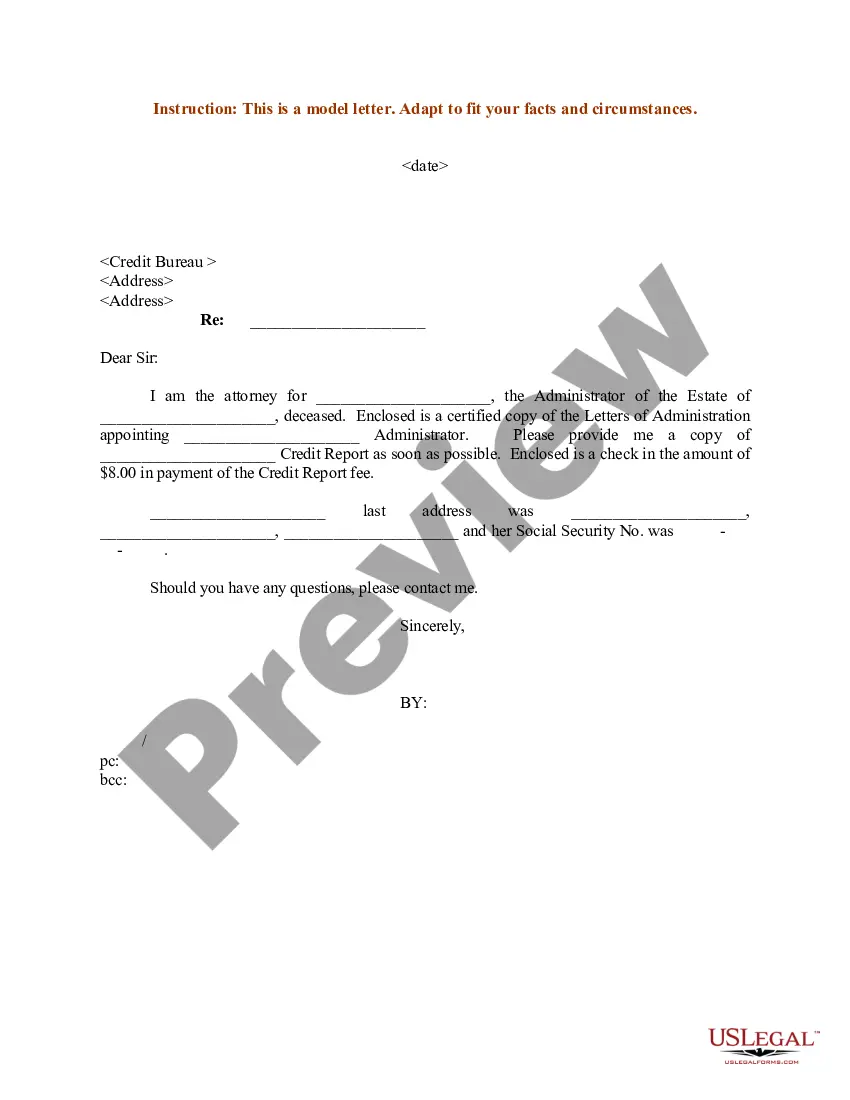
Letter Credit Attorney Without In Kings
Description


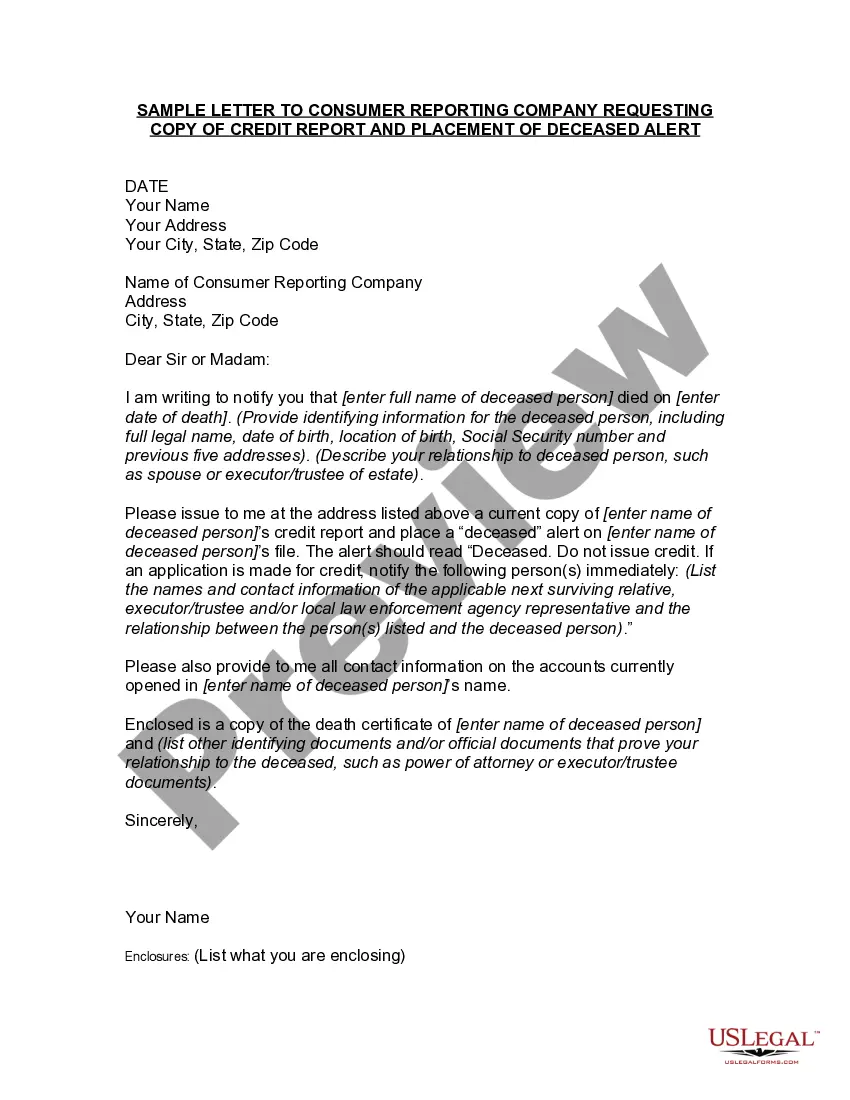
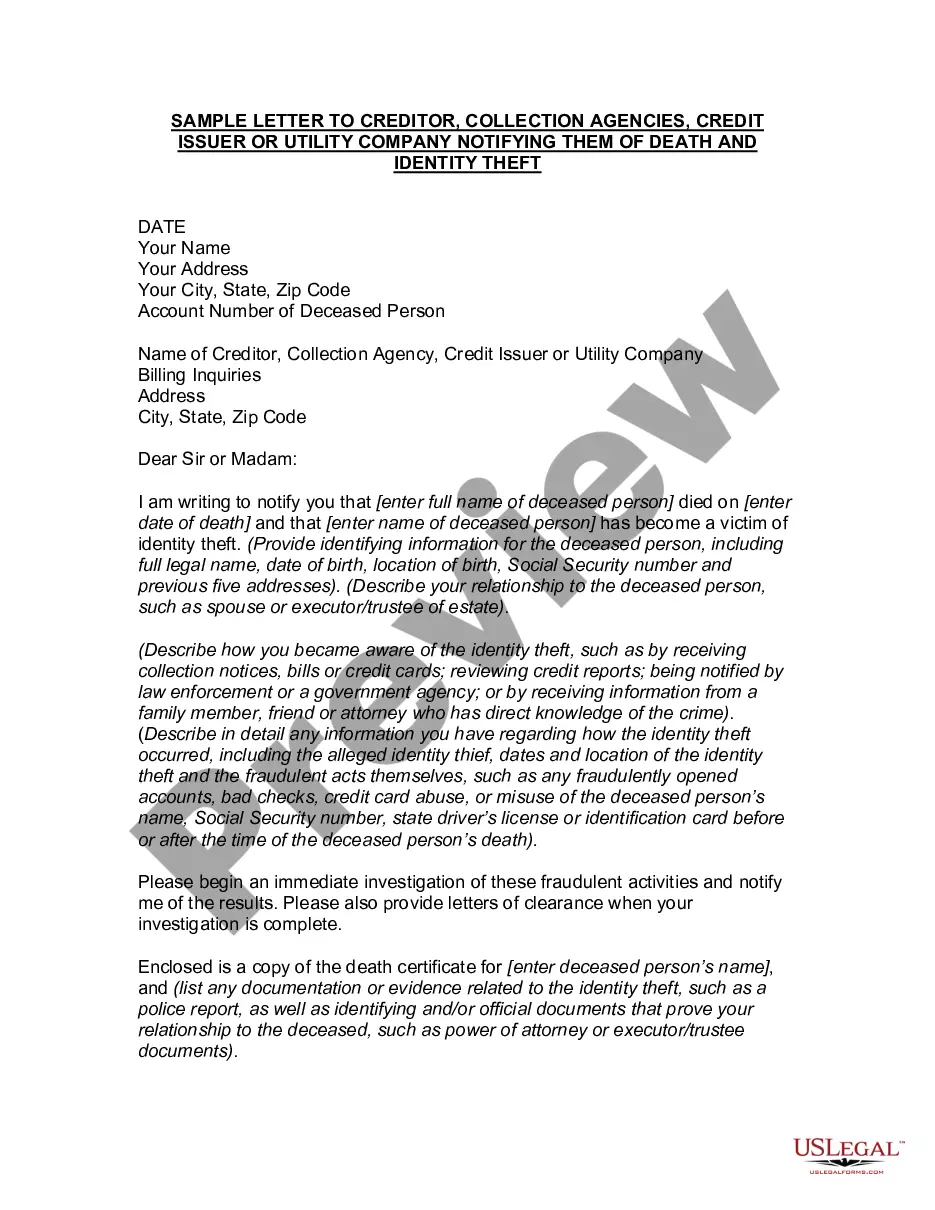
Get your form ready online
Our built-in tools help you complete, sign, share, and store your documents in one place.
Make edits, fill in missing information, and update formatting in US Legal Forms—just like you would in MS Word.
Download a copy, print it, send it by email, or mail it via USPS—whatever works best for your next step.
Sign and collect signatures with our SignNow integration. Send to multiple recipients, set reminders, and more. Go Premium to unlock E-Sign.
If this form requires notarization, complete it online through a secure video call—no need to meet a notary in person or wait for an appointment.
We protect your documents and personal data by following strict security and privacy standards.

Make edits, fill in missing information, and update formatting in US Legal Forms—just like you would in MS Word.

Download a copy, print it, send it by email, or mail it via USPS—whatever works best for your next step.

Sign and collect signatures with our SignNow integration. Send to multiple recipients, set reminders, and more. Go Premium to unlock E-Sign.

If this form requires notarization, complete it online through a secure video call—no need to meet a notary in person or wait for an appointment.

We protect your documents and personal data by following strict security and privacy standards.
Looking for another form?






Form popularity
FAQ
Defenses you can use in a debt lawsuit Defense: Running the statute of limitations. The plaintiff must file a lawsuit within a set amount of time. Breach of contract by Plaintiff. No breach by Defendant. Discharge by bankruptcy. Statute of frauds. Satisfaction. Cancelation of contract. Lack of Consideration.
The three most common civil cases are tort claims, contract breaches and landlord/tenant issues. Tort Claim - An act committed by one person that causes harm to another. Tort cases can take many different forms, and can relate to a person's personal safety, safety of their property, and financial security.
Timeline of How to File a Lawsuit Step 1: File a Complaint. Plaintiff files a complaint and summons with the local county court. Step 2: Answer Complaint. Step 3: Discovery. Step 4: Failing to Respond to Discovery. Step 5: Conclusion of Lawsuit.
Your answer should include the court name, case name, case number, and your affirmative defenses. Print three copies of your answer. File one with the clerk's office and mail (or “serve”) one to the plaintiff or plaintiff's attorney. The plaintiff is the debt collector, creditor, or law firm suing you.
You have to file a response titled ``Answer and Affirmative Defenses'' and just admit or deny the allegations of every paragraph of the complaint. File the original with the court and send a copy to the attorney for the credit card company.
You start a lawsuit by filing a complaint. In some circumstances, you file a petition or a motion. The court has several complaint forms that you may use in drafting your complaint. The forms are available online and at the Pro Se Intake Unit.
On a separate page or pages, write a short and plain statement of the answer to the allegations in the complaint. Number the paragraphs. The answer should correspond to each paragraph in the complaint, with paragraph 1 of the answer corresponding to paragraph 1 of the complaint, etc.
There is no legal requirement to respond to a demand letter, but don't brush it off – and don't make the decision to respond or not on your own. Just as drafting your own response can cause you legal trouble, so too can making the choice to respond or not without advice from legal counsel.
Hiring an attorney for debt settlement can be helpful, especially if you're dealing with large debts or complex legal matters. An attorney can negotiate with creditors, ensure agreements are legally sound, and protect you from lawsuits or unfair practices.
Settling is always better than going to court. A court-ordered judgment is SERIOUSLY life-affecting. Your wages could be garnished and the judgment will forever be on your record. You may even find the court case in various places on the internet.