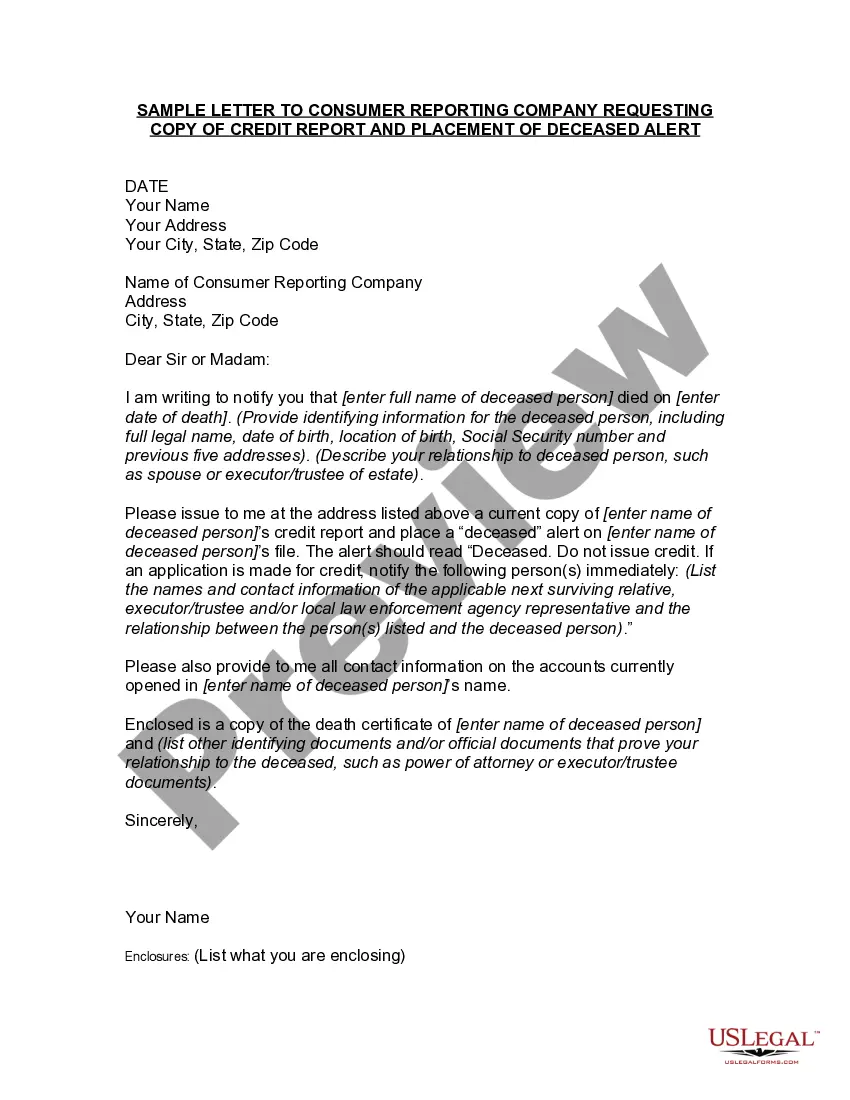
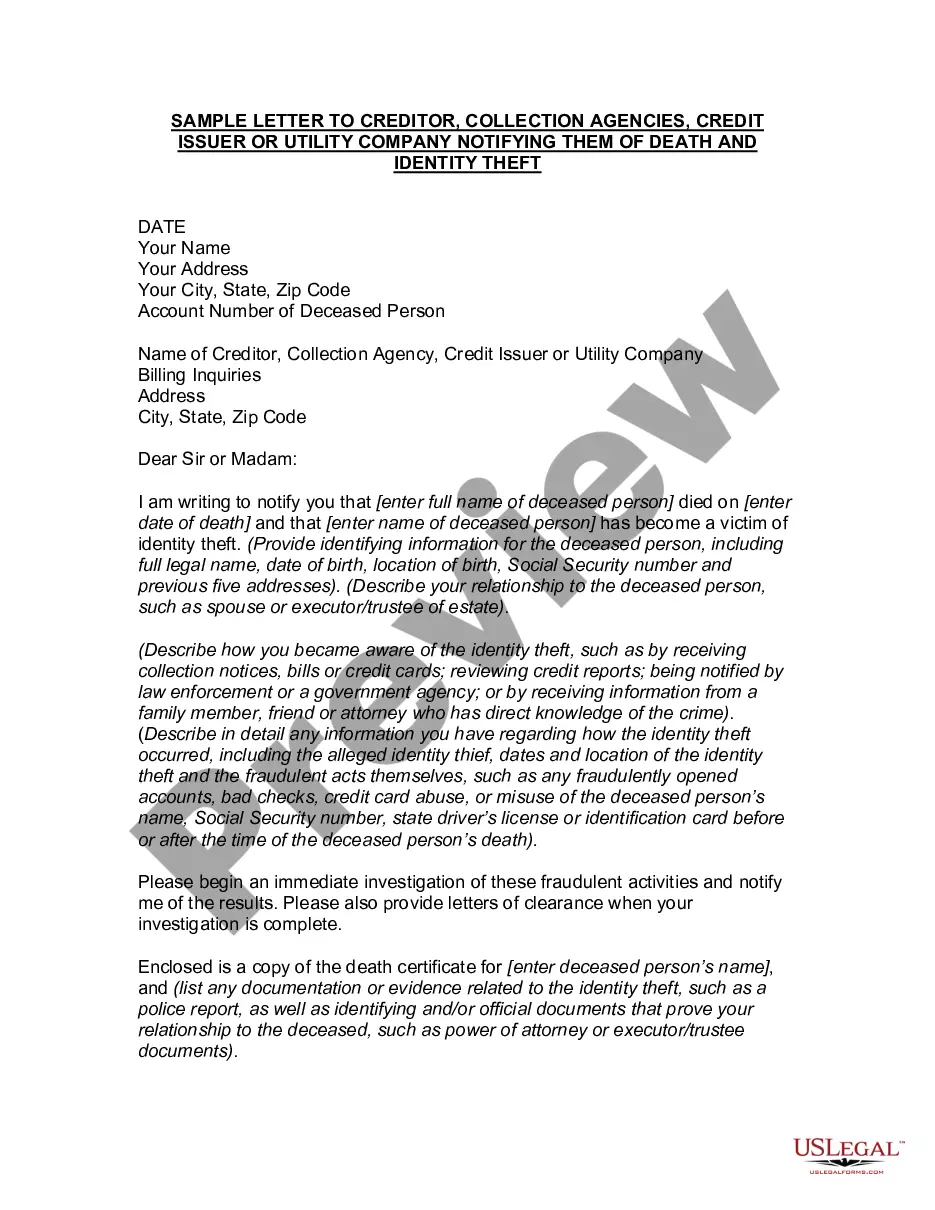
Letter Credit Attorney Formal In Harris
Description


Get your form ready online
Our built-in tools help you complete, sign, share, and store your documents in one place.
Make edits, fill in missing information, and update formatting in US Legal Forms—just like you would in MS Word.
Download a copy, print it, send it by email, or mail it via USPS—whatever works best for your next step.
Sign and collect signatures with our SignNow integration. Send to multiple recipients, set reminders, and more. Go Premium to unlock E-Sign.
If this form requires notarization, complete it online through a secure video call—no need to meet a notary in person or wait for an appointment.
We protect your documents and personal data by following strict security and privacy standards.

Make edits, fill in missing information, and update formatting in US Legal Forms—just like you would in MS Word.

Download a copy, print it, send it by email, or mail it via USPS—whatever works best for your next step.

Sign and collect signatures with our SignNow integration. Send to multiple recipients, set reminders, and more. Go Premium to unlock E-Sign.

If this form requires notarization, complete it online through a secure video call—no need to meet a notary in person or wait for an appointment.

We protect your documents and personal data by following strict security and privacy standards.
Looking for another form?
Form popularity
FAQ
Most debt settlement letters include: The date, name, and address of the credit card company. A notation after the address that this is regarding a hardship letter. The credit card number and amount of the debt. A short statement of your financial situation, why you're in that situation, and why full payment is a hardship.
Your hardship letter should include the following essential steps: Write an introduction. Detail your hardship. Highlight how you're being proactive about your financial situation. State your request. Provide assurance of financial recovery. Submit supporting documentation.
How to write a debt collection letter: Step by step guide Step 1: Use a professional format. Step 2: Write a clear subject line (if sending via email) ... Step 3: Address the recipient. Step 4: State the purpose of the letter. Step 5: Provide detailed information on the debt. Step 6: Include payment instructions.
I am therefore asking you to consider writing off my debt as I can see no way of ever repaying it. If you are unable to agree to this, please explain your reasons. Thank you for your help and I look forward to hearing from you.
“Negotiating with a collection agency can be challenging, but it is vital to reach a fair settlement,” Raymond Quisumbing, a registered financial planner at Bizreport, said. “Offering 25%-50% of the total debt as a lump sum payment may be acceptable.
It depends on what you can afford. Your full and final settlement should offer equal amounts to each creditor. For example: Your lump sum is 75% of your total debt. You should offer each creditor 75% of what you owe them.
This is a communication from a debt collector. Harris & Harris, Ltd. is a collection agency. If you have any questions or would like to talk with a live collection specialist, please call 312-251-2300.
Yes, if you have an outstanding notice tied to your name with Harris & Harris, it could impact your credit score. Any collections can stay on your credit report for up to seven years and could negatively affect your score.
Collections usually will offer you a settlement of 60% first, but if debt is sold after a few years, it could drop to 40% or less, it depends on collection agency and amount and how old debt is.
Your letter should identify each item you dispute, state the facts, explain why you dispute the information, and ask that the business that supplied the information take action to have it removed or corrected. You may want to enclose a copy of your report with the item(s) in question circled.

