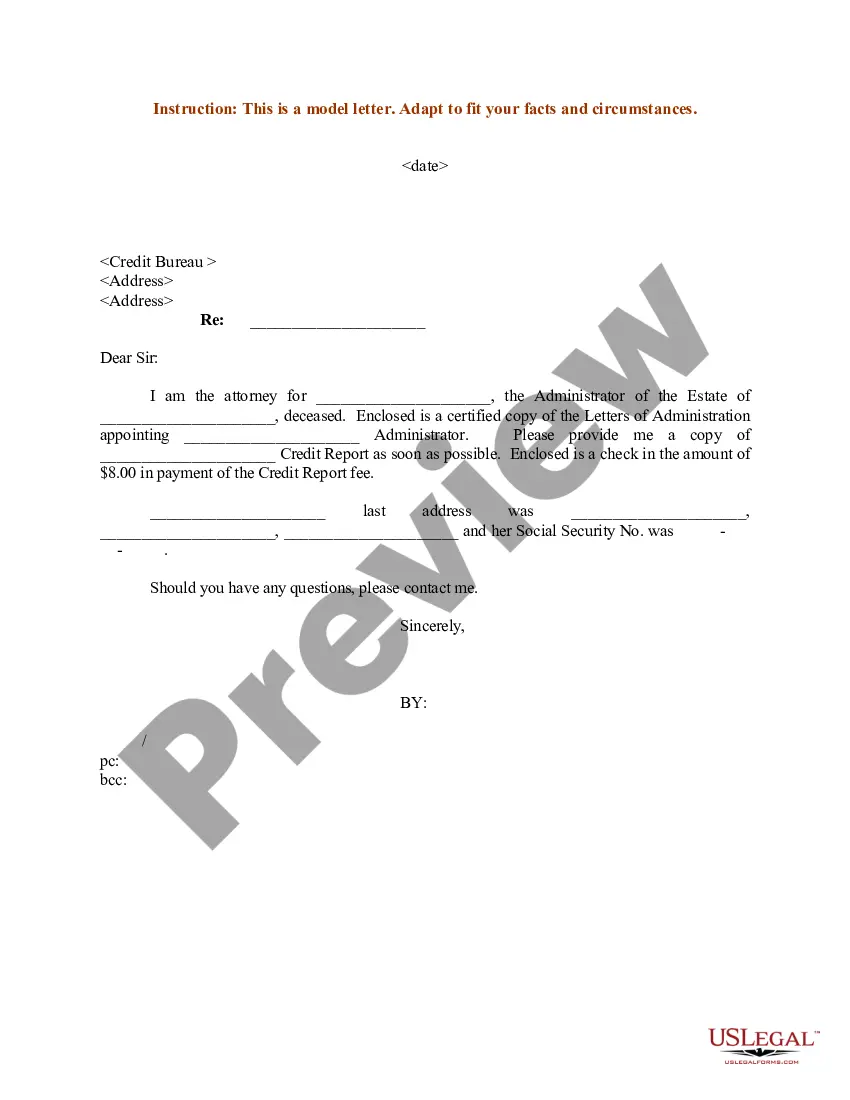
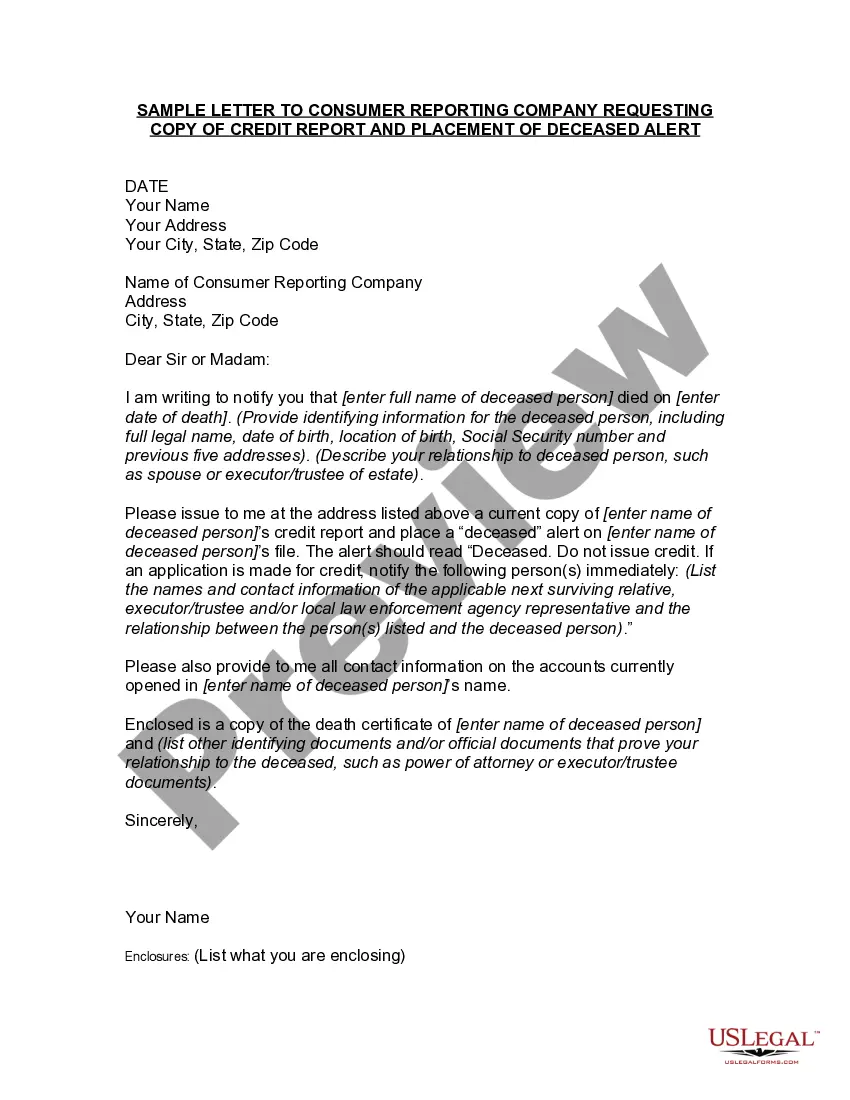
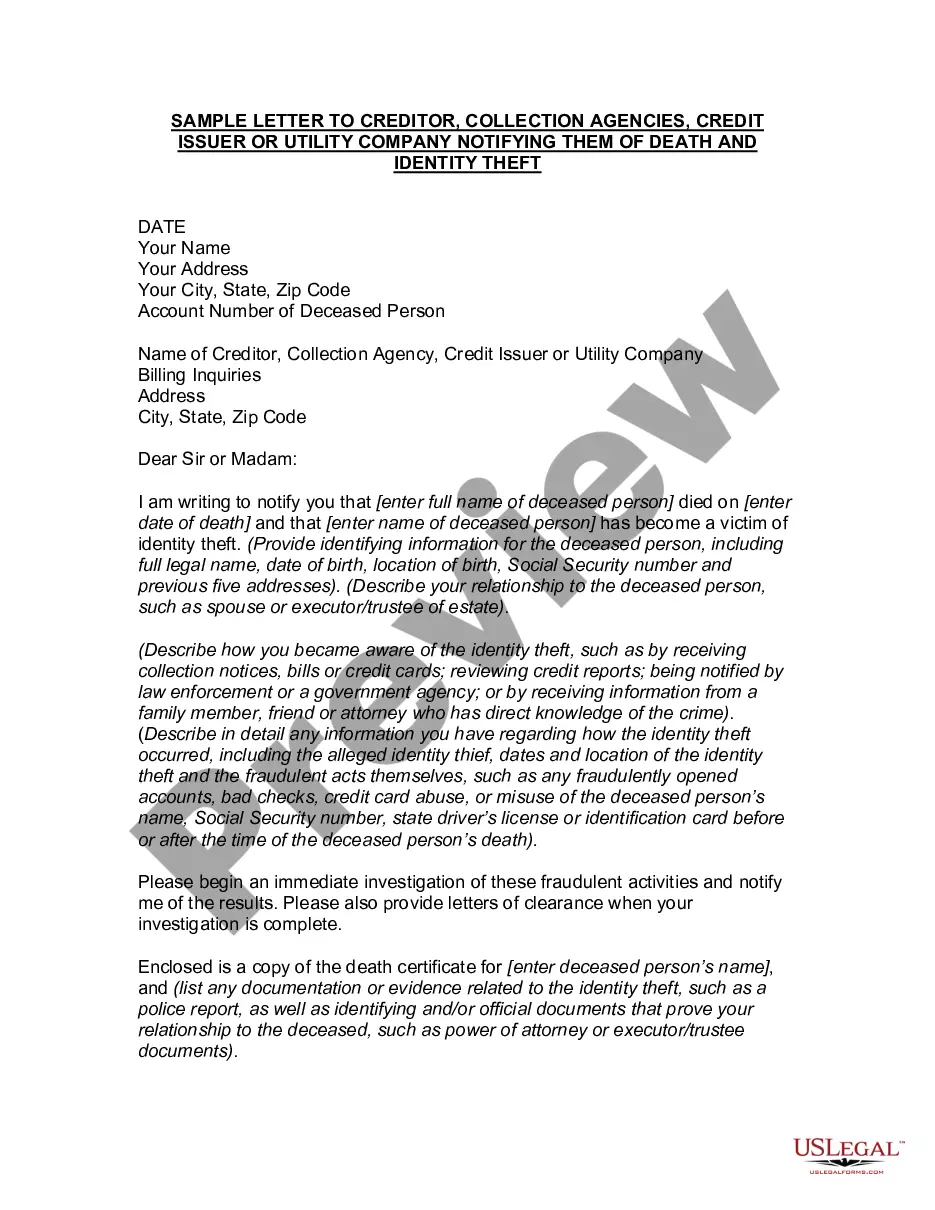
Letter Credit Attorney For District In Collin
Description


Get your form ready online
Our built-in tools help you complete, sign, share, and store your documents in one place.
Make edits, fill in missing information, and update formatting in US Legal Forms—just like you would in MS Word.
Download a copy, print it, send it by email, or mail it via USPS—whatever works best for your next step.
Sign and collect signatures with our SignNow integration. Send to multiple recipients, set reminders, and more. Go Premium to unlock E-Sign.
If this form requires notarization, complete it online through a secure video call—no need to meet a notary in person or wait for an appointment.
We protect your documents and personal data by following strict security and privacy standards.

Make edits, fill in missing information, and update formatting in US Legal Forms—just like you would in MS Word.

Download a copy, print it, send it by email, or mail it via USPS—whatever works best for your next step.

Sign and collect signatures with our SignNow integration. Send to multiple recipients, set reminders, and more. Go Premium to unlock E-Sign.

If this form requires notarization, complete it online through a secure video call—no need to meet a notary in person or wait for an appointment.

We protect your documents and personal data by following strict security and privacy standards.
Looking for another form?



Form popularity
FAQ
The district attorney or D.A is a public official. Who represents the government in criminalMoreThe district attorney or D.A is a public official. Who represents the government in criminal prosecutions. So let's dive into the reasons why you might receive a letter from them firstly.
Power of attorney forms are available from many sources. Many state government websites and financial institutions make power of attorney forms available to residents and customers. Also, hospitals often offer health care power of attorney or other health care directive forms to their patients.
A “target letter” is another type of letter that can be issued from the United State's Attorney's Office. Target letters inform the recipients that they are the target of a federal investigation, which means that the federal government intends to press civil or criminal charges against that person.
Write the inside address. The inside address includes the recipient's full name, title, and address. For example, "The Honorable Jane Doe, District Attorney for San Diego County, 330 W Broadway #1300, San Diego, CA 92101." "The Honorable" is used to refer to elected officials.
Organize your thoughts prior to writing your letter. Be brief. Explain your situation in as few words as possible, addressing the issue and the solution you would like to see. Be professional in your language and positive in your approach. Keep your tone formal and respectful.
Be respectful and maintain a courteous tone. Finally wrap up your letter with a formal closing. SuchMoreBe respectful and maintain a courteous tone. Finally wrap up your letter with a formal closing. Such as sincerely or respectfully followed by your name and signature.
Whether or not a case gets tried is entirely up to the defendant. So, no, your letter won't get the case sent over to trial A letter that you want to help get the defendant's case reduced can only help. How much it can help is another matter and up to the judge, but it won't hurt him.
State clearly that you are writing as the alleged victim in the matter and that you wish to request consideration for dismissing the charges against the defendant.In your letter, explain your perspective on what occurred. Be honest and specific about why you believe the charges should be dropped.
Formatting the Letter Decide whether to follow "full block" or "modified block" format. Write your address. Write the date. Insert your attorney's name and address. Reference your case number. Greet your attorney. Write out the body of the letter. Close the letter.