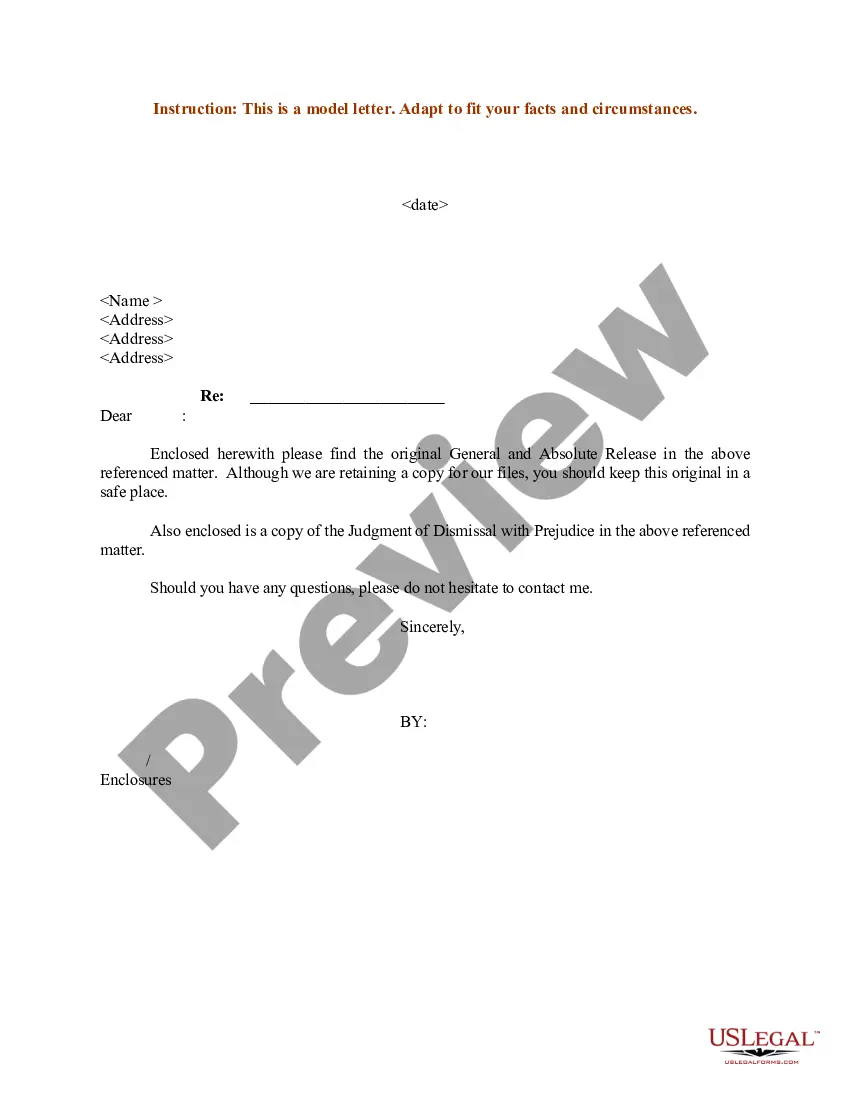
Sample Letter Release Contract For Extension Of Employment In Philadelphia
Description

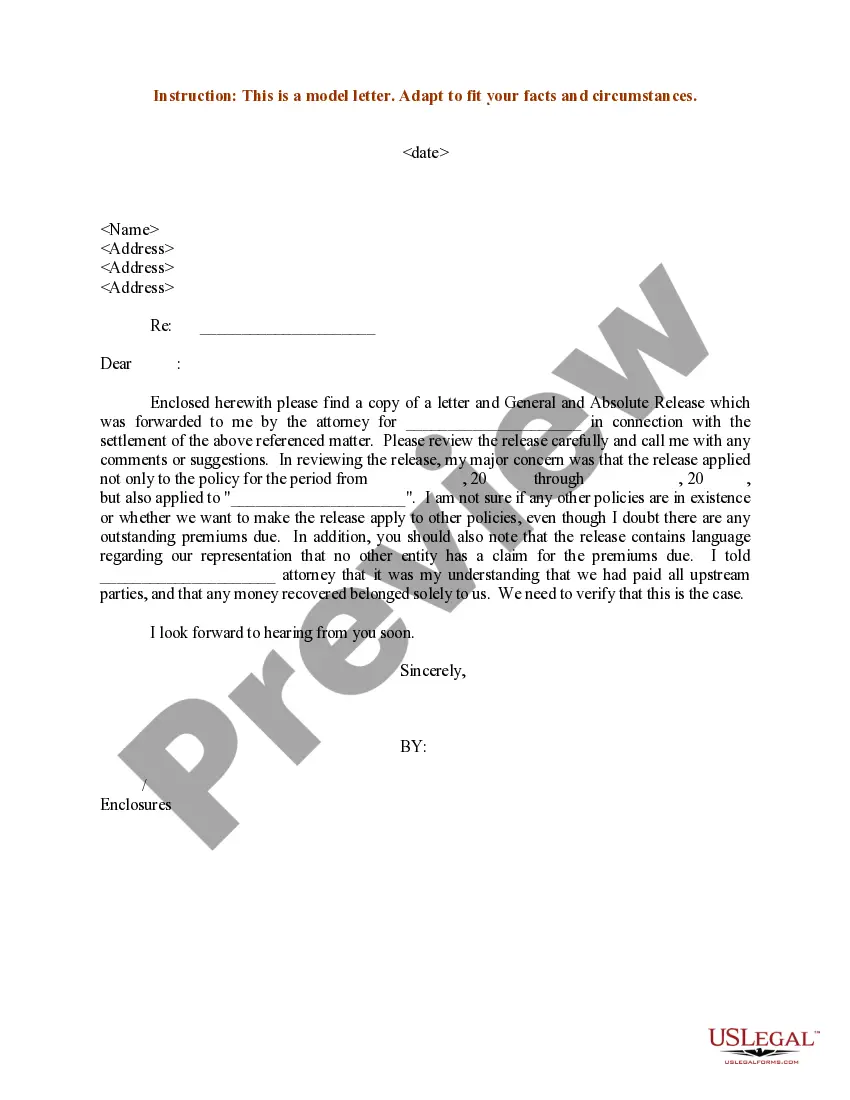
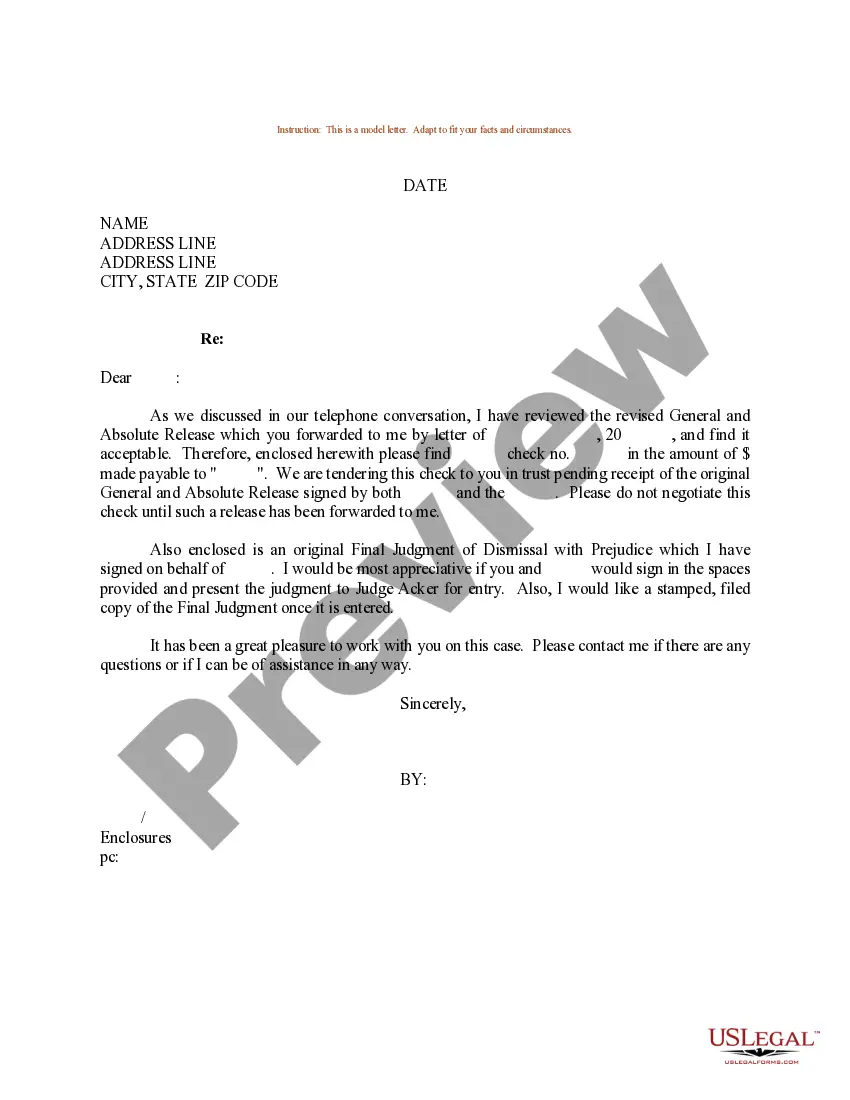
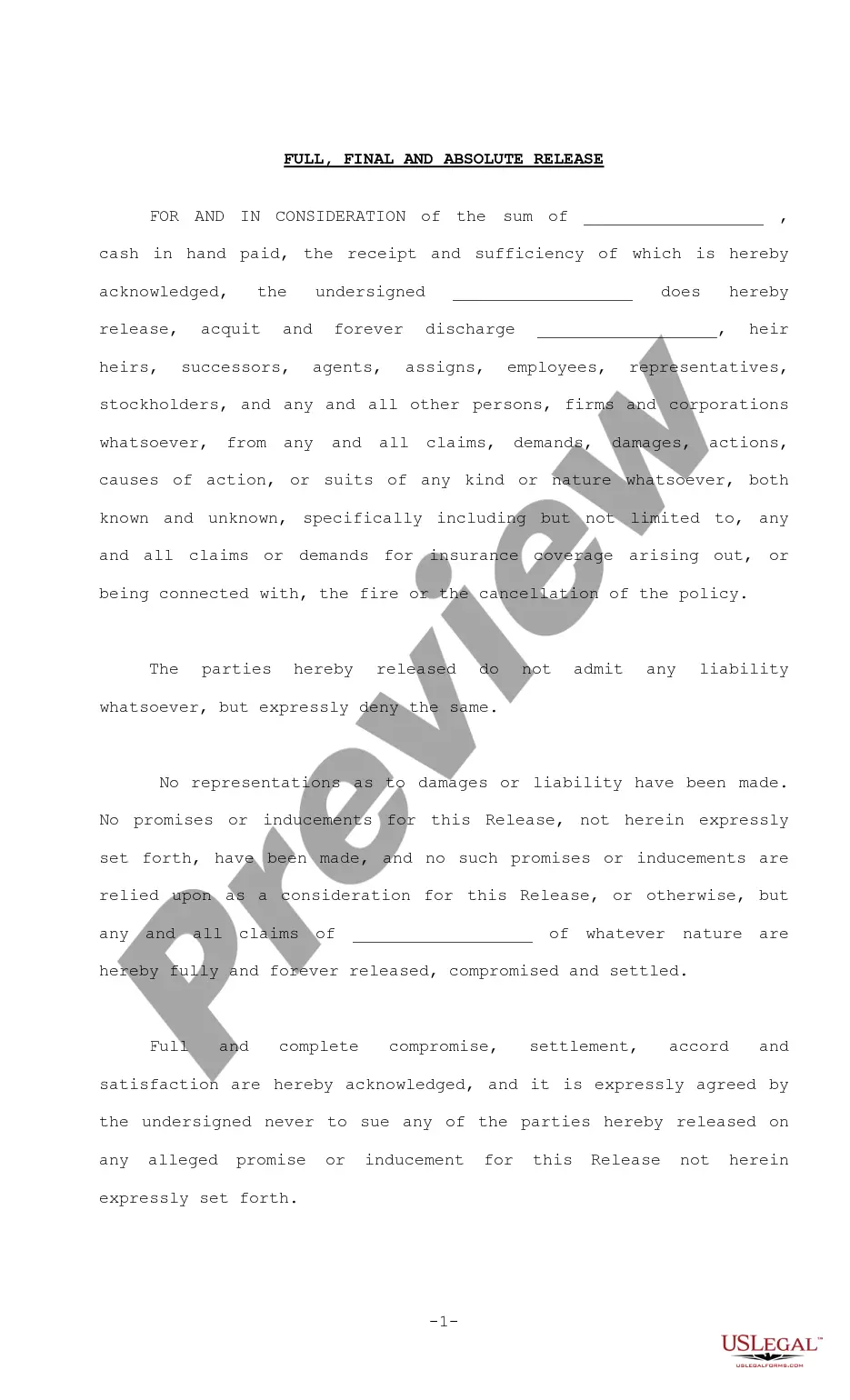
Get your form ready online
Our built-in tools help you complete, sign, share, and store your documents in one place.
Make edits, fill in missing information, and update formatting in US Legal Forms—just like you would in MS Word.
Download a copy, print it, send it by email, or mail it via USPS—whatever works best for your next step.
Sign and collect signatures with our SignNow integration. Send to multiple recipients, set reminders, and more. Go Premium to unlock E-Sign.
If this form requires notarization, complete it online through a secure video call—no need to meet a notary in person or wait for an appointment.
We protect your documents and personal data by following strict security and privacy standards.

Make edits, fill in missing information, and update formatting in US Legal Forms—just like you would in MS Word.

Download a copy, print it, send it by email, or mail it via USPS—whatever works best for your next step.

Sign and collect signatures with our SignNow integration. Send to multiple recipients, set reminders, and more. Go Premium to unlock E-Sign.

If this form requires notarization, complete it online through a secure video call—no need to meet a notary in person or wait for an appointment.

We protect your documents and personal data by following strict security and privacy standards.
Looking for another form?









Form popularity
FAQ
It is proof of your experience and your subsequent release from all duties from the previous organisation and is required as you join a new company. Your previous HR manager or immediate superior may issue it to you on your last working day, or when you send a request for the relieving letter to the concerned person.
In the employment context, a release is often used when terminating an employee on an individual or group basis, such as a reduction in force. To be valid and enforceable, a release must be: Entered into knowingly and voluntarily.
Extension of Employee Contract Letter Begin with a formal and professional tone. Clearly state the purpose of the letter. Specify the new end date of the contract. Outline any changes to the terms of the contract. Include any performance expectations or goals.
``I've enjoyed working on this project, and would like to help contributing to it in the future, and I would like to know if you we be interested in extending my contract on X date for Y months''.
Employees are typically asked to sign a release agreement by their employer when they are terminated. While it depends on the specific language of the agreement, releases generally involve an employee giving up their rights to most employment or human rights claims after their employment ends.
This letter serves as an official record that the employment relationship has been permanently discontinued, and it details the reasons for the termination, the effective date and any other pertinent information related to the employee's departure.
Essential Information Include the date the letter is written. Craft a clear and concise subject line that explicitly states the purpose of the letter (e.g., “Contract Renewal Proposal for Service Name”). Use a professional company letterhead that includes your company logo and contact information.