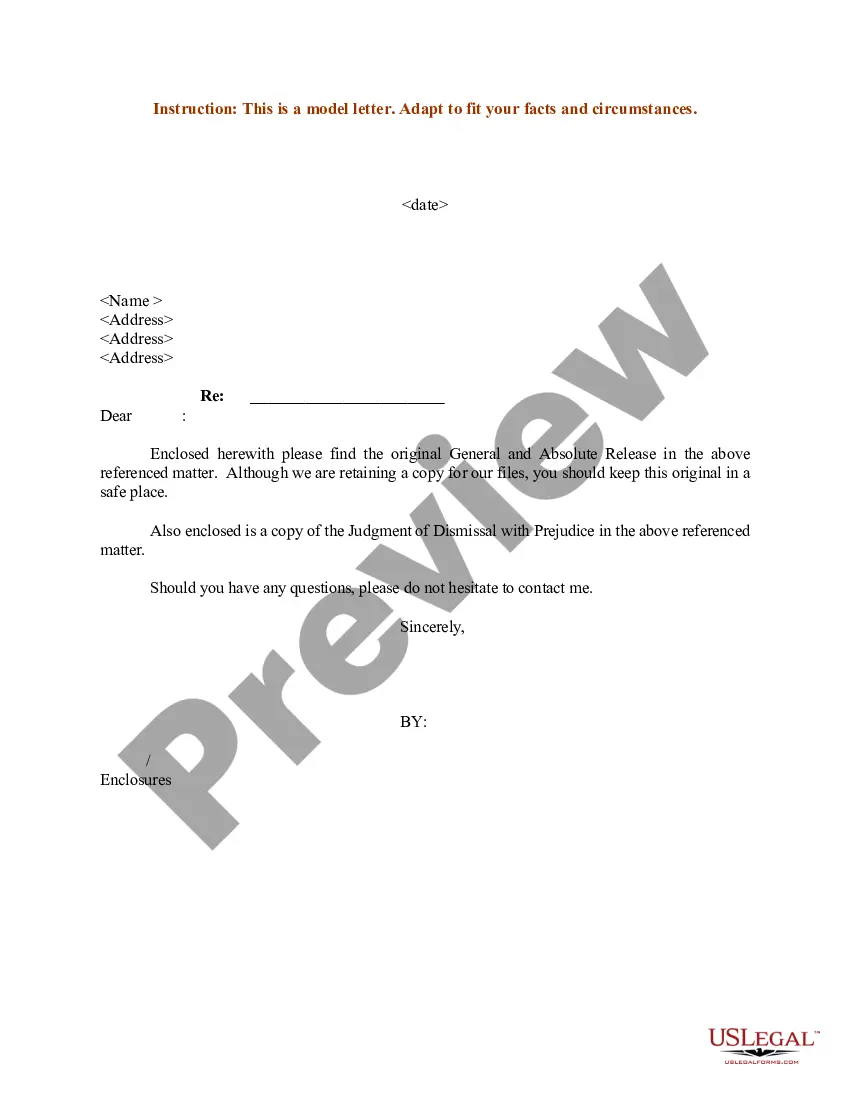
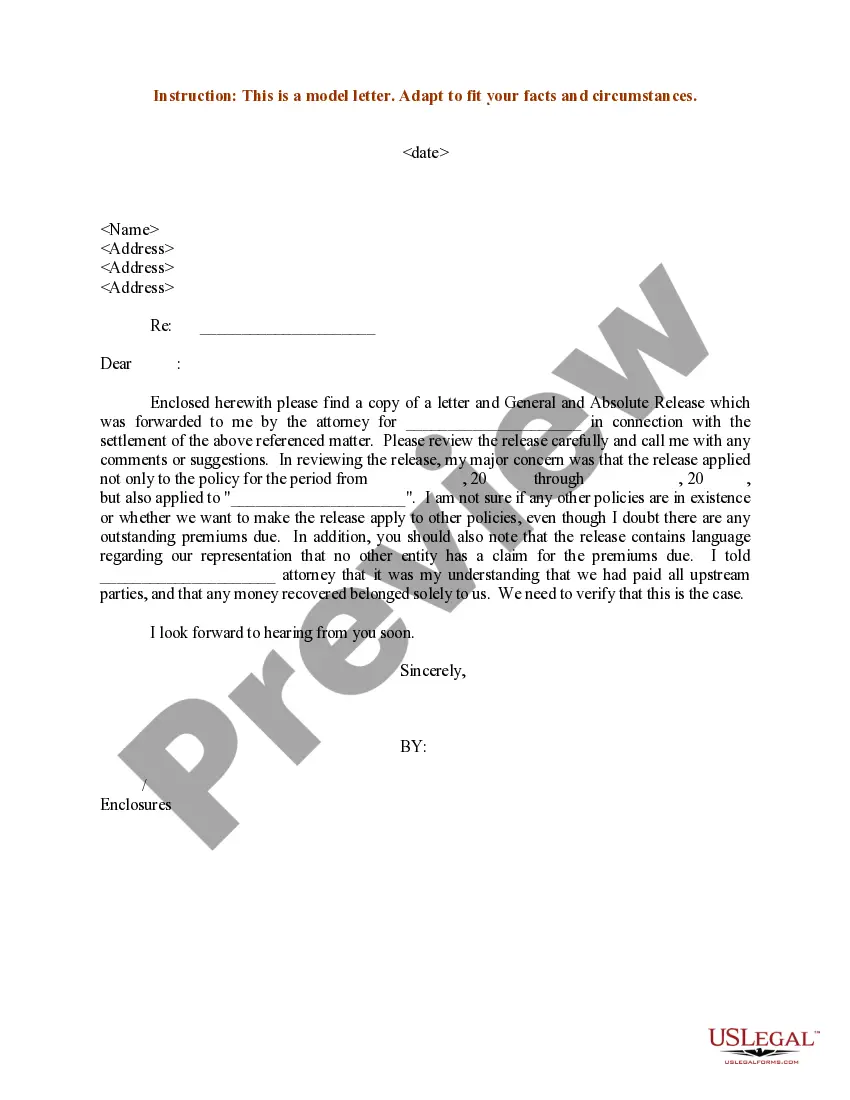
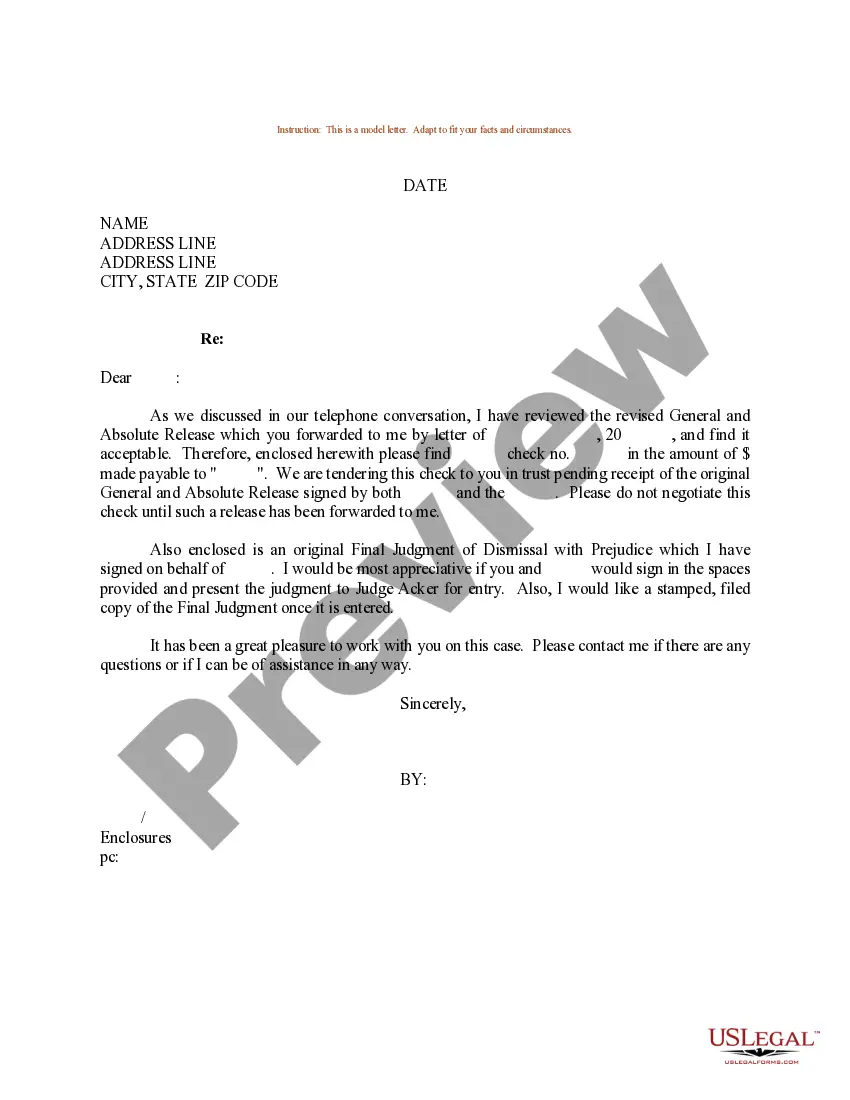
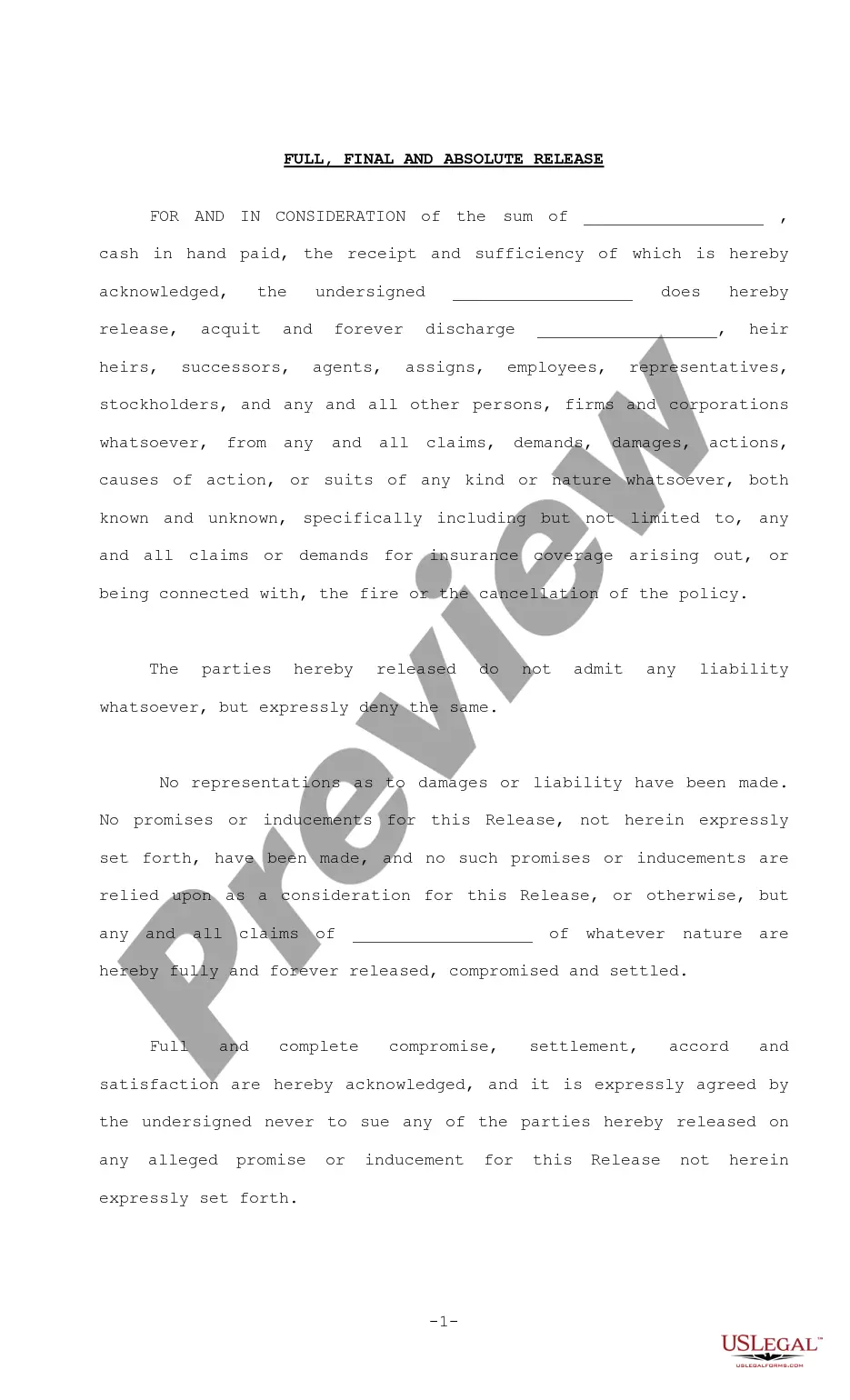
Sample Letter Release Contract For Employment In Massachusetts
Description

Get your form ready online
Our built-in tools help you complete, sign, share, and store your documents in one place.
Make edits, fill in missing information, and update formatting in US Legal Forms—just like you would in MS Word.
Download a copy, print it, send it by email, or mail it via USPS—whatever works best for your next step.
Sign and collect signatures with our SignNow integration. Send to multiple recipients, set reminders, and more. Go Premium to unlock E-Sign.
If this form requires notarization, complete it online through a secure video call—no need to meet a notary in person or wait for an appointment.
We protect your documents and personal data by following strict security and privacy standards.

Make edits, fill in missing information, and update formatting in US Legal Forms—just like you would in MS Word.

Download a copy, print it, send it by email, or mail it via USPS—whatever works best for your next step.

Sign and collect signatures with our SignNow integration. Send to multiple recipients, set reminders, and more. Go Premium to unlock E-Sign.

If this form requires notarization, complete it online through a secure video call—no need to meet a notary in person or wait for an appointment.

We protect your documents and personal data by following strict security and privacy standards.
Looking for another form?
Form popularity
FAQ
Often when an employee is terminated, their employer will provide them with a termination letter with a release attached. A release is a contract that is often used to limit an employer's liability by preventing the employee from bringing legal claims against their employer.
Employers are not required to provide a termination letter, and frequently conduct the termination verbally instead of reducing it to writing. Even if you do receive a letter, most often it will not contain any meaningful details about the reasons for termination of employment.
A release is a legal document that records an employee's agreement to relinquish their right to make any future claims against their employer relating to their employment or the termination of their employment. A release is essentially a contract between the terminated employee and the employer.
How to Write a Letter of Agreement Start with Basic Information. Define Employment Terms. Outline Compensation and Benefits. Include Non-Disclosure and Non-Compete Clauses. Address the Probationary Period (if applicable). Set the Code of Conduct and Policies. Explain Termination Conditions. Detail Severance Terms:
A contract release is an agreement in which one party agrees it has no claims against the party that's named in the release. A release is commonly known as a release of liability or any of the following: Release agreement. Release form.
Use these steps to write a contract-ending letter: Review termination clauses. Address the appropriate individual. State your purpose for writing. Discuss outstanding concerns. Close your letter respectfully. Ensure receipt of the letter.
Termination may end the contract, but it does not release the parties from liability (i.e. they still may sue each other). On the other hand, a release not only terminates the contract, but releases each party from any and all liability.
What information should be included? The names and contact information of both parties involved in the contract. The date when the contract was signed and its original duration. The reason for terminating the contract, if necessary. The specific date when the contract will end.
How to write a contract letter Create an introduction. Detail position information. Discuss compensation and benefits. Describe terms of employment. Add training or probationary information. Highlight additional agreements. Inform about agreement decision. Add signature information.
Your letter should include: The date. Be addressed to the person with whom you're entering the agreement. Basic details of the work to be completed. Any special instructions or stipulations. Information about whether another agreement will come after the letter. A place for both parties to sign.