Sample Letter Release Contract For Employment In Maryland
Description

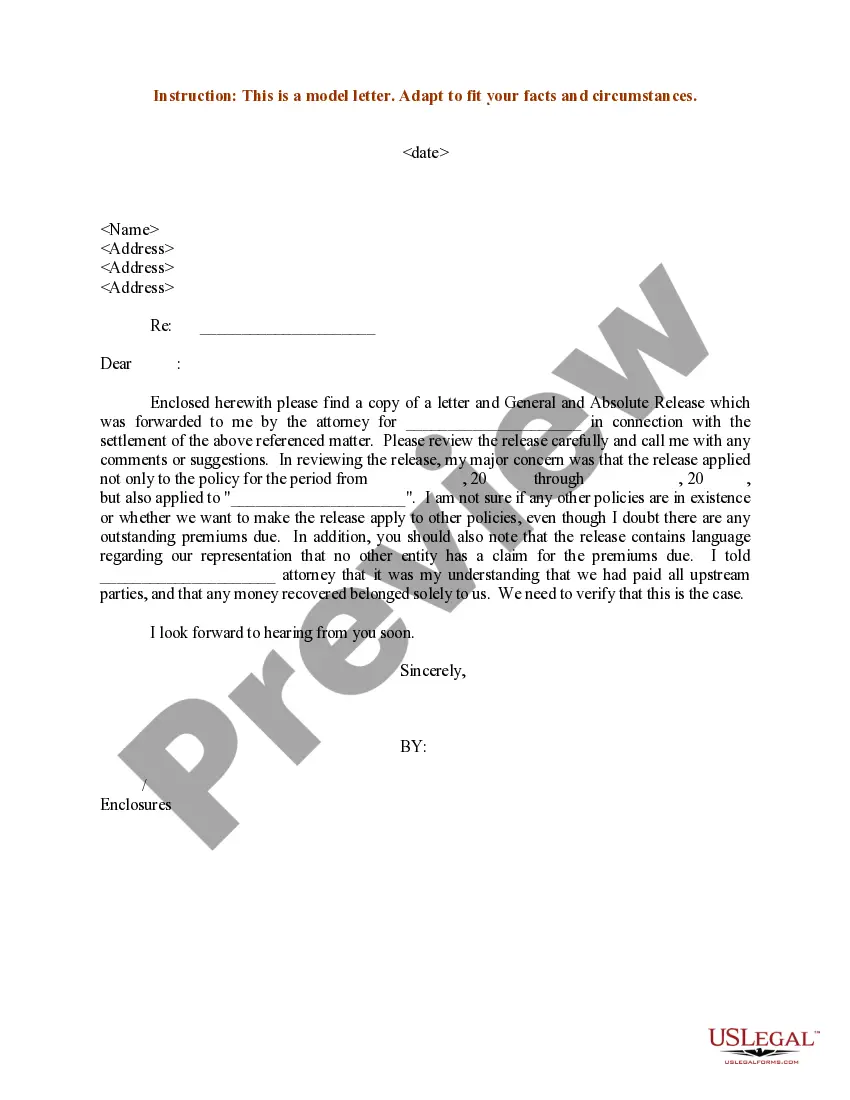
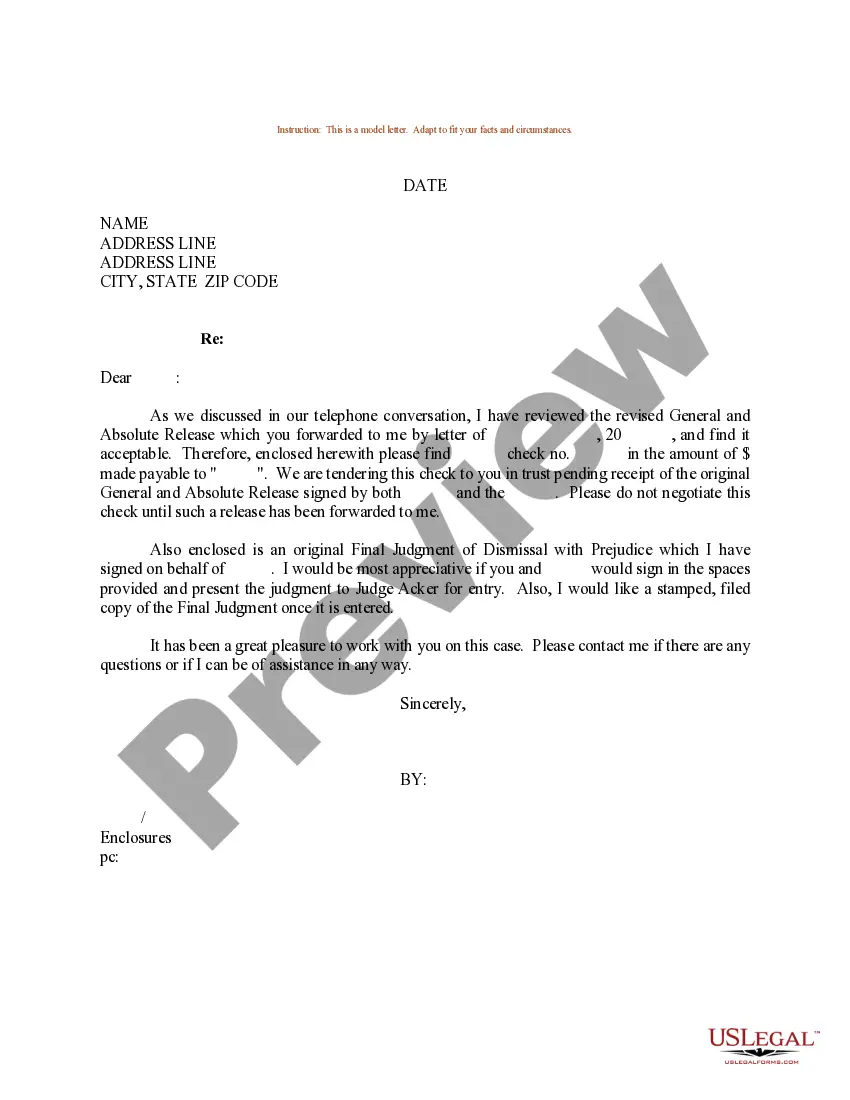
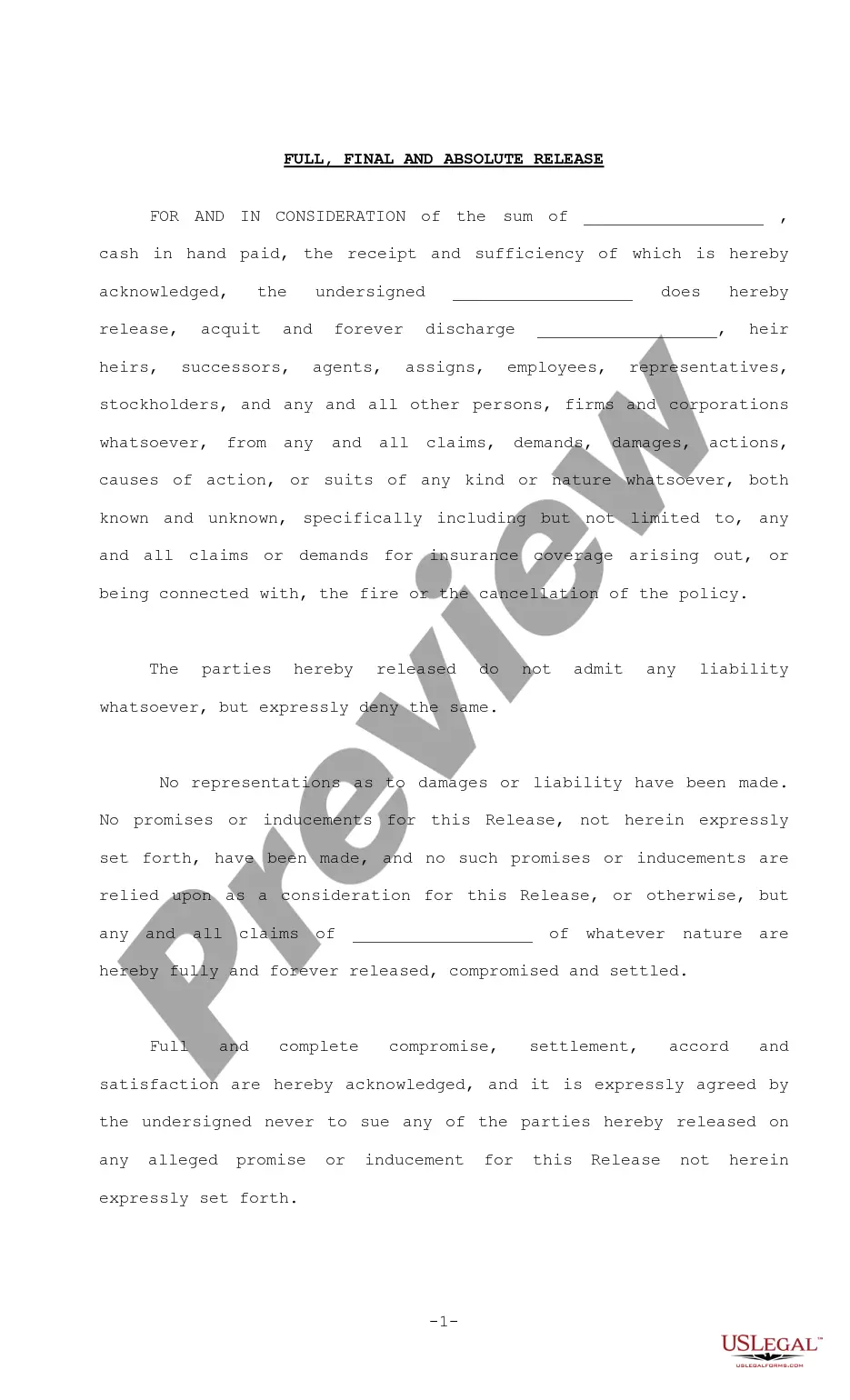
Get your form ready online
Our built-in tools help you complete, sign, share, and store your documents in one place.
Make edits, fill in missing information, and update formatting in US Legal Forms—just like you would in MS Word.
Download a copy, print it, send it by email, or mail it via USPS—whatever works best for your next step.
Sign and collect signatures with our SignNow integration. Send to multiple recipients, set reminders, and more. Go Premium to unlock E-Sign.
If this form requires notarization, complete it online through a secure video call—no need to meet a notary in person or wait for an appointment.
We protect your documents and personal data by following strict security and privacy standards.

Make edits, fill in missing information, and update formatting in US Legal Forms—just like you would in MS Word.

Download a copy, print it, send it by email, or mail it via USPS—whatever works best for your next step.

Sign and collect signatures with our SignNow integration. Send to multiple recipients, set reminders, and more. Go Premium to unlock E-Sign.

If this form requires notarization, complete it online through a secure video call—no need to meet a notary in person or wait for an appointment.

We protect your documents and personal data by following strict security and privacy standards.
Looking for another form?








Form popularity
FAQ
A termination of this sort does not rely upon the agreement of the other party. A release is a mutual act of the parties in which one or both sides are released from obligations under the contract based on an agreement they've reached.
An employment release agreement is typically signed just before a job ends. They are mutual agreements: typically, an employee agrees to release the employer from liability, in exchange for something of value. This might include severance, extended healthcare coverage, stocks and bonds and other valuable consideration.
Employees are typically asked to sign a release agreement by their employer when they are terminated. While it depends on the specific language of the agreement, releases generally involve an employee giving up their rights to most employment or human rights claims after their employment ends.
Employment release agreements are contractual agreements between an employer and their employee. They are used to release the employer from any potential claims which may have arisen during the employee's tenure at the company. In exchange, the employer provides the employee with certain consideration.
Understanding termination letters The date of termination. The reason for the termination (while not always required, many include it) Any severance benefits or other compensation the employee is entitled to. Instructions for the return of company property. Details regarding the final paycheck and accrued vacation time.
In the employment context, a release is often used when terminating an employee on an individual or group basis, such as a reduction in force. To be valid and enforceable, a release must be: Entered into knowingly and voluntarily.
How to write a contract in 6 simple steps Define the parties. Add your other relevant sections. Proofread your contract. Add your signature fields. Send it for signature. Save your contract as a template.
Step 1: Addressing the Correct Individual or Company. Step 2: Stating the Purpose of Termination. Step 3: Including Necessary Details (Contract Number, Date, etc.) Step 4: Mentioning Outstanding Payments or Obligations. Step 5: Closing the Letter Professionally.
Employment Termination Clause If you are working at will, you can terminate the contract at any time, but you have to give a two-week notice. If you are a contractor, the contract will probably have specific conditions for terminating the contract.

