Account Estate Bank With In Wake
Description


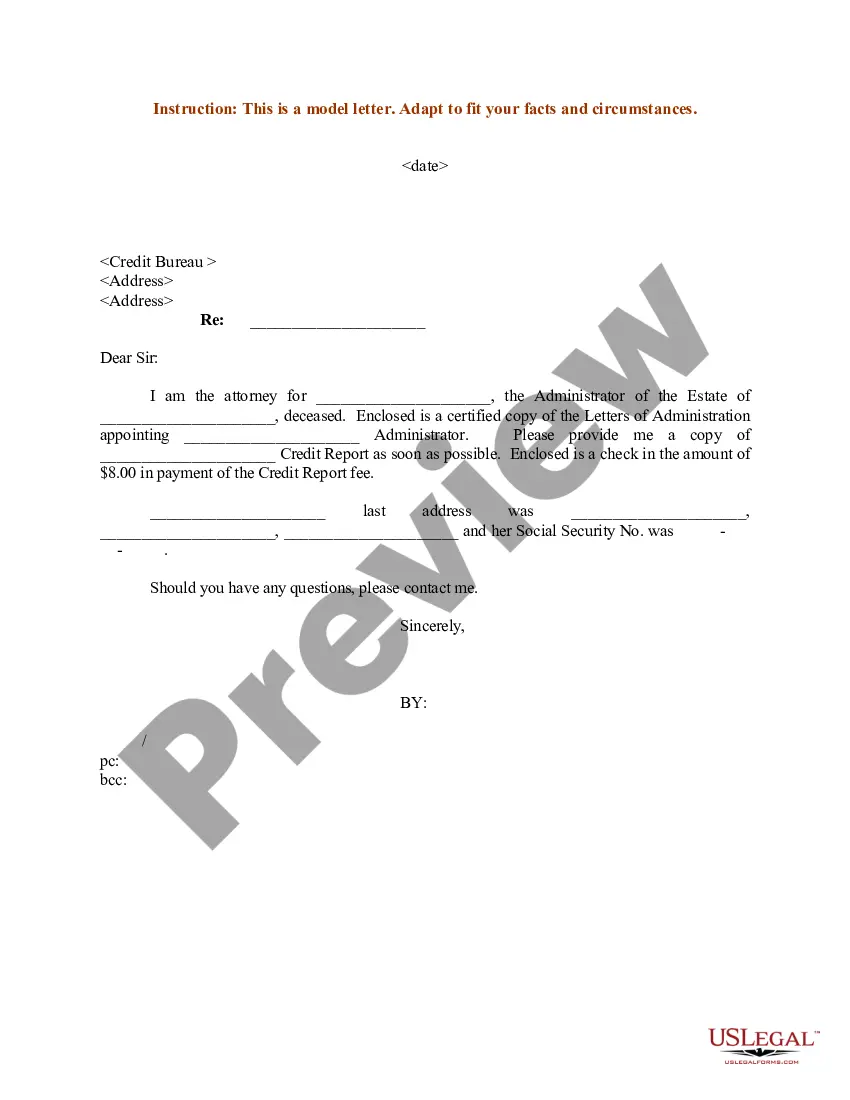

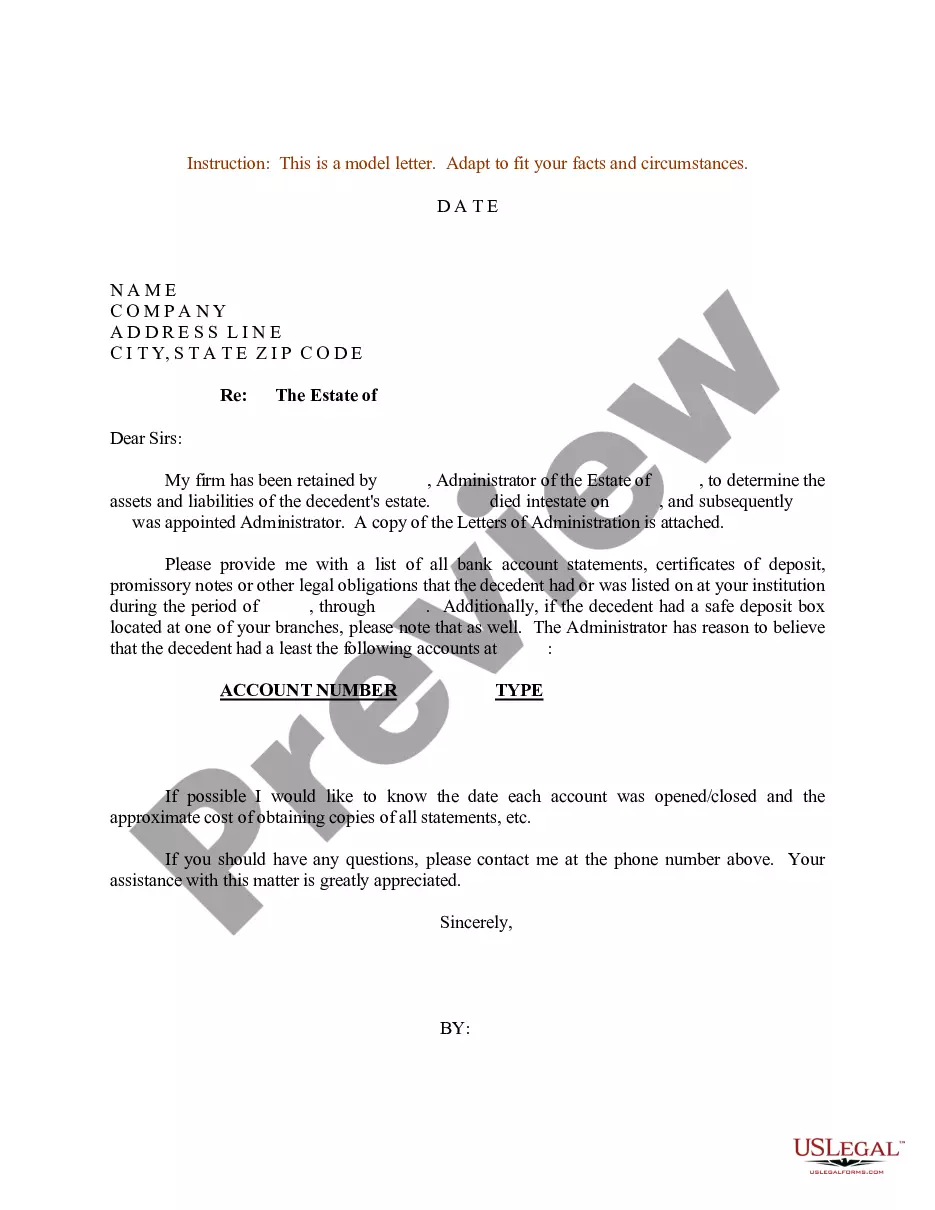
Get your form ready online
Our built-in tools help you complete, sign, share, and store your documents in one place.
Make edits, fill in missing information, and update formatting in US Legal Forms—just like you would in MS Word.
Download a copy, print it, send it by email, or mail it via USPS—whatever works best for your next step.
Sign and collect signatures with our SignNow integration. Send to multiple recipients, set reminders, and more. Go Premium to unlock E-Sign.
If this form requires notarization, complete it online through a secure video call—no need to meet a notary in person or wait for an appointment.
We protect your documents and personal data by following strict security and privacy standards.

Make edits, fill in missing information, and update formatting in US Legal Forms—just like you would in MS Word.

Download a copy, print it, send it by email, or mail it via USPS—whatever works best for your next step.

Sign and collect signatures with our SignNow integration. Send to multiple recipients, set reminders, and more. Go Premium to unlock E-Sign.

If this form requires notarization, complete it online through a secure video call—no need to meet a notary in person or wait for an appointment.

We protect your documents and personal data by following strict security and privacy standards.
Looking for another form?

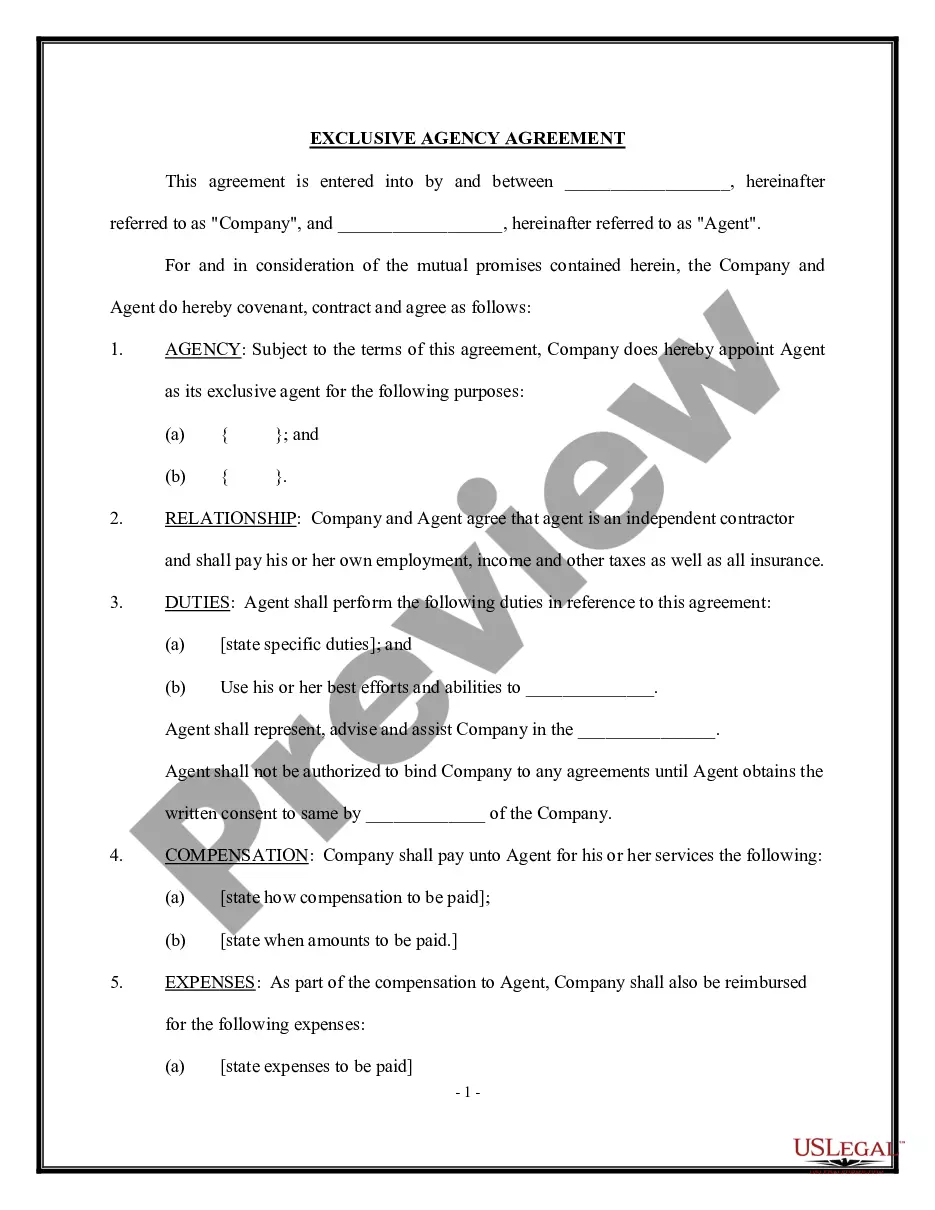
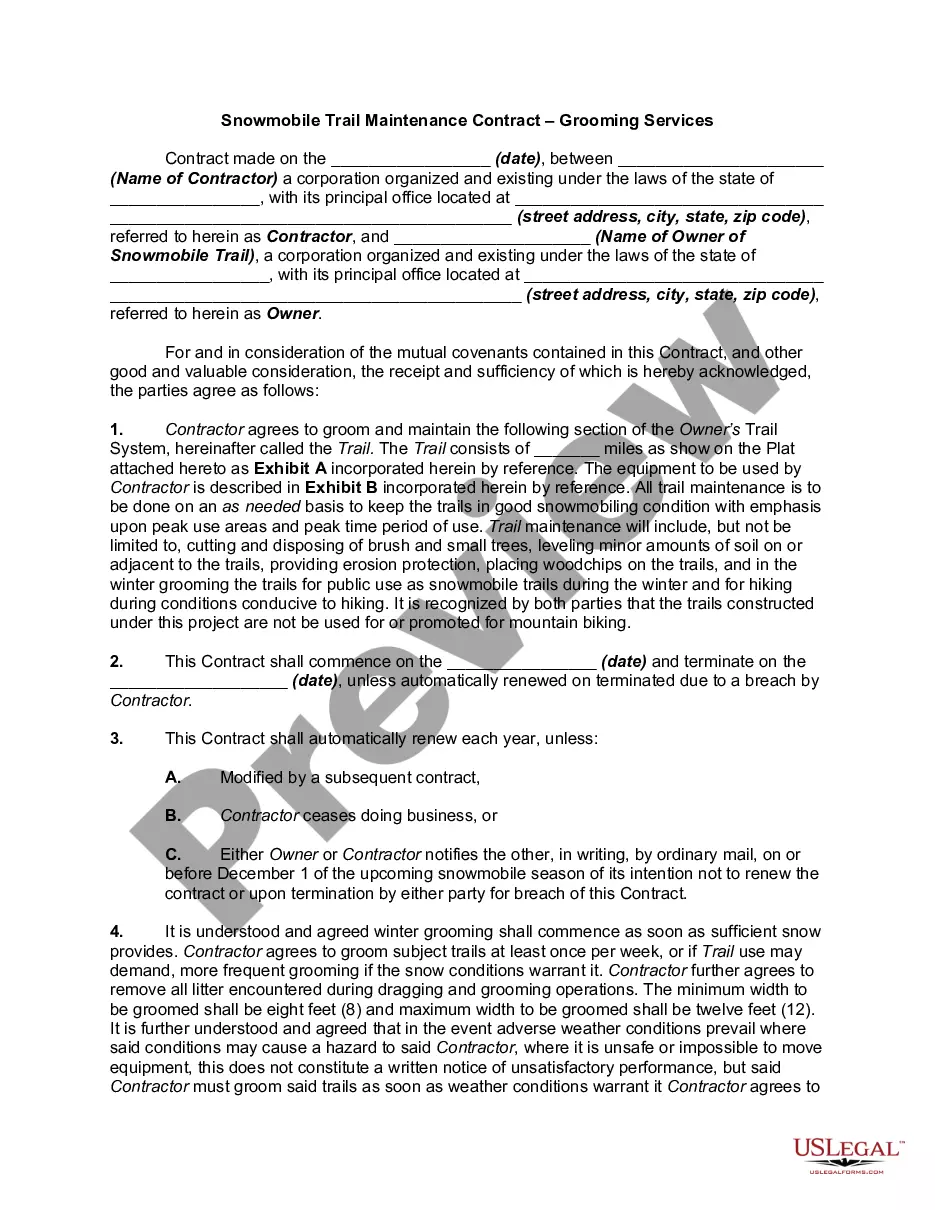




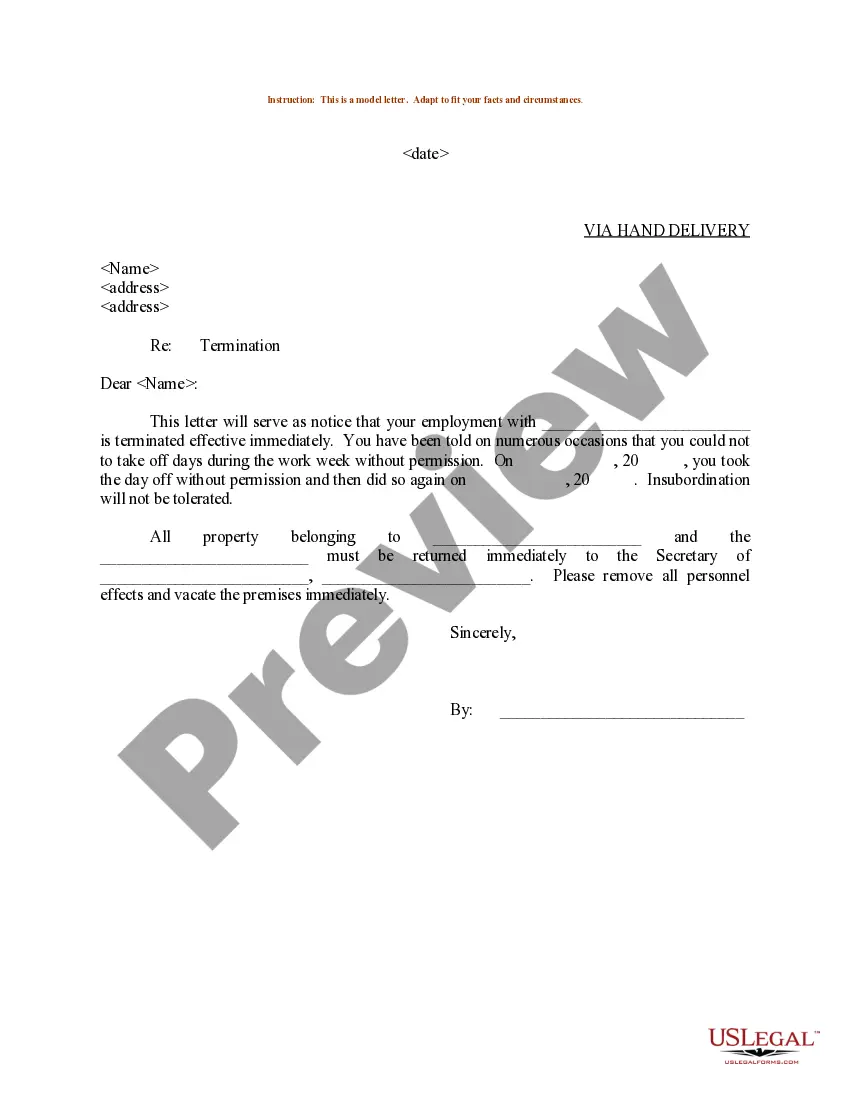
Form popularity
FAQ
When someone dies without a named beneficiary on their bank account, the funds typically become part of their estate and go through probate. This legal process determines how the assets are distributed, following either the deceased's will or state intestacy laws if no will exists.
An account that was opened as a joint account shouldn't be frozen, the funds are jointly the property of both account holders. But if one party opened the account in their name and had the other party added as a signatory, and then the first party passes away, the account would be frozen.
The bank will likely require you to visit a branch in person with the death certificate and proof of your identity. If you're the named beneficiary, the bank should facilitate the transfer of funds directly to you. However, if there is no beneficiary listed, the account may need to go through probate.
You can go off and freeze a joint bank account quite easily. If you contact your bank, tell them you're separated, you want to freeze the account, they will do that quite readily. Or make it a dual signatory account.
To open an executor account, banks will require that applicants have a Grant of Representation or Grant of Probate if they are in England or Wales, or a Grant of Confirmation if they are in Scotland. A Grant of Representation may be applied for by the individual or through a solicitor.
Aug. 30, 2024, at a.m. What Happens to Accounts After You Die? The account becomes part of the deceased owner's estate when there's no joint bank account holder or beneficiary.
The best banks to open an estate account Schwab One Estate Account. Fidelity Estate Account. Estate Services. USAA Survivor Relations.
What is an executor account? An executor account is an account which allows the executor(s) to gather payments due to the deceased's estate before being distributed to the beneficiaries, such as the proceeds from the sale of a house.
No, an executor cannot alter the will in any way, which includes changing, overriding, or replacing a beneficiary or what the beneficiary receives of the estate. If an executor is found to have manipulated the will or the settlement process, they can face severe legal consequences.