Account Estate Bank Foreclosure In Texas
Description




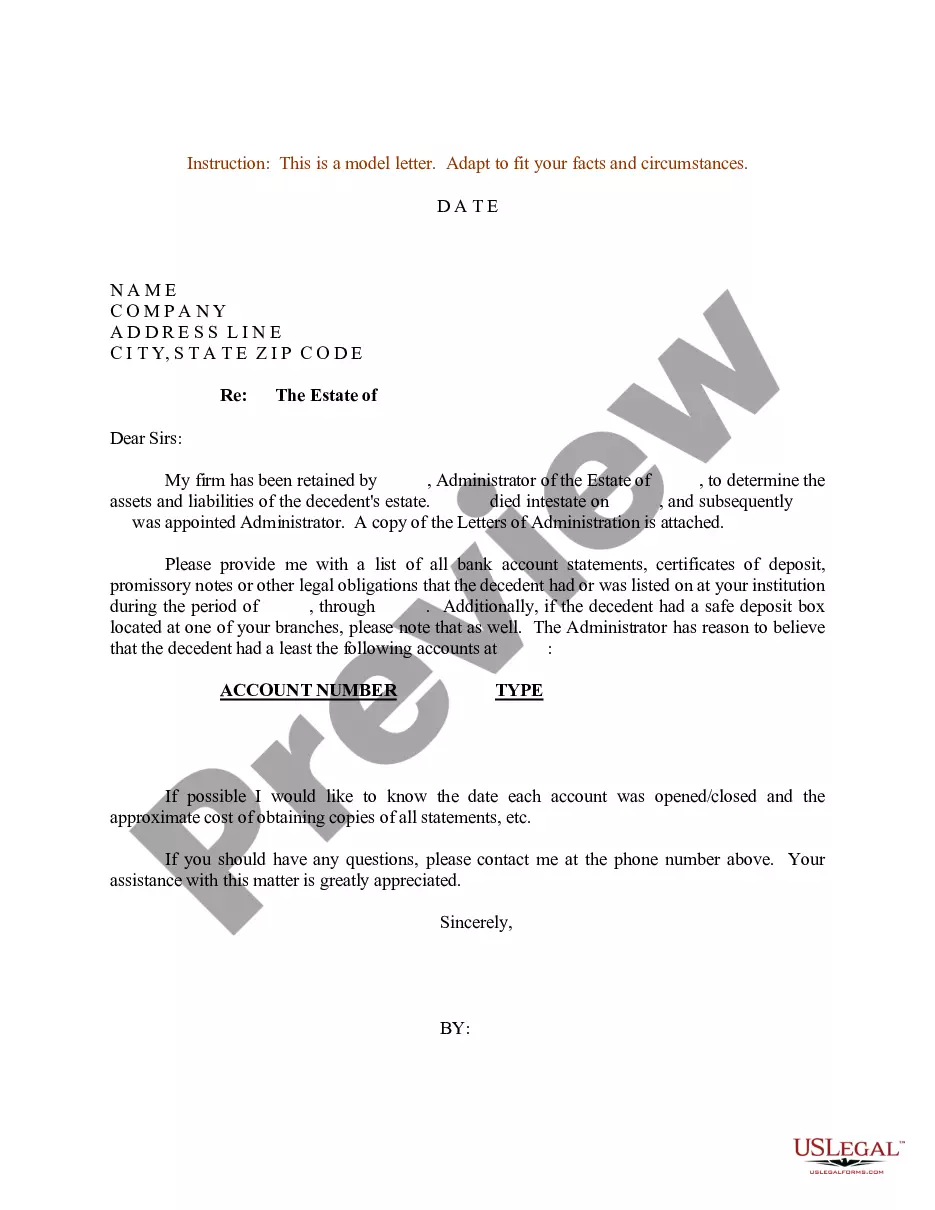
Get your form ready online
Our built-in tools help you complete, sign, share, and store your documents in one place.
Make edits, fill in missing information, and update formatting in US Legal Forms—just like you would in MS Word.
Download a copy, print it, send it by email, or mail it via USPS—whatever works best for your next step.
Sign and collect signatures with our SignNow integration. Send to multiple recipients, set reminders, and more. Go Premium to unlock E-Sign.
If this form requires notarization, complete it online through a secure video call—no need to meet a notary in person or wait for an appointment.
We protect your documents and personal data by following strict security and privacy standards.

Make edits, fill in missing information, and update formatting in US Legal Forms—just like you would in MS Word.

Download a copy, print it, send it by email, or mail it via USPS—whatever works best for your next step.

Sign and collect signatures with our SignNow integration. Send to multiple recipients, set reminders, and more. Go Premium to unlock E-Sign.

If this form requires notarization, complete it online through a secure video call—no need to meet a notary in person or wait for an appointment.

We protect your documents and personal data by following strict security and privacy standards.
Looking for another form?









Form popularity
FAQ
MLS: Most lenders list their REO properties on a Multiple Listing Service (MLS), so any real estate agent can help you identify REO offerings in your area. Bank websites: Some banks and credit unions have an entire department set up to sell REOs, and sections of their websites are dedicated to their listings.
Most foreclosures are non-judicial types. This means court approval isn't required and speeds up the process. Many Texas foreclosures take 160 days. This is much faster than the national average of 922 days in foreclosure for the second quarter of 2021.
This is a common situation that arises and a question that we get, as Houston probate attorneys. The short answer is that, yes, the bank can foreclose, but the heirs are not without remedies. There are steps they should take before, or even after, the foreclosure.
You'll need to act quickly to claim surplus funds after the foreclosure sale. A limited amount of time will be available for you to get the funds. The exact amount of time you'll get depends on state procedures. You can apply to either the foreclosure trustee or the court to get the foreclosure excess proceeds.
Redemption period for properties identified as agricultural use or homestead properties is two years. Redemption period for all other properties is six months. The redemption period begins on the date the deed is recorded.
The former owner will have to petition the county to turn over the surplus funds. If no one petitions to recover them, the surplus funds generally can be held by the county for two years before they are distributed to the taxing bodies that foreclosed on the property.
Section 34.04 - Claims for Excess Proceeds (a) A person, including a taxing unit and the Title IV-D agency, may file a petition in the court that ordered the seizure or sale setting forth a claim to the excess proceeds. The petition must be filed before the second anniversary of the date of the sale of the property.
Tax Implications of Surplus Funds Whether the surplus funds from a foreclosure sale are taxable can depend on individual circumstances and how they align with tax regulations. Generally, these funds might be considered taxable income, and the homeowner may need to report them as such on their income taxes.
