Decedent Account Bank For Savings In Phoenix
Description


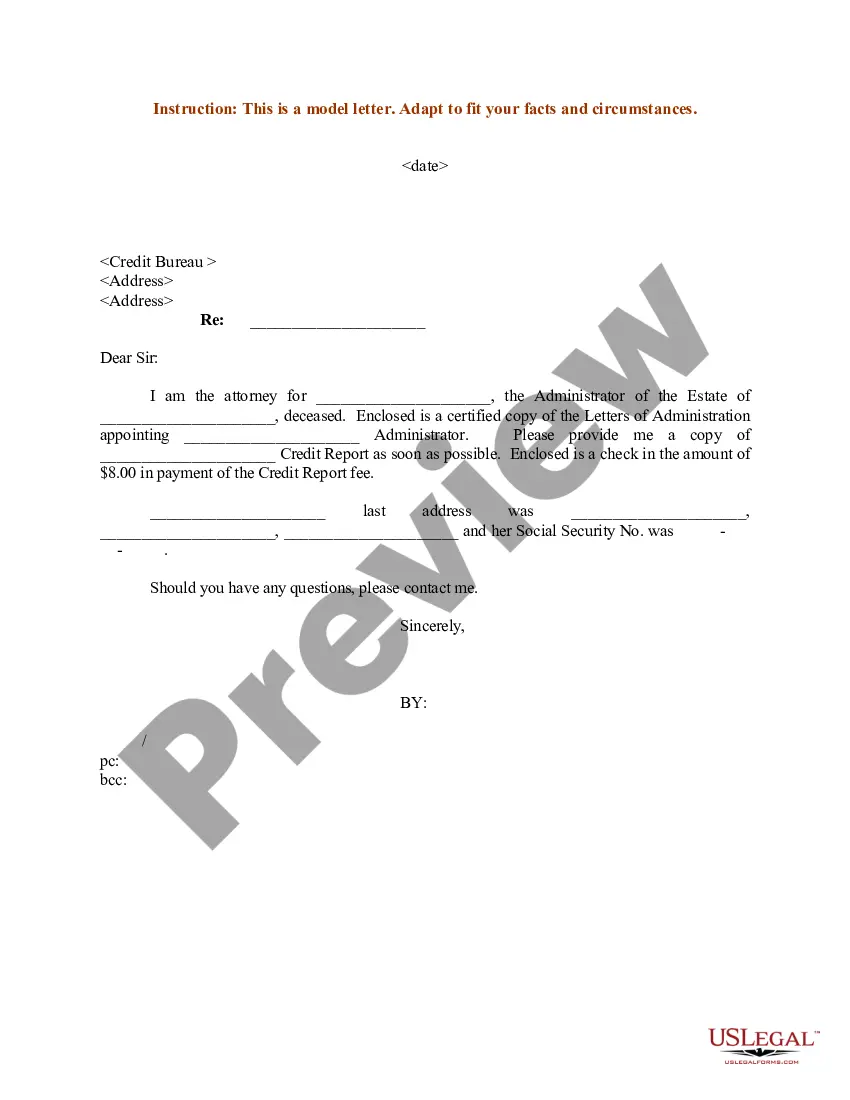

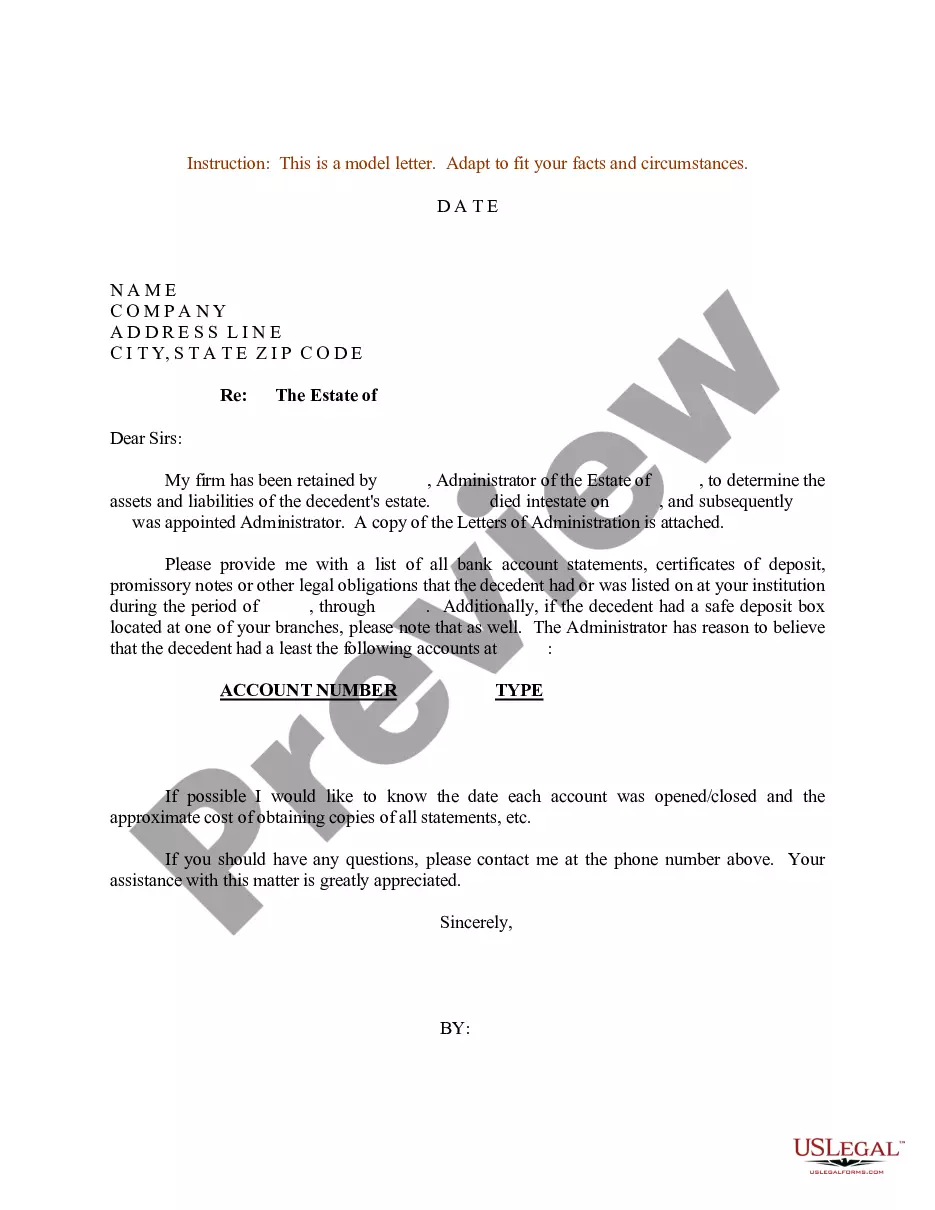
Get your form ready online
Our built-in tools help you complete, sign, share, and store your documents in one place.
Make edits, fill in missing information, and update formatting in US Legal Forms—just like you would in MS Word.
Download a copy, print it, send it by email, or mail it via USPS—whatever works best for your next step.
Sign and collect signatures with our SignNow integration. Send to multiple recipients, set reminders, and more. Go Premium to unlock E-Sign.
If this form requires notarization, complete it online through a secure video call—no need to meet a notary in person or wait for an appointment.
We protect your documents and personal data by following strict security and privacy standards.

Make edits, fill in missing information, and update formatting in US Legal Forms—just like you would in MS Word.

Download a copy, print it, send it by email, or mail it via USPS—whatever works best for your next step.

Sign and collect signatures with our SignNow integration. Send to multiple recipients, set reminders, and more. Go Premium to unlock E-Sign.

If this form requires notarization, complete it online through a secure video call—no need to meet a notary in person or wait for an appointment.

We protect your documents and personal data by following strict security and privacy standards.
Looking for another form?
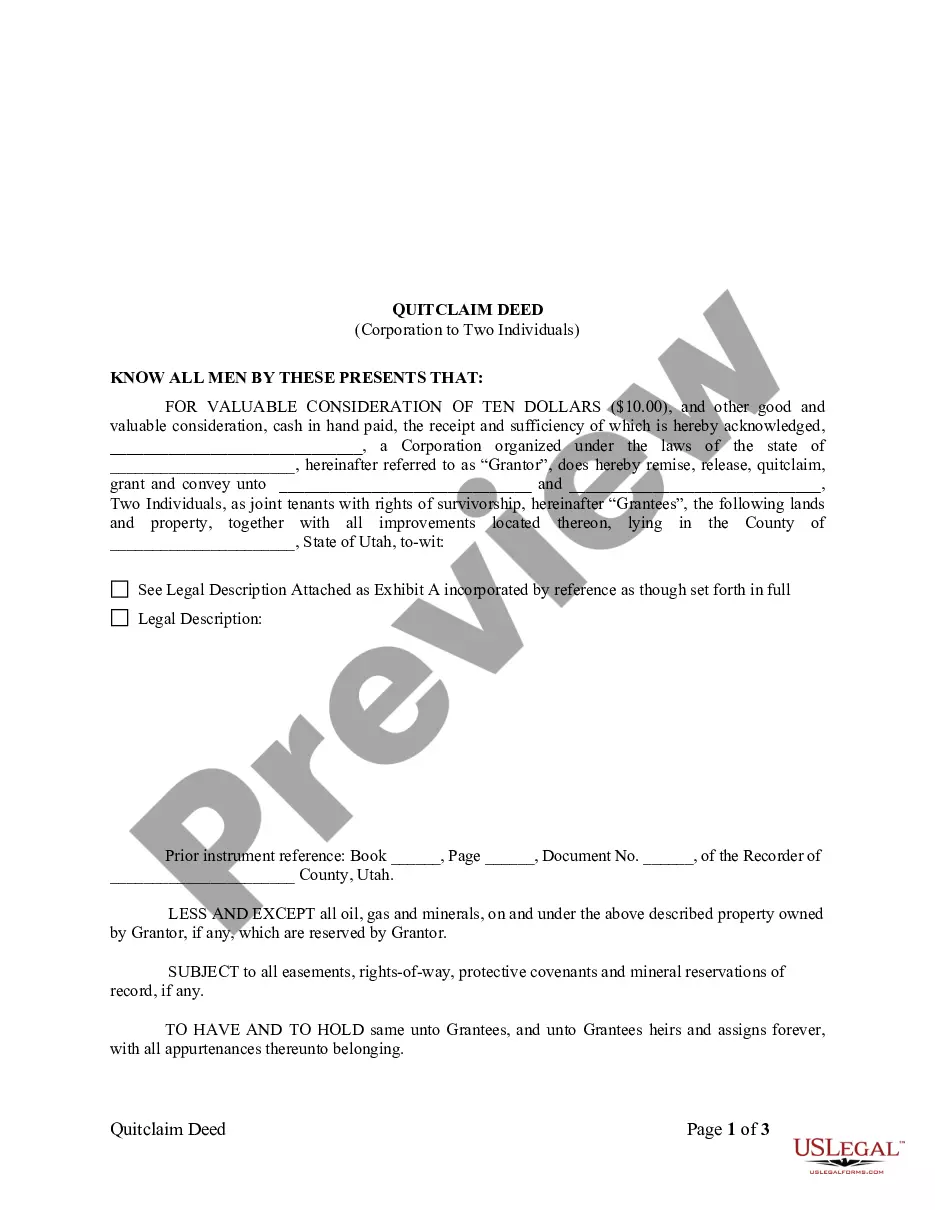
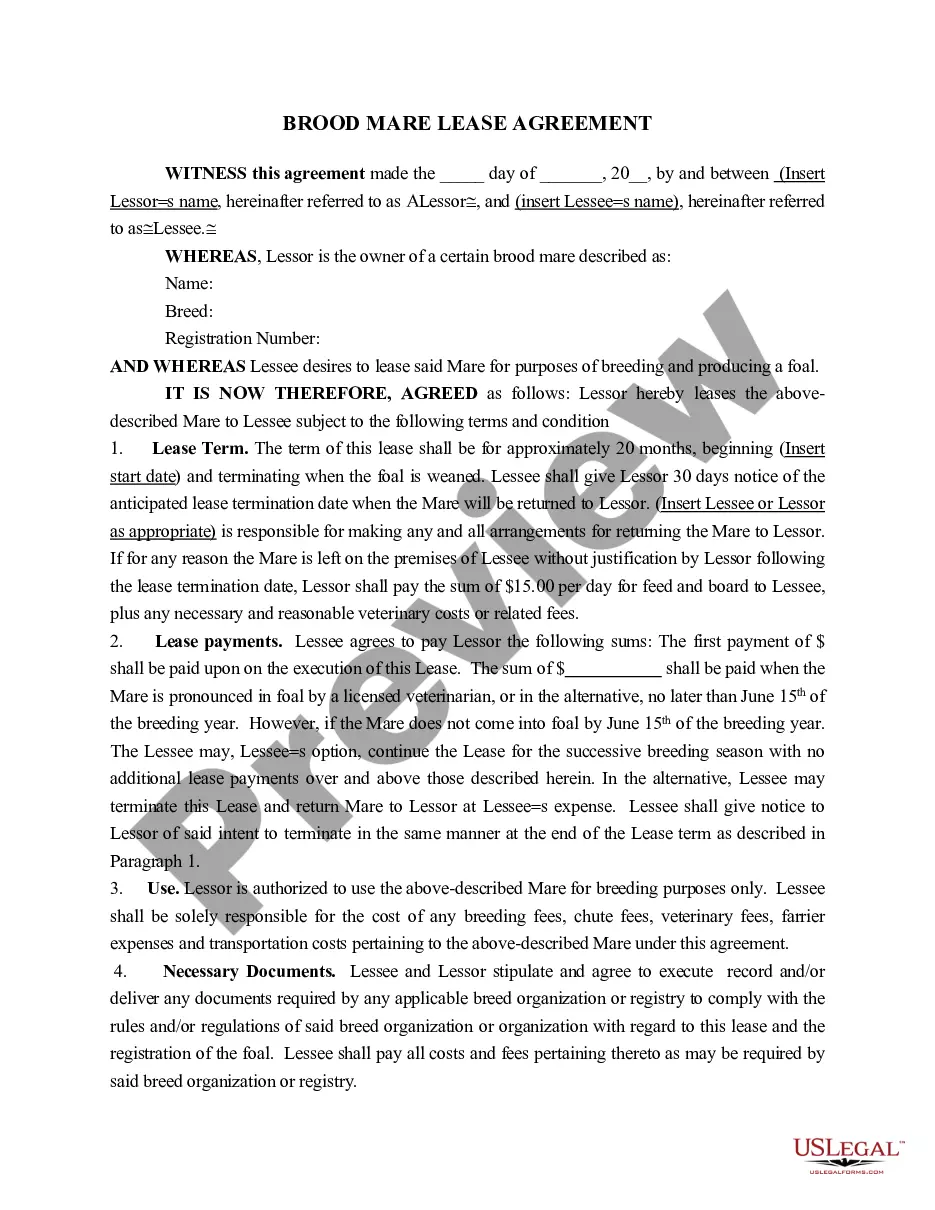






Form popularity
FAQ
The executor of the estate needs to follow these basic steps. Step 1: Begin the probate process. Step 2: Obtain a tax ID number for the estate account. Step 3: Bring all required documents to the bank. Step 4: Open the estate account.
If you are indeed designated as a beneficiary on the account, the bank will release the contents of the account to you. If you are unsure where the decedent banked, you may consider asking the decedent's family members, the executor/administrator of their estate or the trustee of their trust.
3: Financial Assets Bank accounts and brokerage accounts, business ownership interests, stocks, bonds, and other financial assets are also subject to probate. However, bank accounts, life insurance policies, and retirement accounts that have a designated beneficiary are not considered probate assets.
Visit Banks in Their Area You will need to provide documentation to prove both that the account holder died and you have the legal authority (as a designated beneficiary, joint account holder or executor/administrator) to access the account.
The best banks to open an estate account Schwab One Estate Account. Fidelity Estate Account. Estate Services. USAA Survivor Relations.
You'll need certain documents to prove it's legal to open the account. They include: The death certificate. The person's Social Security number.
