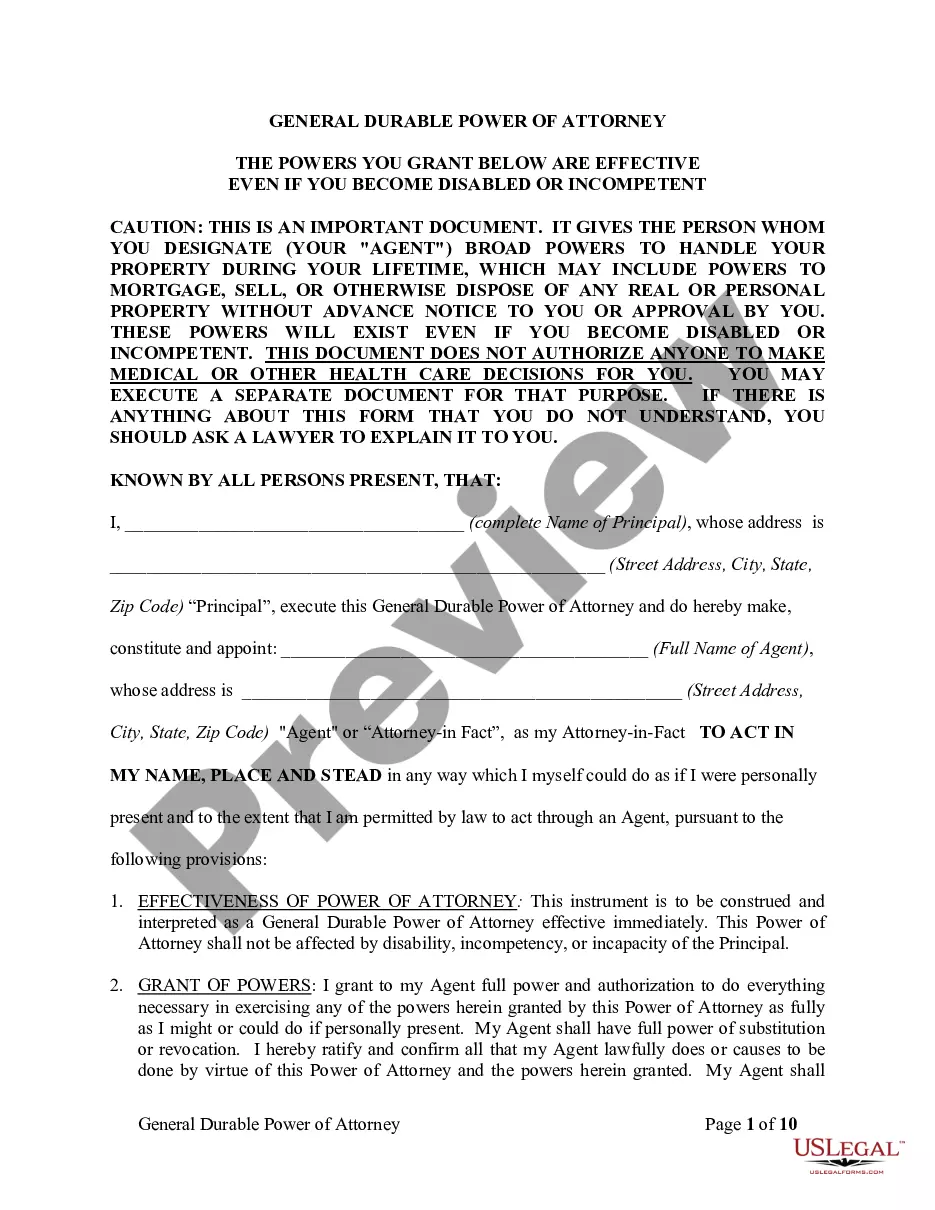
Jury Trial Form With 2 Points In Collin
Description

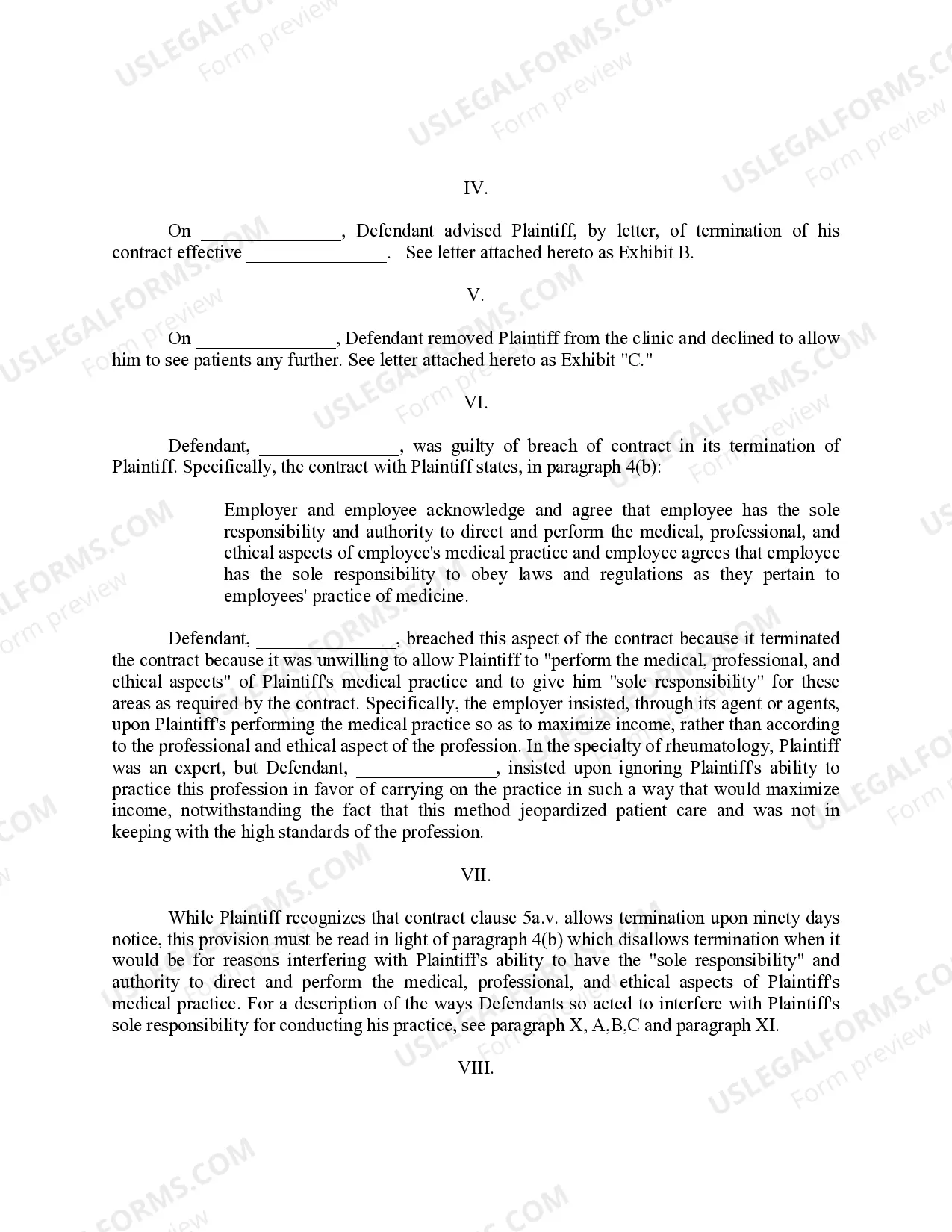
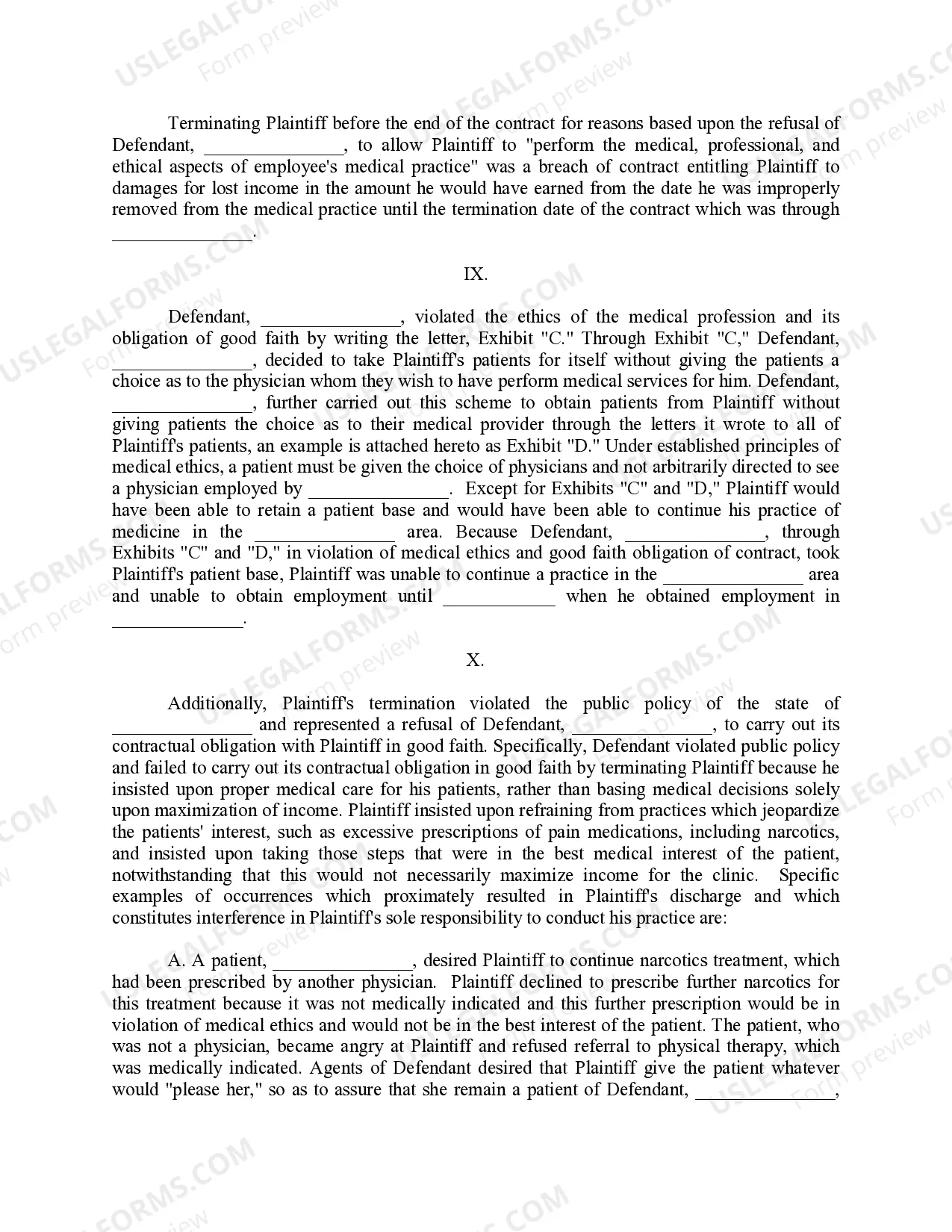
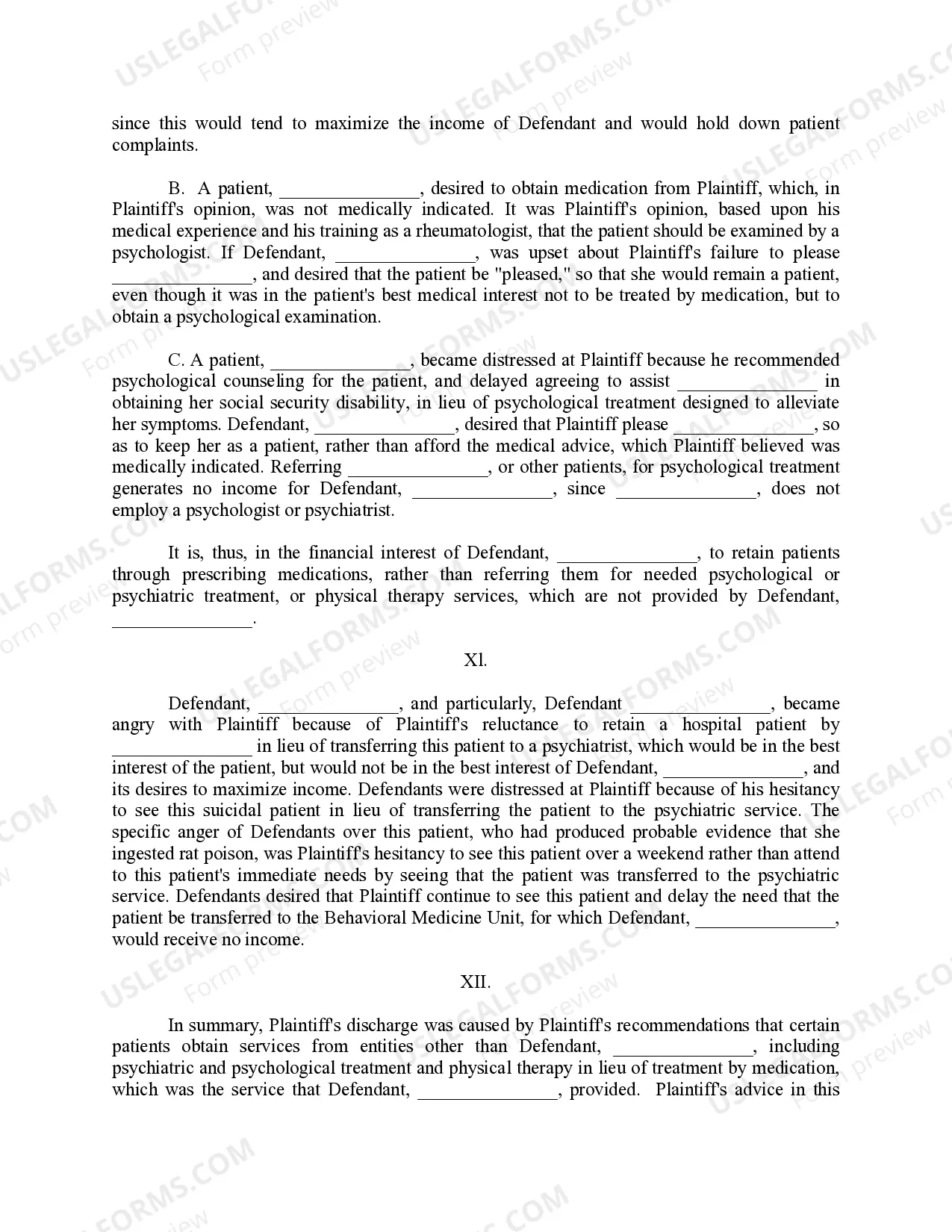
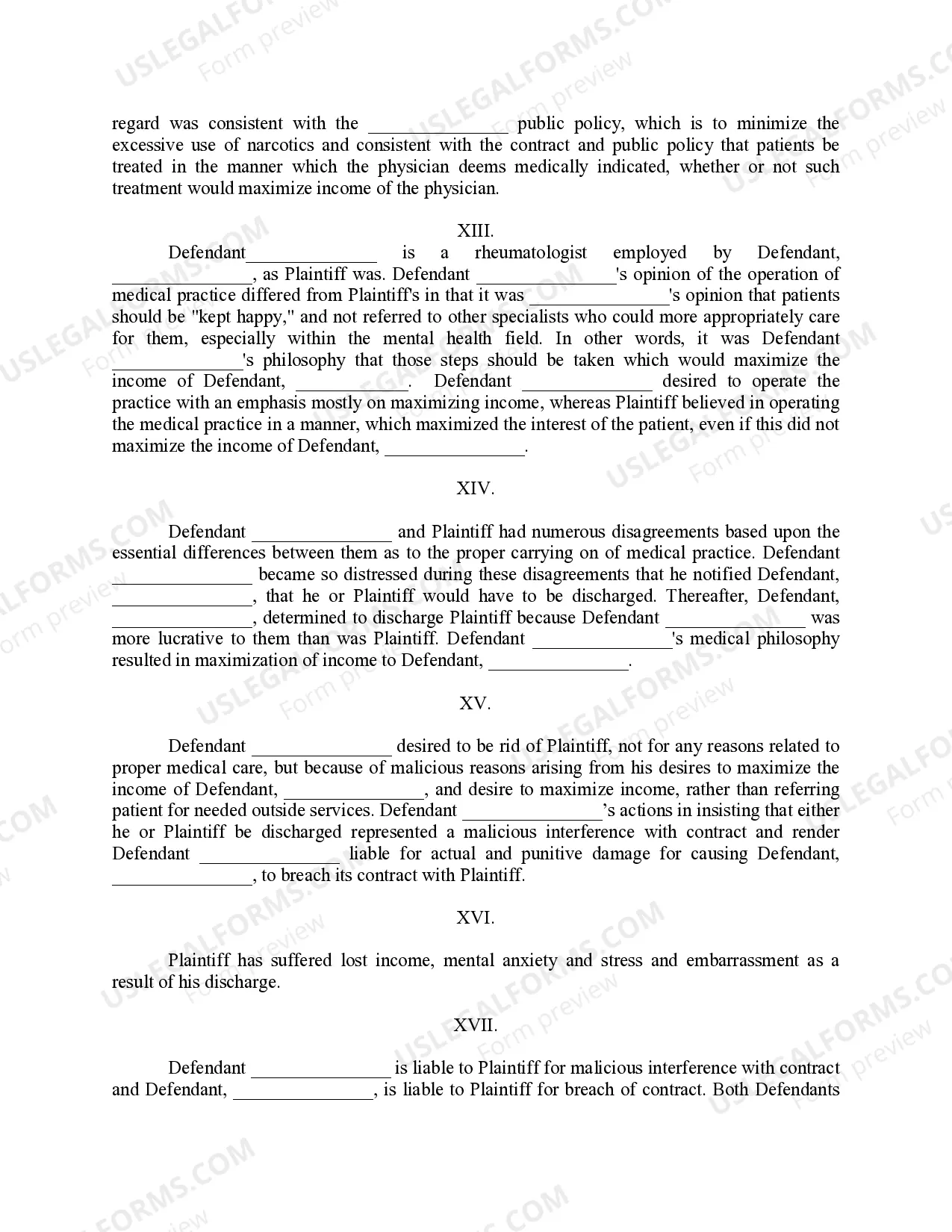
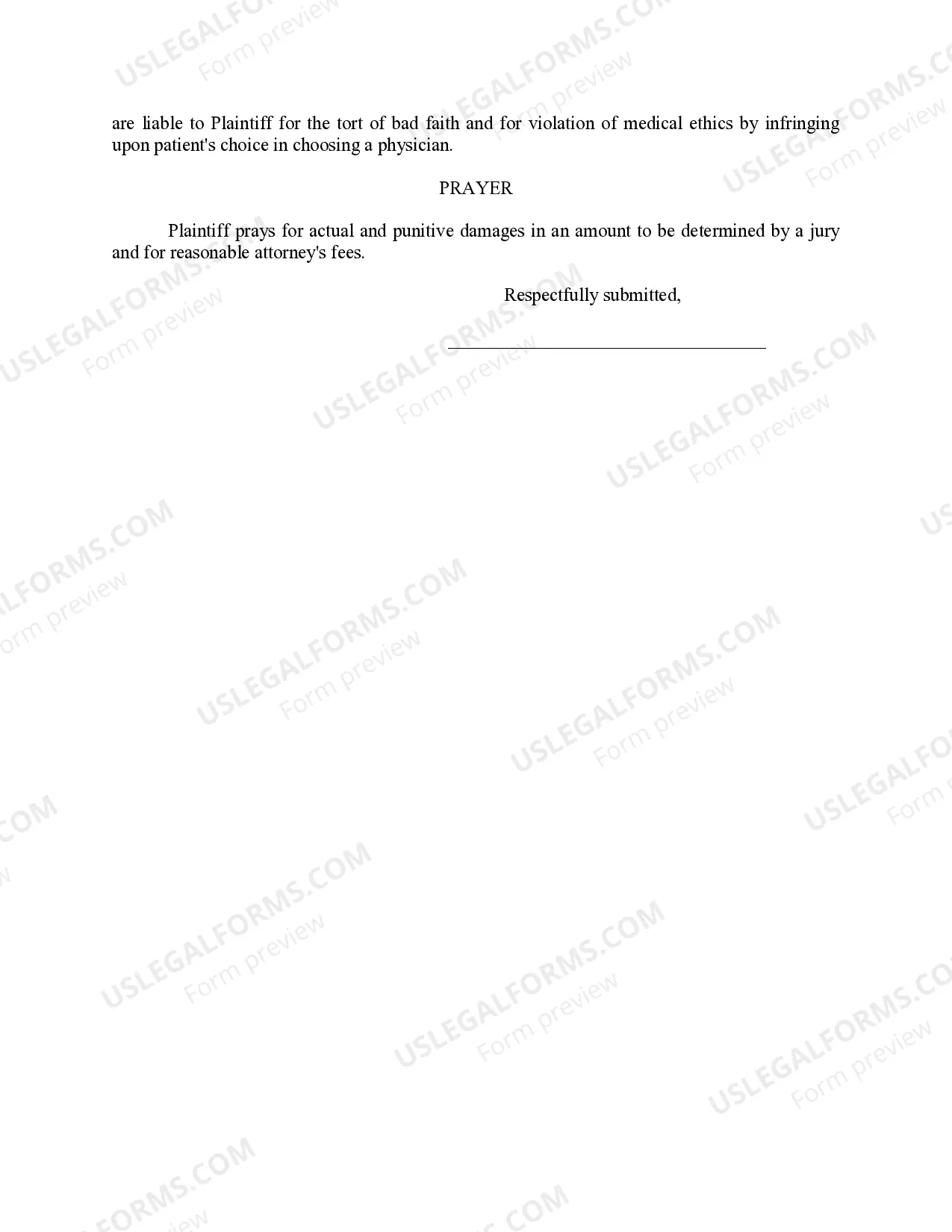




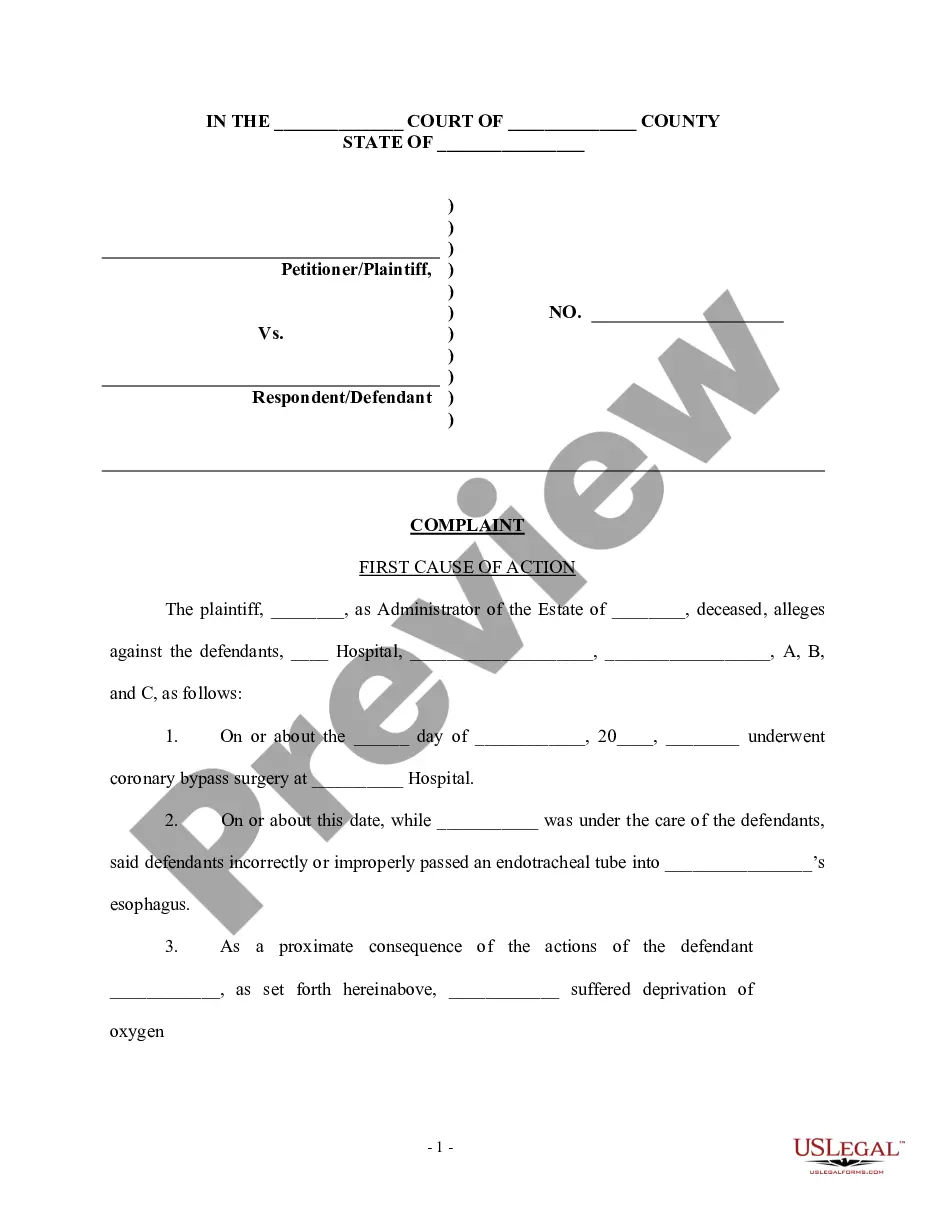
Get your form ready online
Our built-in tools help you complete, sign, share, and store your documents in one place.
Make edits, fill in missing information, and update formatting in US Legal Forms—just like you would in MS Word.
Download a copy, print it, send it by email, or mail it via USPS—whatever works best for your next step.
Sign and collect signatures with our SignNow integration. Send to multiple recipients, set reminders, and more. Go Premium to unlock E-Sign.
If this form requires notarization, complete it online through a secure video call—no need to meet a notary in person or wait for an appointment.
We protect your documents and personal data by following strict security and privacy standards.

Make edits, fill in missing information, and update formatting in US Legal Forms—just like you would in MS Word.

Download a copy, print it, send it by email, or mail it via USPS—whatever works best for your next step.

Sign and collect signatures with our SignNow integration. Send to multiple recipients, set reminders, and more. Go Premium to unlock E-Sign.

If this form requires notarization, complete it online through a secure video call—no need to meet a notary in person or wait for an appointment.

We protect your documents and personal data by following strict security and privacy standards.
Looking for another form?







Form popularity
FAQ
What's the difference between a Jury Trial and a Court Trial? In a jury trial, the decision of guilt or innocence is decided by either 6 or 12 citizens who listen to the evidence and make the decision. In a court trial, there is no jury present. The judge listens to the evidence and makes the decision.
How many times can a defendant be retried? For those facing hung jury retrials, it's as many times as the government pleases. Double jeopardy prohibitions do not apply when juries fail to reach a verdict. There is, theoretically, a built-in procedural solution to stop the government from endlessly retrying defendants.
In Texas, waiving a jury trial is generally enforceable if certain conditions are met. Texas courts will uphold a jury waiver clause if it is entered into knowingly and voluntarily. Here are key considerations for enforceability: Clear and Conspicuous Language: The waiver must be clearly stated in the contract.
What's the difference between a Jury Trial and a Court Trial? In a jury trial, the decision of guilt or innocence is decided by either 6 or 12 citizens who listen to the evidence and make the decision. In a court trial, there is no jury present. The judge listens to the evidence and makes the decision.
In a summary jury trial, the attorneys present a summary of the evidence to a jury which then renders a verdict that is advisory only. The jurors are not told that their opinion is nonbinding until after the verdict is rendered.
This Note explores the dual jury system in which each defendant in a joint trial has his or her own jury to decide guilt or innocence.
This Note explores the dual jury system in which each defendant in a joint trial has his or her own jury to decide guilt or innocence.
Introduction: Nature of the Binding Summary Jury Trial: A summary jury trial is generally a one-day jury trial with relaxed rules of evidence similar to arbitration. However, a jury decides factual issues and renders a verdict as a jury would in a traditional trial and the parties waive all appeals.