Sample Letter To Close Trustee Accounting For Beneficiary In Palm Beach
Description




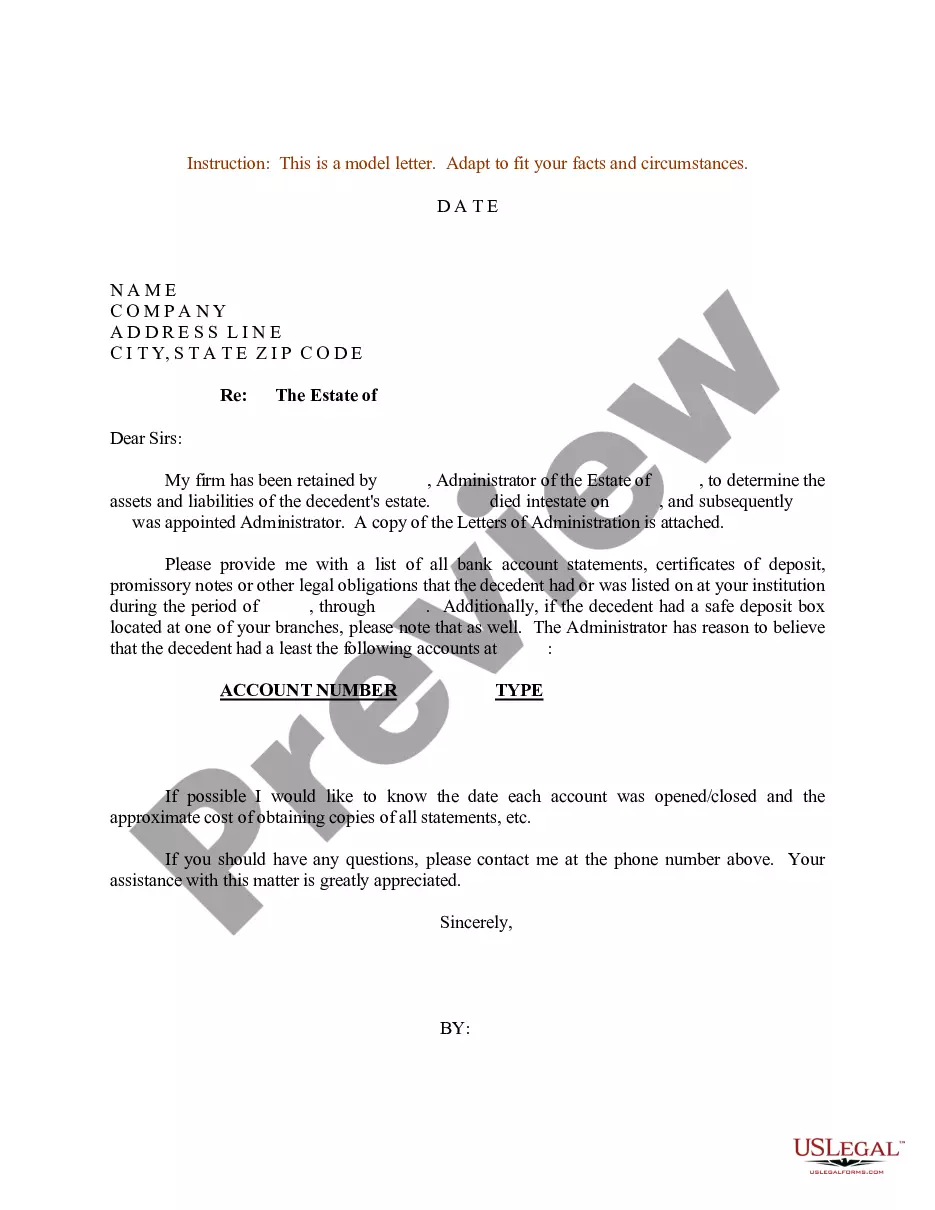
Get your form ready online
Our built-in tools help you complete, sign, share, and store your documents in one place.
Make edits, fill in missing information, and update formatting in US Legal Forms—just like you would in MS Word.
Download a copy, print it, send it by email, or mail it via USPS—whatever works best for your next step.
Sign and collect signatures with our SignNow integration. Send to multiple recipients, set reminders, and more. Go Premium to unlock E-Sign.
If this form requires notarization, complete it online through a secure video call—no need to meet a notary in person or wait for an appointment.
We protect your documents and personal data by following strict security and privacy standards.

Make edits, fill in missing information, and update formatting in US Legal Forms—just like you would in MS Word.

Download a copy, print it, send it by email, or mail it via USPS—whatever works best for your next step.

Sign and collect signatures with our SignNow integration. Send to multiple recipients, set reminders, and more. Go Premium to unlock E-Sign.

If this form requires notarization, complete it online through a secure video call—no need to meet a notary in person or wait for an appointment.

We protect your documents and personal data by following strict security and privacy standards.
Looking for another form?

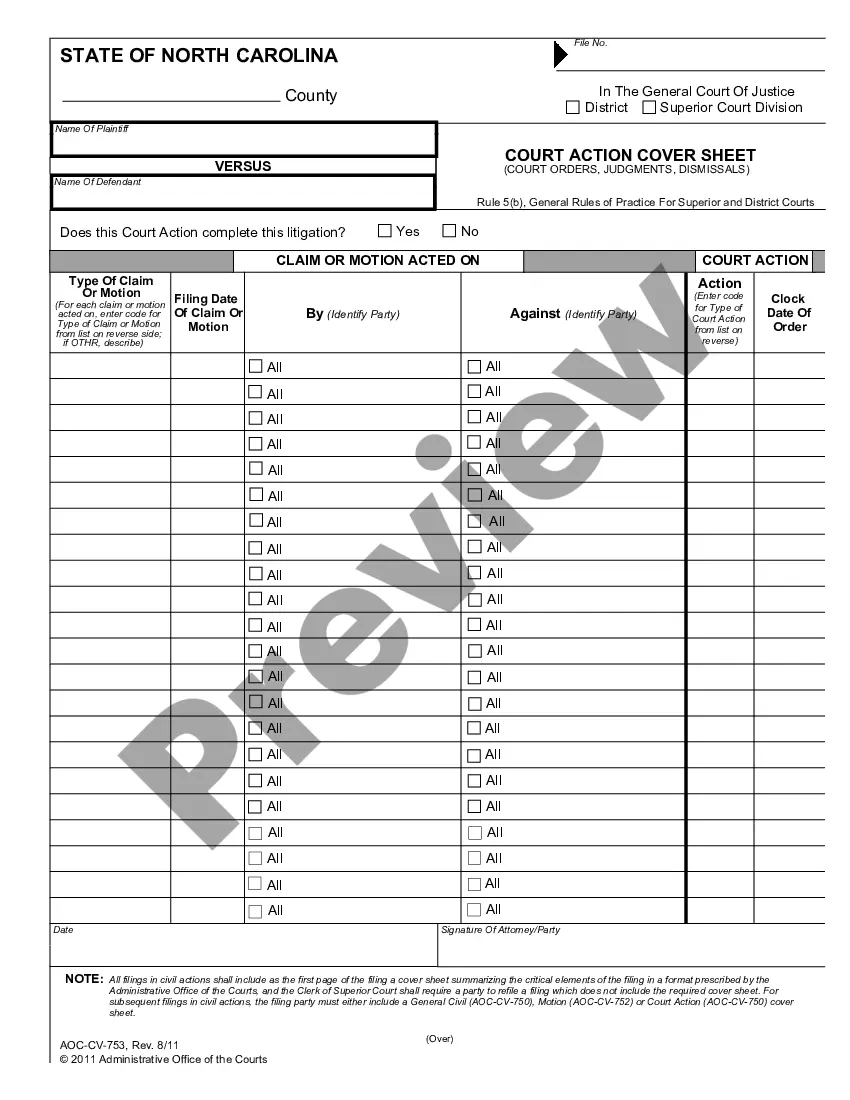


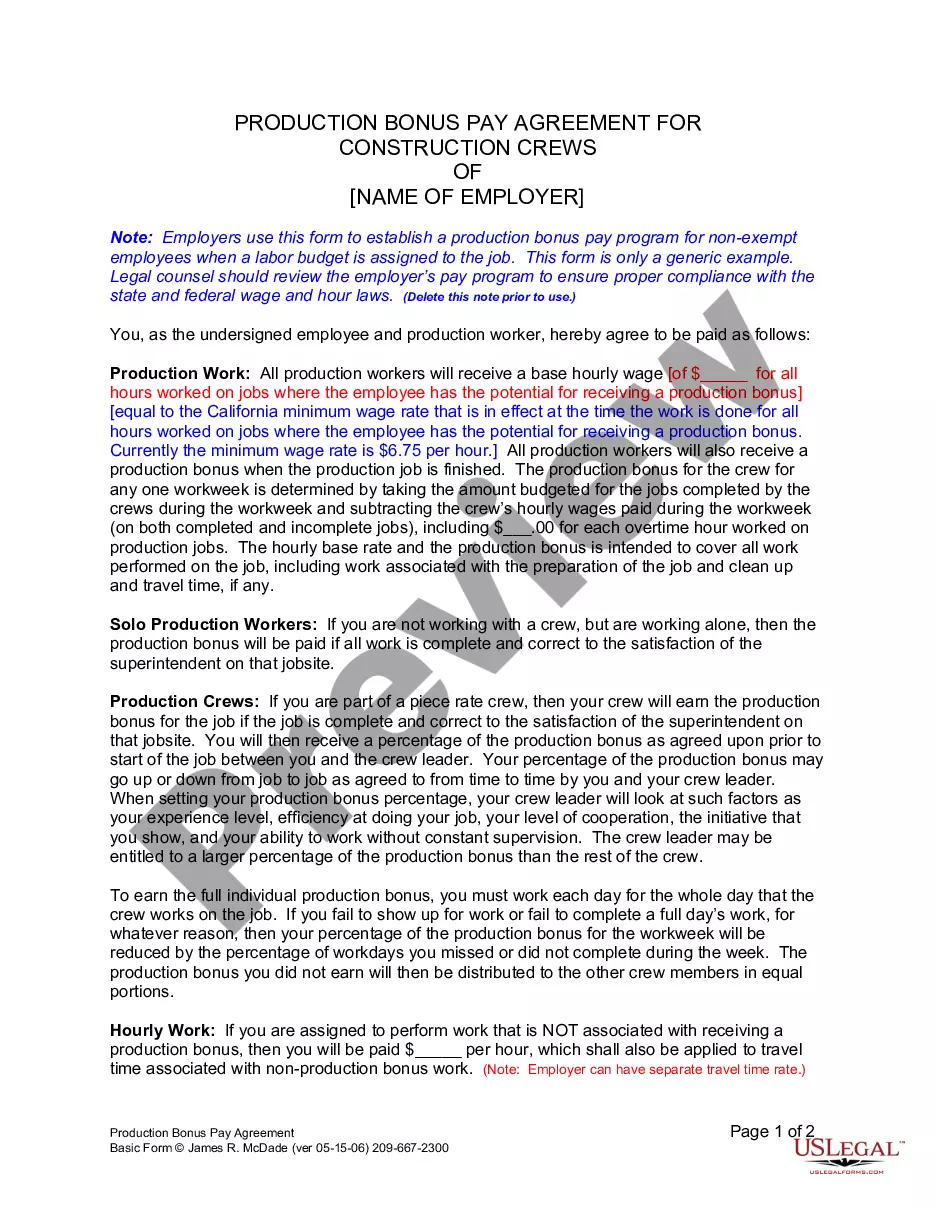


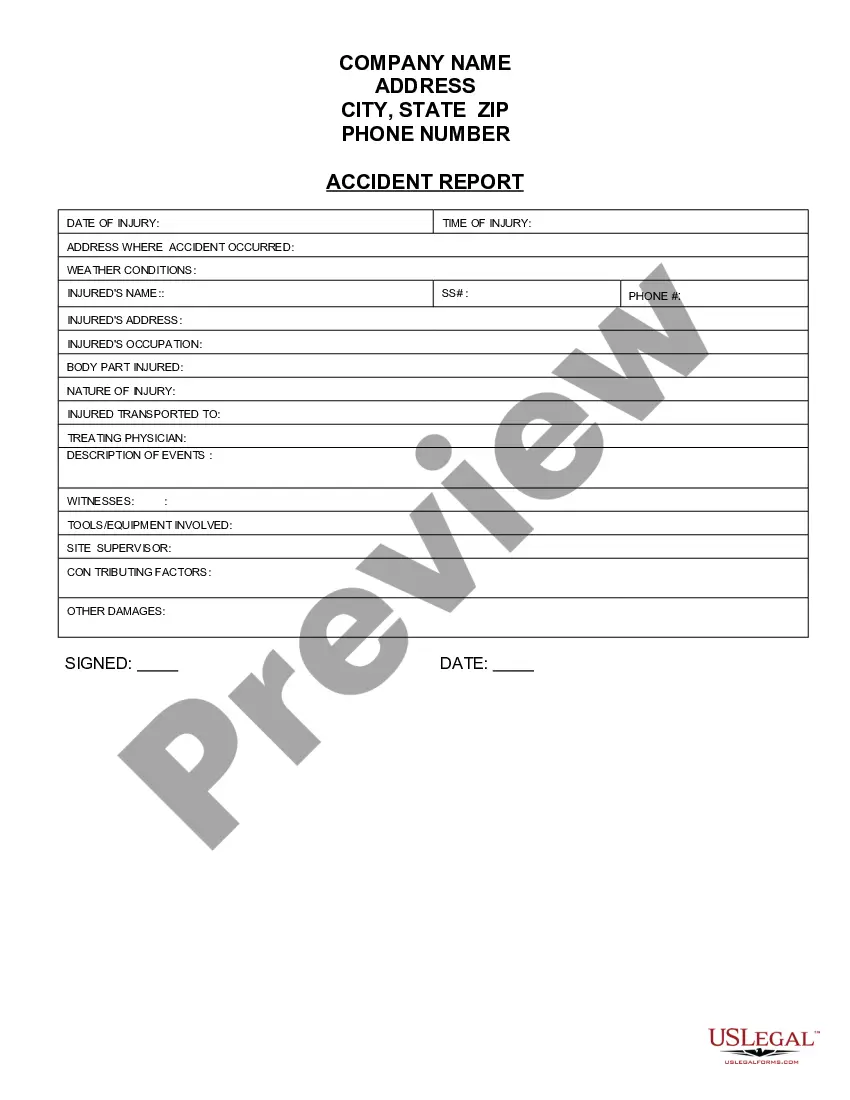


Form popularity
FAQ
Example: Dear Beneficiary's Name, I am Your Name, the executor of the estate of Deceased Person's Full Name, who passed away on Date of Death. I am writing to inform you about the distribution of the estate's assets.
Below, we have broken the process down into manageable steps. Step 1: Start with a Proper Salutation. Step 2: Introduce Yourself and Your Relationship to the Deceased. Step 3: Clearly State the Purpose of the Letter. Step 4: Provide Detailed Information about the Inheritance.
I would say something like: This letter is confirmation that I will be receiving $___ as an inheritance distribution from the Estate of _______________. It is estimated that this inheritance will be distributed to me on or before ___________, 2011.
Below, we have broken the process down into manageable steps. Step 1: Start with a Proper Salutation. Step 2: Introduce Yourself and Your Relationship to the Deceased. Step 3: Clearly State the Purpose of the Letter. Step 4: Provide Detailed Information about the Inheritance.
California statutory law requires a trustee to account annually to current trust beneficiaries, i.e., those who are currently entitled to receive distributions of income and principal during the accounting period. Any trustee, other than the settlor(s) who established the trust, has a duty to account.
A good letter of instruction should contain the following information: A complete list of all assets. The whereabouts of any tangible assets that are not readily accessible. Necessary information about all liquid assets, including bank, brokerage, retirement, and investment accounts.
Here are some things to consider when drafting a letter to your executor or trustee. Your thoughts about wealth. Describe key players in the family. What matters to you? ... Give your trustee the power to make decisions, even when that means saying no.
Terminating an active trust requires court intervention or unanimous beneficiary consent. A party with legal standing must demonstrate compelling reasons for a judge to order dissolution, or alternatively, all beneficiaries must concur on ending the trust, ensuring adherence to the trust's purpose and legal procedures.
California statutory law requires a trustee to account annually to current trust beneficiaries, i.e., those who are currently entitled to receive distributions of income and principal during the accounting period. Any trustee, other than the settlor(s) who established the trust, has a duty to account.
The trustee can also request their own removal voluntarily if they believe they are not fit for the role. Essentially, anyone named in the trust document or (if all persons named are deceased) anyone who is a personal representative of the estate may request the removal.
