Decedent Account Bank Format In Miami-Dade
Description


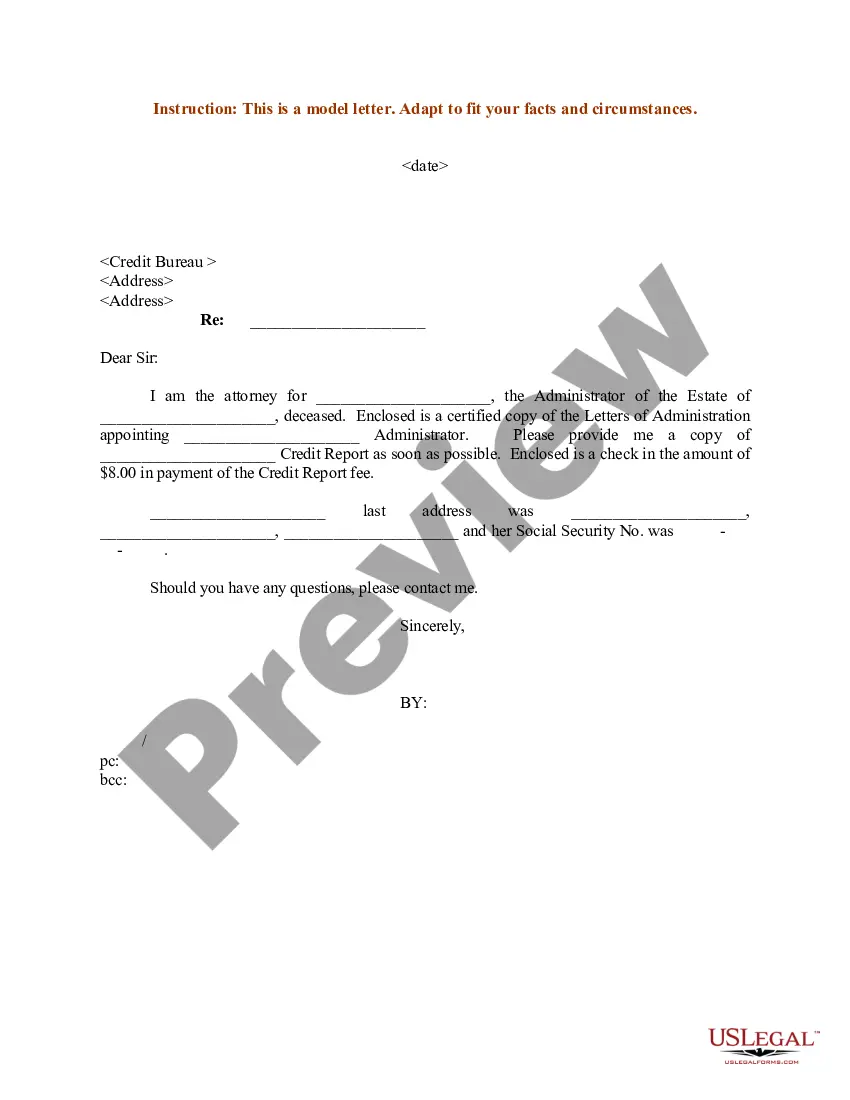

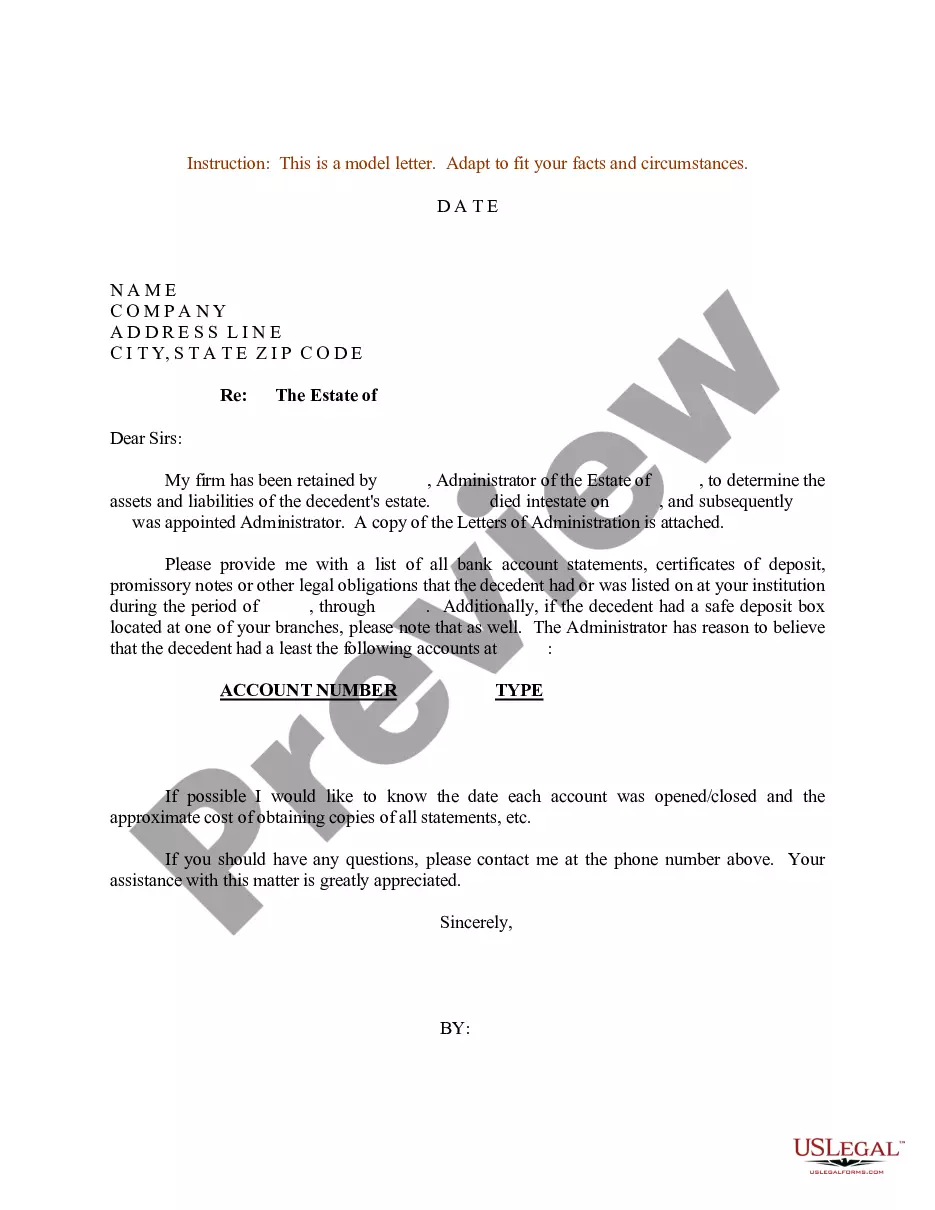
Get your form ready online
Our built-in tools help you complete, sign, share, and store your documents in one place.
Make edits, fill in missing information, and update formatting in US Legal Forms—just like you would in MS Word.
Download a copy, print it, send it by email, or mail it via USPS—whatever works best for your next step.
Sign and collect signatures with our SignNow integration. Send to multiple recipients, set reminders, and more. Go Premium to unlock E-Sign.
If this form requires notarization, complete it online through a secure video call—no need to meet a notary in person or wait for an appointment.
We protect your documents and personal data by following strict security and privacy standards.

Make edits, fill in missing information, and update formatting in US Legal Forms—just like you would in MS Word.

Download a copy, print it, send it by email, or mail it via USPS—whatever works best for your next step.

Sign and collect signatures with our SignNow integration. Send to multiple recipients, set reminders, and more. Go Premium to unlock E-Sign.

If this form requires notarization, complete it online through a secure video call—no need to meet a notary in person or wait for an appointment.

We protect your documents and personal data by following strict security and privacy standards.
Looking for another form?








Form popularity
FAQ
Some banks or building societies will allow the executors or administrators to access the account of someone who has died without a Grant of Probate.
You must simply complete a beneficiary designation form for the particular account and file it with the appropriate financial institution (life insurance company or employer), and your beneficiary will be able to avoid probate and automatically gain control when you die.
If an asset does not have a named beneficiary or rights of survivorship, it will have to go through probate to change ownership pursuant to the Florida Probate Rules (2024). The most common assets that go through this process are bank accounts, real estate, vehicles, and personal property.
Transfer on Death Accounts In this case, no probate is required. Banks, life insurance policies and credit unions are common examples. But it can also include retirement funds, boats and saving bonds. Joint-held accounts will also allow the surviving owner to take full ownership, bypassing probate.
Transfer on Death Accounts In this case, no probate is required. Banks, life insurance policies and credit unions are common examples. But it can also include retirement funds, boats and saving bonds. Joint-held accounts will also allow the surviving owner to take full ownership, bypassing probate.
To obtain letters of administration for an estate, the personal representative must follow a series of steps. These include filing a petition with the probate court, providing notice to interested parties, and attending a court hearing. The court will review the petition and, if approved, issue the necessary letters.
In order to open a bank account for a trust administration, the trustee should present a copy of the trust instrument indicating his or her appointment as successor trustee, the death certificate that serves to verify that the original grantor/trustee is no longer serving, as well as a taxpayer identification number.
The bank account will go to the named beneficiary of the account or of your will.
How to open an estate account Step 1: Begin the probate process. The steps for beginning this process depend on the state in which the deceased person resided. Step 2: Obtain a tax ID number for the estate account. Step 3: Bring all required documents to the bank. Step 4: Open the estate account.
