Sample Letter To Close Trust Account For A Minor In King
Description


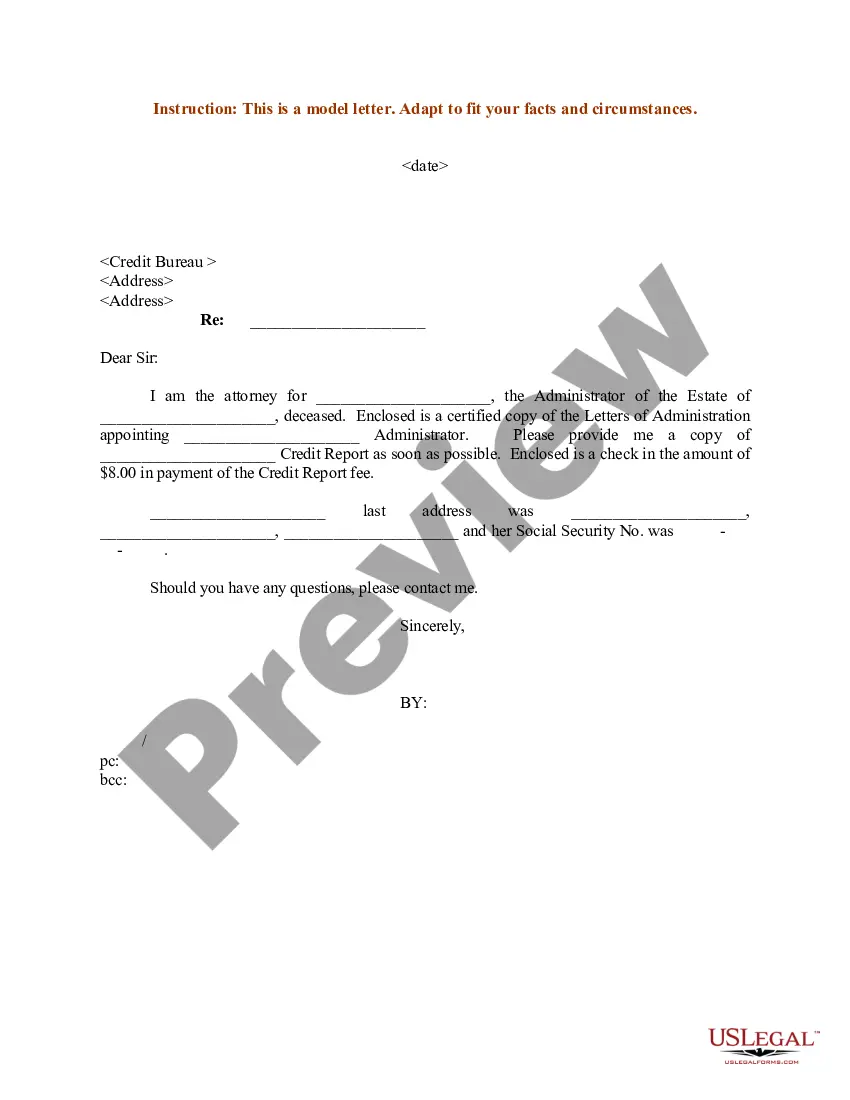

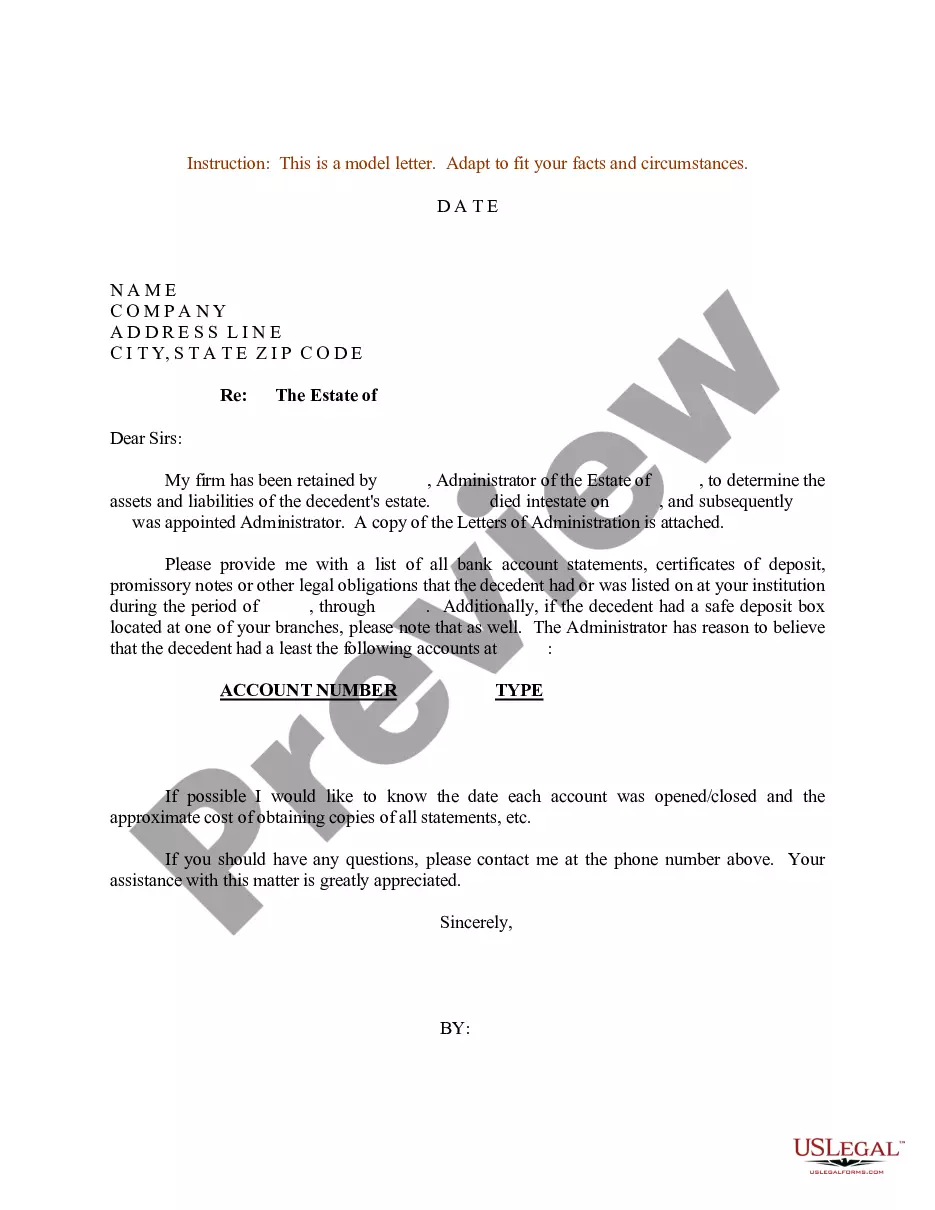
Get your form ready online
Our built-in tools help you complete, sign, share, and store your documents in one place.
Make edits, fill in missing information, and update formatting in US Legal Forms—just like you would in MS Word.
Download a copy, print it, send it by email, or mail it via USPS—whatever works best for your next step.
Sign and collect signatures with our SignNow integration. Send to multiple recipients, set reminders, and more. Go Premium to unlock E-Sign.
If this form requires notarization, complete it online through a secure video call—no need to meet a notary in person or wait for an appointment.
We protect your documents and personal data by following strict security and privacy standards.

Make edits, fill in missing information, and update formatting in US Legal Forms—just like you would in MS Word.

Download a copy, print it, send it by email, or mail it via USPS—whatever works best for your next step.

Sign and collect signatures with our SignNow integration. Send to multiple recipients, set reminders, and more. Go Premium to unlock E-Sign.

If this form requires notarization, complete it online through a secure video call—no need to meet a notary in person or wait for an appointment.

We protect your documents and personal data by following strict security and privacy standards.
Looking for another form?









Form popularity
FAQ
Irrevocable trusts generally end after the death of the grantor, when all of the assets are distributed by the trustee to the beneficiaries. The grantor can also specify an end date or a condition that must be met before the assets can be distributed.
Send notice in writing to all of the trust beneficiaries and any other interested parties providing them with the effective date of the trust dissolution. Obtain signed documents from the beneficiaries acknowledging their receipt of trust distributions.
Here are some things to consider when drafting a letter to your executor or trustee. Your thoughts about wealth. Describe key players in the family. What matters to you? ... Give your trustee the power to make decisions, even when that means saying no.
Only the trustee can close the trust account. Check the bank's requirements for closing accounts to see what documentation you need to bring with you, usually personal identification and any papers you received when you first set up the trust account.
A letter of instruction is a cheat sheet for anyone involved in settling your affairs. Unlike a will, this letter has no legal authority. However, it can provide an easy-to-understand explanation of your overall estate plan to your executor and lay out your wishes to your family for things not covered by the will.
Here are some things to consider when drafting a letter to your executor or trustee. Your thoughts about wealth. Describe key players in the family. What matters to you? ... Give your trustee the power to make decisions, even when that means saying no.
Only the trustee can close the trust account. Check the bank's requirements for closing accounts to see what documentation you need to bring with you, usually personal identification and any papers you received when you first set up the trust account.
Dissolving a revocable trust typically involves the trust's founder taking the following steps: Plan for the Assets. Step One is making a plan for the assets that it holds. Draft a Declaration of Intent. Step Two is creating a declaration of intent. File the Document With a Court.
