Sample Letter To Close Trust Account For Deceased Person In Fulton
Description


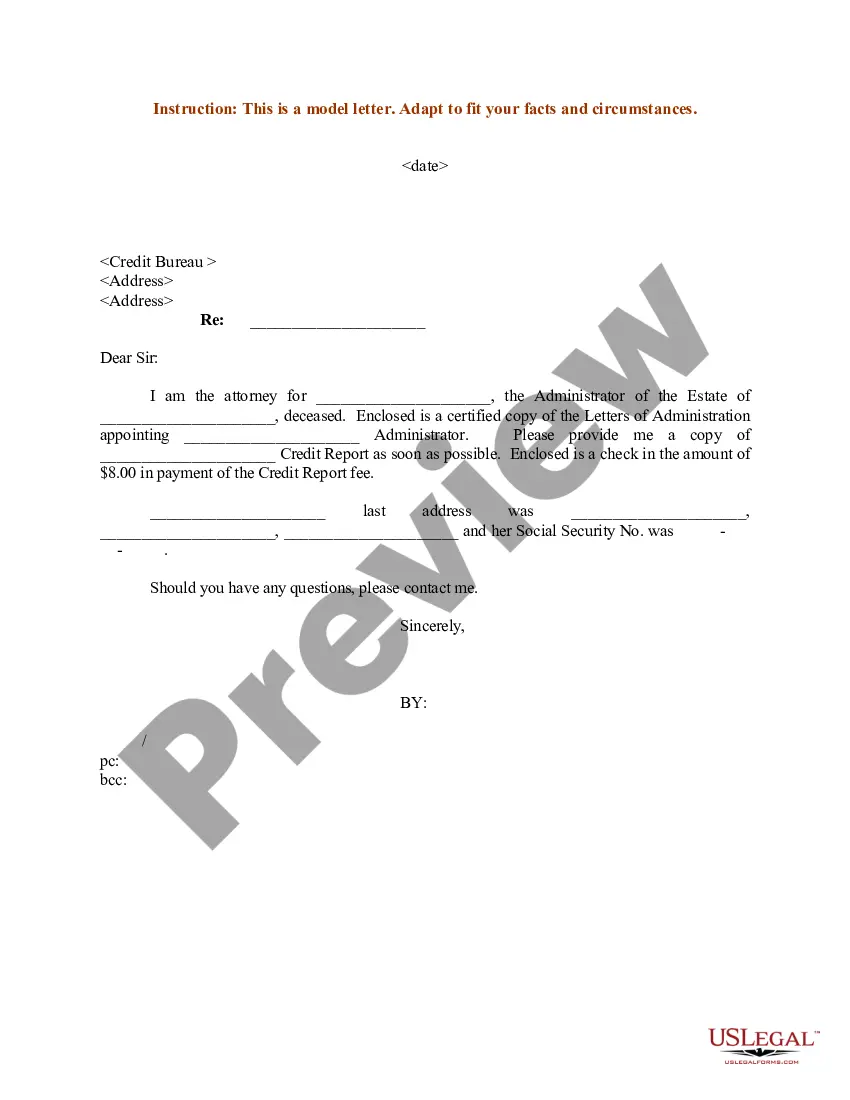

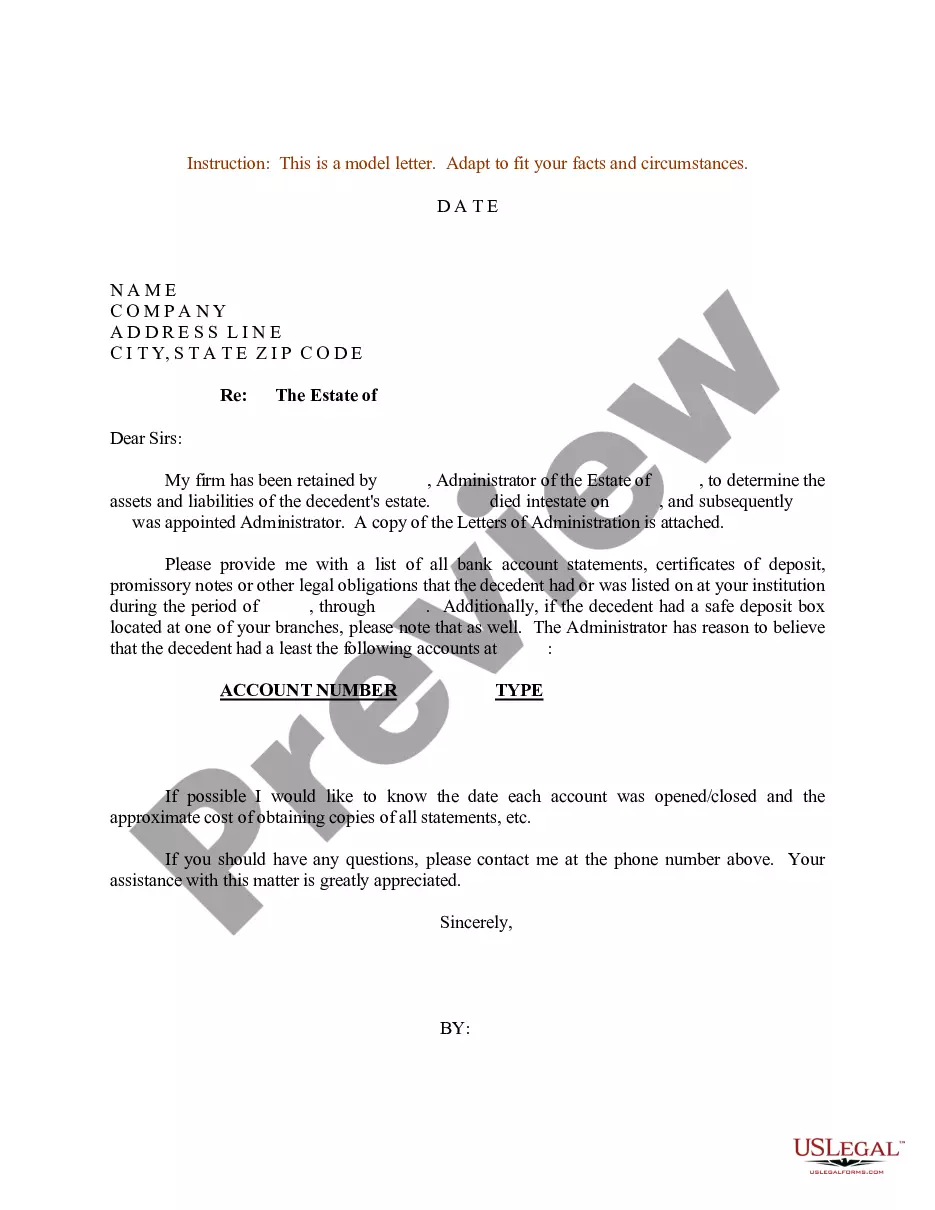
Get your form ready online
Our built-in tools help you complete, sign, share, and store your documents in one place.
Make edits, fill in missing information, and update formatting in US Legal Forms—just like you would in MS Word.
Download a copy, print it, send it by email, or mail it via USPS—whatever works best for your next step.
Sign and collect signatures with our SignNow integration. Send to multiple recipients, set reminders, and more. Go Premium to unlock E-Sign.
If this form requires notarization, complete it online through a secure video call—no need to meet a notary in person or wait for an appointment.
We protect your documents and personal data by following strict security and privacy standards.

Make edits, fill in missing information, and update formatting in US Legal Forms—just like you would in MS Word.

Download a copy, print it, send it by email, or mail it via USPS—whatever works best for your next step.

Sign and collect signatures with our SignNow integration. Send to multiple recipients, set reminders, and more. Go Premium to unlock E-Sign.

If this form requires notarization, complete it online through a secure video call—no need to meet a notary in person or wait for an appointment.

We protect your documents and personal data by following strict security and privacy standards.
Looking for another form?

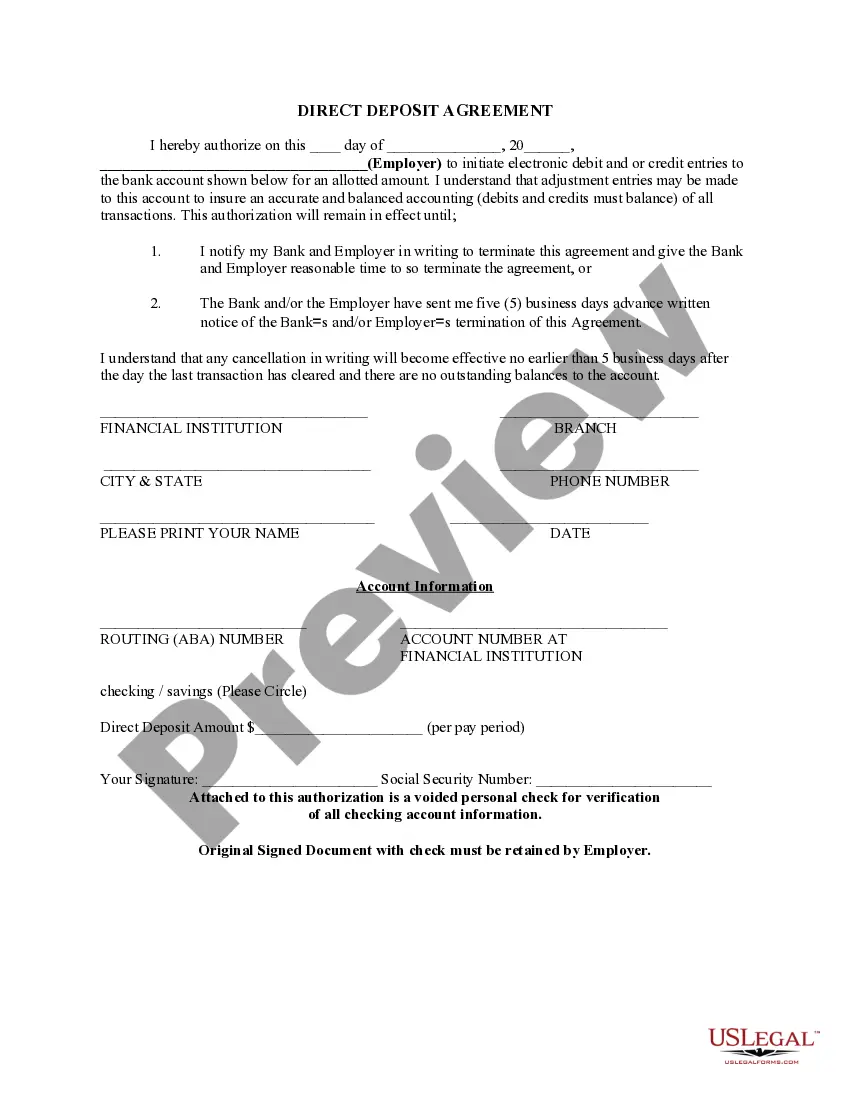
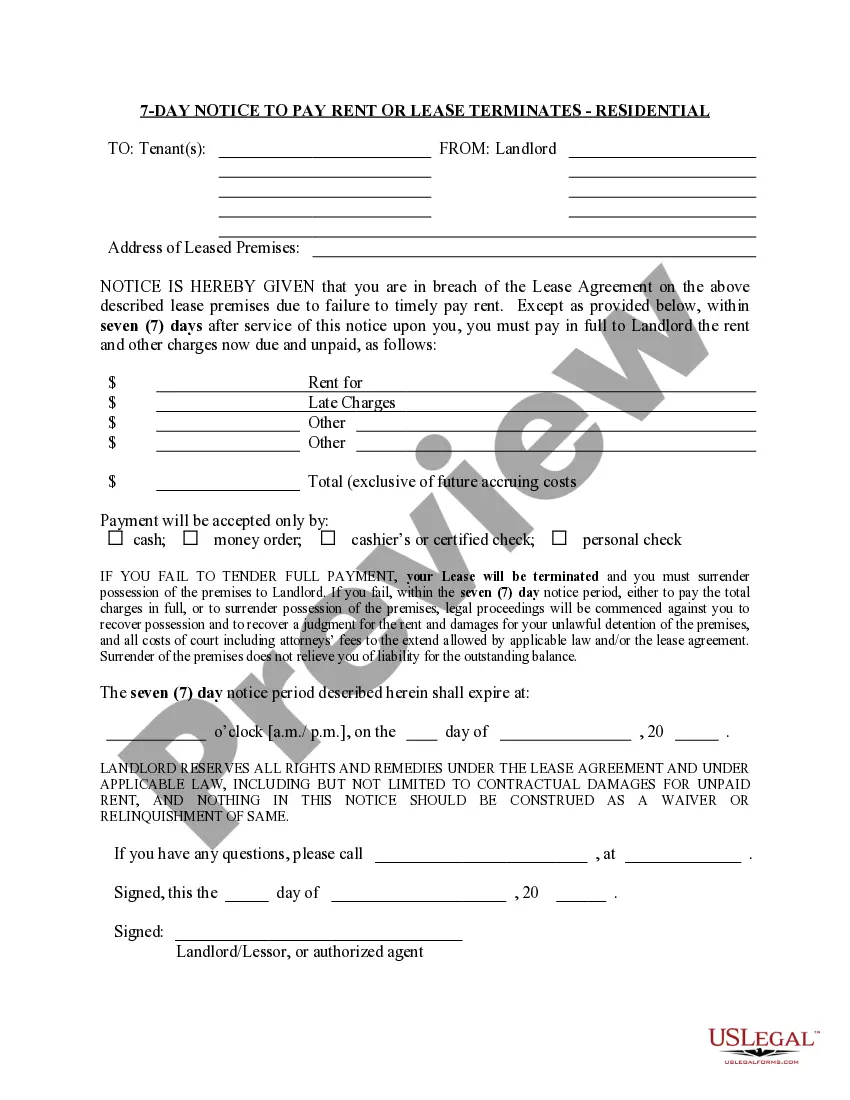




Form popularity
FAQ
Respected Sir/Madam, I am writing to you with a heavy heart to inform you of the demise of my husband, Mr. Rajeev Singh, who had a savings account in your esteemed bank. It is a difficult time for our family, and I need to settle his financial affairs.
A trust automatically terminates under California law when any of the following occurs: The term of the trust expires. The purpose of the trust is fulfilled. The purpose of the trust becomes unlawful.
Yes, if a beneficiary dies then the trustee may make a distribution to the beneficiary's estate - the Cleardocs discretionary trust deed has 2 requirements to allow for this: There must be a testamentary trust in the deceased beneficiary's will; and.
Once you die, your living trust becomes irrevocable, which means that your wishes are now set in stone. The person you named to be the successor trustee now steps up to take an inventory of the trust assets and eventually hand over property to the beneficiaries named in the trust.
A good letter of instruction should contain the following information: A complete list of all assets. The whereabouts of any tangible assets that are not readily accessible. Necessary information about all liquid assets, including bank, brokerage, retirement, and investment accounts.
Steps to Closing Out a Trust After Death Step 1: Notify Beneficiaries and Creditors. The first task for the successor trustee is to notify both the beneficiaries and creditors. Step 2: Inventory and Value Assets. Step 3: Settle Debts and Taxes. Step 4: Distribute Assets to Beneficiaries. Step 5: Dissolve the Trust.
When one spouse dies before the second spouse, the question is, does the revocable trust turn irrevocable? The general rule is both grantors must die for a revocable trust to become irrevocable. However, there are legal ways to change the general rule for co-grantors.
If there's a will without a named executor, the court will issue a Letter of Testamentary; if there's no will, the court will issue a Letter of Administration. Present either of these letters to the bank along with the death certificate to close the account.
Dear Sir/Madam, Sub.: Deletion of name of the deceased shareholder. I/We, the undersigned being the joint holder(s) with Mr./Mrs./Miss …………………… (deceased) who has expired on ………………… hereby request you to delete his/her name from the Register of Members of the Company in respect of the …………………… shares.
