Letter To Close Account After Death Without Will In Florida
Description




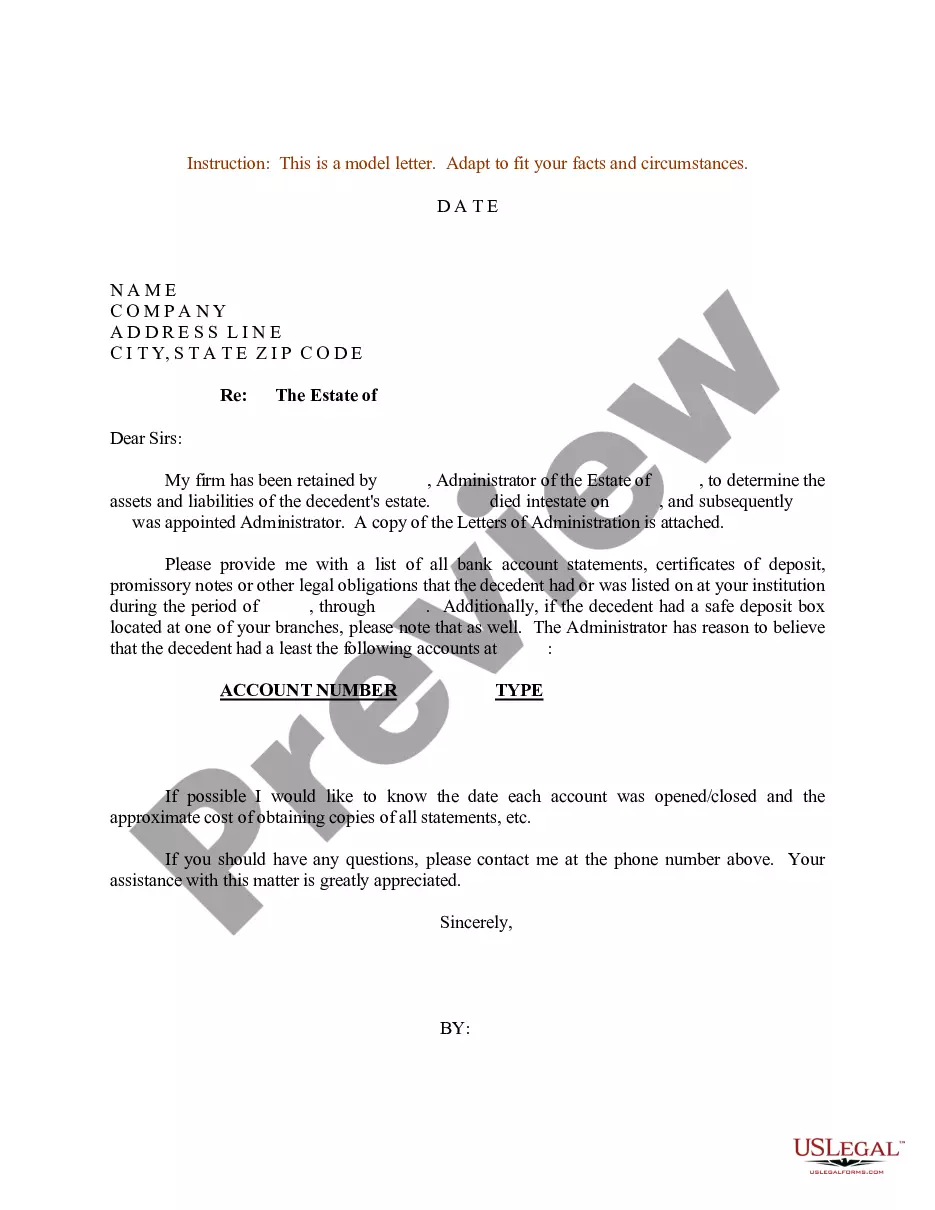
Get your form ready online
Our built-in tools help you complete, sign, share, and store your documents in one place.
Make edits, fill in missing information, and update formatting in US Legal Forms—just like you would in MS Word.
Download a copy, print it, send it by email, or mail it via USPS—whatever works best for your next step.
Sign and collect signatures with our SignNow integration. Send to multiple recipients, set reminders, and more. Go Premium to unlock E-Sign.
If this form requires notarization, complete it online through a secure video call—no need to meet a notary in person or wait for an appointment.
We protect your documents and personal data by following strict security and privacy standards.

Make edits, fill in missing information, and update formatting in US Legal Forms—just like you would in MS Word.

Download a copy, print it, send it by email, or mail it via USPS—whatever works best for your next step.

Sign and collect signatures with our SignNow integration. Send to multiple recipients, set reminders, and more. Go Premium to unlock E-Sign.

If this form requires notarization, complete it online through a secure video call—no need to meet a notary in person or wait for an appointment.

We protect your documents and personal data by following strict security and privacy standards.
Looking for another form?




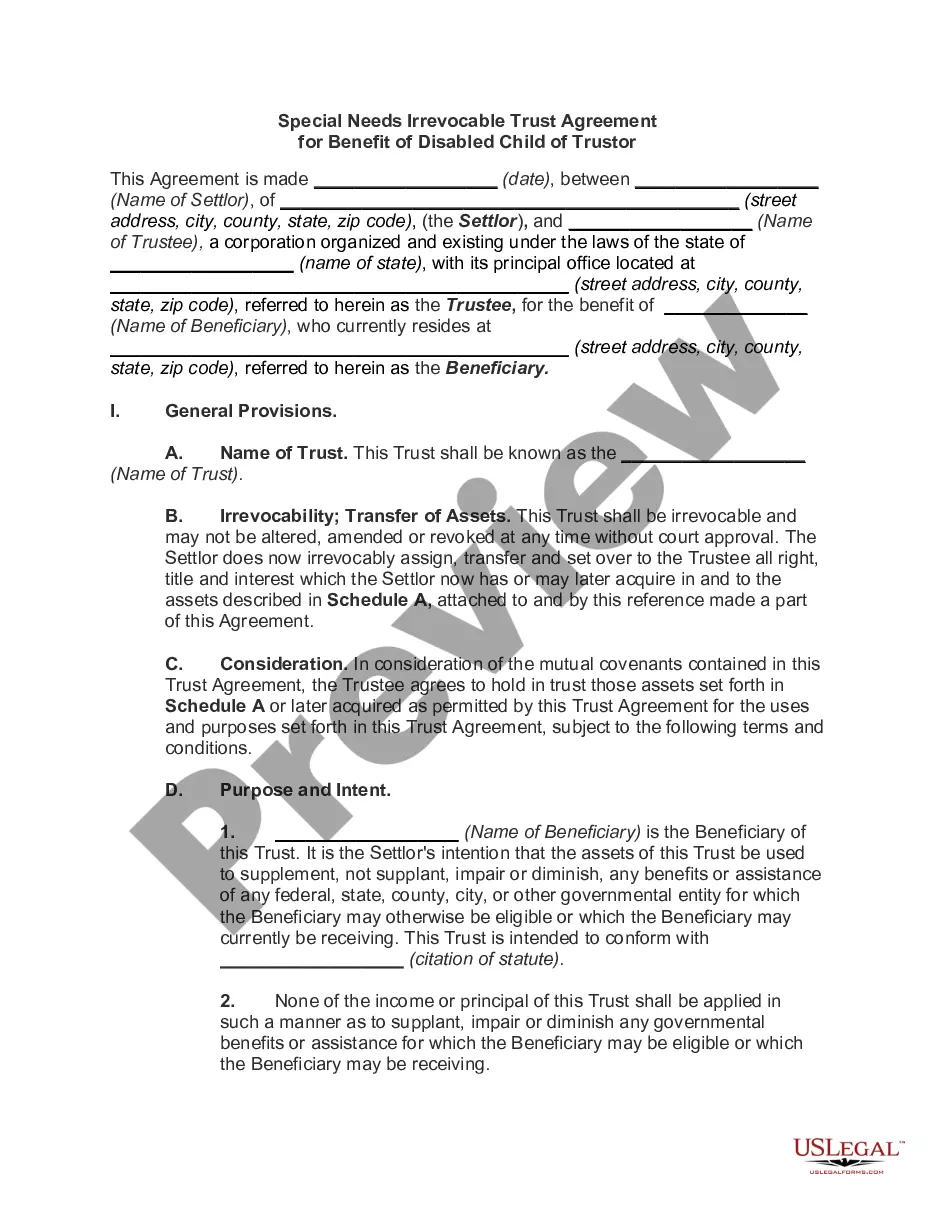



Form popularity
FAQ
First, the assets go to the descendants of the decedent. If there is no descendant, the estate passes to the decedent's father and mother equally. If there are neither descendants nor parents, the estate passes to the decedent's brothers and sisters and their decedents.
Respected Sir/Madam, I am writing to you with a heavy heart to inform you of the demise of my husband, Mr. Rajeev Singh, who had a savings account in your esteemed bank. It is a difficult time for our family, and I need to settle his financial affairs.
The bank is likely to ask for two forms of your identification (usually a passport or driver's licence, or a proof of address with a utility bill) and a copy of the will. If there's no will, the bank could ask for evidence of your relationship to the deceased. You'll also need the death certificate.
Initiating probate without a will in Florida If your loved one had left a will, you would be required to file it in probate court within 10 days of their death. Without a will, though, there is no deadline as to how soon you need to file for probate in Florida.
Bank accounts with no named beneficiaries will need to pass through Florida probate as per the will's instructions by the personal representative. Probate can be expensive and complicated, leaving it open to disputes and family turmoil. Your will is also accessible to the public in Florida after your passing.
Probate Administration To access the funds in a deceased person's bank account, the appointed executor must provide documentation to the bank to prove that the court has appointed them as the estate executor. This documentation may include a death certificate, letters testamentary, and other legal documents.
If there's no will or no executor named in the will: If there is no will or the person who should handle the estate is not named in the will, a relative or legal representative must request permission from the probate court to close the account.
Depending on the amounts involved, it's possible to close an account without probate (the legal right to deal with someone's estate when they die). Each financial institution has its own limit and so you need to contact them to see what their process is.
