Sample Letter To Close Trust Account With Attorney In Bronx
Description




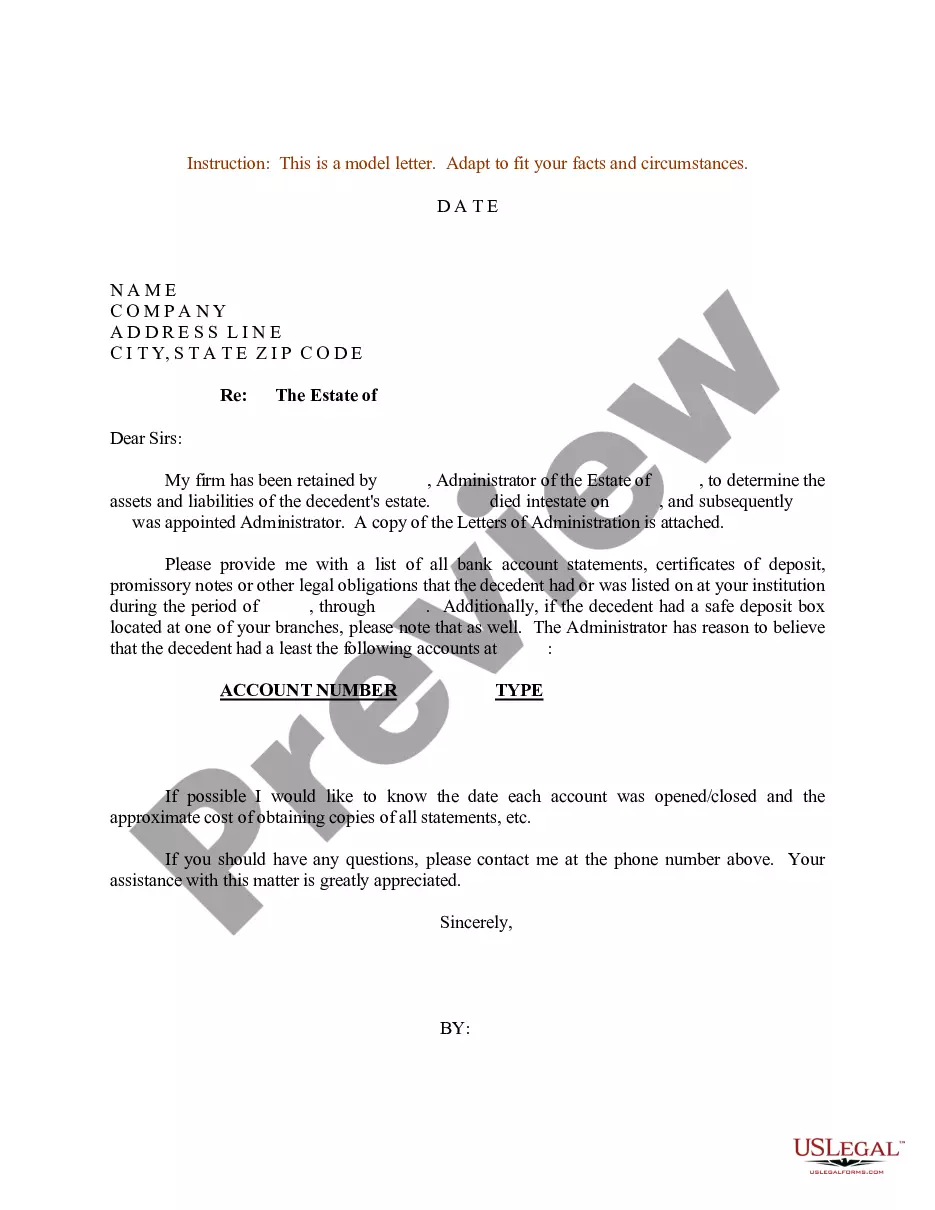
Get your form ready online
Our built-in tools help you complete, sign, share, and store your documents in one place.
Make edits, fill in missing information, and update formatting in US Legal Forms—just like you would in MS Word.
Download a copy, print it, send it by email, or mail it via USPS—whatever works best for your next step.
Sign and collect signatures with our SignNow integration. Send to multiple recipients, set reminders, and more. Go Premium to unlock E-Sign.
If this form requires notarization, complete it online through a secure video call—no need to meet a notary in person or wait for an appointment.
We protect your documents and personal data by following strict security and privacy standards.

Make edits, fill in missing information, and update formatting in US Legal Forms—just like you would in MS Word.

Download a copy, print it, send it by email, or mail it via USPS—whatever works best for your next step.

Sign and collect signatures with our SignNow integration. Send to multiple recipients, set reminders, and more. Go Premium to unlock E-Sign.

If this form requires notarization, complete it online through a secure video call—no need to meet a notary in person or wait for an appointment.

We protect your documents and personal data by following strict security and privacy standards.
Looking for another form?
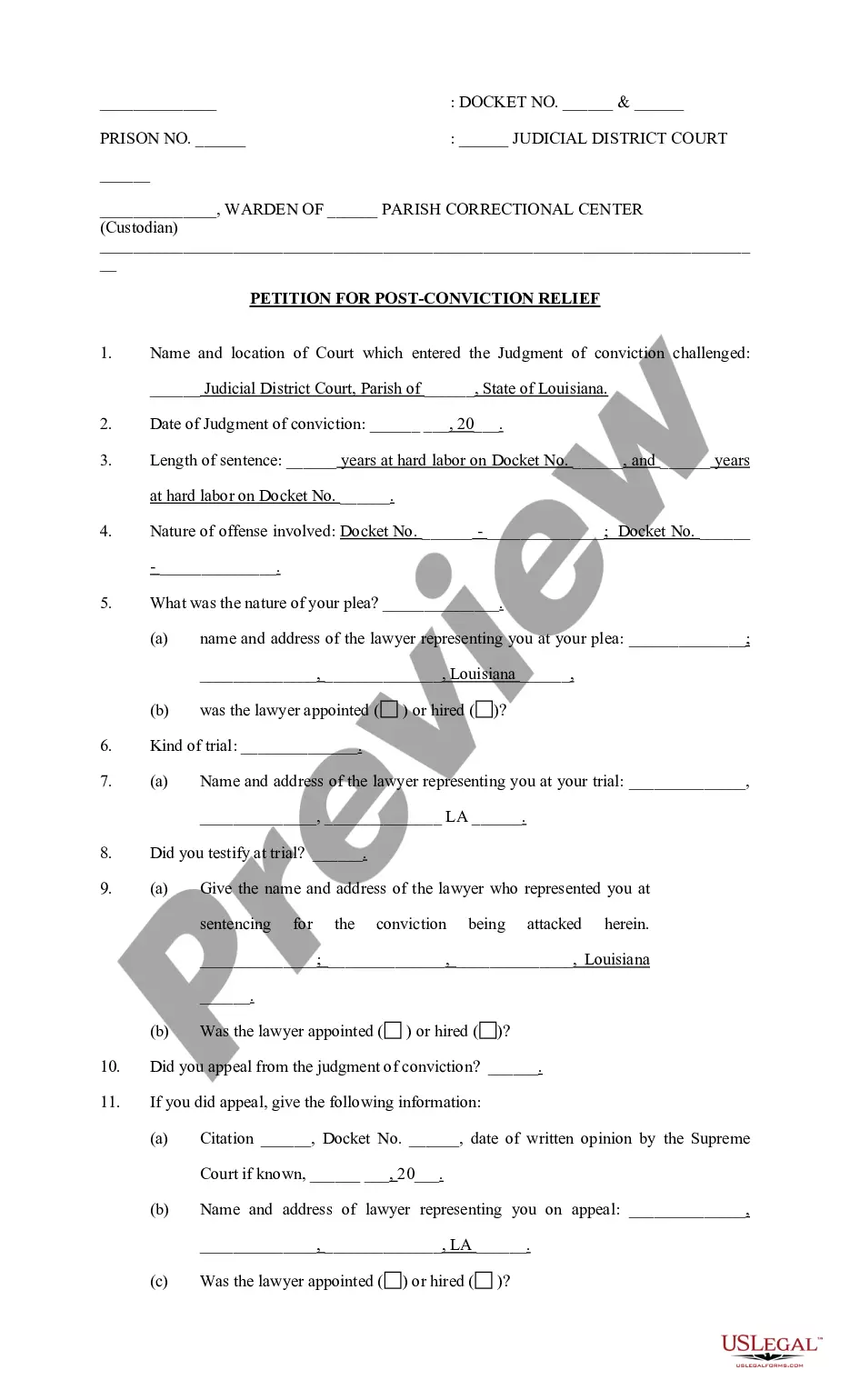


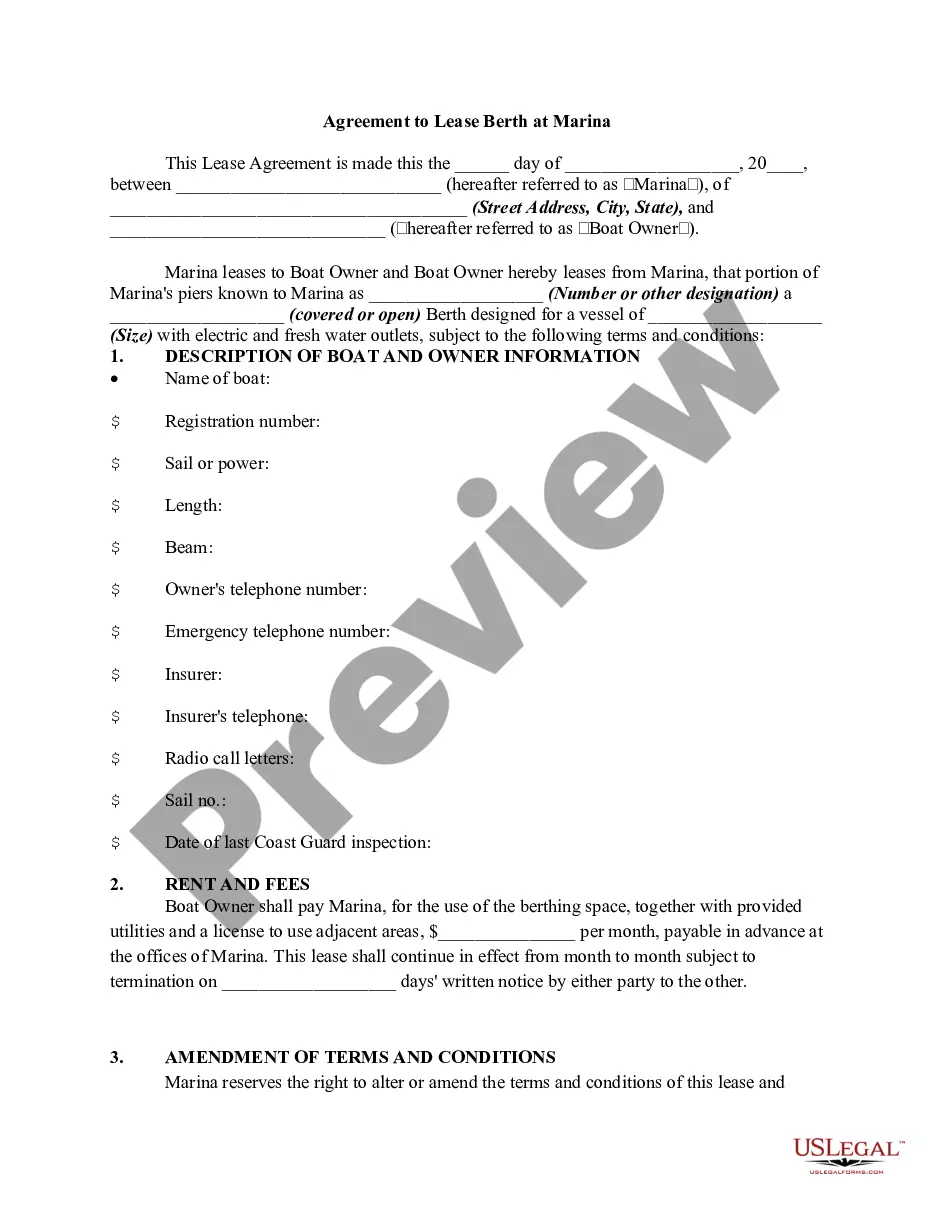






Form popularity
FAQ
All of those are acceptable in either a formal or an informal context, though “Best regards” would be the most appropriate to use in a formal context. “Yours truly” is the classic closing for letters, which is sometimes used in emails, though not as often.
How to End a Letter: 12 Useful Farewell Phrases Sincerely. Sincerely (or sincerely yours) is often the go-to sign off for formal letters, and with good reason. Best. Best regards. Speak to you soon. Thanks. No sign-off ... Yours truly. Take care.
“Yours sincerely”, “Sincerely yours” and “Sincerely” are all possible. “Yours sincerely” is the most common. “Sincerely” is one often used by lawyers.
Thank you for allowing our firm to represent you in this matter. Our representation for this matter is now concluded and we are closing our file. We will give you your original file. Please make arrangements with our office to pick up your file within 60 days of the date of this letter.
“Sincerely,” “Regards,” and “Appreciatively” are all appropriate closings for formal letters. “Take care,” “Have a good day,” and “Thanks!” work for a more informal approach.
The closing should summarize the points of the case. Mention your theme at the start, then what you have to prove and by what standard of proof (beyond a reasonable doubt presumably here), then mention how you've proven it (by the evidence that came out at trial), then mention your theme again.
The primary purpose of a trust account is to safeguard client assets until their legal matter is resolved or until directed otherwise by the client or court order. This separation of funds is a fundamental aspect of legal practice, ensuring transparency and trust between a law firm and its clients.
