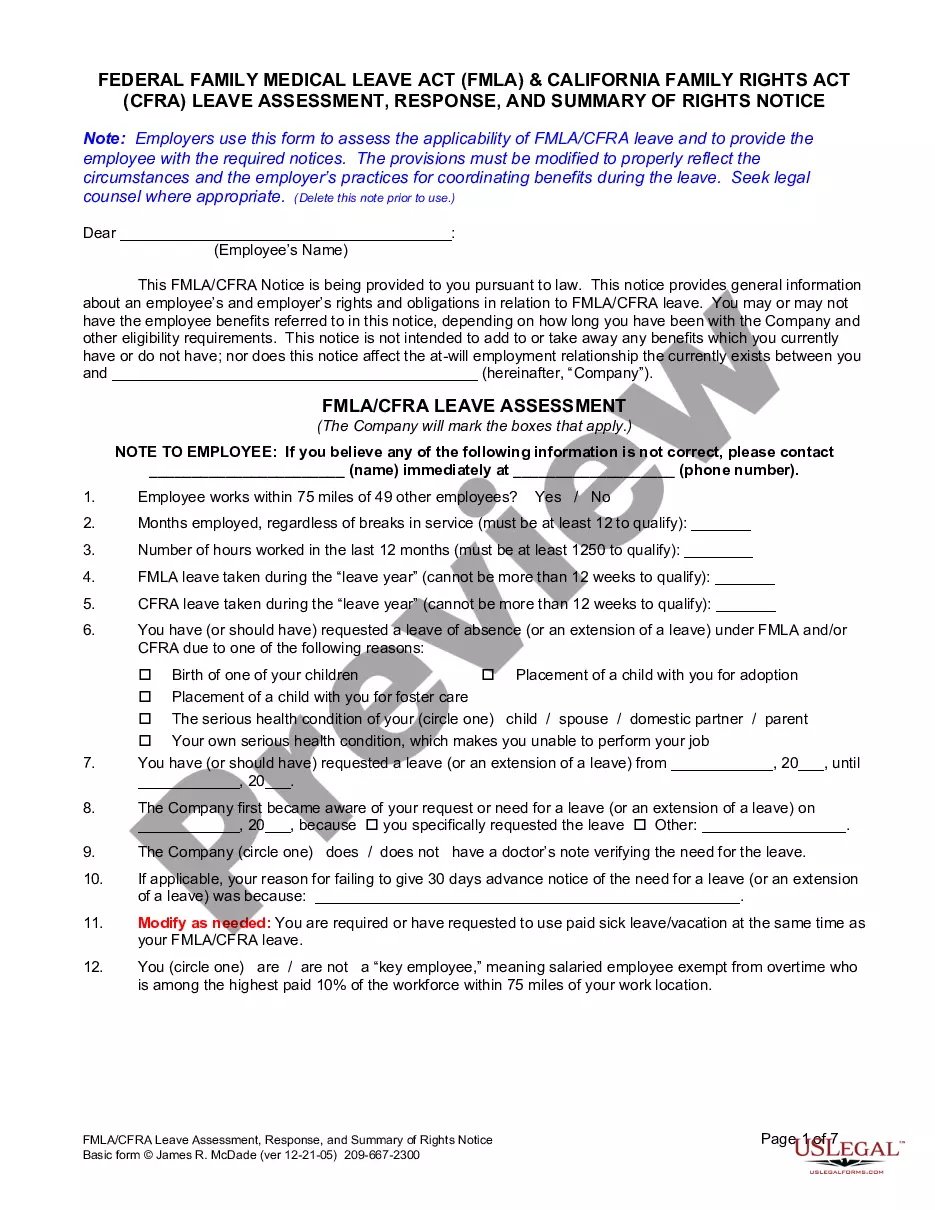
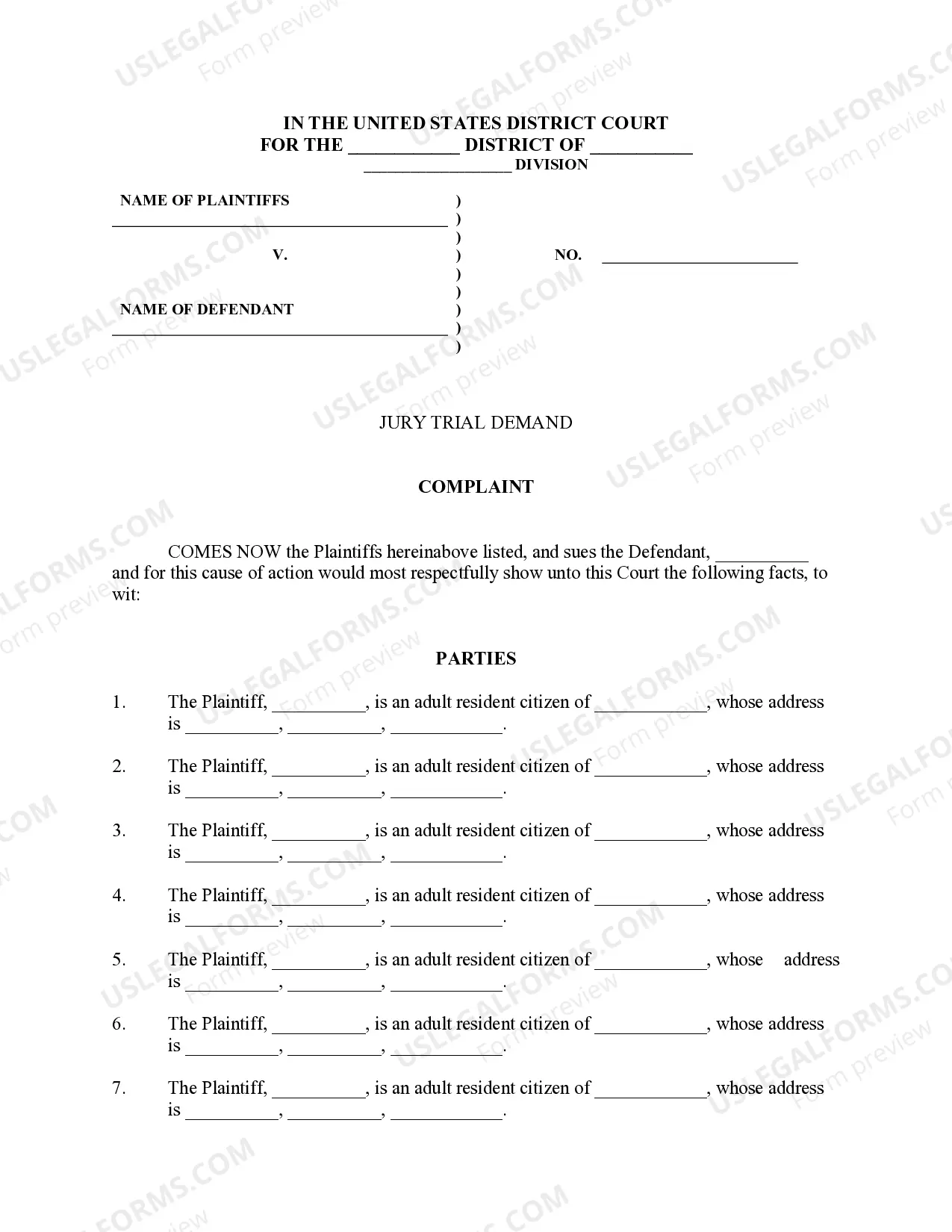
This is a multi-state form covering the subject matter of the title.
Pregnancy Discrimination At Work Uk In Miami-Dade
State:
Multi-State
Category:
County:
Miami-Dade
Control #:
US-000291
Format:
Word;
Rich Text
99 downloads
Description
Free preview




Get your form ready online
Our built-in tools help you complete, sign, share, and store your documents in one place.
Built-in online Word editor
Make edits, fill in missing information, and update formatting in US Legal Forms—just like you would in MS Word.
Export easily
Download a copy, print it, send it by email, or mail it via USPS—whatever works best for your next step.
E-sign your document
Sign and collect signatures with our SignNow integration. Send to multiple recipients, set reminders, and more. Go Premium to unlock E-Sign.
Notarize online 24/7
If this form requires notarization, complete it online through a secure video call—no need to meet a notary in person or wait for an appointment.
Store your document securely
We protect your documents and personal data by following strict security and privacy standards.

Make edits, fill in missing information, and update formatting in US Legal Forms—just like you would in MS Word.

Download a copy, print it, send it by email, or mail it via USPS—whatever works best for your next step.

Sign and collect signatures with our SignNow integration. Send to multiple recipients, set reminders, and more. Go Premium to unlock E-Sign.

If this form requires notarization, complete it online through a secure video call—no need to meet a notary in person or wait for an appointment.

We protect your documents and personal data by following strict security and privacy standards.
Looking for another form?









Form popularity
FAQ
Proving pregnancy discrimination requires more than a victim's claim. There must be evidence that the employer acted against the individual exclusively based on their pregnancy. That evidence must be clear, inarguable, and documented.
Firing an employee in Florida because of childbirth is illegal under the Pregnancy Discrimination Act (PDA). The PDA is a federal law that prohibits discrimination against pregnant employees or job applicants based on pregnancy, childbirth, or related medical conditions.
The Pregnant Workers Fairness Act (PWFA) requires covered employers to provide “reasonable accommodations” to a worker's known limitations related to pregnancy, childbirth or related medical conditions, unless the accommodation will cause the employer an “undue hardship.” The protections of the PWFA also apply to ...
Pregnancy has been a protected class for a while in the United States. The PWFA went into effect on June 27, 2023. On April 15, 2024 the EEOC issued its final regulation to carry out the law. So, no. US employers are not allowed to deny employment if you are pregnant IF YOUR EMPLOYER HAS MORE THAN 15 EMPLOYEES.
You absolutely can sue for being terminated for the sole purpose of being pregnant. There is a process to bring in the lawsuit against your employer, and I would strongly obtain an attorney right away.
Proving pregnancy discrimination requires more than a victim's claim. There must be evidence that the employer acted against the individual exclusively based on their pregnancy. That evidence must be clear, inarguable, and documented.
To file a formal consumer complaint, complete the below affidavit and save a copy of your completed affidavit for your records. You can print, sign, date and submit the affidavit by email (send as a pdf attachment to consumer@miamidade), fax to 786-469-2303 or mail to the address at the top of the affidavit.
WHERE TO FILE THE COMPLAINT: The original complaint form (original signature and notarization) must be mailed or delivered to the Commission of Ethics at the address on the complaint form. Photocopies or emailed forms cannot be accepted. The Commission address is: P. O. Box 15709, Tallahassee, Florida 32317-5709.
To file a formal consumer complaint, complete the below affidavit and save a copy of your completed affidavit for your records. You can print, sign, date and submit the affidavit by email (send as a pdf attachment to consumer@miamidade), fax to 786-469-2303 or mail to the address at the top of the affidavit.