Decedent Account Bank For Savings In Bexar
Description


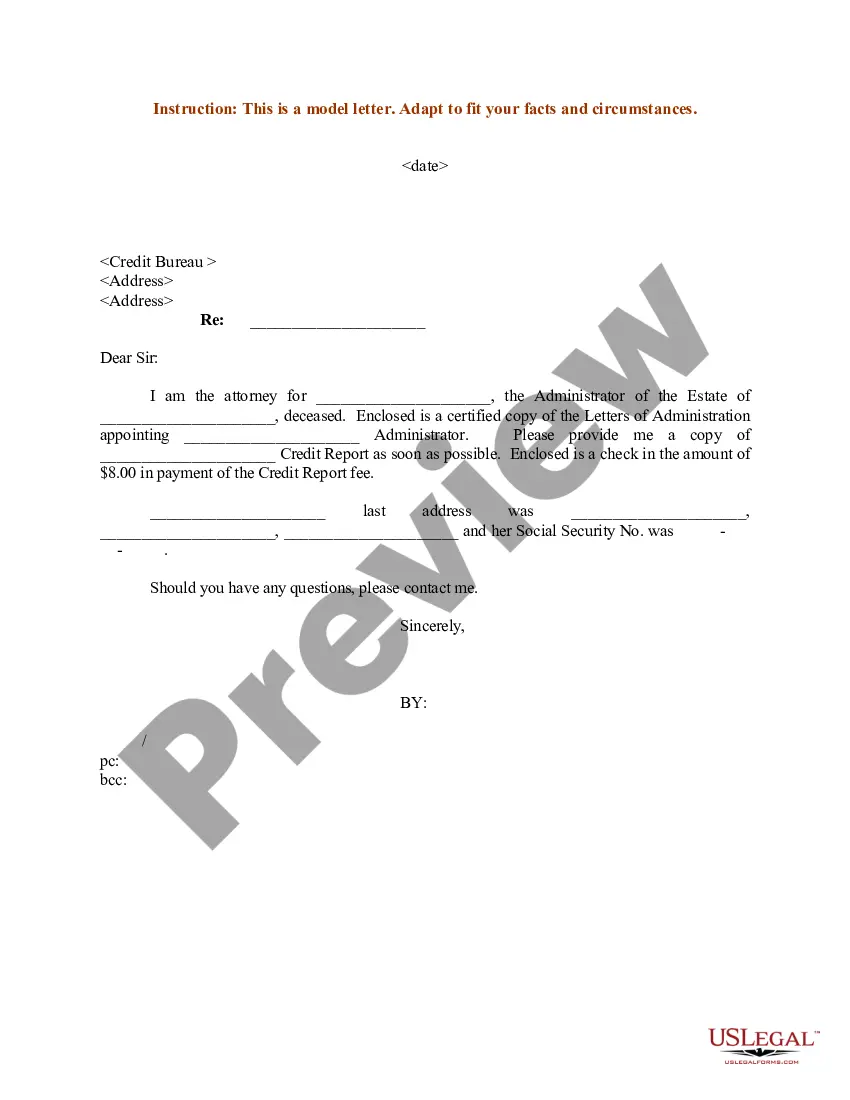

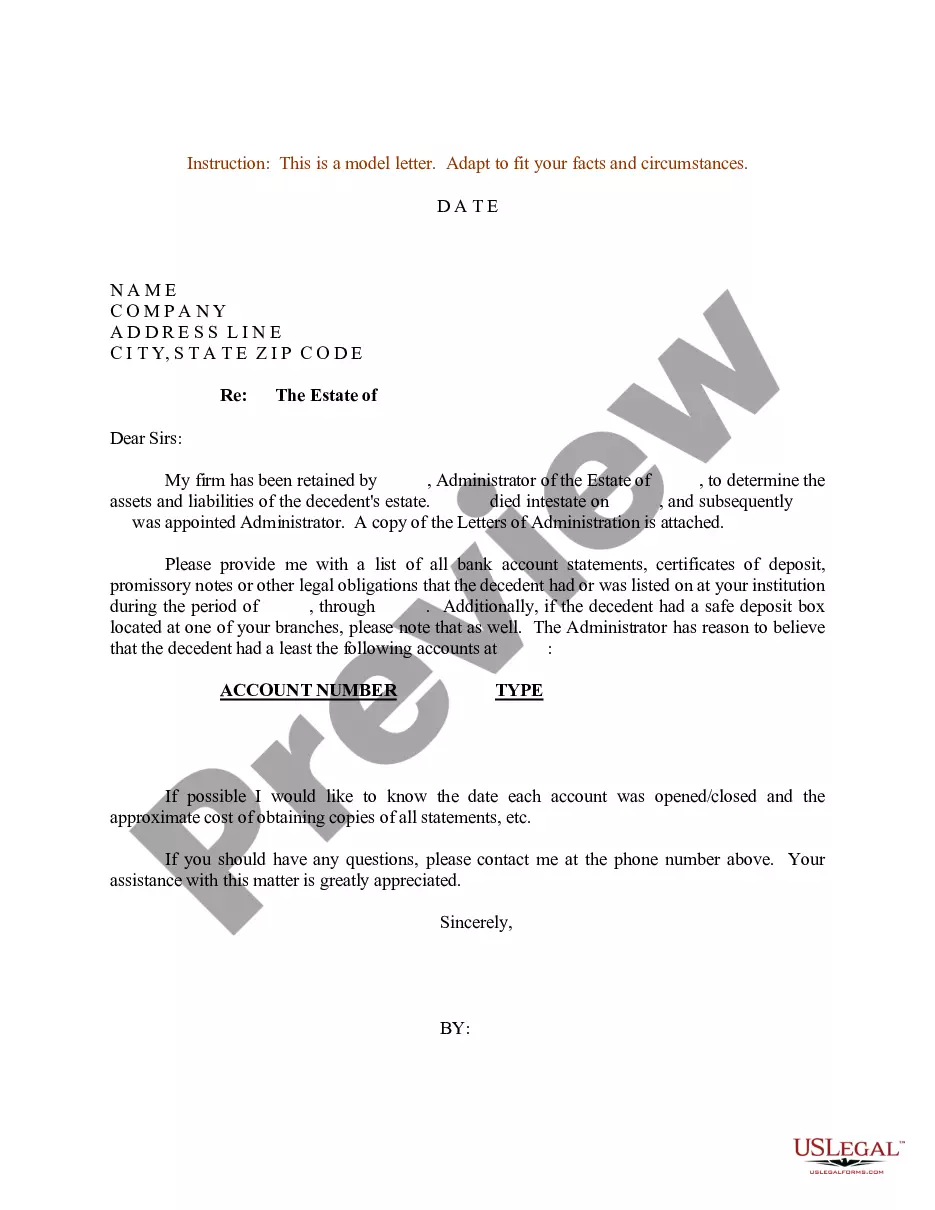
Get your form ready online
Our built-in tools help you complete, sign, share, and store your documents in one place.
Make edits, fill in missing information, and update formatting in US Legal Forms—just like you would in MS Word.
Download a copy, print it, send it by email, or mail it via USPS—whatever works best for your next step.
Sign and collect signatures with our SignNow integration. Send to multiple recipients, set reminders, and more. Go Premium to unlock E-Sign.
If this form requires notarization, complete it online through a secure video call—no need to meet a notary in person or wait for an appointment.
We protect your documents and personal data by following strict security and privacy standards.

Make edits, fill in missing information, and update formatting in US Legal Forms—just like you would in MS Word.

Download a copy, print it, send it by email, or mail it via USPS—whatever works best for your next step.

Sign and collect signatures with our SignNow integration. Send to multiple recipients, set reminders, and more. Go Premium to unlock E-Sign.

If this form requires notarization, complete it online through a secure video call—no need to meet a notary in person or wait for an appointment.

We protect your documents and personal data by following strict security and privacy standards.
Looking for another form?








Form popularity
FAQ
No Beneficiary on Bank Account If there is no beneficiary listed on the bank account, the account typically goes through probate, and the funds will be distributed ing to the deceased's will or state laws if there is no will.
Banks freeze access to deceased accounts, such as savings or checking accounts, pending direction from an authorized court. Banks generally cannot close a deceased account until after the person's estate has gone through probate or has otherwise settled.
Any bank can handle an estate account. It isn't exactly rocket science, the main difference being the signer on the account was court-approved. Pick your favorite bank and go there.
How do you get account access after someone dies in Texas? Four Steps: Talk with the bank. Tell the bank that the account holder died, tell the bank who you are, and ask them what documentation they need from you. Give the bank a death certificate. Contact a probate attorney. If it's a joint account or “P.O.D.” account…
"The surviving owner will be able to withdraw funds from the account," says David Doehring, probate attorney and managing partner of Doehring & Doehring Attorneys at Law. If the account has a payable on death beneficiary, the bank account balance goes to the beneficiary after the last account owner dies.
Some of them are listed below: HSBC UK (Instructions about how to open an HSBC Executor Account can be found on their website) Barclays UK. Yorkshire Bank UK. Lloyds Bank UK. NatWest UK (You can get a Natwest executor account by using their website online.)
Contact the bank in advance to ensure you arrive with the appropriate documents, but you'll likely need to bring a notarized or certified copy of the death certificate and proof of your identity, such as a driver's license or passport. You'll also need the decedent's legal name and Social Security number.
Some banks or building societies will allow the executors or administrators to access the account of someone who has died without a Grant of Probate.
If the deceased person was the sole owner of the bank account and named a beneficiary, then the bank can release the funds to the beneficiary without probate. If there is no named beneficiary, then the bank will require probate before releasing any funds.
