Sample Letter To Close Trustee Accounting With Beneficiary In Arizona
Description





Get your form ready online
Our built-in tools help you complete, sign, share, and store your documents in one place.
Make edits, fill in missing information, and update formatting in US Legal Forms—just like you would in MS Word.
Download a copy, print it, send it by email, or mail it via USPS—whatever works best for your next step.
Sign and collect signatures with our SignNow integration. Send to multiple recipients, set reminders, and more. Go Premium to unlock E-Sign.
If this form requires notarization, complete it online through a secure video call—no need to meet a notary in person or wait for an appointment.
We protect your documents and personal data by following strict security and privacy standards.

Make edits, fill in missing information, and update formatting in US Legal Forms—just like you would in MS Word.

Download a copy, print it, send it by email, or mail it via USPS—whatever works best for your next step.

Sign and collect signatures with our SignNow integration. Send to multiple recipients, set reminders, and more. Go Premium to unlock E-Sign.

If this form requires notarization, complete it online through a secure video call—no need to meet a notary in person or wait for an appointment.

We protect your documents and personal data by following strict security and privacy standards.
Looking for another form?





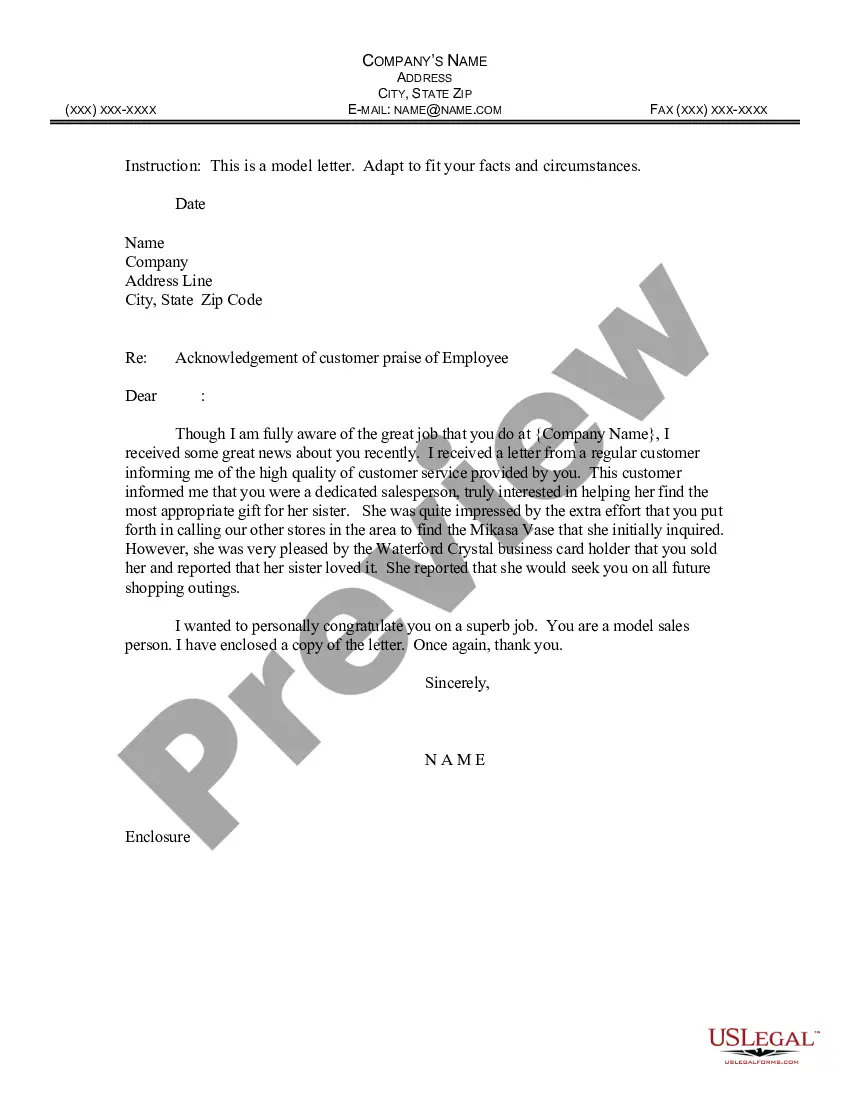



Form popularity
FAQ
The trust deed may stipulate that a simple resolution will suffice for winding up the trust, but more commonly a new deed is necessary to close the trust and distribute the trust assets. The deed should be drawn up by a solicitor and signatures must be witnessed.
A petition for removal of a trustee can be filed by either a co-trustee or a beneficiary. The petition may also seek financial damages from the trustee. Sufficient evidence needs to be submitted to show the court that the trustee violated the terms of the trust agreement or their fiduciary duty.
Selecting the wrong trustee is easily the biggest blunder parents can make when setting up a trust fund. As estate planning attorneys, we've seen first-hand how this critical error undermines so many parents' good intentions.
There are four main approaches: Vesting. The easiest way to dissolve a trust is to have a vesting date. Revoked. A trust may contain a provision which allows for the trustee or settlor to revoke the deed. Consent. In some instances, a trust can be dissolved upon the consent of the beneficiaries. Court Termination.
Here are some things to consider when drafting a letter to your executor or trustee. Your thoughts about wealth. Share your story about how you came to the assets that you are leaving in your will. How was your wealth created, what do you value and what are your long-term goals for your wealth?
To cancel a trust, trustees must first comply with the requirements in the trust deed, settle all financial and legal obligations, and distribute assets to beneficiaries. They then apply for deregistration through the Master of the High Court, which finalizes the trust's termination once all requirements are fulfilled.
Personal representatives (i.e., executors and administrators of the estate) are required to provide beneficiaries and other interested parties (i.e., persons or entities with a financial stake in the estate) with financial information about the estate they are overseeing.
When seeking to dissolve an irrevocable trust, several key requirements must be met: Consent from all trust beneficiaries, who must be legally capable of providing such consent. Court approval in specific situations, particularly when the trust's terms explicitly prohibit dissolution.
Here is a step-by-step guide to crafting an effective letter: Introduce yourself and explain the executor role. Provide details of the deceased, the will and the beneficiaries' entitlements. Outline the process and timeline. Address potential concerns. Invite questions and provide contact information.
Here are some things to consider when drafting a letter to your executor or trustee. Your thoughts about wealth. Describe key players in the family. What matters to you? ... Give your trustee the power to make decisions, even when that means saying no.
