Outstanding Shares For Adidas In Wayne
Description

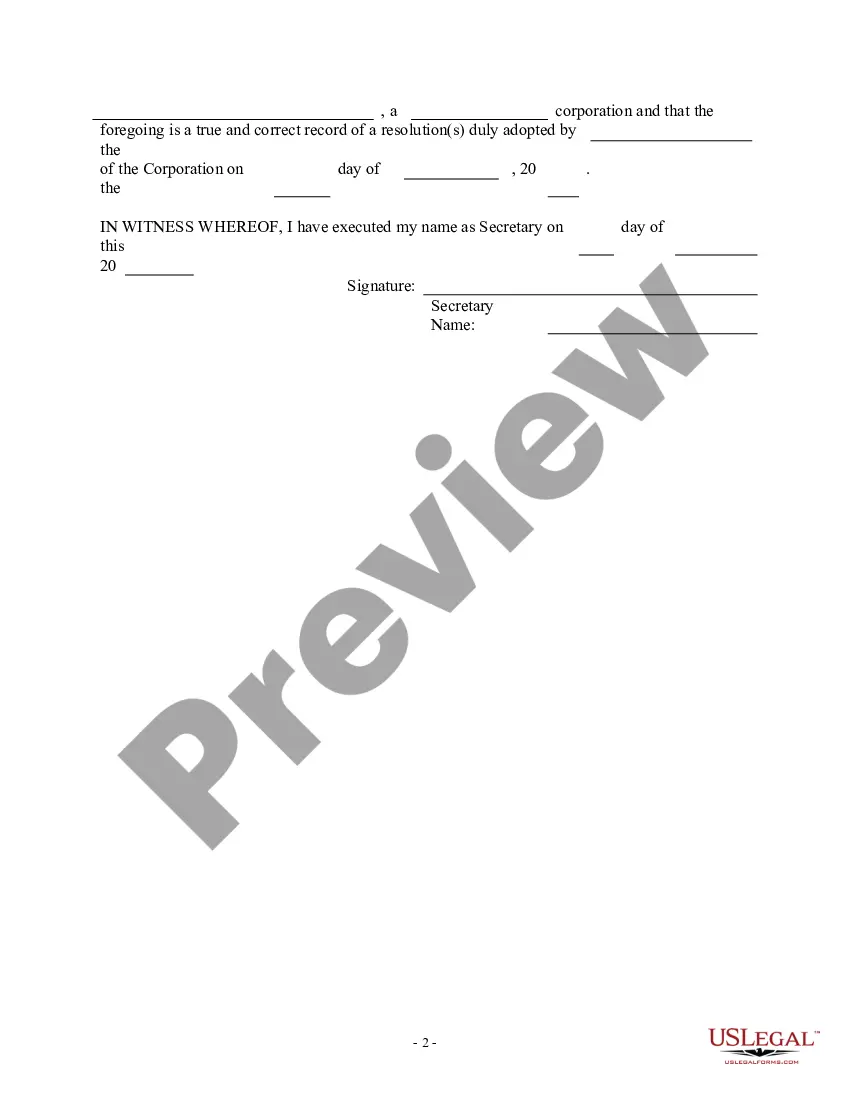

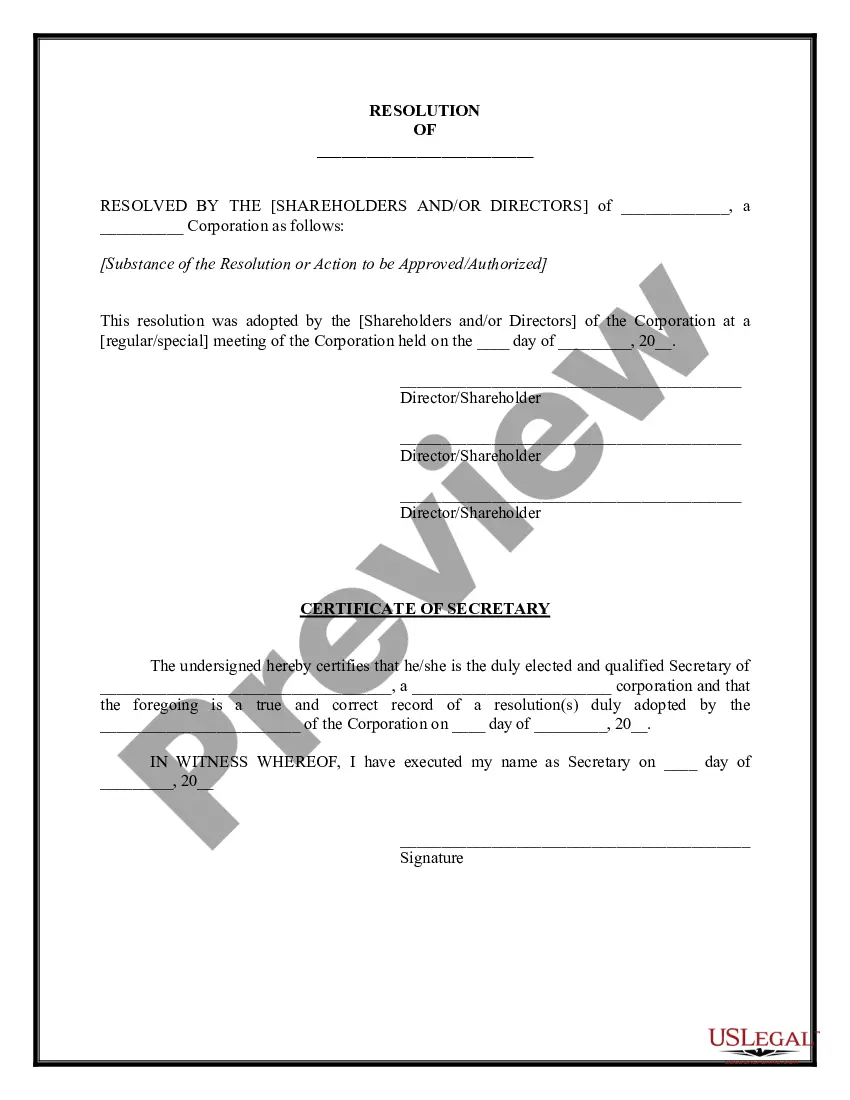
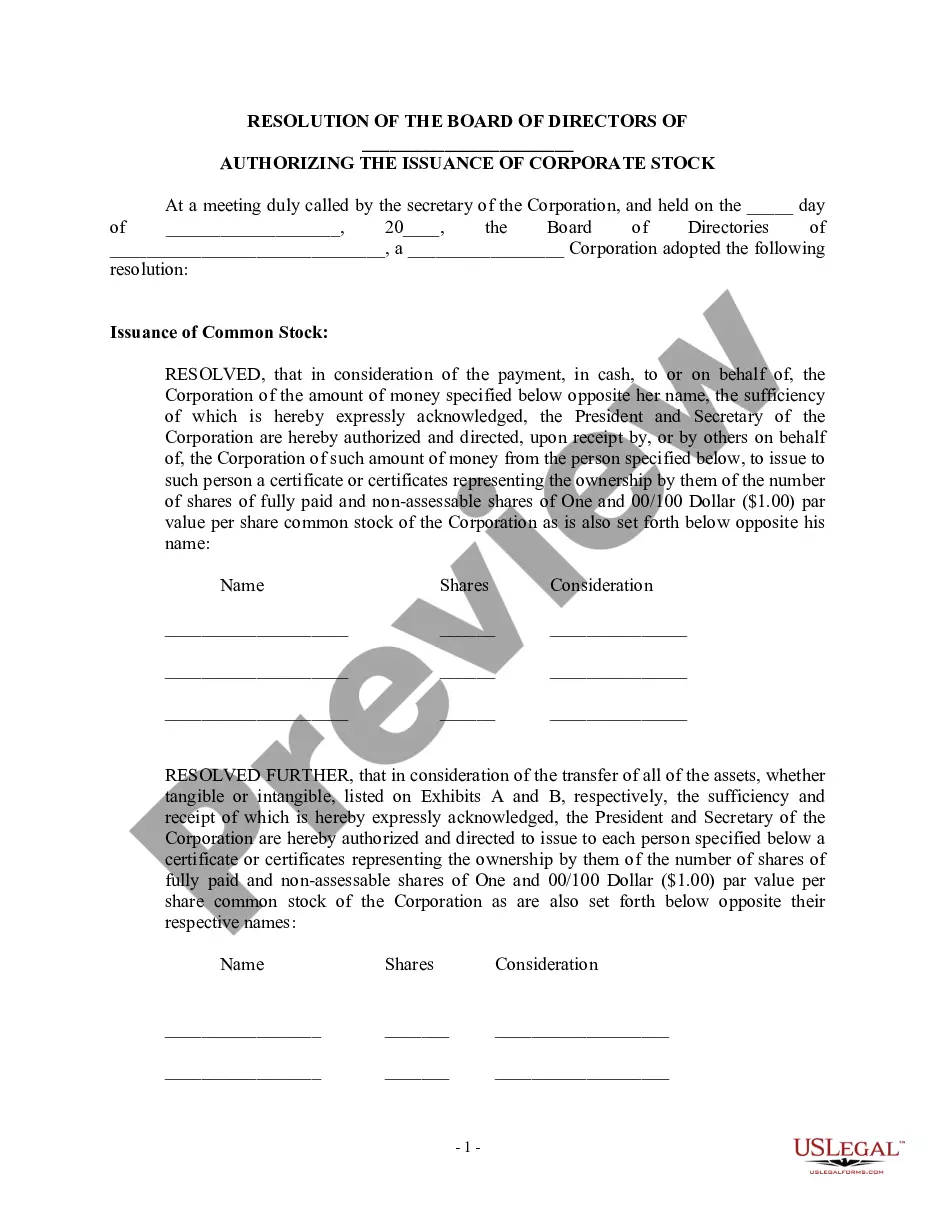
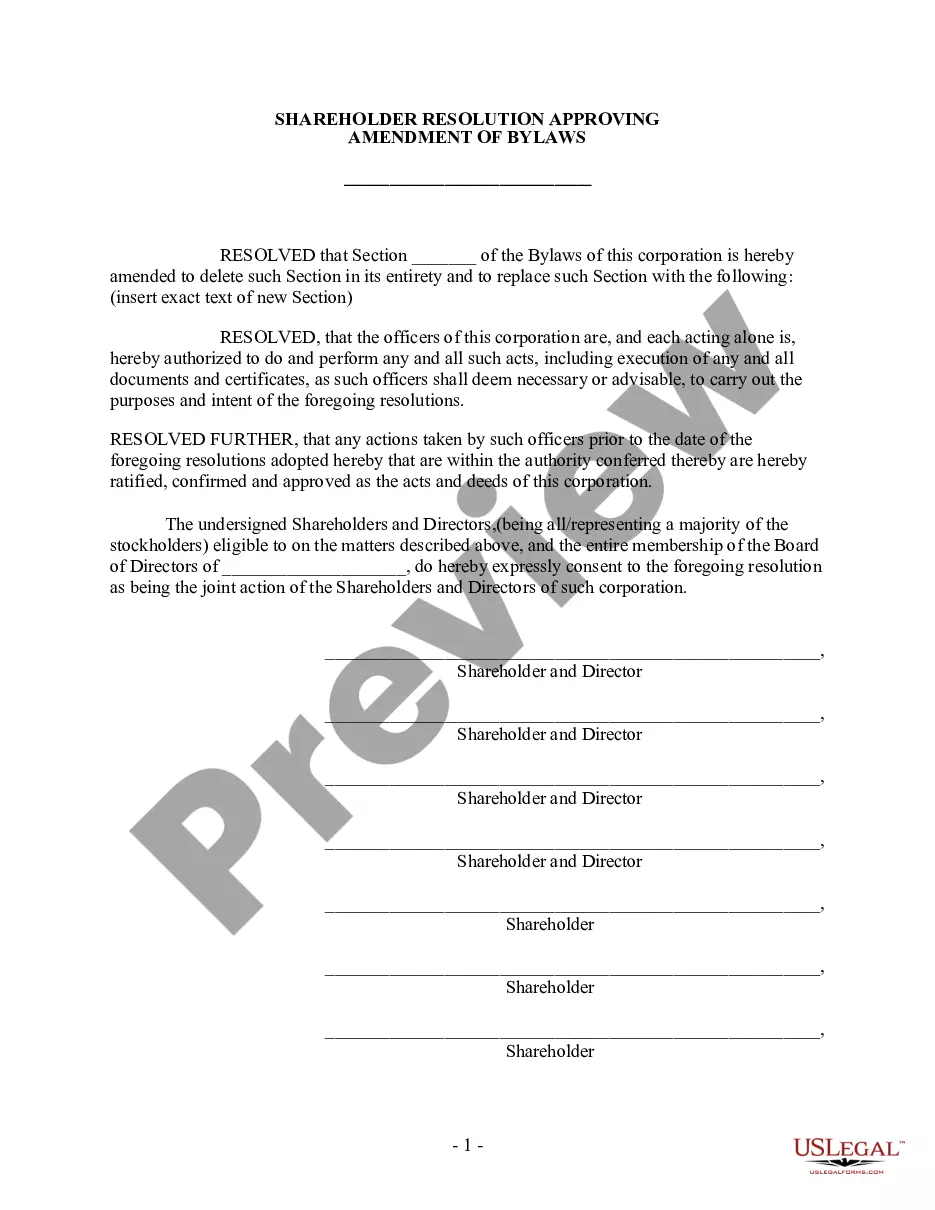
Get your form ready online
Our built-in tools help you complete, sign, share, and store your documents in one place.
Make edits, fill in missing information, and update formatting in US Legal Forms—just like you would in MS Word.
Download a copy, print it, send it by email, or mail it via USPS—whatever works best for your next step.
Sign and collect signatures with our SignNow integration. Send to multiple recipients, set reminders, and more. Go Premium to unlock E-Sign.
If this form requires notarization, complete it online through a secure video call—no need to meet a notary in person or wait for an appointment.
We protect your documents and personal data by following strict security and privacy standards.

Make edits, fill in missing information, and update formatting in US Legal Forms—just like you would in MS Word.

Download a copy, print it, send it by email, or mail it via USPS—whatever works best for your next step.

Sign and collect signatures with our SignNow integration. Send to multiple recipients, set reminders, and more. Go Premium to unlock E-Sign.

If this form requires notarization, complete it online through a secure video call—no need to meet a notary in person or wait for an appointment.

We protect your documents and personal data by following strict security and privacy standards.
Looking for another form?







Form popularity
FAQ
The number of shares outstanding can also be found in the capital section of a company's annual report.
The formula for calculating the shares outstanding consists of subtracting the shares repurchased from the total shares issued to date.
Adidas AG Share: Number of shares outstanding (as of December 31, 2023) 1): 178,549,084 Average trading volume per trading day (2023) 2): 529,294 shares Market capitalization at year-end 2023 (€ in millions) 3): 32,882 Type of share: Registered no-par-value share6 more rows
Outstanding shares refer to the number of stocks that a company has issued. This number represents all the shares that can be bought and sold by the public as well as all the restricted shares that require special permission before being transacted.
Investors can find the total number of outstanding shares a company has on its balance sheet. Outstanding shares can also be used to calculate some key financial metrics, including a company's market cap and its earnings per share. They are separate from treasury shares, which are held by the company itself.
Are More Shares Outstanding Good or Bad? Shares outstanding is just the amount of all the company's stock that's in the hands of its stockholders. By itself, it is not intrinsically good or bad.
A publicly traded company's total number of shares outstanding can usually be found on their investor relations webpage, on stock exchanges' websites, or in the shareholder's equity section on a company's balance sheet as filed with an authorized information service like the U.S. Securities and Exchange Commission.
Shares outstanding = Shares issued - Shares repurchased. Shares outstanding = Authorised shares - Treasury stock.
How to Derive Outstanding Shares Go to the balance sheet of the company in question and look in the shareholders' equity section, which is near the bottom of the report. Look in the line item for preferred stock. Look in the line item for common stock. Look in the line item for treasury stock.
Key Takeaways Shares outstanding refer to a company's stock currently held by all its shareholders. These include share blocks held by institutional investors and restricted shares owned by the company's officers and insiders. A company's number of shares outstanding is not static and may fluctuate wildly over time.
