Shares Authorized Vs Issued In New York
Description




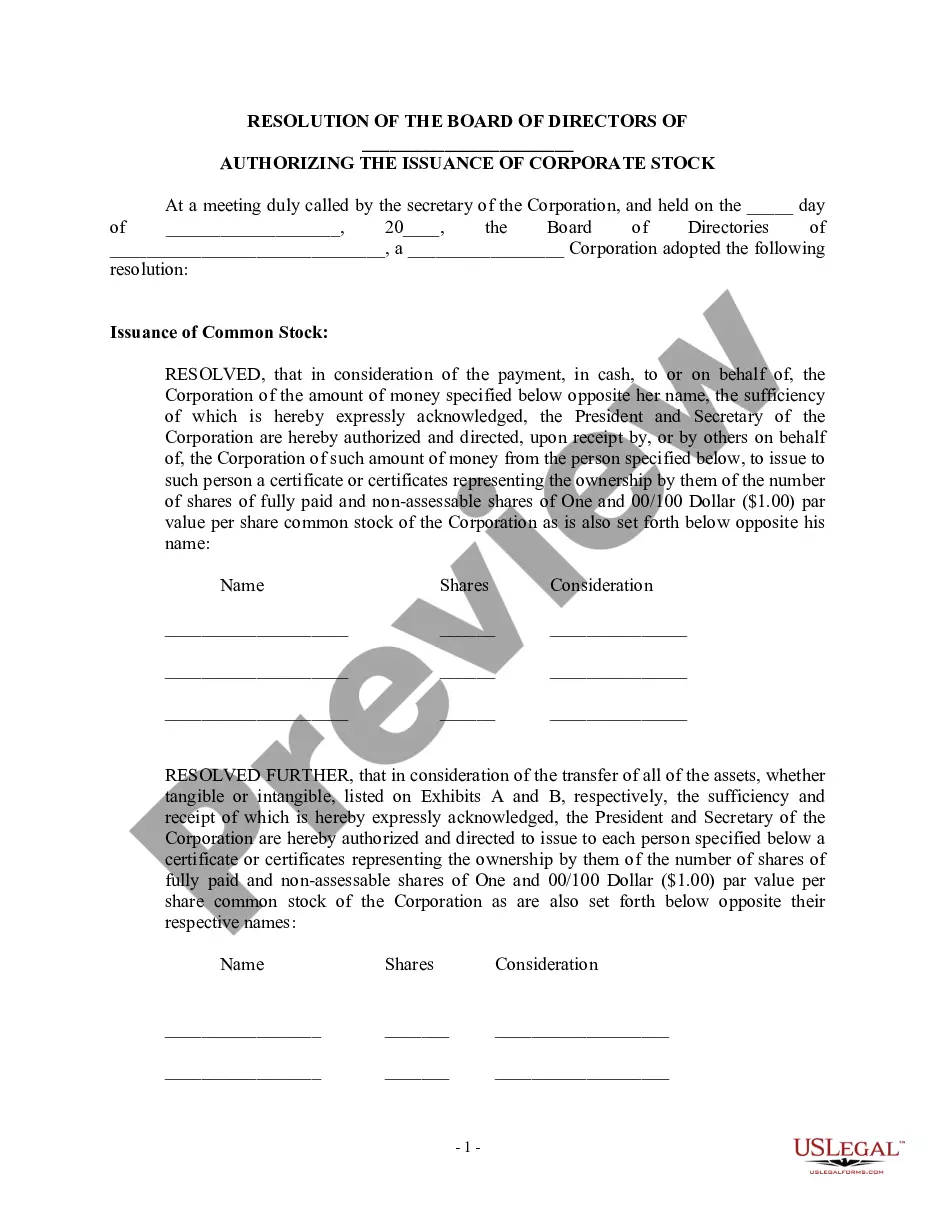
Get your form ready online
Our built-in tools help you complete, sign, share, and store your documents in one place.
Make edits, fill in missing information, and update formatting in US Legal Forms—just like you would in MS Word.
Download a copy, print it, send it by email, or mail it via USPS—whatever works best for your next step.
Sign and collect signatures with our SignNow integration. Send to multiple recipients, set reminders, and more. Go Premium to unlock E-Sign.
If this form requires notarization, complete it online through a secure video call—no need to meet a notary in person or wait for an appointment.
We protect your documents and personal data by following strict security and privacy standards.

Make edits, fill in missing information, and update formatting in US Legal Forms—just like you would in MS Word.

Download a copy, print it, send it by email, or mail it via USPS—whatever works best for your next step.

Sign and collect signatures with our SignNow integration. Send to multiple recipients, set reminders, and more. Go Premium to unlock E-Sign.

If this form requires notarization, complete it online through a secure video call—no need to meet a notary in person or wait for an appointment.

We protect your documents and personal data by following strict security and privacy standards.
Looking for another form?


Form popularity
FAQ
If it does occur, a company has breached any agreement with those investors, employees or other parties that have been “issued” the excess shares. In addition to any conflict with these potential recipients, such over-issuances are often complex (but not impossible) to correct under state law.
Authorized shares are the total number of shares a company can legally issue, while issued shares are the number the company has issued to date. The number of authorized and issued shares may be the same or different, in which case there would be more authorized than issued shares.
Authorized shares, or authorized stock, are simply a legally allowed maximum number of shares that a company can issue to investors. The number of authorized shares is specified in the company's articles of incorporation. You can also see the number in the capital accounts section on the balance sheet.
The main difference between authorized capital and issued capital is that issued capital is a part of authorized capital. While authorized capital is the maximum amount that a company is allowed to raise from public. Issued capital is the part of authorised capital that is offered to public for subscription.
Authorized shares are the total number of shares a company can legally issue, while issued shares are the number the company has issued to date. The number of authorized and issued shares may be the same or different, in which case there would be more authorized than issued shares.
If the company will have more than one shareholder, you need to issue at least one share to each shareholder. However, you have the option to issue more than one share per shareholder, either during or after the company formation process. This decision depends on how much flexibility you need.
Authorized stock refers to the maximum number of shares a publicly-traded company can issue, as specified in its articles of incorporation or charter. Those shares which have already been issued to the public, known as outstanding shares, make up some portion of a company's authorized stock.
If a company proposes to allot any shares or grant any rights to them, those shares or rights must first be offered (for a period of at least 21 days) to the existing members in proportion to their existing holdings on terms no less favourable than are being offered to any third party.
Yes. the Corporation must issue at least one share in order to be properly formed. Otherwise there were no owners (shareholders) of the business.
