Outstanding Shares For Apple In Michigan
Description




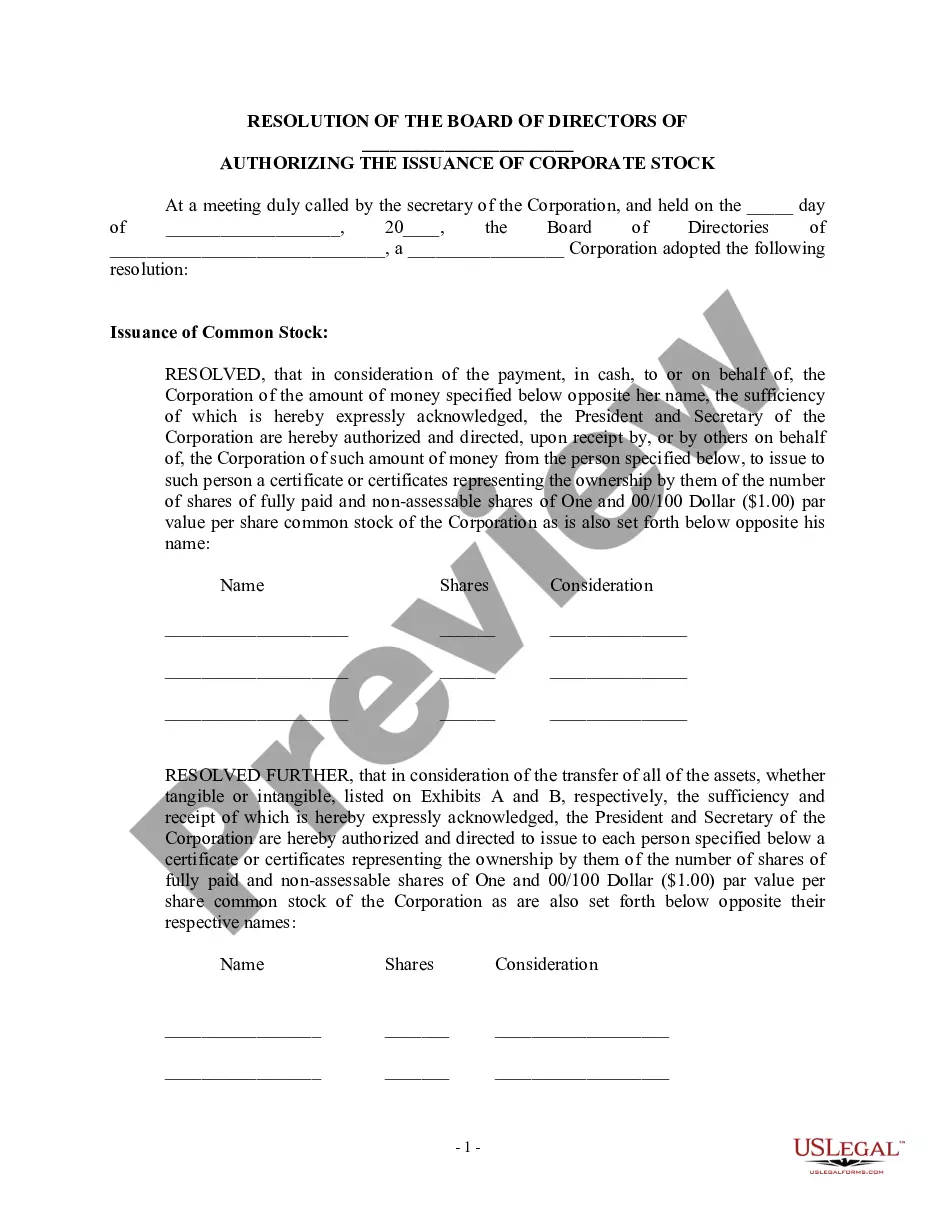
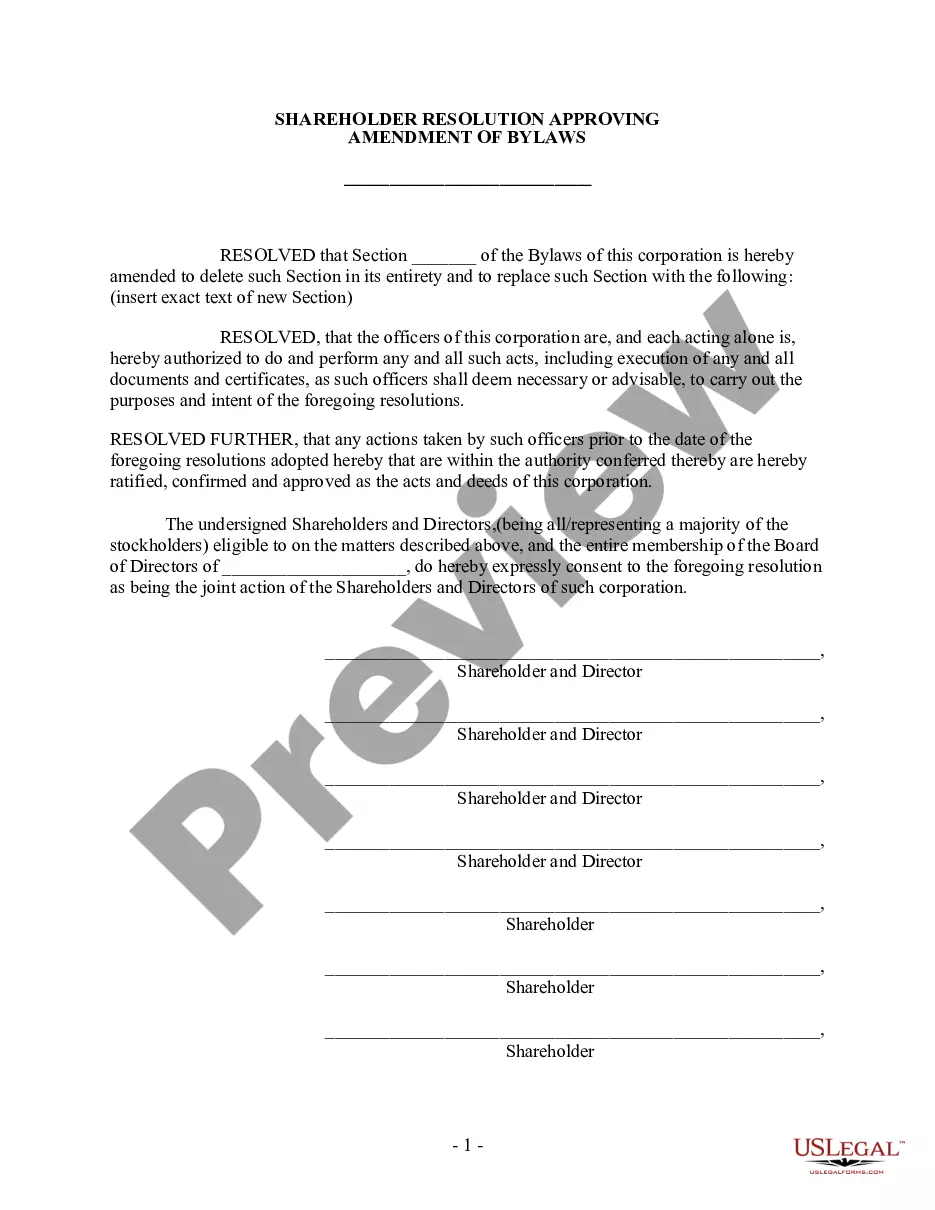
Get your form ready online
Our built-in tools help you complete, sign, share, and store your documents in one place.
Make edits, fill in missing information, and update formatting in US Legal Forms—just like you would in MS Word.
Download a copy, print it, send it by email, or mail it via USPS—whatever works best for your next step.
Sign and collect signatures with our SignNow integration. Send to multiple recipients, set reminders, and more. Go Premium to unlock E-Sign.
If this form requires notarization, complete it online through a secure video call—no need to meet a notary in person or wait for an appointment.
We protect your documents and personal data by following strict security and privacy standards.

Make edits, fill in missing information, and update formatting in US Legal Forms—just like you would in MS Word.

Download a copy, print it, send it by email, or mail it via USPS—whatever works best for your next step.

Sign and collect signatures with our SignNow integration. Send to multiple recipients, set reminders, and more. Go Premium to unlock E-Sign.

If this form requires notarization, complete it online through a secure video call—no need to meet a notary in person or wait for an appointment.

We protect your documents and personal data by following strict security and privacy standards.
Looking for another form?






Form popularity
FAQ
What are Outstanding Shares? Outstanding shares are the total number of shares of a company's stock that are currently owned by investors, including institutional investors, insiders, and the general public. These shares are issued by the company and sold to investors, who become partial owners of the company.
Let's look again at our Company XYZ. We know from the previous example that the company has 1,000 authorized shares. If it offered 300 shares in an IPO, gave 150 to the executives, and retained 550 in the treasury, the number of shares outstanding would be 450 shares or 300 float shares + 150 restricted shares.
The number of shares outstanding is listed on a company's balance sheet as "Capital Stock" and is reported on the company's quarterly filings with the US Securities and Exchange Commission. The number of shares outstanding can also be found in the capital section of a company's annual report.
Shares outstanding = Shares issued - Shares repurchased. Shares outstanding = Authorised shares - Treasury stock.
Following are the formulas you can use to calculate the shares outstanding of a firm: Shares outstanding = Floating stock + Restricted shares. Shares outstanding = Shares issued - Shares repurchased. Shares outstanding = Authorised shares - Treasury stock.
How to Derive Outstanding Shares Go to the balance sheet of the company in question and look in the shareholders' equity section, which is near the bottom of the report. Look in the line item for preferred stock. Look in the line item for common stock. Look in the line item for treasury stock.
Key Takeaways Shares outstanding refer to a company's stock currently held by all its shareholders. These include share blocks held by institutional investors and restricted shares owned by the company's officers and insiders. A company's number of shares outstanding is not static and may fluctuate wildly over time.
The Numbers on Apple Stock Those gains translate to a 32.3% compound annual growth rate (CAGR) for Apple compared to an 8.3% CAGR for the S&P 500 in that time. That means that $10,000 in AAPL stock purchased 20 years ago would be worth more than $2.71 million today, assuming reinvested dividends.
A publicly traded company's total number of shares outstanding can usually be found on their investor relations webpage, on stock exchanges' websites, or in the shareholder's equity section on a company's balance sheet as filed with an authorized information service like the U.S. Securities and Exchange Commission.
Vanguard owns the most shares of Apple (AAPL).
