Issued With Shares In Michigan
Description

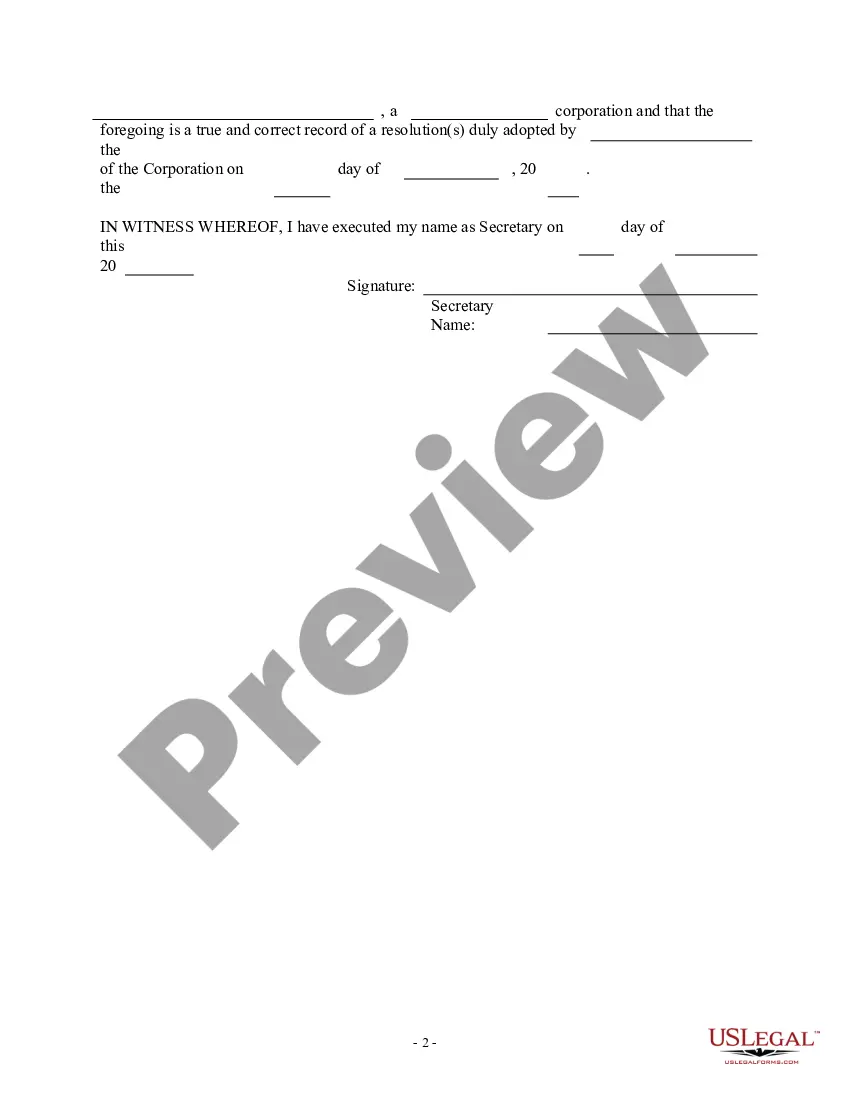

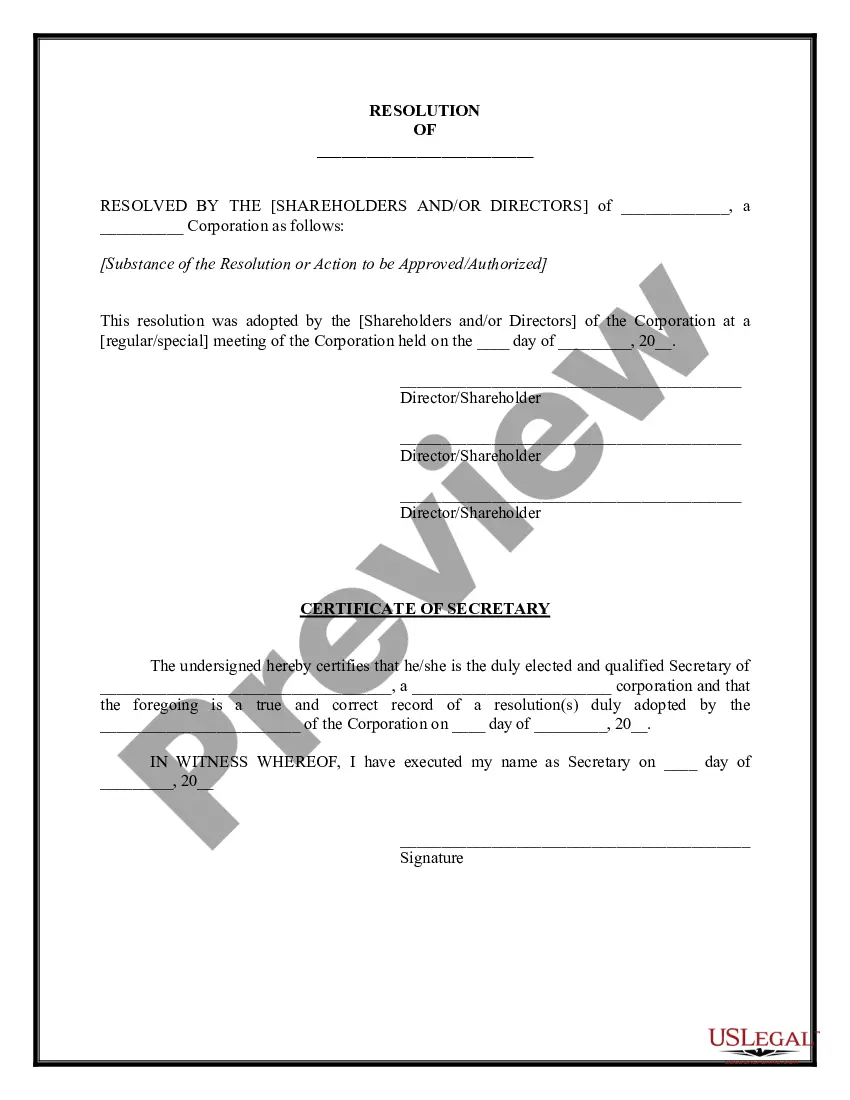
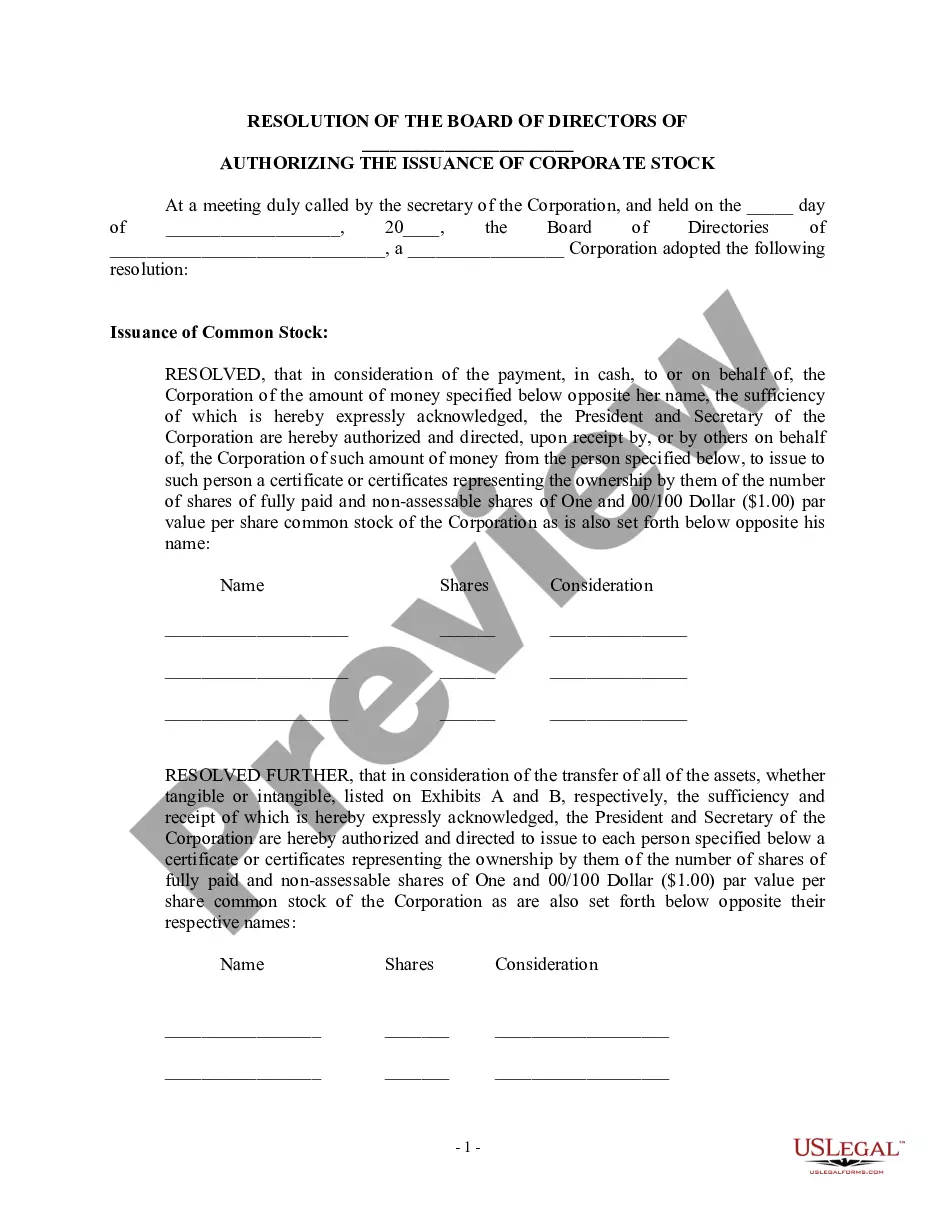
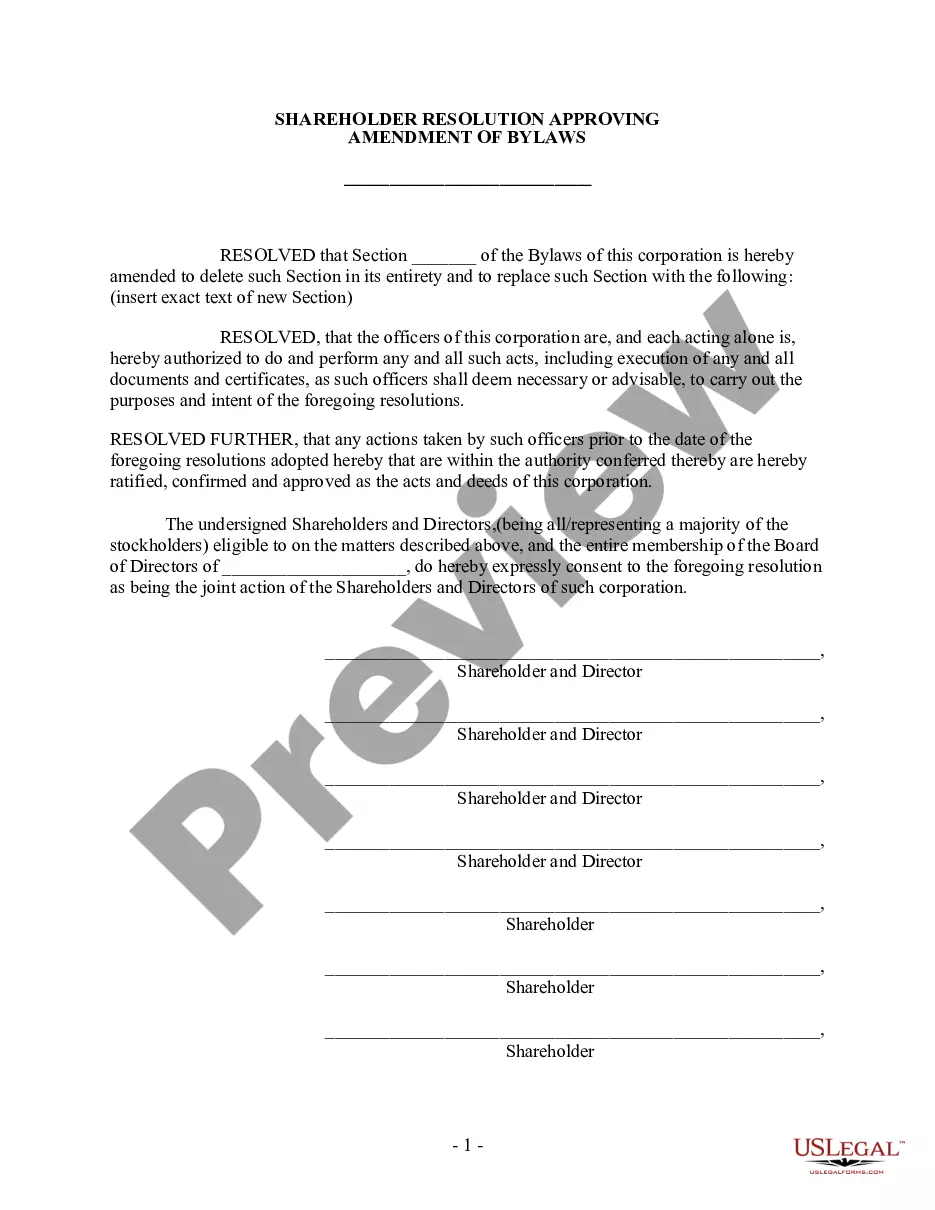
Get your form ready online
Our built-in tools help you complete, sign, share, and store your documents in one place.
Make edits, fill in missing information, and update formatting in US Legal Forms—just like you would in MS Word.
Download a copy, print it, send it by email, or mail it via USPS—whatever works best for your next step.
Sign and collect signatures with our SignNow integration. Send to multiple recipients, set reminders, and more. Go Premium to unlock E-Sign.
If this form requires notarization, complete it online through a secure video call—no need to meet a notary in person or wait for an appointment.
We protect your documents and personal data by following strict security and privacy standards.

Make edits, fill in missing information, and update formatting in US Legal Forms—just like you would in MS Word.

Download a copy, print it, send it by email, or mail it via USPS—whatever works best for your next step.

Sign and collect signatures with our SignNow integration. Send to multiple recipients, set reminders, and more. Go Premium to unlock E-Sign.

If this form requires notarization, complete it online through a secure video call—no need to meet a notary in person or wait for an appointment.

We protect your documents and personal data by following strict security and privacy standards.
Looking for another form?







Form popularity
FAQ
Issuing shares Directors can decide to issue shares by majority vote. The directors' decision (called a resolution) to issue shares must be recorded in the corporation's minute books. The corporation cannot issue a share until it actually receives full consideration (payment) for that share.
Yes. the Corporation must issue at least one share in order to be properly formed. Otherwise there were no owners (shareholders) of the business.
Both S corp and C corp businesses have a shareholder basis, also sometimes called a stock and debt basis. Per the IRS, this shareholder basis is your capital investment in a property for tax purposes. In this case, your business is the property.
You will need a shareholders' agreement to protect yourself when you give someone shares in your company. The shareholders' agreement covers what happens to the equity in possible future situations, from a shareholder dying to when a shareholder wants to sell their shares to someone else.
Filing as an S Corp in Michigan Step 1: Choose a Business Name. Step 2: Appoint Directors and a Registered Agent. Step 3: File Articles of Incorporation. Step 4: Create S Corp Bylaws. Step 5: Apply for an Employer Identification Number. Step 6: File Form 2553 for S Corporation Election.
The legal forms that officially create your LLC are the Articles of Organization. In Michigan, this is also called Form CSCL/CD-700 (for PLLCs, it's Form CSCL/CD-701.) You'll file the articles online or by mail with LARA.
Issued shares are a company's equity shares, held by investors and insiders and put in reserve for employee compensation. Unlike outstanding shares, issued shares factor in treasury shares—stock a company buys back from shareholders.
The term “authorized, issued and outstanding” refers to shares in a company that have been sold publicly. They are “authorized” because they fall within the maximum number of shares a company can sell ing to its corporate charter. They are “issued” because they have been sold.
