Shares For Resolution In Massachusetts
Description


Get your form ready online
Our built-in tools help you complete, sign, share, and store your documents in one place.
Make edits, fill in missing information, and update formatting in US Legal Forms—just like you would in MS Word.
Download a copy, print it, send it by email, or mail it via USPS—whatever works best for your next step.
Sign and collect signatures with our SignNow integration. Send to multiple recipients, set reminders, and more. Go Premium to unlock E-Sign.
If this form requires notarization, complete it online through a secure video call—no need to meet a notary in person or wait for an appointment.
We protect your documents and personal data by following strict security and privacy standards.

Make edits, fill in missing information, and update formatting in US Legal Forms—just like you would in MS Word.

Download a copy, print it, send it by email, or mail it via USPS—whatever works best for your next step.

Sign and collect signatures with our SignNow integration. Send to multiple recipients, set reminders, and more. Go Premium to unlock E-Sign.

If this form requires notarization, complete it online through a secure video call—no need to meet a notary in person or wait for an appointment.

We protect your documents and personal data by following strict security and privacy standards.
Looking for another form?








Form popularity
FAQ
After HMRC receives the form, the transfer of shares has to be approved by the board of directors. This can either be agreed at a meeting or through a board resolution.
If a company wishes to issue additional shares to a new shareholder, all existing shareholders within the company must pass a special board resolution to that effect.
In the case of some companies, existing shareholders may need to pass a special resolution in order to waive their right to pre-emption on the transfer of shares. Once the transfer of shares is complete, the director(s) have to provide a copy of the Stock Transfer Form to both the transferor and transferee.
Section 180(1)(a) of the 2013 Act provides that shareholders' approval by a special resolution is required to sell, lease or otherwise dispose of the whole or substantially the whole of the undertaking of the company or where the company owns more than one undertaking, of the whole or substantially the whole of any ...
Most resolutions simply need more shareholders to agree than disagree (called an 'ordinary resolution'). They may be simply done by a show of hands at a meeting. Ordinary resolutions are used for most routine changes, for example, increasing a company's share capital.
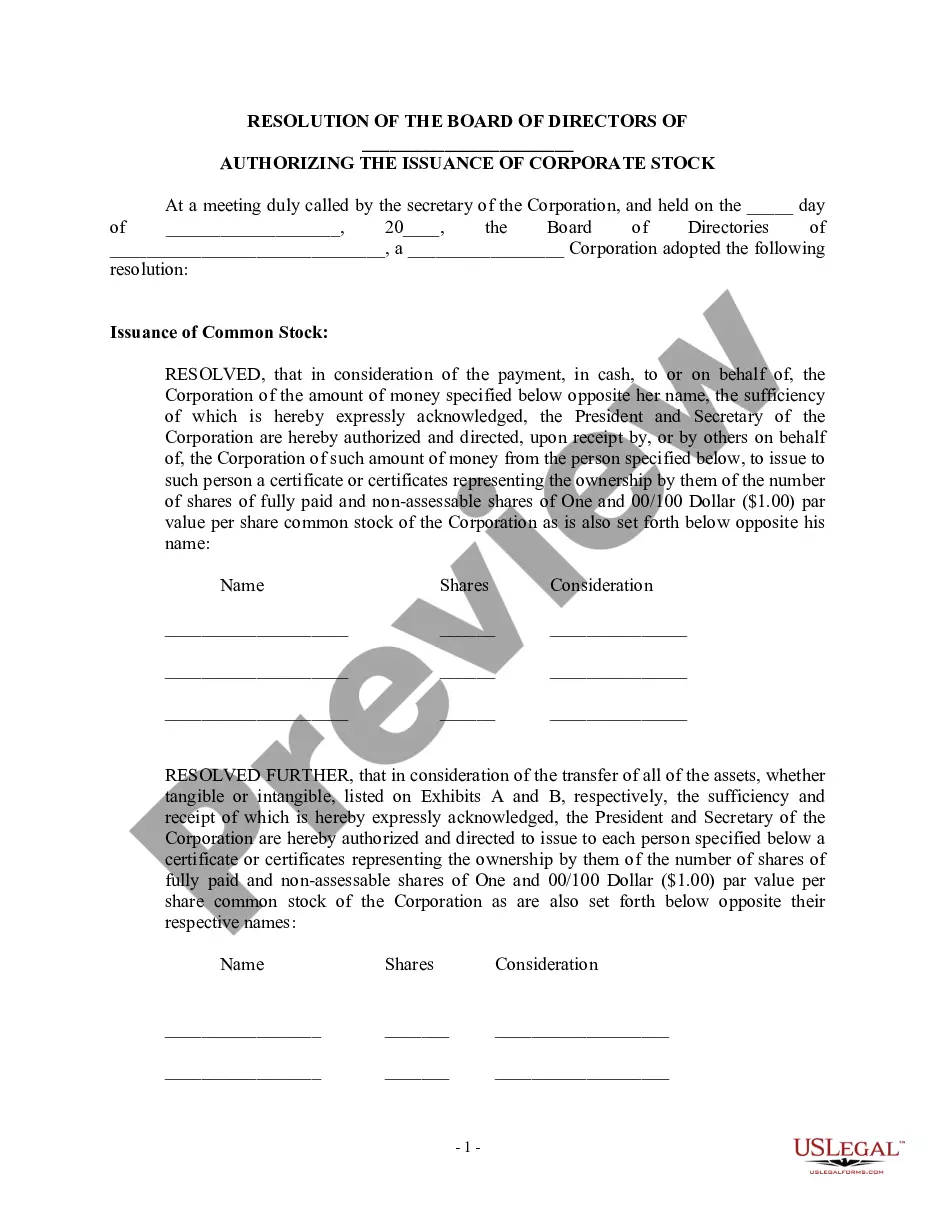
When existing directors pass the special board resolution to issue new shares, that resolution must approve the increase in the issued share capital and put aside pre-emption rights by a majority of 75% or more.
For the transfer of shares, directors may be prohibited from authorising transfers without the permission of current members. When a director is powerless to authorise the transfer of shares, the members must pass a resolution to either allow for such authorisation or permit the transfer of shares on that occasion.
For the transfer of shares, directors may be prohibited from authorising transfers without the permission of current members. When a director is powerless to authorise the transfer of shares, the members must pass a resolution to either allow for such authorisation or permit the transfer of shares on that occasion.
If a company wishes to issue additional shares to a new shareholder, all existing shareholders within the company must pass a special board resolution to that effect.
Board directors and shareholders are the only members of the company that can make company resolutions. When the board of directors make a formal decision, it is referred to as a board resolution, whereas when the company shareholders make a formal decision, it is referred to as a shareholder resolution.
