Issued With Shares In Kings
Description

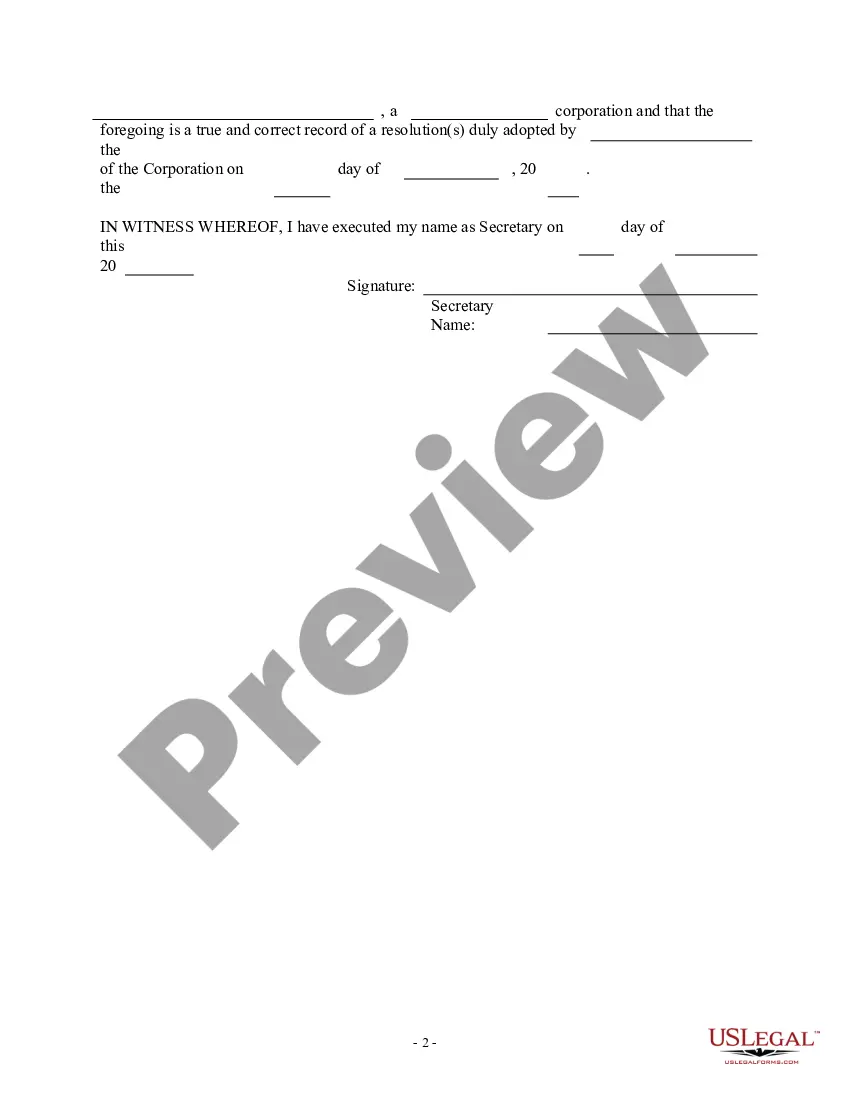

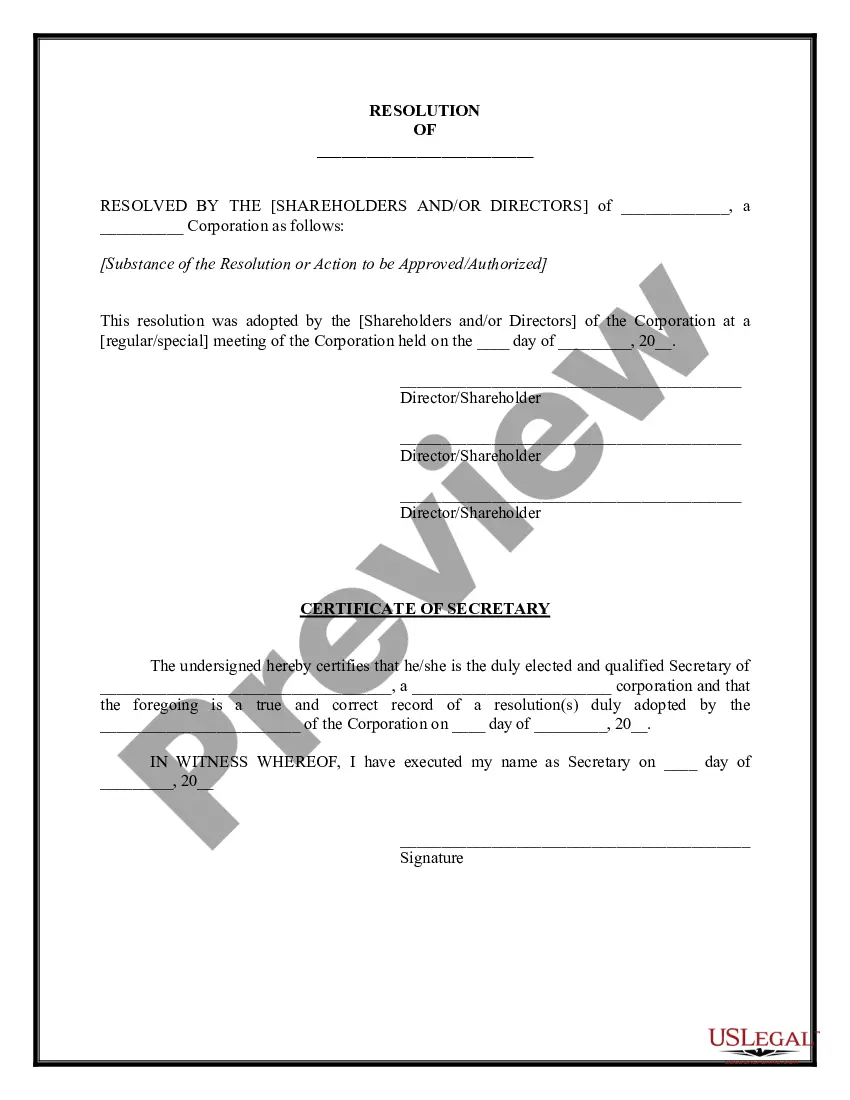
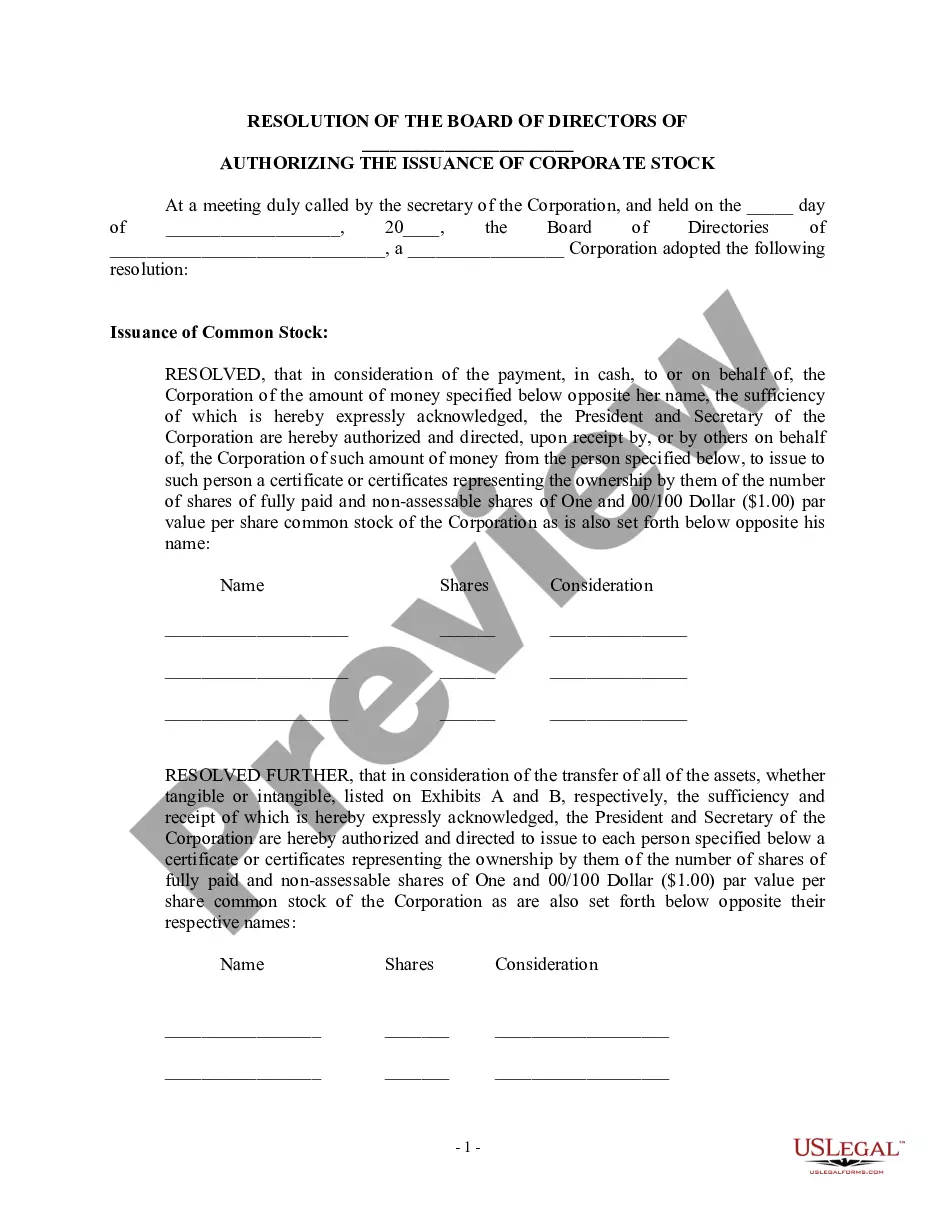
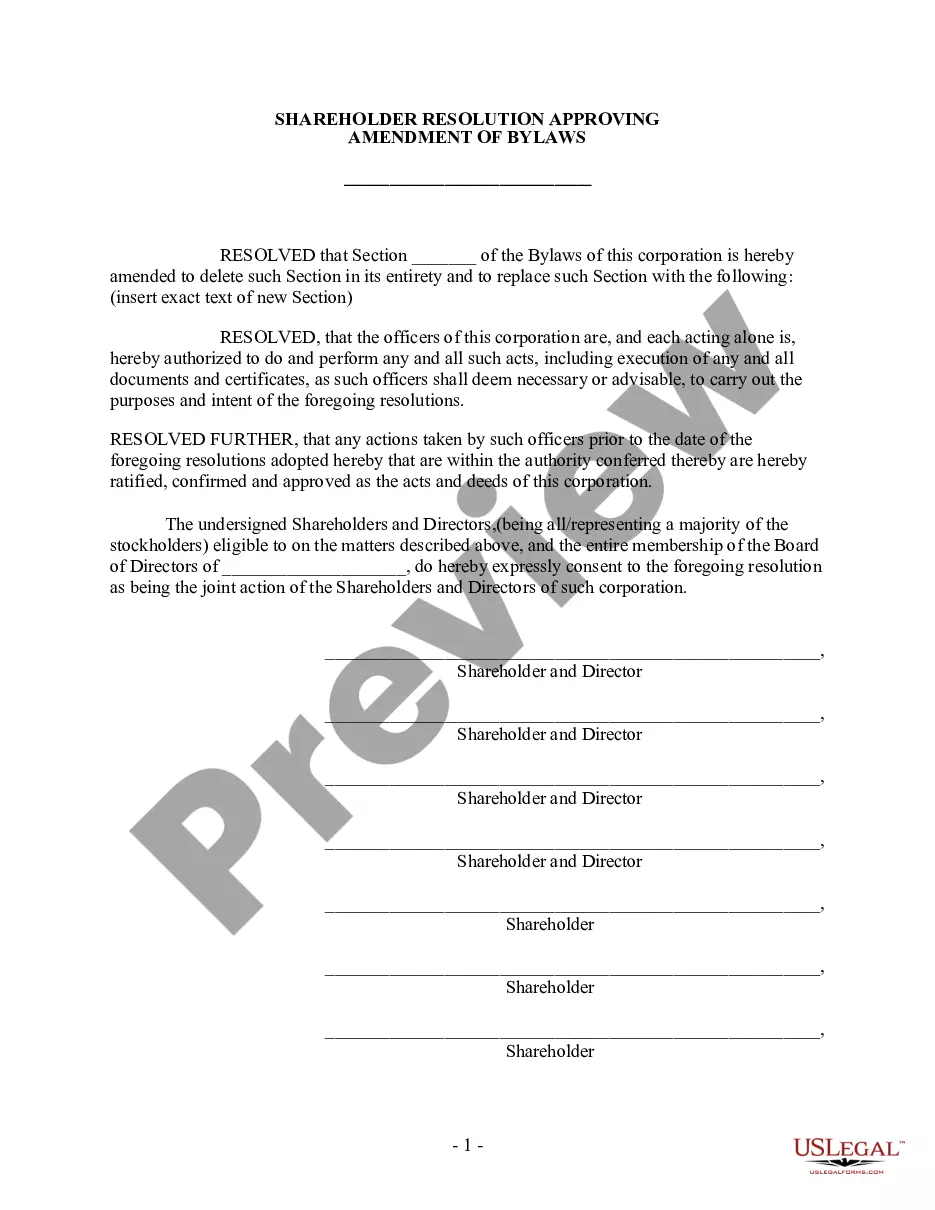
Get your form ready online
Our built-in tools help you complete, sign, share, and store your documents in one place.
Make edits, fill in missing information, and update formatting in US Legal Forms—just like you would in MS Word.
Download a copy, print it, send it by email, or mail it via USPS—whatever works best for your next step.
Sign and collect signatures with our SignNow integration. Send to multiple recipients, set reminders, and more. Go Premium to unlock E-Sign.
If this form requires notarization, complete it online through a secure video call—no need to meet a notary in person or wait for an appointment.
We protect your documents and personal data by following strict security and privacy standards.

Make edits, fill in missing information, and update formatting in US Legal Forms—just like you would in MS Word.

Download a copy, print it, send it by email, or mail it via USPS—whatever works best for your next step.

Sign and collect signatures with our SignNow integration. Send to multiple recipients, set reminders, and more. Go Premium to unlock E-Sign.

If this form requires notarization, complete it online through a secure video call—no need to meet a notary in person or wait for an appointment.

We protect your documents and personal data by following strict security and privacy standards.
Looking for another form?




Form popularity
FAQ
The term “authorized, issued and outstanding” refers to shares in a company that have been sold publicly. They are “authorized” because they fall within the maximum number of shares a company can sell ing to its corporate charter. They are “issued” because they have been sold.
What Are Issued Shares? An issued share is a share of stock that has been distributed by a company. In most cases, an issued share has been sold to an investor, and at this point, the share becomes an outstanding share as well.
Issued capital refers to the monetary value of shares that a company has allocated and sold to shareholders. It represents the funds raised by the company through issuing shares to investors and is a key component of a company's equity.
Shares represent ownership of a company. When an individual buys shares in your company, they become one of its owners. Shareholders choose who runs a company and are involved in making key decisions, such as whether a business should be sold.
Here are the seven dividend kings that have been increasing their payouts the longest: American States Water (AWR): 69 years. Dover Corporation (DOV): 68 years. Northwest Natural Holding (NWN): 68 years. Genuine Parts (GPC): 67 years. Procter & Gamble (PG): 67 years. Parker Hannifin (PH): 67 years.
What Does "When Issued" Mean? When issued (WI) is a transaction that is made conditionally because a security has been authorized but not yet issued. Treasury securities, stock splits, and new issues of stocks and bonds are all traded on a when-issued basis.
Even if one does not hold any shares, they are still eligible for the rights issue. They can apply for the rights shares either through the RTA's portal or via net banking ASBA if their bank permits it.
Because issued shares refers to the total number of shares a company has created, and treasury shares refers to shares that have been issued but bought back, subtracting these two numbers results in the number of outstanding shares. Generally, both of these figures can be found on a company's balance sheet.
If the company is no longer in existence, the share certificate itself might still have some value to a collector. Share certificates are collected by scripophily enthusiasts for their historical significance and/or for their artwork and intricate engraving.
There are 3 basic steps of the procedure of issuing the shares. Issue of Prospectus. Receiving Applications. Allotment of Shares.
