Issued With Shares In Florida
Description


Get your form ready online
Our built-in tools help you complete, sign, share, and store your documents in one place.
Make edits, fill in missing information, and update formatting in US Legal Forms—just like you would in MS Word.
Download a copy, print it, send it by email, or mail it via USPS—whatever works best for your next step.
Sign and collect signatures with our SignNow integration. Send to multiple recipients, set reminders, and more. Go Premium to unlock E-Sign.
If this form requires notarization, complete it online through a secure video call—no need to meet a notary in person or wait for an appointment.
We protect your documents and personal data by following strict security and privacy standards.

Make edits, fill in missing information, and update formatting in US Legal Forms—just like you would in MS Word.

Download a copy, print it, send it by email, or mail it via USPS—whatever works best for your next step.

Sign and collect signatures with our SignNow integration. Send to multiple recipients, set reminders, and more. Go Premium to unlock E-Sign.

If this form requires notarization, complete it online through a secure video call—no need to meet a notary in person or wait for an appointment.

We protect your documents and personal data by following strict security and privacy standards.
Looking for another form?









Form popularity
FAQ
An ownership percentage can be assigned/transferred to the new Member and listed internally within the LLC Operating Agreement. Sometimes, clients think that shares of stock have to be issued or transferred to the new Member but, as is the premise of this article, there's no stock within an LLC.
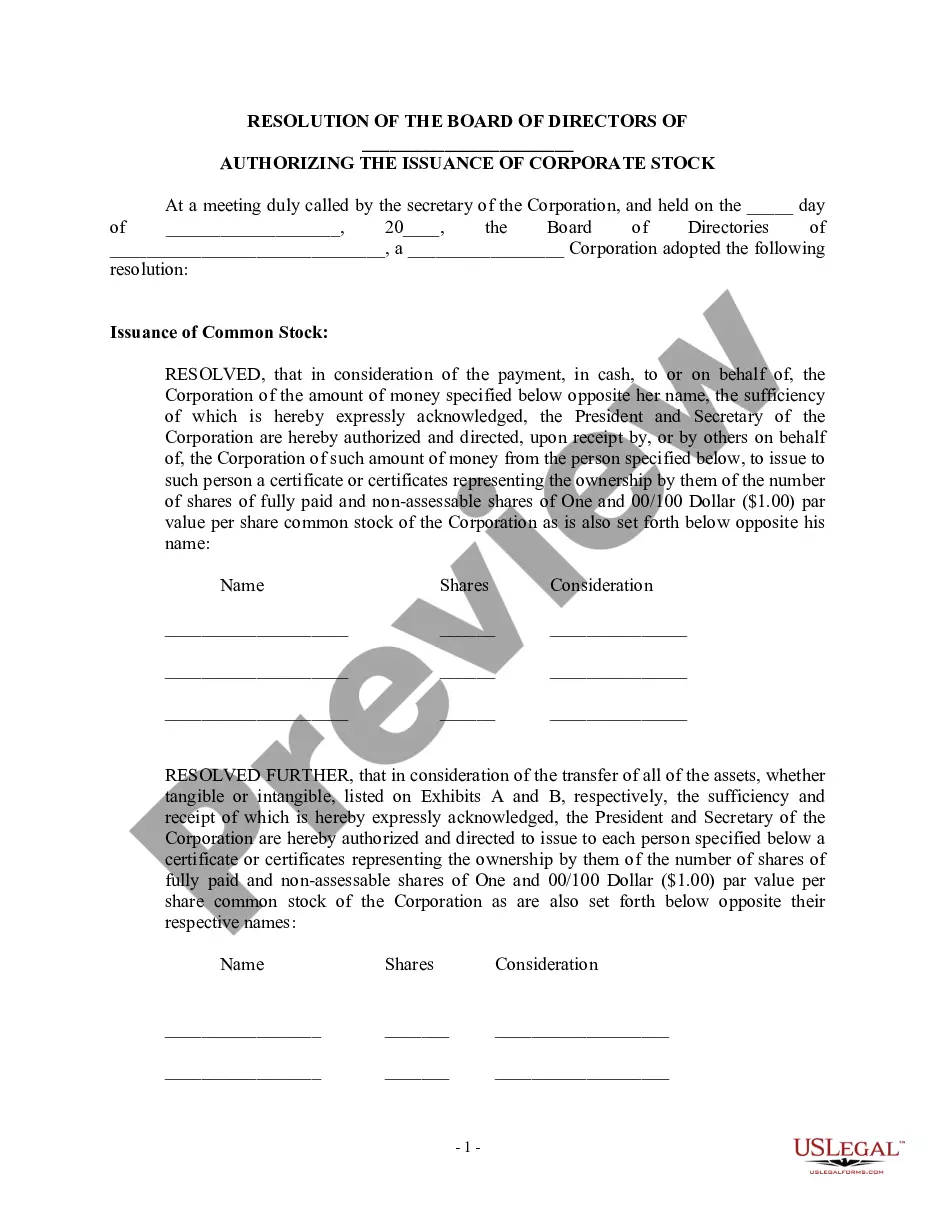
Unless you indicate differently in your articles of incorporation or by-laws, your corporation's board of directors can generally issue shares whenever it wishes, to whomever it chooses, and for whatever value it decides. Directors can decide to issue shares by majority vote.
In an LLC, the units of ownership are not known as shares of 'stock'. The majority of the LLC's agreement delegates a particular number of “membership interests” or “membership units”. These LLC shares or units may also be further broken down into two types: the voting units and the non-voting units.
An ownership percentage can be assigned/transferred to the new Member and listed internally within the LLC Operating Agreement. Sometimes, clients think that shares of stock have to be issued or transferred to the new Member but, as is the premise of this article, there's no stock within an LLC.
The allocation of how a distribution is divided among LLC members is usually outlined in the LLC operating agreement. Typically, each member's share of any distributions depends on their ownership percentage, also known as their membership interest.
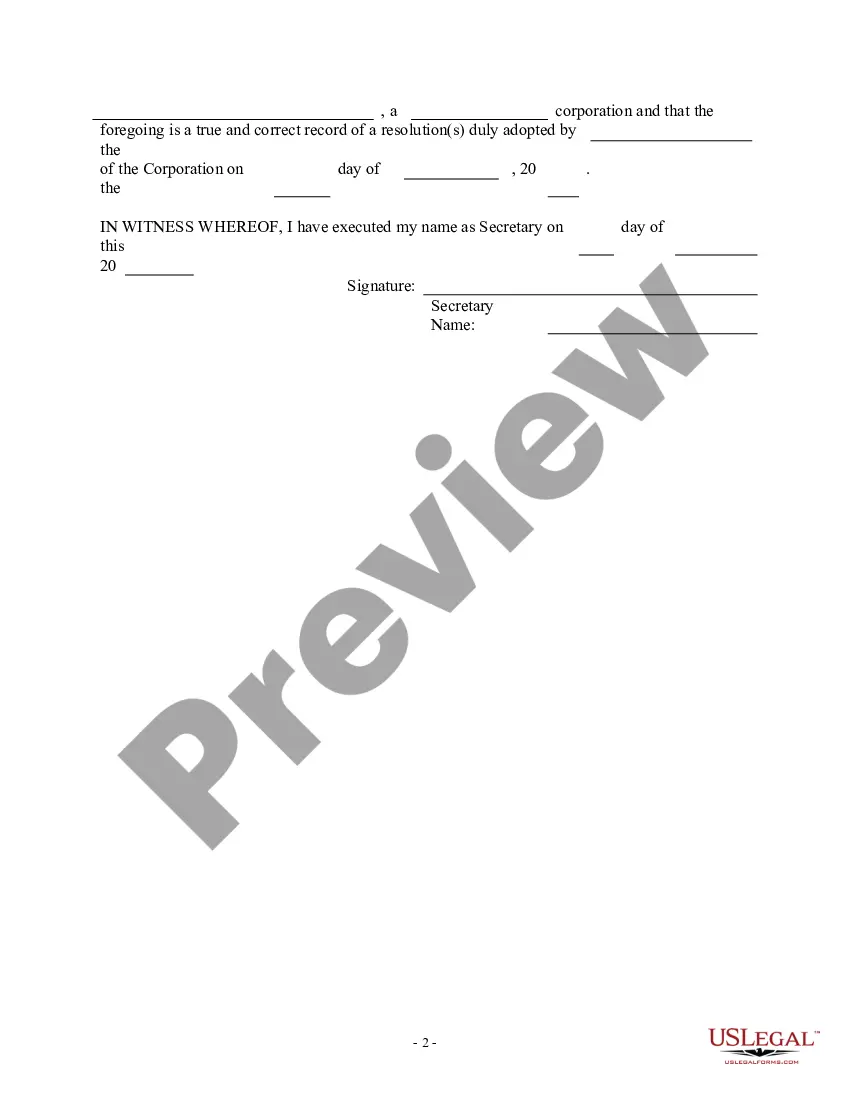
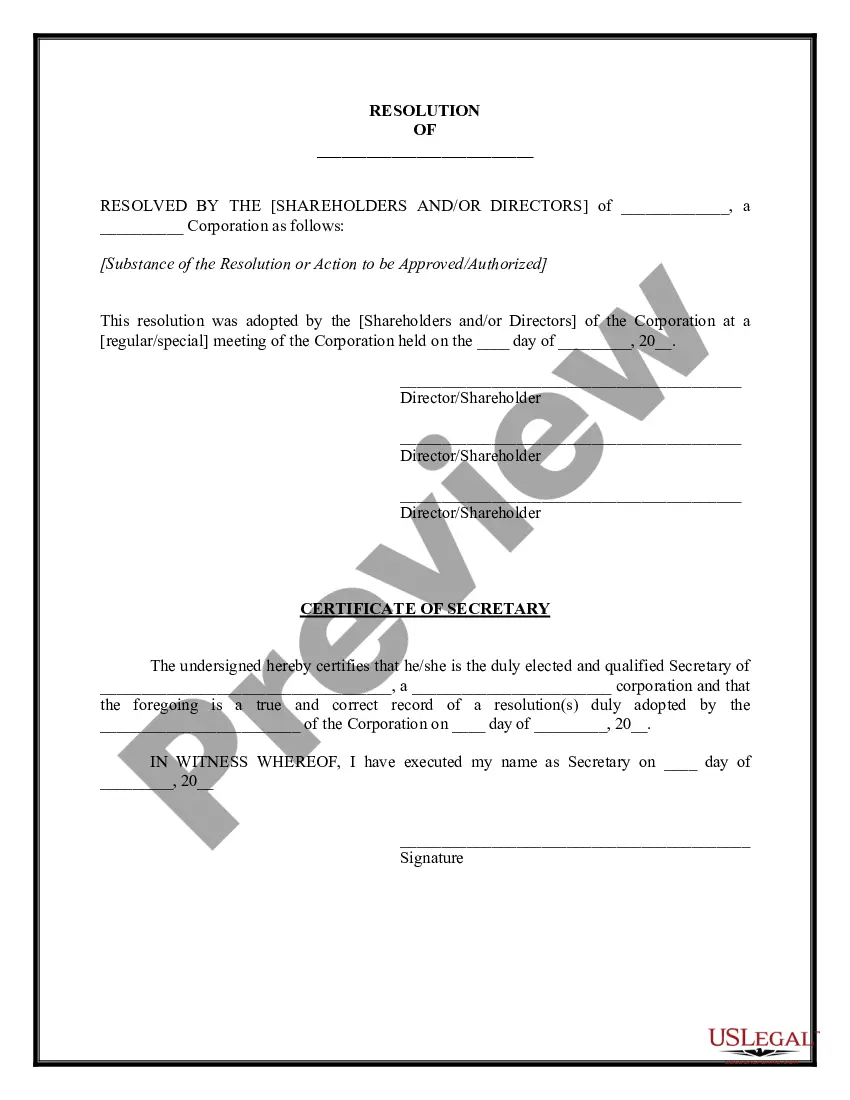
Here are the steps to issue shares in a corporation: Decide how much capital to raise. Decide the number of shares to be issued. Decide corporation will be public or private. Set value for each share. Choose the type of stock. Prepare a shareholder agreement. Issue stock certificates.
An LLC can indeed buy stocks, just like any individual. Once the LLC is set up, you can definitely open up a brokerage account in your LLCs name and transfer existing assets. After that, you're all set to buy stocks and bonds within the LLC just like you would in a personal brokerage account.
Unless you indicate differently in your articles of incorporation or by-laws, your corporation's board of directors can generally issue shares whenever it wishes, to whomever it chooses, and for whatever value it decides. Directors can decide to issue shares by majority vote.
Here are the steps to issue shares in a corporation: Decide how much capital to raise. Decide the number of shares to be issued. Decide corporation will be public or private. Set value for each share. Choose the type of stock. Prepare a shareholder agreement. Issue stock certificates.
(1) Shares may but need not be represented by certificates. Unless this chapter or another statute expressly provides otherwise, the rights and obligations of shareholders are identical, regardless of whether their shares are represented by certificates.
