Change Share Rights In Cuyahoga
Description



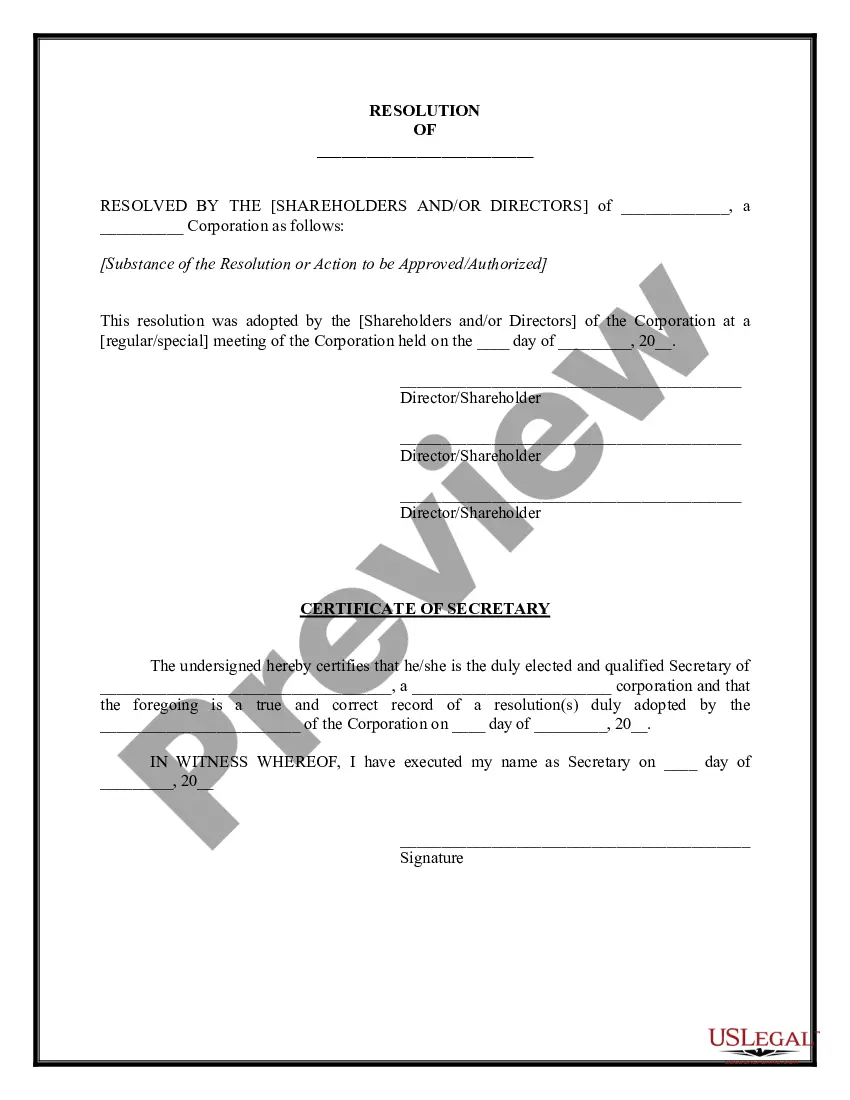
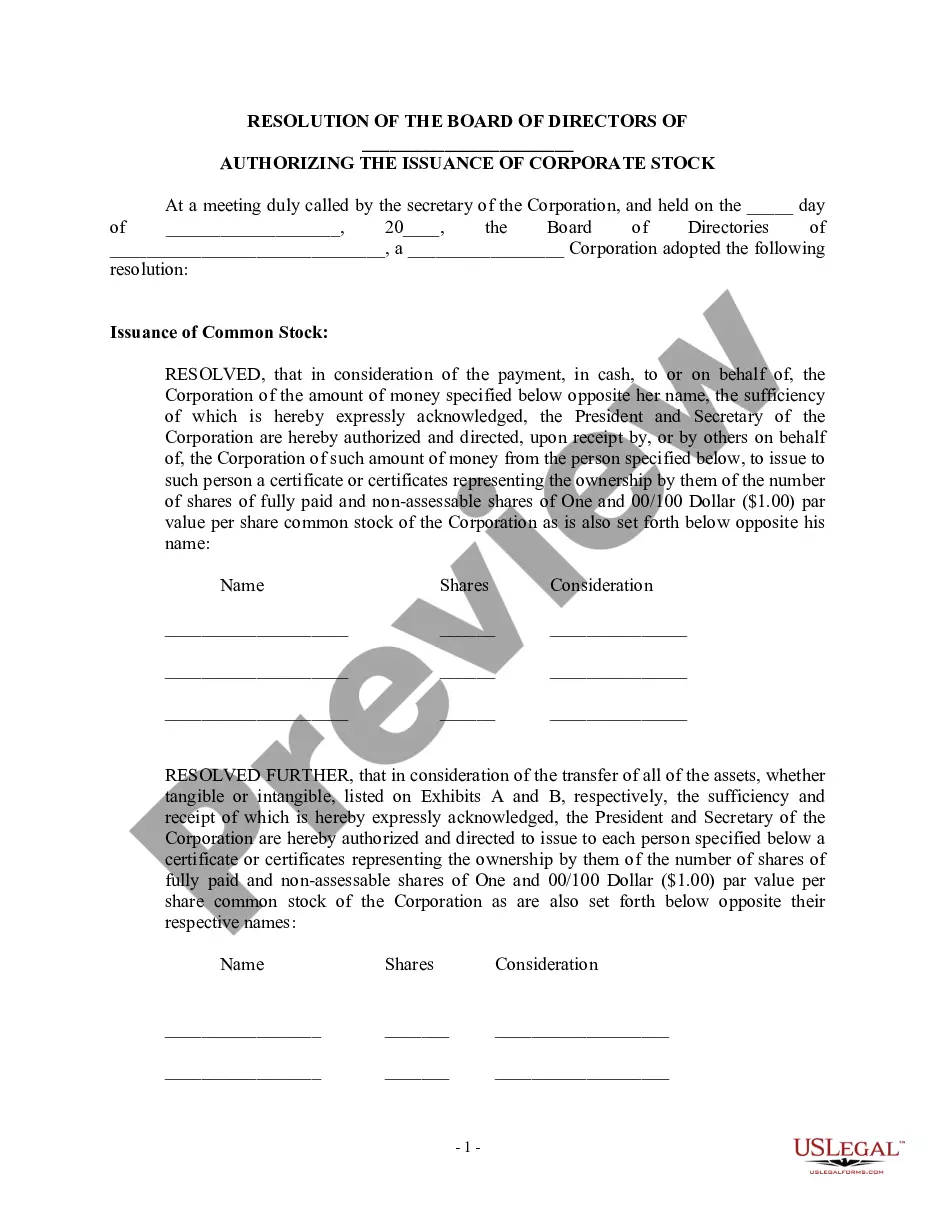
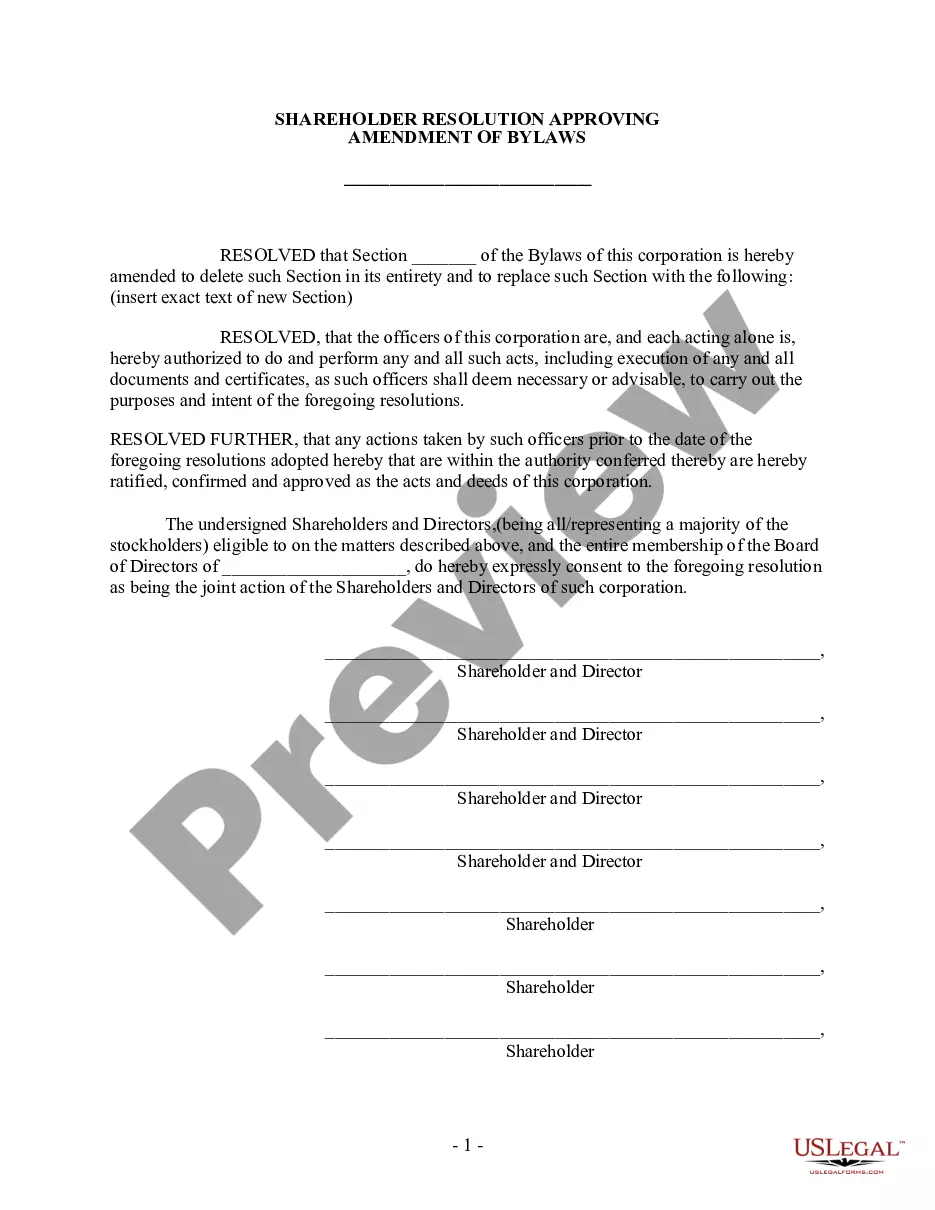
Get your form ready online
Our built-in tools help you complete, sign, share, and store your documents in one place.
Make edits, fill in missing information, and update formatting in US Legal Forms—just like you would in MS Word.
Download a copy, print it, send it by email, or mail it via USPS—whatever works best for your next step.
Sign and collect signatures with our SignNow integration. Send to multiple recipients, set reminders, and more. Go Premium to unlock E-Sign.
If this form requires notarization, complete it online through a secure video call—no need to meet a notary in person or wait for an appointment.
We protect your documents and personal data by following strict security and privacy standards.

Make edits, fill in missing information, and update formatting in US Legal Forms—just like you would in MS Word.

Download a copy, print it, send it by email, or mail it via USPS—whatever works best for your next step.

Sign and collect signatures with our SignNow integration. Send to multiple recipients, set reminders, and more. Go Premium to unlock E-Sign.

If this form requires notarization, complete it online through a secure video call—no need to meet a notary in person or wait for an appointment.

We protect your documents and personal data by following strict security and privacy standards.
Looking for another form?



Form popularity
FAQ
Unlike many other states, Ohio recognizes grandparent rights through Ohio Revised Code 3109.051. A grandparent can grant visitation rights when the parents' marriage ends, a parent of the child dies, or when the child is born to an unmarried woman.
Who Determines the Grandparent Visitation Schedule? There is no one-size-fits-all answer to how often you should be allowed to see your grandchild. This will depend largely on the child's best interests and what the parent's schedule reasonably allows.
You could petition the courts for visitation and you may be granted this if a judge feels it is in the children's best interest. You do not say why they are keeping you from seeing their children. Parents do have the right to decide whom their children spend time with.
Grandparent Visitation Rights When one or both parents prevent their child from seeing their grandparents, the grandparents can ask the courts for visitation. If the judge feels it is in the child's best interests, they will generally award visitation, even if one or both parents object.
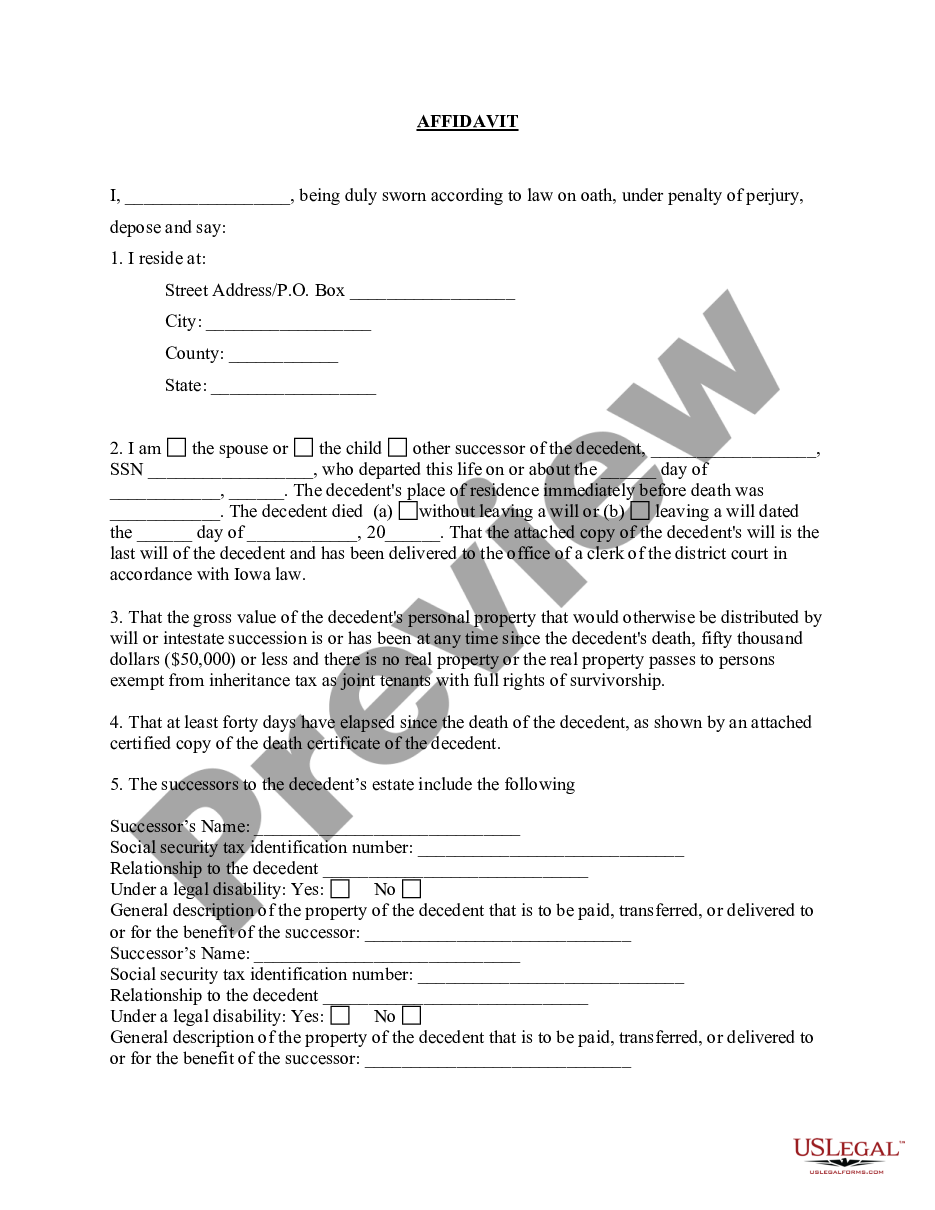
The Parenting Proceeding Affidavit is a sworn statement stating the names and dates of birth of the minor children of the parties, their residence addresses for the previous five years and whether any or all of the children have been the subject of any court cases where a designation of parental rights has been made no ...
Although all 50 states have grandparents' rights in place, around 20 states have what are called restrictive visitation statutes. These states, like Alabama and Georgia, only allow a grandparent to petition the court for visitation rights if the child's parents are getting divorced or if one or both parents pass away.
An Affidavit of Parentage determines the identity of a child's father. It is a legal document voluntarily signed by the parents of a child that creates a binding statement of paternity. This form affirms who is the presumed father in a situation where the parents are unmarried.
Shared parenting is by far the most common arrangement for the allocation of parental rights and responsibilities in Ohio. The parents share equal rights and responsibilities for caring for the child and have equal rights to parenting time—though the child may not split the time exactly 50/50 between the two parents.
Definition and Purpose. Child custody affidavits are written statements made under penalty of perjury. They explain relevant facts about the child's living situation, parental involvement, and overall welfare.
