Outstanding Shares For A Company In Cook
Description


Get your form ready online
Our built-in tools help you complete, sign, share, and store your documents in one place.
Make edits, fill in missing information, and update formatting in US Legal Forms—just like you would in MS Word.
Download a copy, print it, send it by email, or mail it via USPS—whatever works best for your next step.
Sign and collect signatures with our SignNow integration. Send to multiple recipients, set reminders, and more. Go Premium to unlock E-Sign.
If this form requires notarization, complete it online through a secure video call—no need to meet a notary in person or wait for an appointment.
We protect your documents and personal data by following strict security and privacy standards.

Make edits, fill in missing information, and update formatting in US Legal Forms—just like you would in MS Word.

Download a copy, print it, send it by email, or mail it via USPS—whatever works best for your next step.

Sign and collect signatures with our SignNow integration. Send to multiple recipients, set reminders, and more. Go Premium to unlock E-Sign.

If this form requires notarization, complete it online through a secure video call—no need to meet a notary in person or wait for an appointment.

We protect your documents and personal data by following strict security and privacy standards.
Looking for another form?




Form popularity
FAQ
When a company buys back its shares, it usually means that the firm is bullish about its future earnings potential. Profitability measures, such as earnings per share (EPS), usually experience a huge impact from a share repurchase. Share repurchases can have a significant positive impact on an investor's portfolio.
Shares outstanding refer to a company's stock currently held by all its shareholders. These include share blocks held by institutional investors and restricted shares owned by the company's officers and insiders. A company's number of shares outstanding is not static and may fluctuate wildly over time.
1) Companies usually disclose the number of shares outstanding in their financial statements, such as their balance sheet or income statement. 2) Most companies have an investor relations section on their website which provides information on the number of shares outstanding.
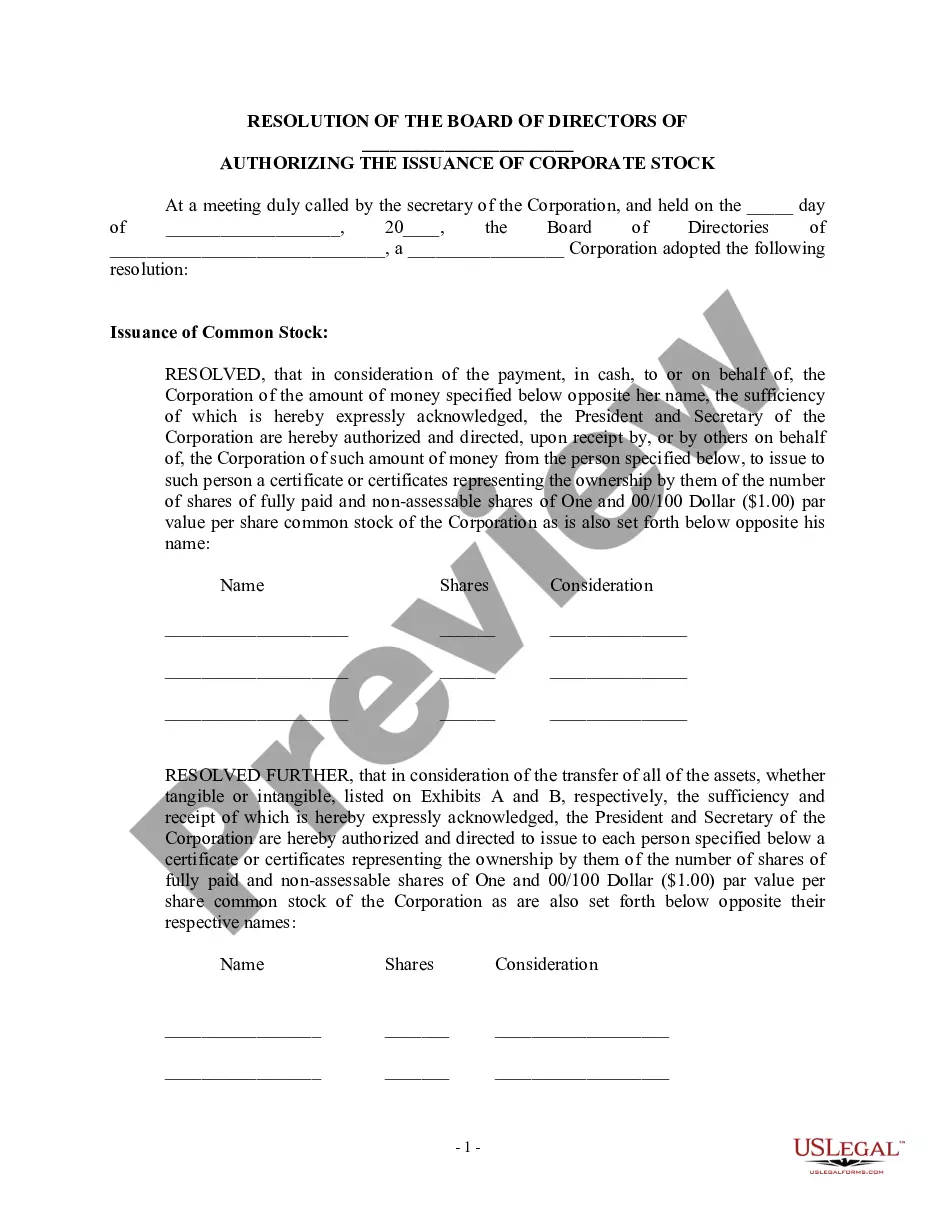
When launching a startup, founders have to decide how many shares to issue at incorporation. While most startups authorize 10 million shares, the number of shares issued to founders will depend on factors such as the size of the employee pool, the need for additional reserves and the number of founders.
Outstanding shares refer to the number of stocks that a company has issued. This number represents all the shares that can be bought and sold by the public as well as all the restricted shares that require special permission before being transacted.
Share and shareholder information appears on the Companies House register. This means anyone who is interested can freely (and relatively simply) look up a company on the Companies House register and see how many shares are in the company, the type of shares these are (i.e., what class they are), and who owns them.
The number of issued shares is recorded on a company's balance sheet as capital stock or owners' equity, while the shares outstanding (issued shares minus any shares in the treasury) are listed on the company's quarterly filings with the Securities and Exchange Commission.
