Change Share Rights In California
Description



Get your form ready online
Our built-in tools help you complete, sign, share, and store your documents in one place.
Make edits, fill in missing information, and update formatting in US Legal Forms—just like you would in MS Word.
Download a copy, print it, send it by email, or mail it via USPS—whatever works best for your next step.
Sign and collect signatures with our SignNow integration. Send to multiple recipients, set reminders, and more. Go Premium to unlock E-Sign.
If this form requires notarization, complete it online through a secure video call—no need to meet a notary in person or wait for an appointment.
We protect your documents and personal data by following strict security and privacy standards.

Make edits, fill in missing information, and update formatting in US Legal Forms—just like you would in MS Word.

Download a copy, print it, send it by email, or mail it via USPS—whatever works best for your next step.

Sign and collect signatures with our SignNow integration. Send to multiple recipients, set reminders, and more. Go Premium to unlock E-Sign.

If this form requires notarization, complete it online through a secure video call—no need to meet a notary in person or wait for an appointment.

We protect your documents and personal data by following strict security and privacy standards.
Looking for another form?



Form popularity
FAQ
The process of adding a member to a California LLC may involve amending the company's articles of organization to include the new member. Depending on the terms in the agreement, current LLC members may need to vote on it for the amendment to pass.
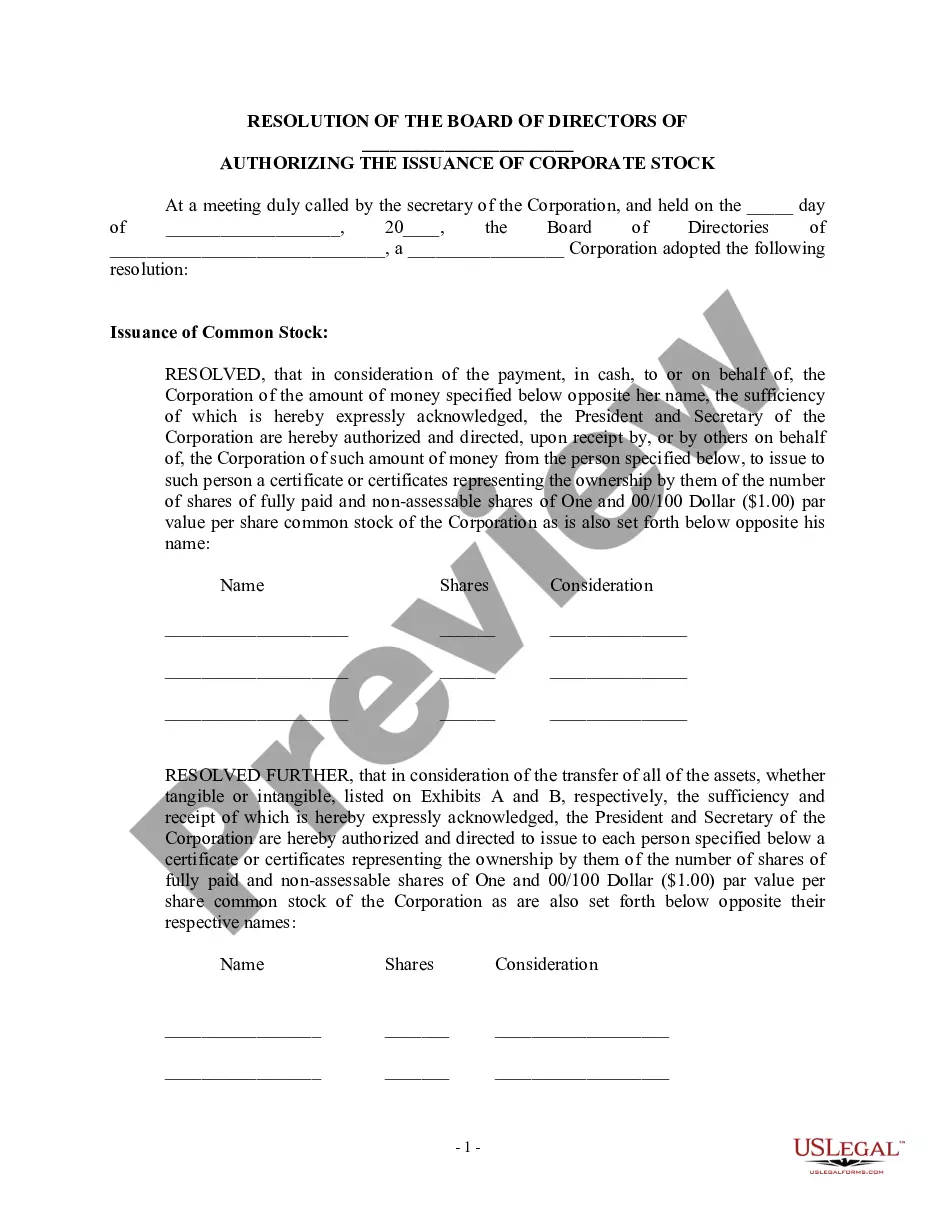
How to Transfer Ownership of a Corporation Consult your Articles of Incorporation and corporate bylaws. Contact the board of directors or shareholders. Find a buyer. Transfer ownership of stock. Inform the Secretary of State.
While there is no one correct way to transfer your business, businesses typically change hands through one of the following vehicles: Selling to a Third Party. Selling to Co-Owners. Transferring to Family. Management Buyout. Employee Stock Ownership Plans.
Here are some ways ownership can be transferred within an S-corp: Issuing new stock shares. You can issues new shares of company stock by by creating a bill of sale—BUT make sure you're following the protocols set-out in your Articles of Incorporation. Selling existing stock shares. Through a shareholder's estate.
Changing officers of a corporation involves filing the articles of incorporation while adhering to California state codes. Directors add officers formally at an annual directors meeting but can do so at any time within the scope of the bylaws.
Corporations are one of the easiest corporate structures to transfer ownership in. This is the case whether the ownership is part of the company or the whole company. Below we discuss transferring ownership in a corporation and specific guidelines for S-corporations and C-corporations.