Issued With Shares In Alameda
Description

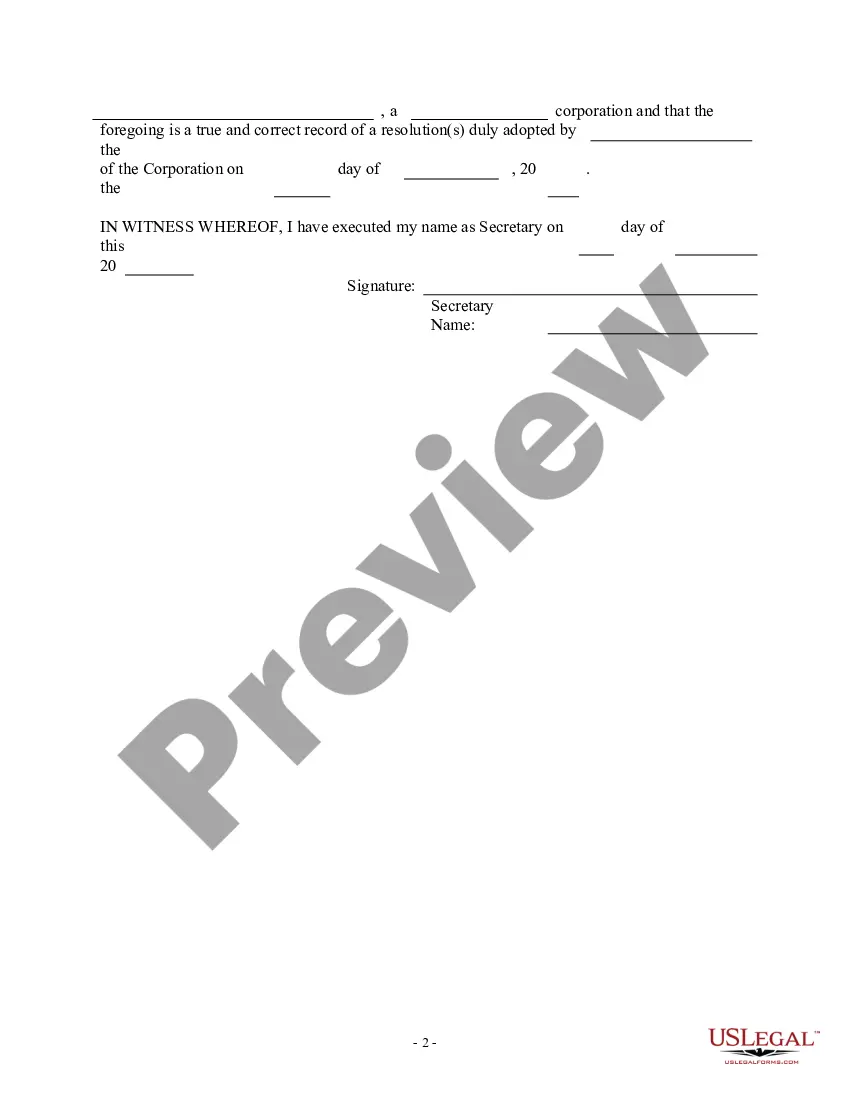


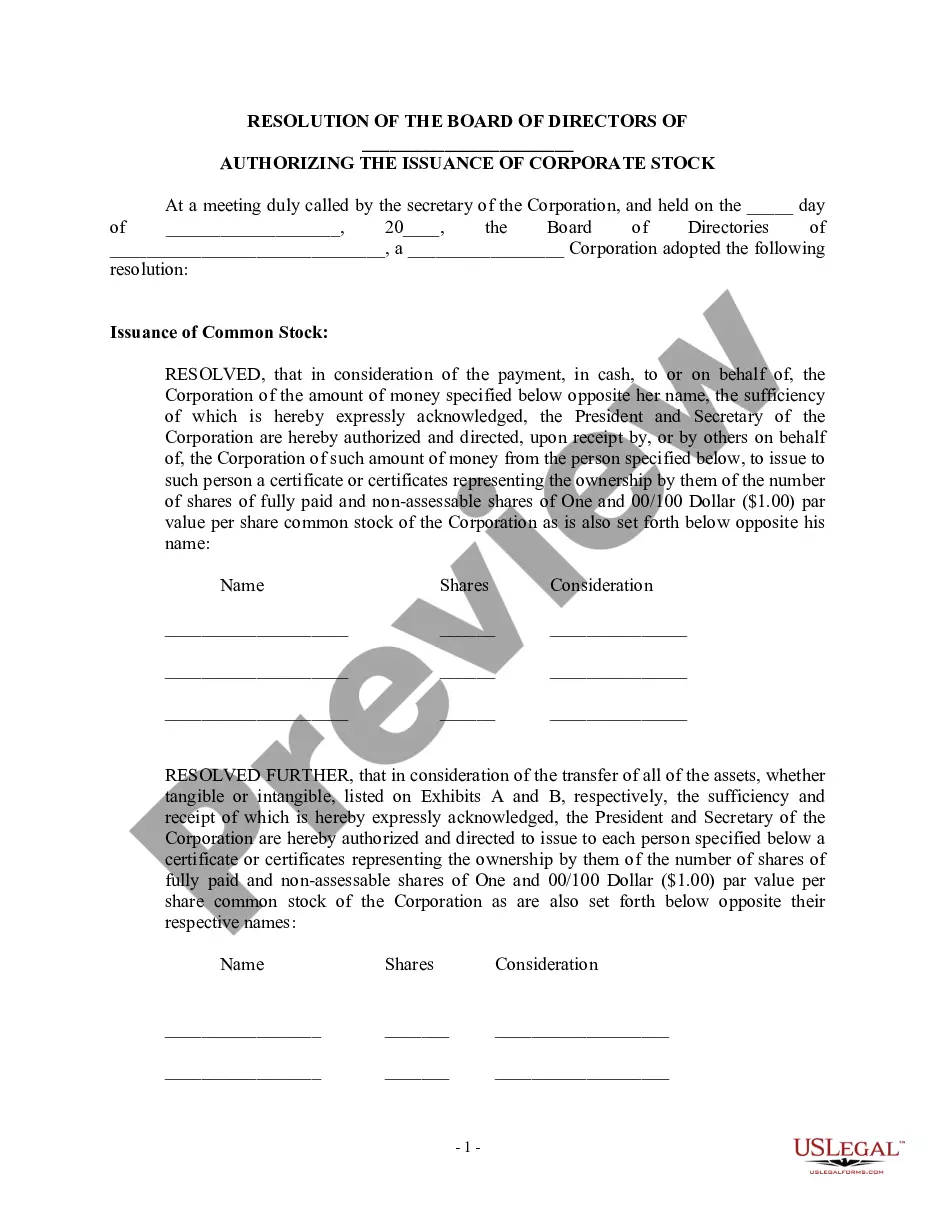
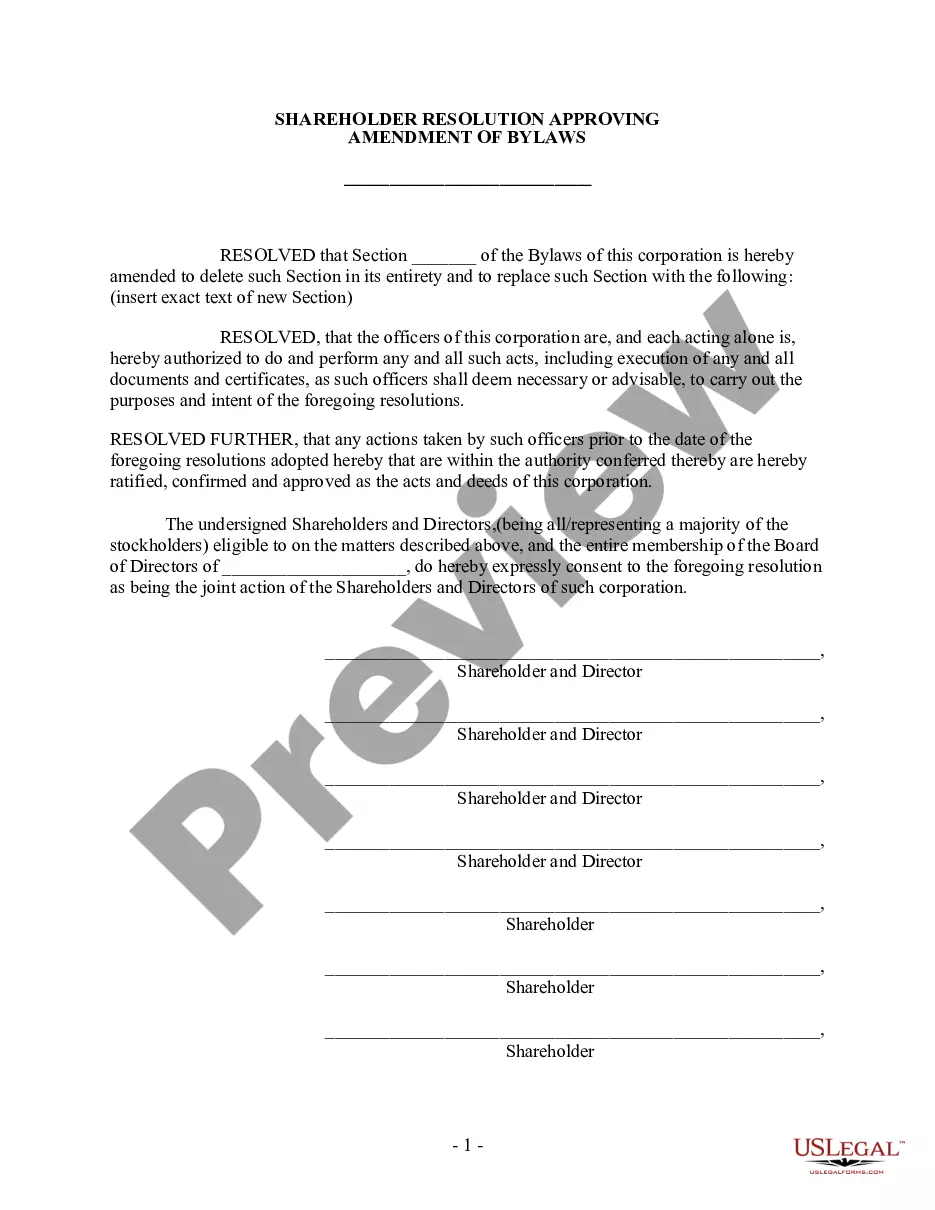
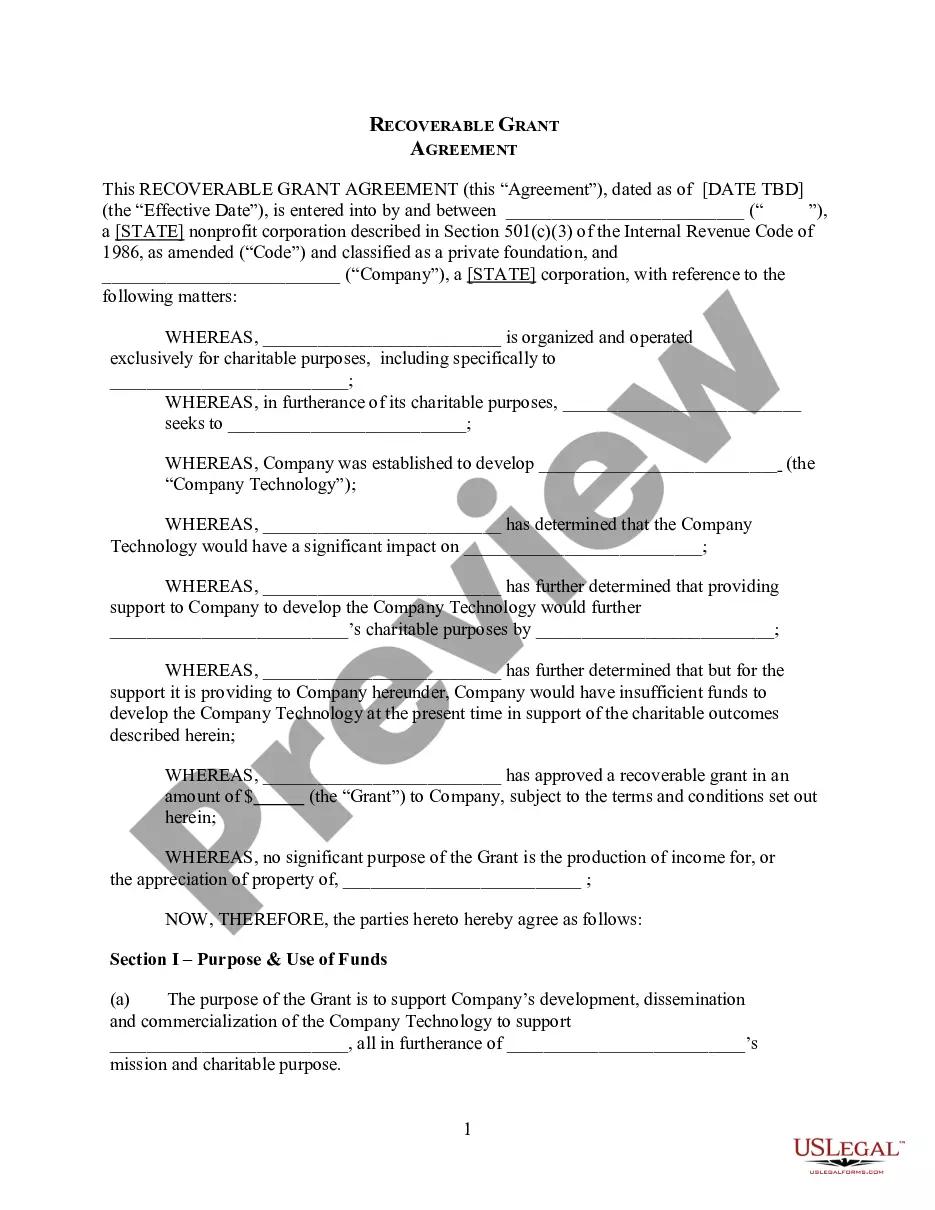
Get your form ready online
Our built-in tools help you complete, sign, share, and store your documents in one place.
Make edits, fill in missing information, and update formatting in US Legal Forms—just like you would in MS Word.
Download a copy, print it, send it by email, or mail it via USPS—whatever works best for your next step.
Sign and collect signatures with our SignNow integration. Send to multiple recipients, set reminders, and more. Go Premium to unlock E-Sign.
If this form requires notarization, complete it online through a secure video call—no need to meet a notary in person or wait for an appointment.
We protect your documents and personal data by following strict security and privacy standards.

Make edits, fill in missing information, and update formatting in US Legal Forms—just like you would in MS Word.

Download a copy, print it, send it by email, or mail it via USPS—whatever works best for your next step.

Sign and collect signatures with our SignNow integration. Send to multiple recipients, set reminders, and more. Go Premium to unlock E-Sign.

If this form requires notarization, complete it online through a secure video call—no need to meet a notary in person or wait for an appointment.

We protect your documents and personal data by following strict security and privacy standards.
Looking for another form?






Form popularity
FAQ
You must obtain a business license from Alameda County only if you are conducting any type of business, including leasing residential and commercial property, or your business is based in an unincorporated area of Alameda County.
General Business License. Any business, including home-based businesses, must obtain a local city or county business license. Professional License. Certain home-based businesses require state or federal professional licensing or certification. Health and Safety Permits. Sign Permit. Sales Tax License.
If you need a copy of the current deed, contact or visit the Alameda County Recorder's Office. Copies of deeds are not available off the internet. There is an online name index. Copies of the document itself must be obtained from the Recorder's Office Public Records Room.
Trusts are not filed or registered with the Court. You may wish to contact the County Recorder or the attorney who prepared the trust to obtain copies.
In every case, to present an ex parte application to the court, a party must: reserve a hearing date with the applicable department (for applications that require a hearing.) ... file the motion with the court, and. give notice of the hearing date as required by law.
Today the 20 justices of the First Appellate District serve the residents of twelve Northern California counties: Alameda, Contra Costa, Del Norte, Humboldt, Lake, Marin, Mendocino, Napa, San Francisco, San Mateo, Solano, and Sonoma.
All Superior Courts in California have authority over a wide variety of case types: Civil Cases - Includes both limited civil cases ($35,000 or less) and unlimited civil cases (over $35,000). Criminal Cases - Both felony and misdemeanor crimes (including such offenses as driving under the influence).
Alameda County has courts in ten different locations. Here is a rundown of the locations of each courthouse in Alameda County.
Superior Court of Alameda County.
Among its main provisions, the Rent Ordinance: Regulates and limits rent increases for most rental units. Regulates and limits the grounds for which a landlord may terminate a tenancy, and may require relocation payments for tenants who are displaced from a rental unit through no fault of their own.
