Motion Time Form With Date In Virginia
Description

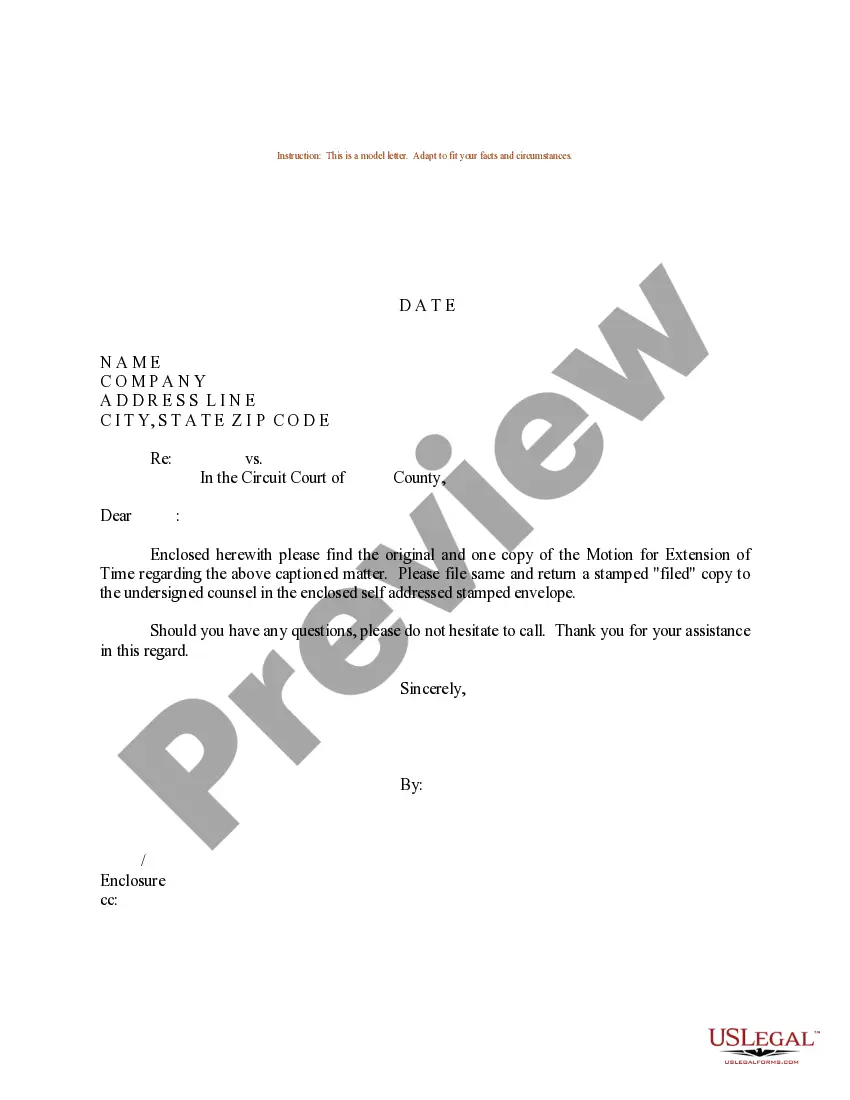
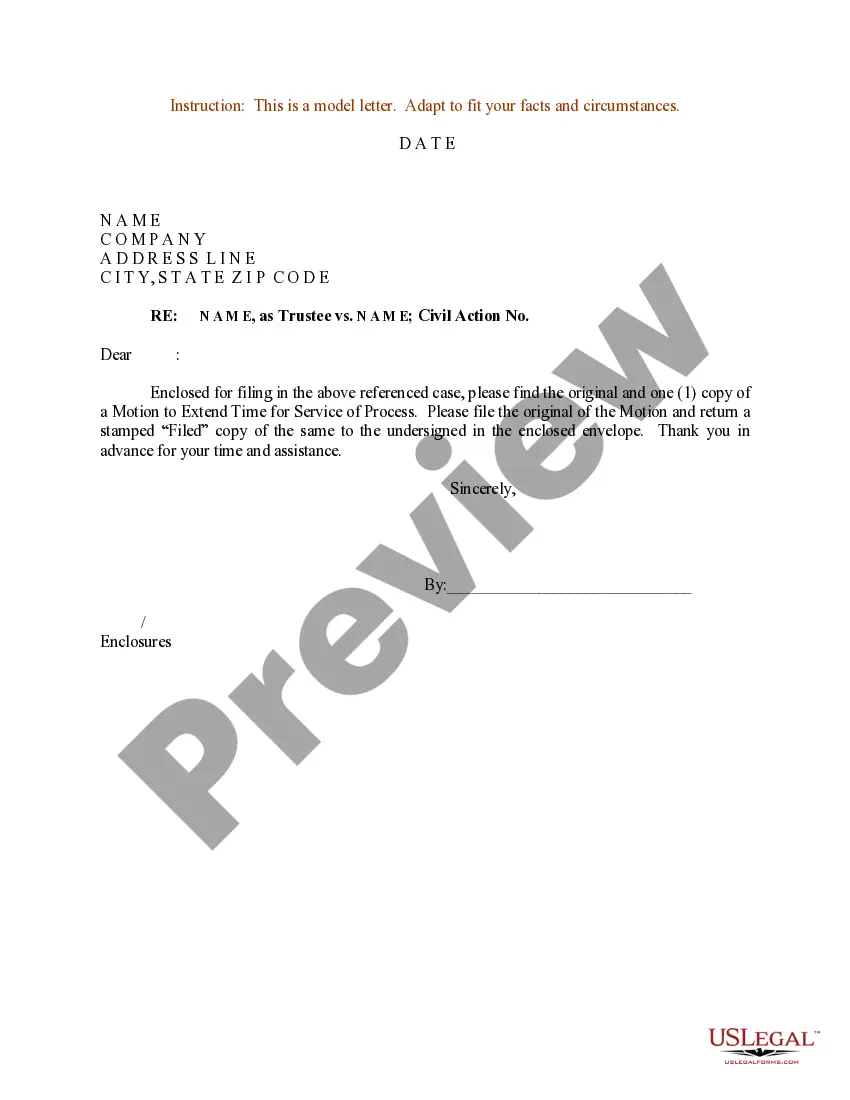
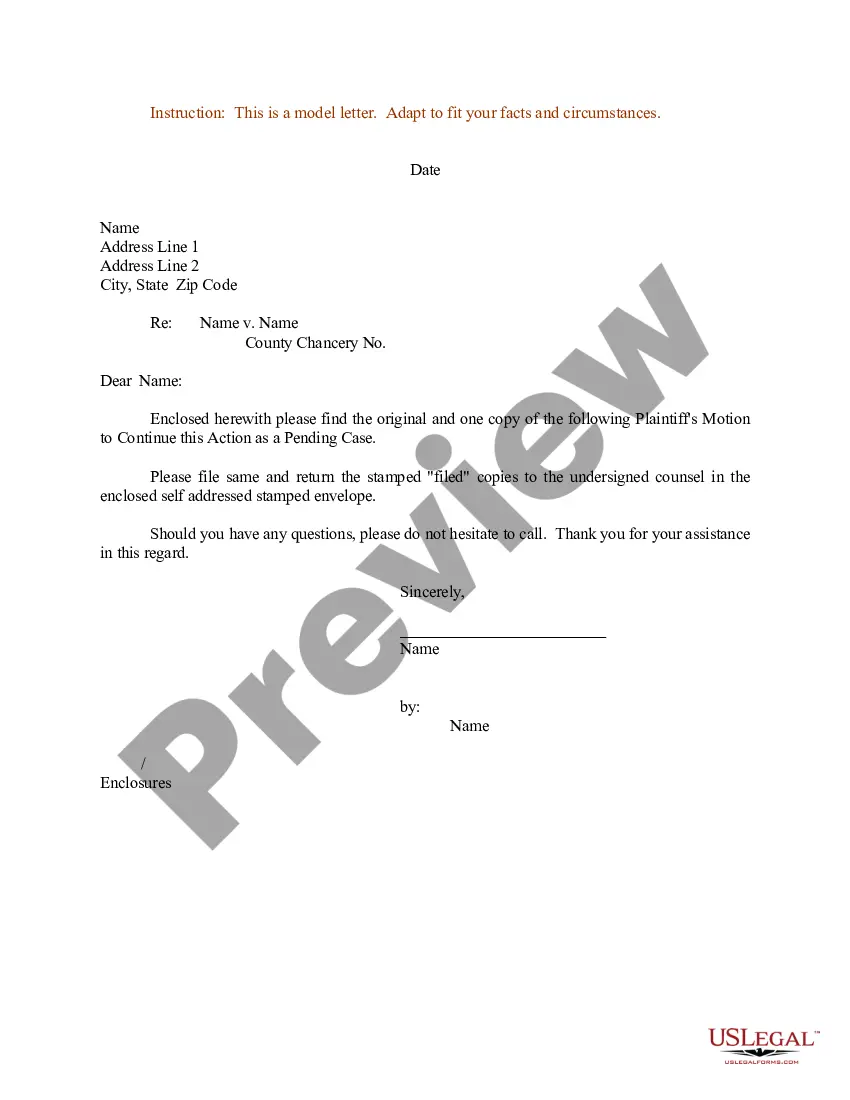
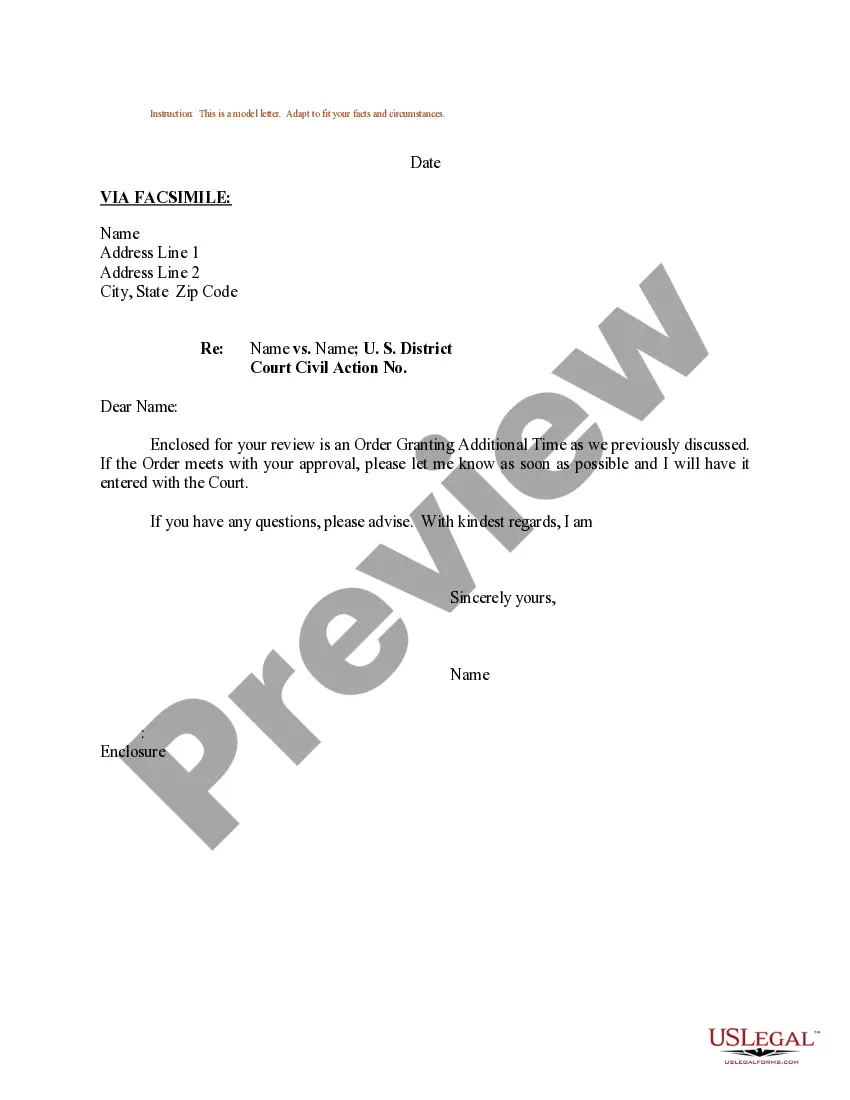
Get your form ready online
Our built-in tools help you complete, sign, share, and store your documents in one place.
Make edits, fill in missing information, and update formatting in US Legal Forms—just like you would in MS Word.
Download a copy, print it, send it by email, or mail it via USPS—whatever works best for your next step.
Sign and collect signatures with our SignNow integration. Send to multiple recipients, set reminders, and more. Go Premium to unlock E-Sign.
If this form requires notarization, complete it online through a secure video call—no need to meet a notary in person or wait for an appointment.
We protect your documents and personal data by following strict security and privacy standards.

Make edits, fill in missing information, and update formatting in US Legal Forms—just like you would in MS Word.

Download a copy, print it, send it by email, or mail it via USPS—whatever works best for your next step.

Sign and collect signatures with our SignNow integration. Send to multiple recipients, set reminders, and more. Go Premium to unlock E-Sign.

If this form requires notarization, complete it online through a secure video call—no need to meet a notary in person or wait for an appointment.

We protect your documents and personal data by following strict security and privacy standards.
Looking for another form?



Form popularity
FAQ
A request for a continuance must be made in person on your court date before the judge. If you are unable to appear on the court date, you may file a request for a continuance, in writing, no less than two business days prior to the court date.
Rule . — All final judgments, orders, and decrees, irrespective of terms of court, remain under the control of the trial court and may be modified, vacated, or suspended for twenty-one days after the date of entry, and no longer.
On the next court date, there will be a hearing to determine if you have indeed violated a previous written order of the court. If you are unable to show the Court that you have not violated the Order, then you will most likely be held in Contempt of Court.
At a show cause hearing, the judge expects the person accused of non-compliance to “show cause” or give a valid reason for why they haven't followed the court order. If the court isn't satisfied with the explanation, they may impose penalties, including jail time, to encourage compliance.
The Rule to Show Cause is served as a misdemeanor Summons and the person is not physically arrested. Instead, they are given a new court date to explain why they did not appear.
Motion hearings serve as critical junctures in the legal process, allowing parties to address both procedural and substantive matters before trial. By narrowing the scope of disputes and enhancing judicial efficiency, they play a pivotal role in conserving valuable time and resources for all involved.
Both sides will have an opportunity to present their cases at the hearing. You will begin by presenting evidence that the respondent has violated or is violating a court order. Your attorney may call witnesses, including yourself, to testify in support of your claims.
Upon a properly filed petition, the court will usually issue the “Rule to Show Cause” commanding the defaulting party to appear at a scheduled court hearing and demonstrate why he or she should not adjudged to be in contempt and then compelled to comply to take or not take certain action.
Motion Date means the date on which the Parties file a motion with the Court for approval of this settlement.

