Motion Time Form With Decimals In San Jose
Description

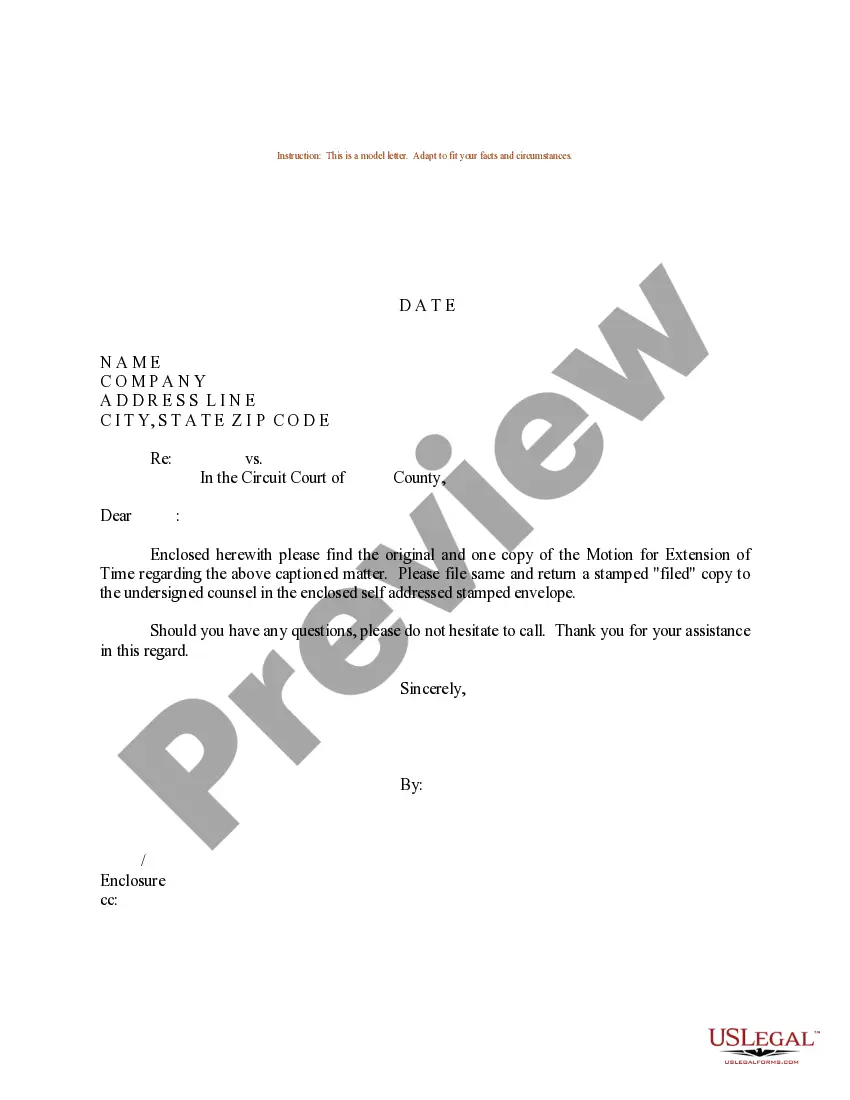
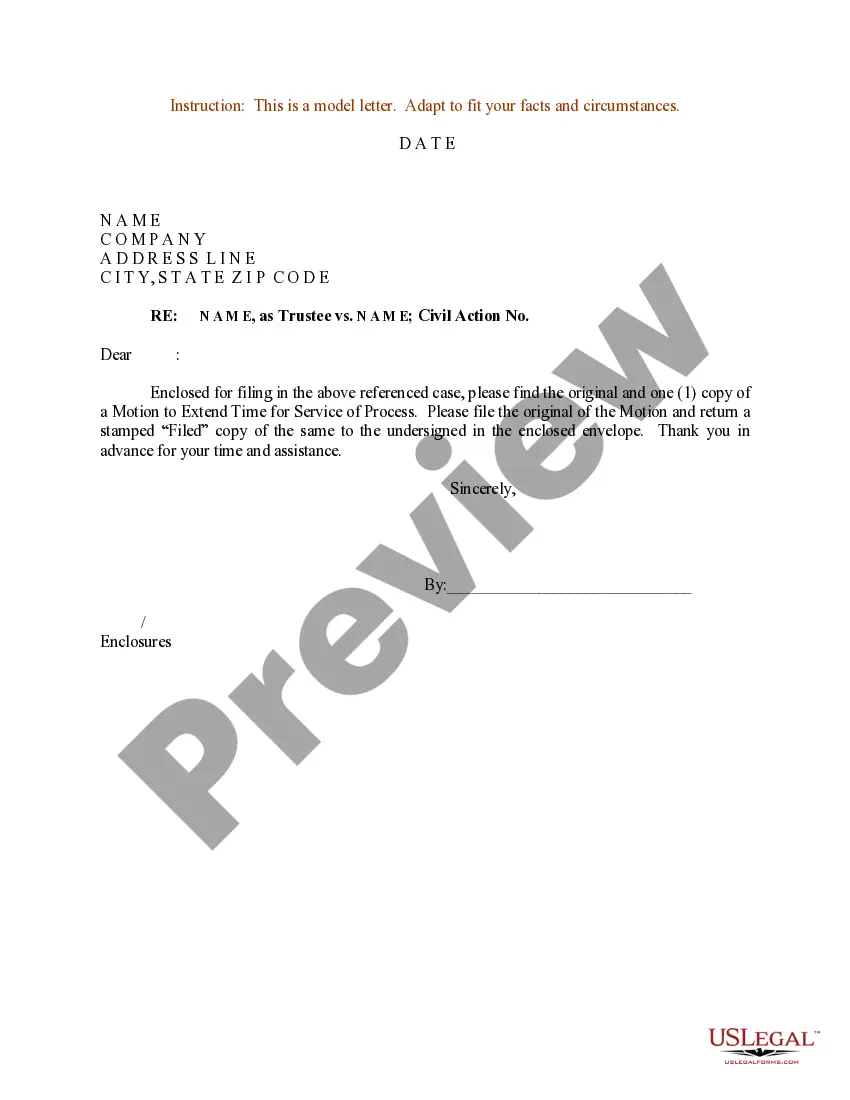
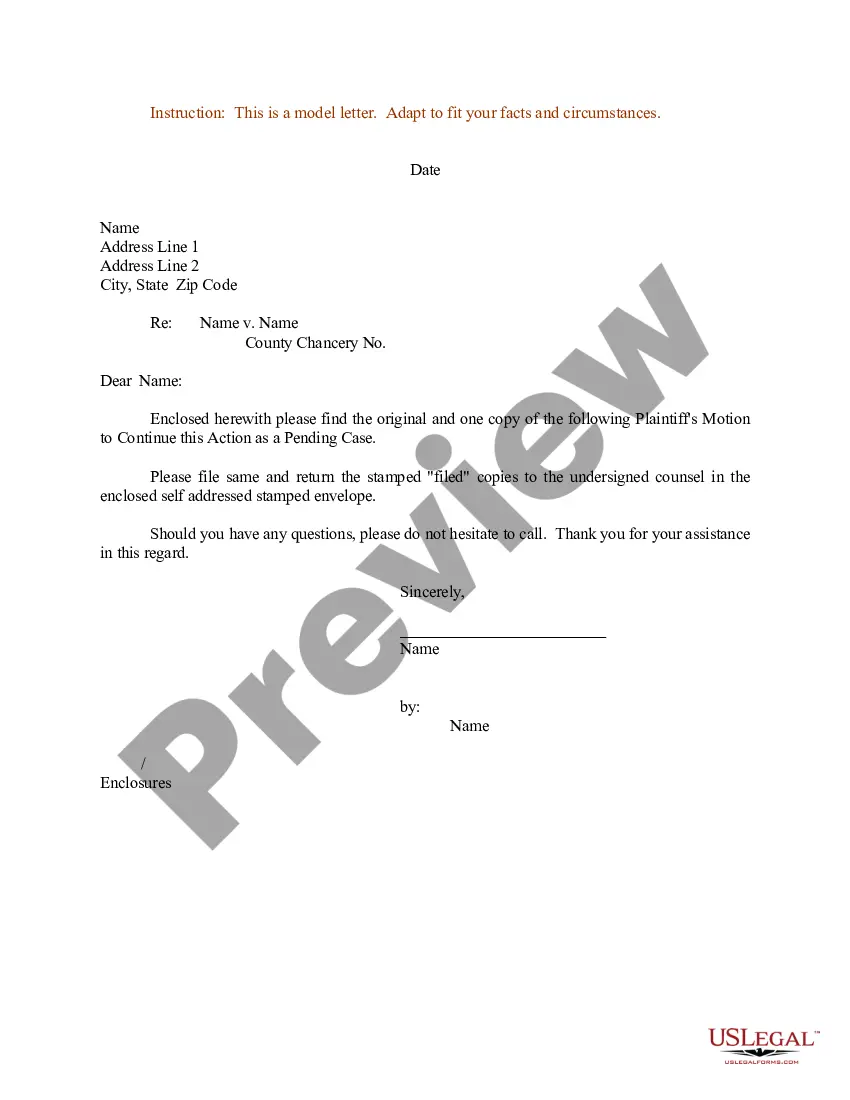
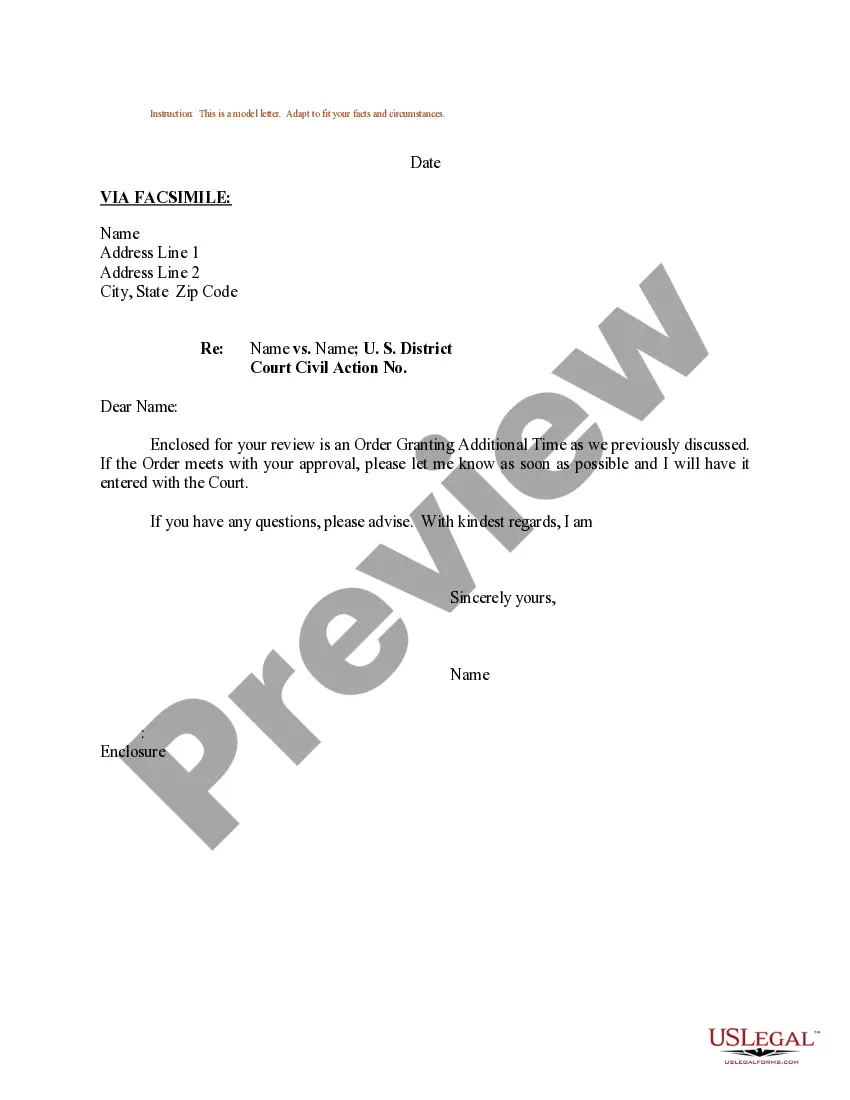
Get your form ready online
Our built-in tools help you complete, sign, share, and store your documents in one place.
Make edits, fill in missing information, and update formatting in US Legal Forms—just like you would in MS Word.
Download a copy, print it, send it by email, or mail it via USPS—whatever works best for your next step.
Sign and collect signatures with our SignNow integration. Send to multiple recipients, set reminders, and more. Go Premium to unlock E-Sign.
If this form requires notarization, complete it online through a secure video call—no need to meet a notary in person or wait for an appointment.
We protect your documents and personal data by following strict security and privacy standards.

Make edits, fill in missing information, and update formatting in US Legal Forms—just like you would in MS Word.

Download a copy, print it, send it by email, or mail it via USPS—whatever works best for your next step.

Sign and collect signatures with our SignNow integration. Send to multiple recipients, set reminders, and more. Go Premium to unlock E-Sign.

If this form requires notarization, complete it online through a secure video call—no need to meet a notary in person or wait for an appointment.

We protect your documents and personal data by following strict security and privacy standards.
Looking for another form?









Form popularity
FAQ
A motion is a paper you can file in your case. It asks the court to decide something in your case. For example, if you need more time to answer a complaint against you, you can file a motion to extend the time to answer. If you do not have a case, you cannot file a motion.
A motion is a formal request made by any party for a desired ruling , order , or judgment . The party that makes the motion is known as the movant . A motion can be written or spoken, as the relevant rules require.
A motion is an application to the court made by the prosecutor or defense attorney, requesting that the court make a decision on a certain issue before the trial begins. The motion can affect the trial, courtroom, defendants, evidence, or testimony. Only judges decide the outcome of motions.
Notice of most types of motions, and the papers that support the motion, must be filed with the court and served on all other parties at least sixteen (16) court days before the scheduled hearing date of the motion.
The action or process of moving or of changing place or position; movement.
A motion is a written request made to the court, asking the judge to issue an order. The motion must be supported by evidence.
An Order to Show Cause consists of a top page called an Order to Show Cause (OSC), followed by an Affidavit in Support of the OSC, and copies of any documents that the moving side (movant) thinks would help the Judge make a decision. The OSC tells the court and the other side what the movant wants the Judge to do.
How do I tell the Court that my address has changed? The Notice of Change of Address form is a state form, MC-040 . You can access it and complete it online. File the completed original and the copy at the Court where your case was heard - see list of courthouses.

