Best Cover Letter For In San Antonio
Description



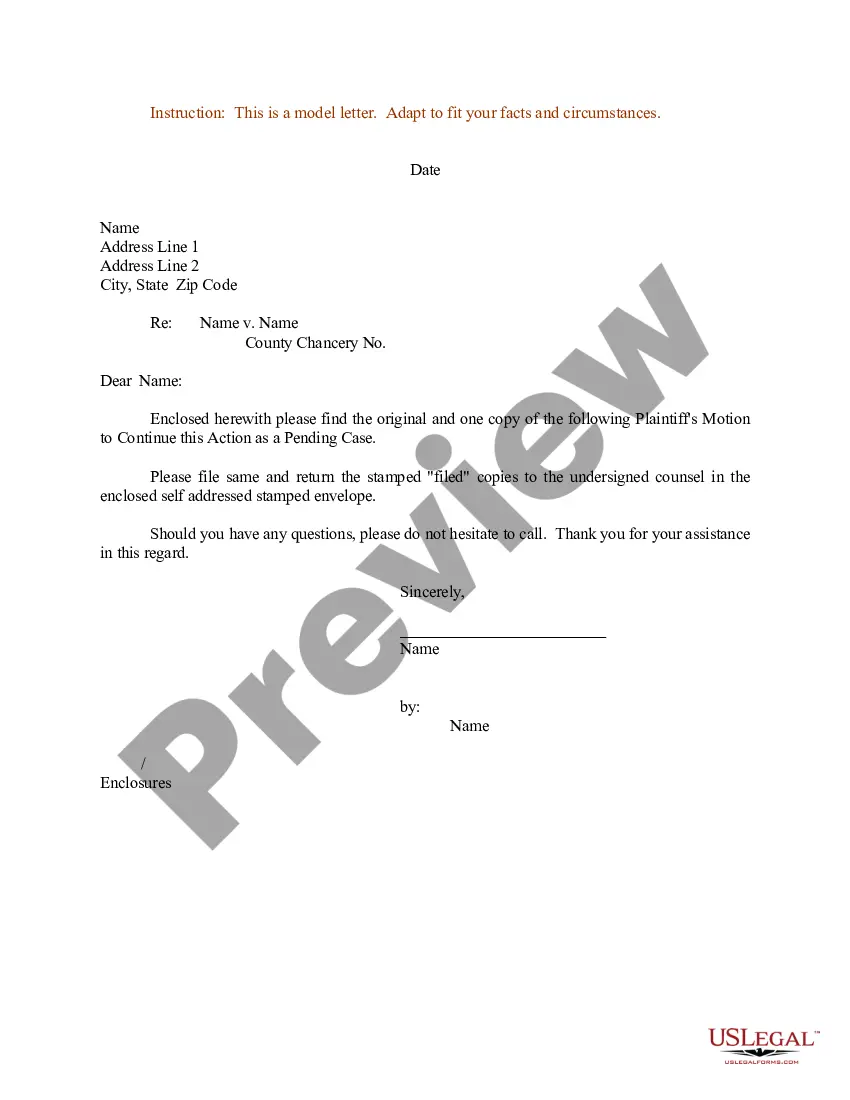
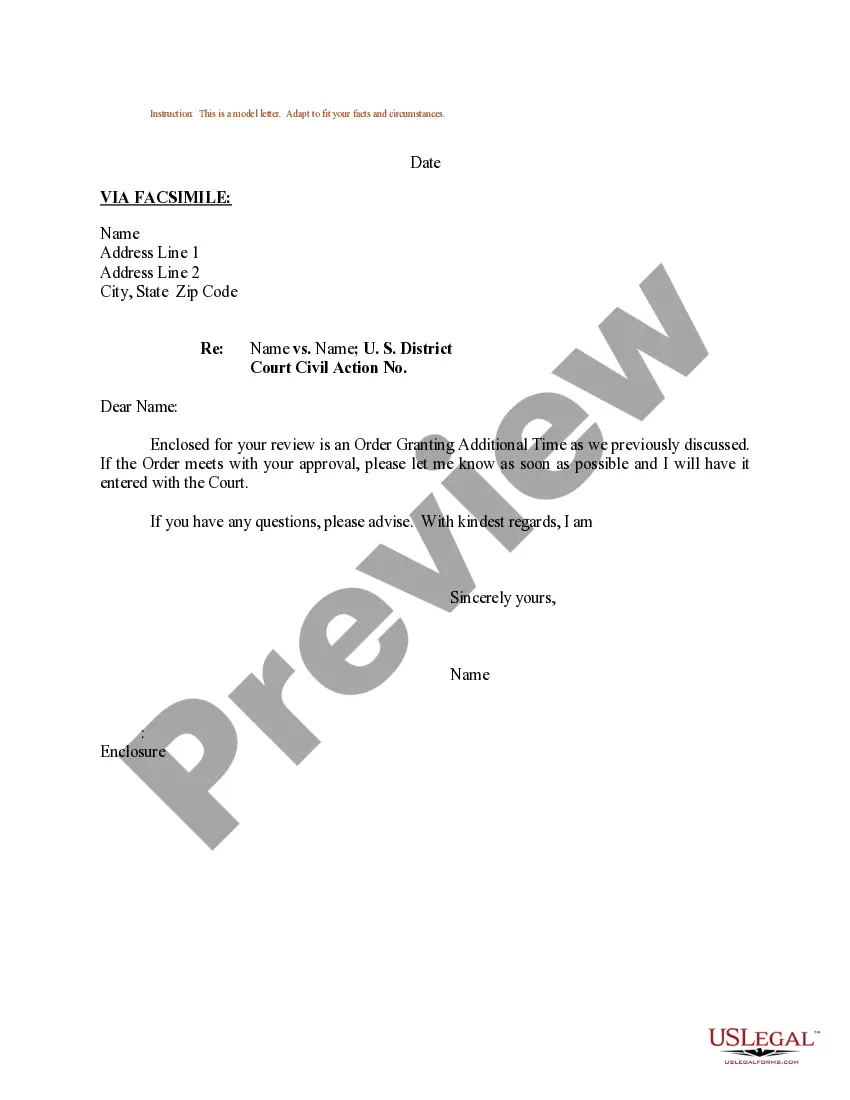
Get your form ready online
Our built-in tools help you complete, sign, share, and store your documents in one place.
Make edits, fill in missing information, and update formatting in US Legal Forms—just like you would in MS Word.
Download a copy, print it, send it by email, or mail it via USPS—whatever works best for your next step.
Sign and collect signatures with our SignNow integration. Send to multiple recipients, set reminders, and more. Go Premium to unlock E-Sign.
If this form requires notarization, complete it online through a secure video call—no need to meet a notary in person or wait for an appointment.
We protect your documents and personal data by following strict security and privacy standards.

Make edits, fill in missing information, and update formatting in US Legal Forms—just like you would in MS Word.

Download a copy, print it, send it by email, or mail it via USPS—whatever works best for your next step.

Sign and collect signatures with our SignNow integration. Send to multiple recipients, set reminders, and more. Go Premium to unlock E-Sign.

If this form requires notarization, complete it online through a secure video call—no need to meet a notary in person or wait for an appointment.

We protect your documents and personal data by following strict security and privacy standards.
Looking for another form?







Form popularity
FAQ
Your cover letter should articulate your qualifications and motivation for the position. Read the job description closely and research the organization. As you craft your cover letter, use examples that demonstrate your relevant skills, knowledge, and interests.
Writing a Killer Cover Letter Make a good impression beginning with the opening. Make it unique to the job. Make sure to write clearly. Include relevant experience. Be careful not to just repeat what's on your resume. Offer specific examples of what you've done. Finish strong.
Most business letters must include a return address (letterhead or your name and address), date, an inside address (receiver's name and address), a salutation, body paragraphs, and a closing.
Formatting cover letters for print and file attachments Use single-spaced lines within paragraphs, and leave a space between each paragraph. Choose a professional font, such as Times New Roman or Arial, with a font size of 12 for readability. Set one-inch margins on all sides of the page.
Cover letters typically take the following structure: Introduction (1st paragraph) State clearly in your opening sentence the purpose for your letter and a brief professional introduction. Body (2-3 paragraphs) ... Closing (last paragraph)
A cover letter usually is three paragraphs long and outlines why you are applying for a specific position, a brief overview of your professional background and what makes you uniquely qualified for the job. While some employers require a cover letter to apply, others make it optional.
Cover Letter Tips to Help Wow a Hiring Manager Don't rehash your resume. Keep your cover letter brief. Tailor your cover letter to each job. Show off your past accomplishments. Address the hiring manager personally. Use keywords from the job description. Quantify your impact with numbers and examples.
Write clearly and concisely. Do not include any information that's not related to the job or company. Do not repeat basic information in your resume. Instead, give more detail about a specific skill or achievement. Tell a story about a time you made a positive impact at work.
The tried-and-true Rule of Three strategy Showcase your discernment by detailing three—and only three—key points in your cover letter. You want the reader to remain interested long enough to flip to your resume, and running through a laundry list of skill after skill is a surefire way to bore them quickly.
How to write your cover letter in a standard format Add your name and contact information. Open with a salutation. Write a compelling introduction. Show your achievements in the body paragraph(s) ... Finish your cover letter with a call to action. End with a professional sign-off.

