Best Cover Letter With Resume In Pima
Description



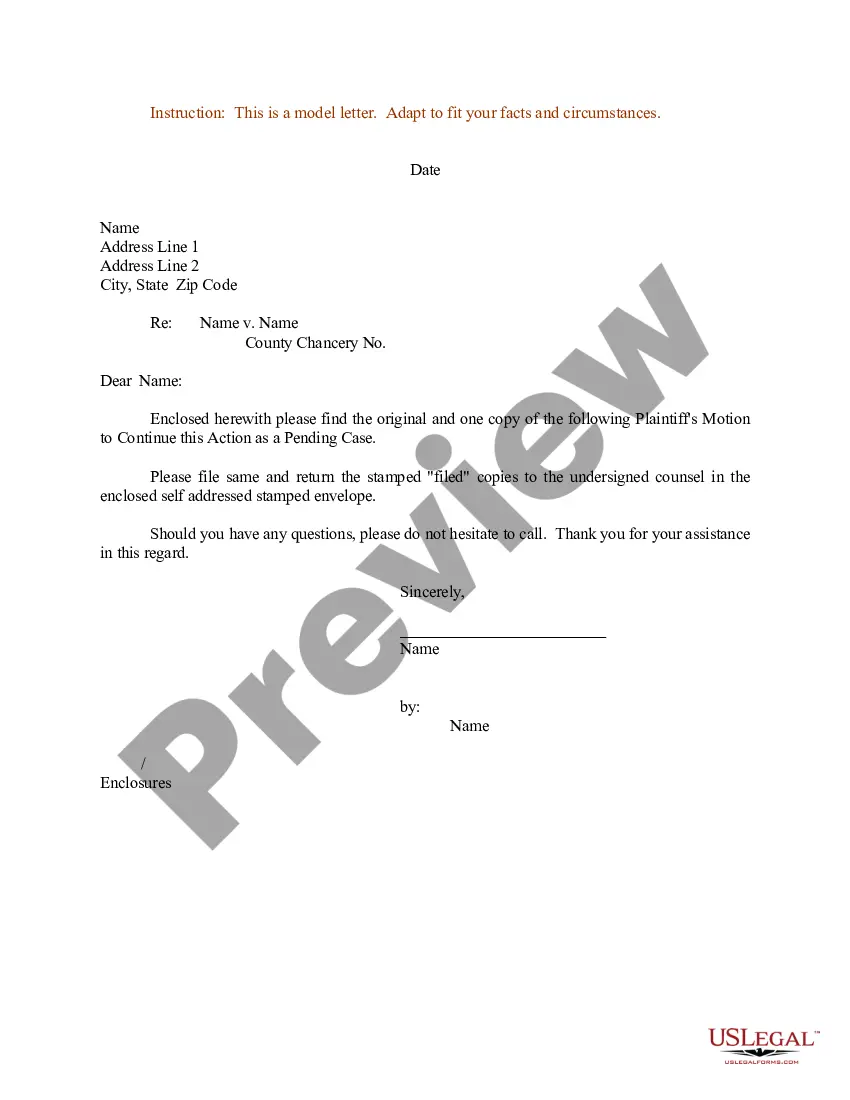
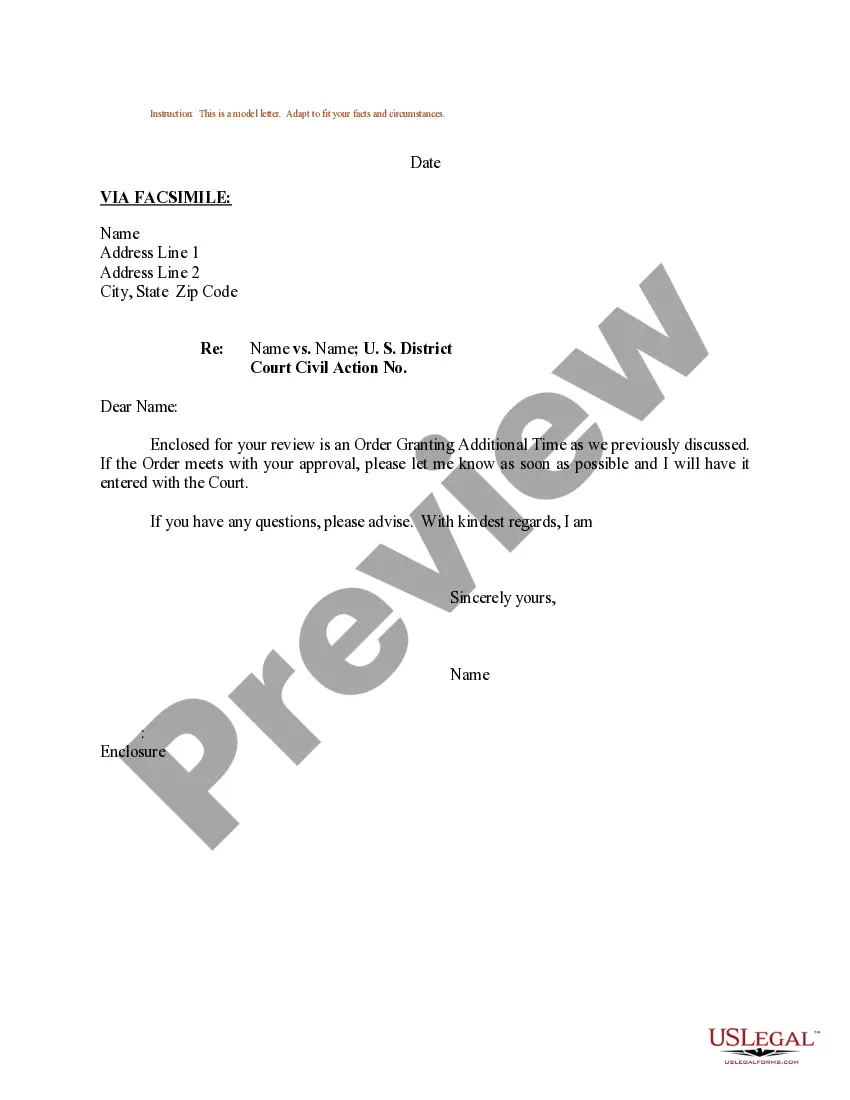
Get your form ready online
Our built-in tools help you complete, sign, share, and store your documents in one place.
Make edits, fill in missing information, and update formatting in US Legal Forms—just like you would in MS Word.
Download a copy, print it, send it by email, or mail it via USPS—whatever works best for your next step.
Sign and collect signatures with our SignNow integration. Send to multiple recipients, set reminders, and more. Go Premium to unlock E-Sign.
If this form requires notarization, complete it online through a secure video call—no need to meet a notary in person or wait for an appointment.
We protect your documents and personal data by following strict security and privacy standards.

Make edits, fill in missing information, and update formatting in US Legal Forms—just like you would in MS Word.

Download a copy, print it, send it by email, or mail it via USPS—whatever works best for your next step.

Sign and collect signatures with our SignNow integration. Send to multiple recipients, set reminders, and more. Go Premium to unlock E-Sign.

If this form requires notarization, complete it online through a secure video call—no need to meet a notary in person or wait for an appointment.

We protect your documents and personal data by following strict security and privacy standards.
Looking for another form?

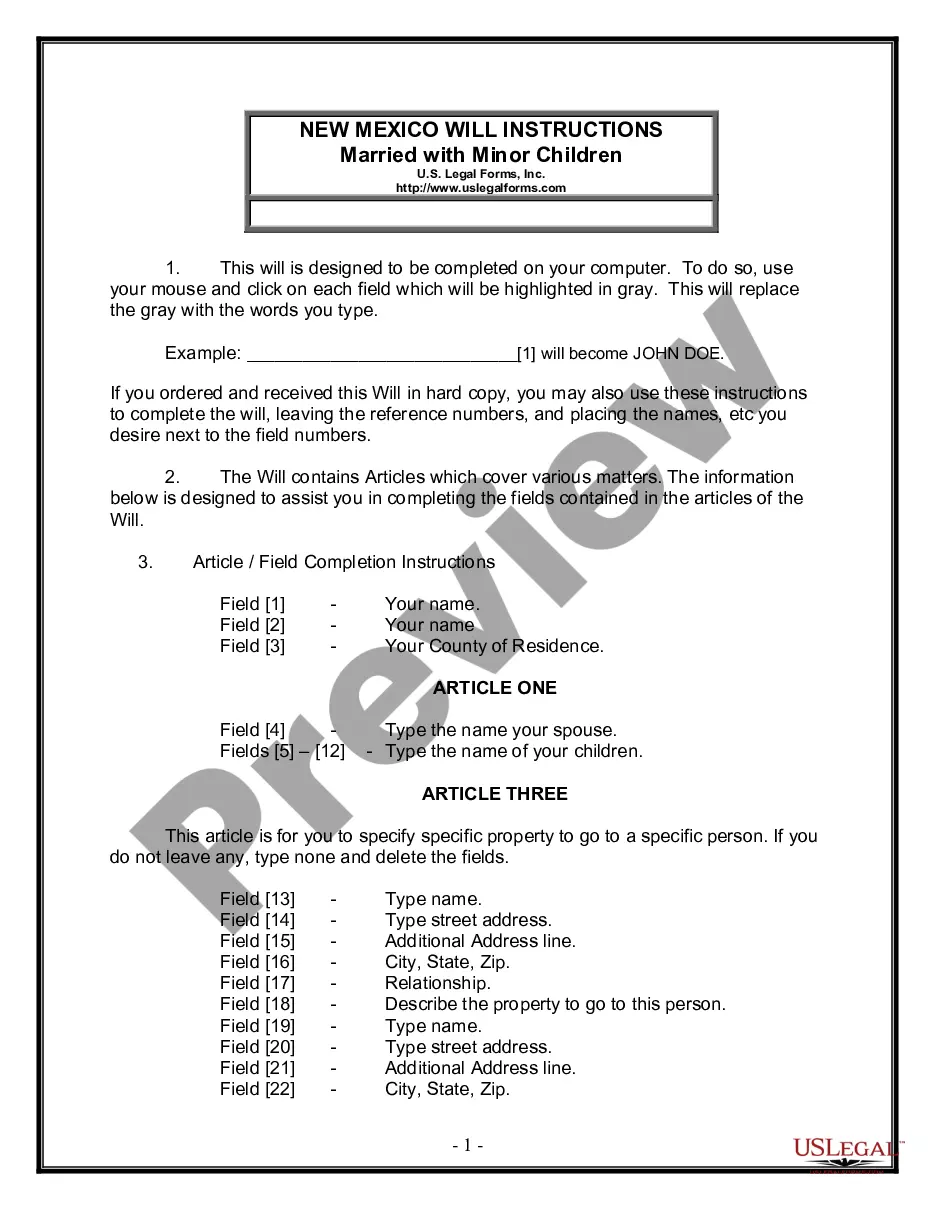
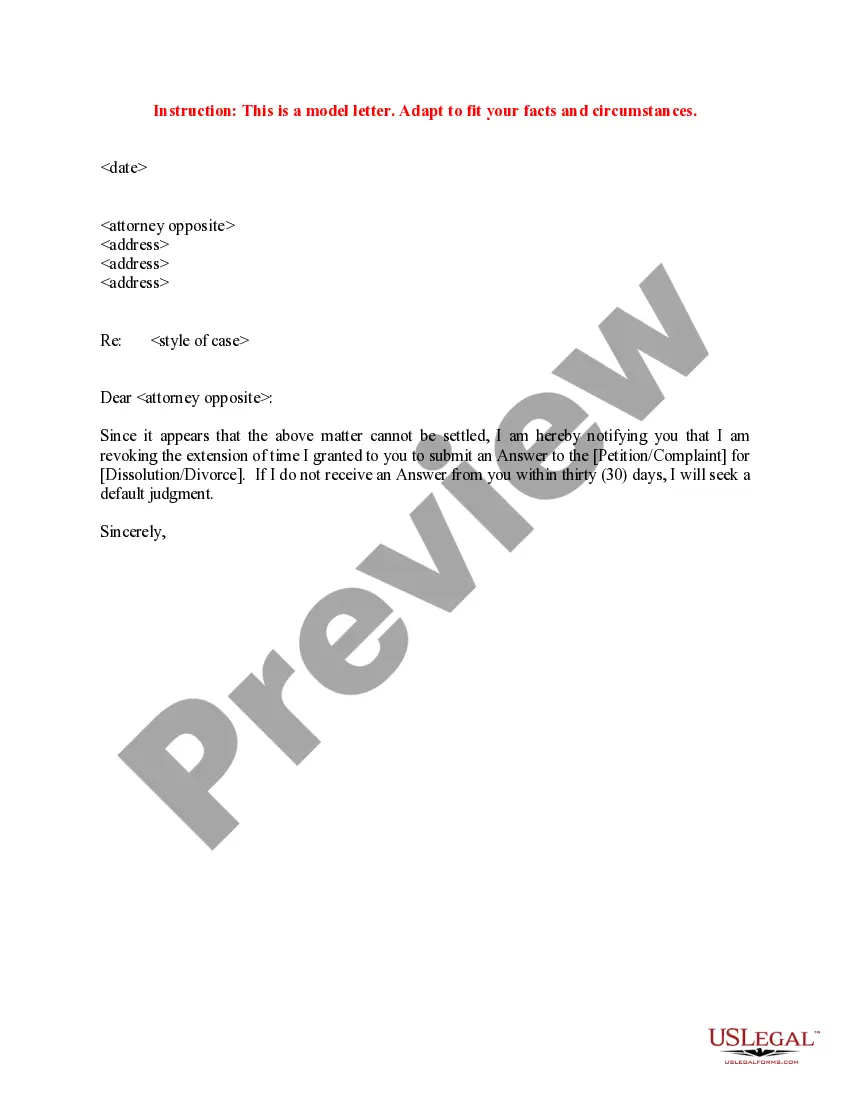




Form popularity
FAQ
Here are some resume writing tips to help you craft an effective one. Tailor your resume to the job. Use action verbs and keywords. Quantify your achievements. Customize your cover letter for the job. Highlight your relevant skills and experience. Keep it concise and professional. Keep it organized and visually appealing.
The opening paragraph. Tell them very simply and succinctly: Who you are professionally, what you can do for them, why you are interested in the job and/or employer. If there is some recent event or success the employer had that you can incorporate into why you are interested in the job, this can be very compelling.
How to combine a cover letter and resume into one document Determine which document to add first. Revise and review both documents. Open a new document. Insert each document into the new file. Create a page break. Confirm in an email. Use active verbs. Customize both parts of your application.
Beyond that, Siegel boils down the most important things to include in a cover letter to three points. "Show enthusiasm, show you've done research, and show you want to come in there and make a contribution," he says.
How do you tailor your resume and cover letter to different job applications? Know the job requirements. Highlight your achievements. Be the first to add your personal experience. Show your motivation. Be the first to add your personal experience. Format your documents. Customize your contact information. Proofread and review.
The heading of your cover letter should match your resume heading.
A cover letter should focus specifically on the job you're applying to. While some information might appear in both documents, a cover letter usually focuses more on present and future objectives, and a resume represents previous jobs and accomplishments.
Creating A Winning Cover Letter Keep It Short. State The Position and Your Source. Personalize Each Letter and Explain Why You Want The Job. Clearly Describe Ways You Will Contribute – Not How You Expect To Benefit. Match, But Don't Reiterate, Your Resume. Focus on Your Strengths, Not Your Weaknesses.
A cover letter should focus specifically on the job you're applying to. While some information might appear in both documents, a cover letter usually focuses more on present and future objectives, and a resume represents previous jobs and accomplishments.
A header with your contact information and the employer's information if you have it. A professional salutation that includes the employer's name if you have it. A brief introduction explaining why you're interested in the job. One or two body paragraphs that summarize your qualifications.

