Motion Time Form Withdraw As Counsel In Orange
Description


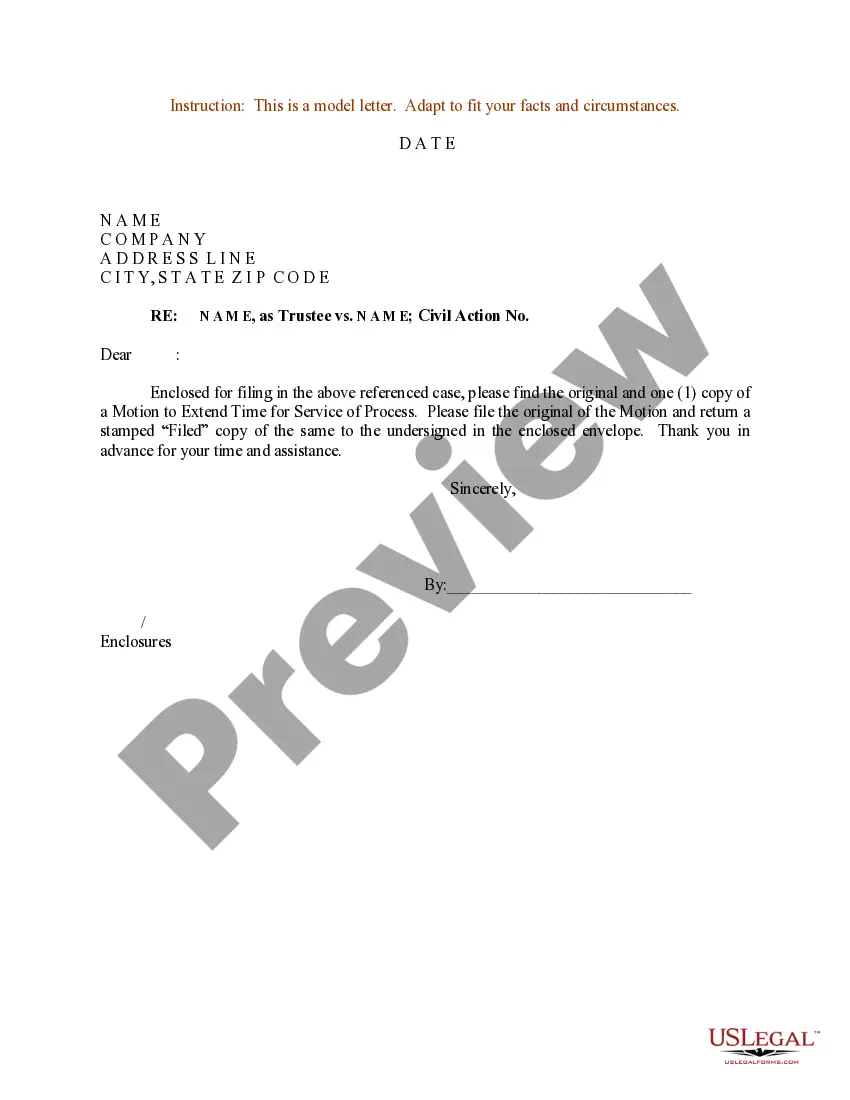
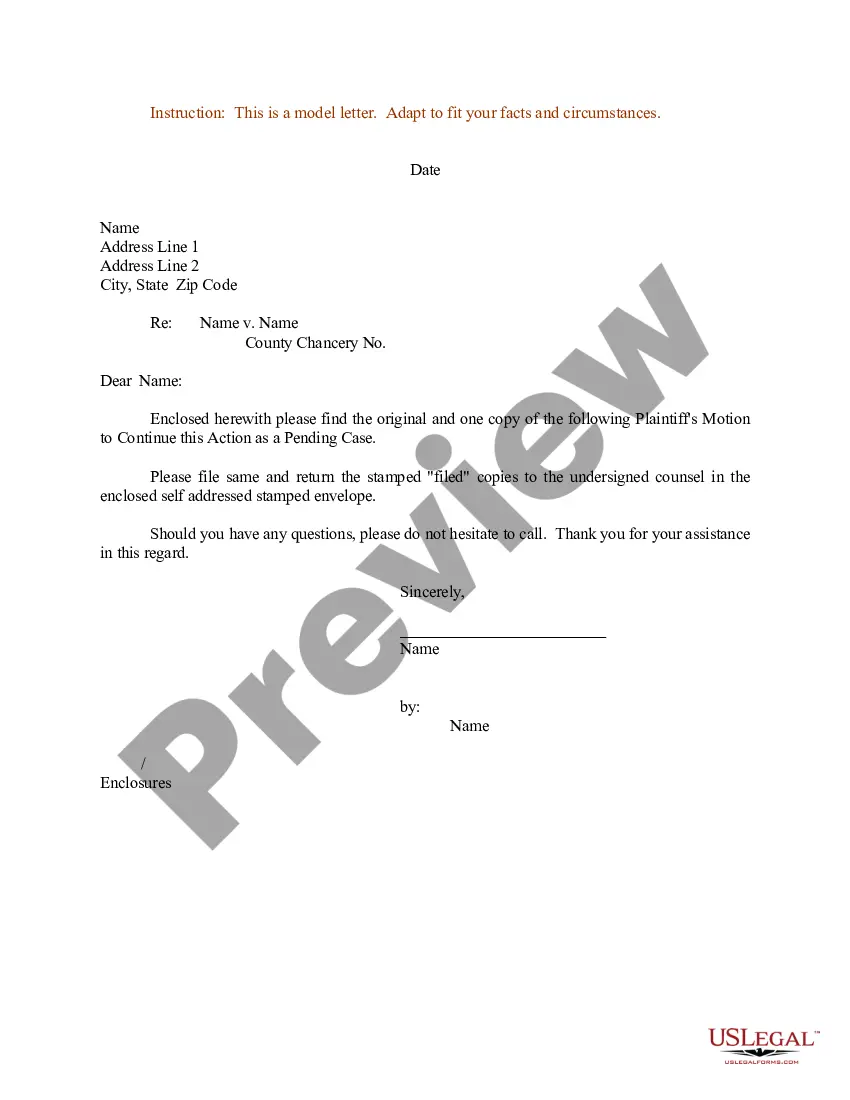
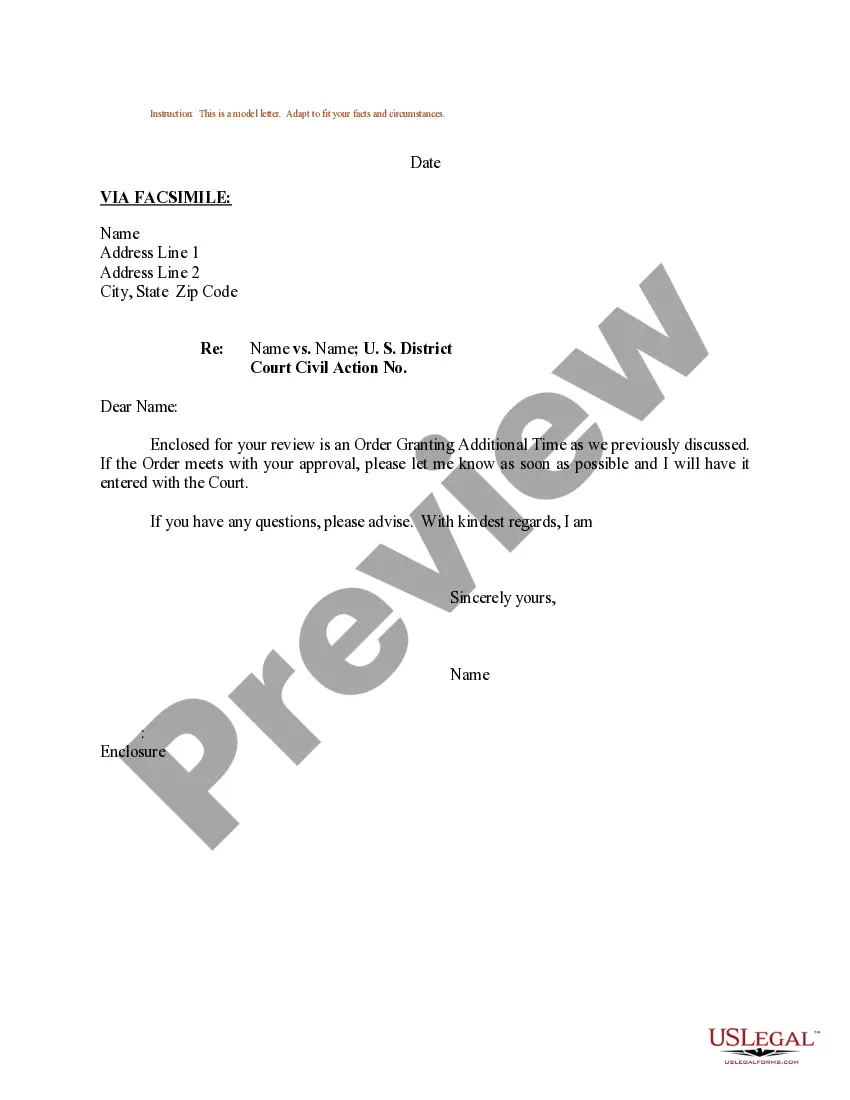
Get your form ready online
Our built-in tools help you complete, sign, share, and store your documents in one place.
Make edits, fill in missing information, and update formatting in US Legal Forms—just like you would in MS Word.
Download a copy, print it, send it by email, or mail it via USPS—whatever works best for your next step.
Sign and collect signatures with our SignNow integration. Send to multiple recipients, set reminders, and more. Go Premium to unlock E-Sign.
If this form requires notarization, complete it online through a secure video call—no need to meet a notary in person or wait for an appointment.
We protect your documents and personal data by following strict security and privacy standards.

Make edits, fill in missing information, and update formatting in US Legal Forms—just like you would in MS Word.

Download a copy, print it, send it by email, or mail it via USPS—whatever works best for your next step.

Sign and collect signatures with our SignNow integration. Send to multiple recipients, set reminders, and more. Go Premium to unlock E-Sign.

If this form requires notarization, complete it online through a secure video call—no need to meet a notary in person or wait for an appointment.

We protect your documents and personal data by following strict security and privacy standards.
Looking for another form?







Form popularity
FAQ
If in writing, the motion should be filed with a cover page labeled “MOTION TO WITHDRAW AS COUNSEL” and comply with the deadlines and requirements for filing. See Chapter 3 (Filing with the Immigration Court), Appendix E (Cover Pages).
Once the chair has stated the motion, however, it belongs to the meeting and the mover must seek permission to withdraw it. Initially, the chair should ask for unanimous consent and if no one objects, the motion is withdrawn. Agreement of the seconder is not required to withdraw a motion.
The Chair takes a vote on the Request for Permission to Withdraw a Motion. If a majority of those present and voting are in favor of withdrawing the motion, then it is withdrawn.
If one party to a case has filed a motion with the court, the other side can file an “opposition.” An “opposition” is a written statement explaining to the judge why the other side is not entitled to whatever he is asking for in his motion. It is your opportunity to oppose the other side's request.
The proposed order relieving counsel must be prepared on the Order Granting Attorney's Motion to Be Relieved as Counsel-Civil (form MC-053) and must be lodged with the court with the moving papers. The order must specify all hearing dates scheduled in the action or proceeding, including the date of trial, if known.
More than half of the members present and voting must agree to allow a member to withdraw his own motion. (The chair may attempt to take the vote by unanimous consent to quickly discern whether there is a majority in favor of the withdrawal of the motion.)
Withdrawal of Motions Motions may be withdrawn by the filing of a “Notice of Withdrawal” with the Court at least two (2) court days before a scheduled hearing. A proposed order need not be filed in connection with such a notice.
Withdrawal of counsel refers to an attorney's decision to stop representing a client in a legal case. This can happen for various reasons, such as a conflict between the attorney and client over strategy or fees.
