Motion Time Form With Which Of The Following In Ohio
Description


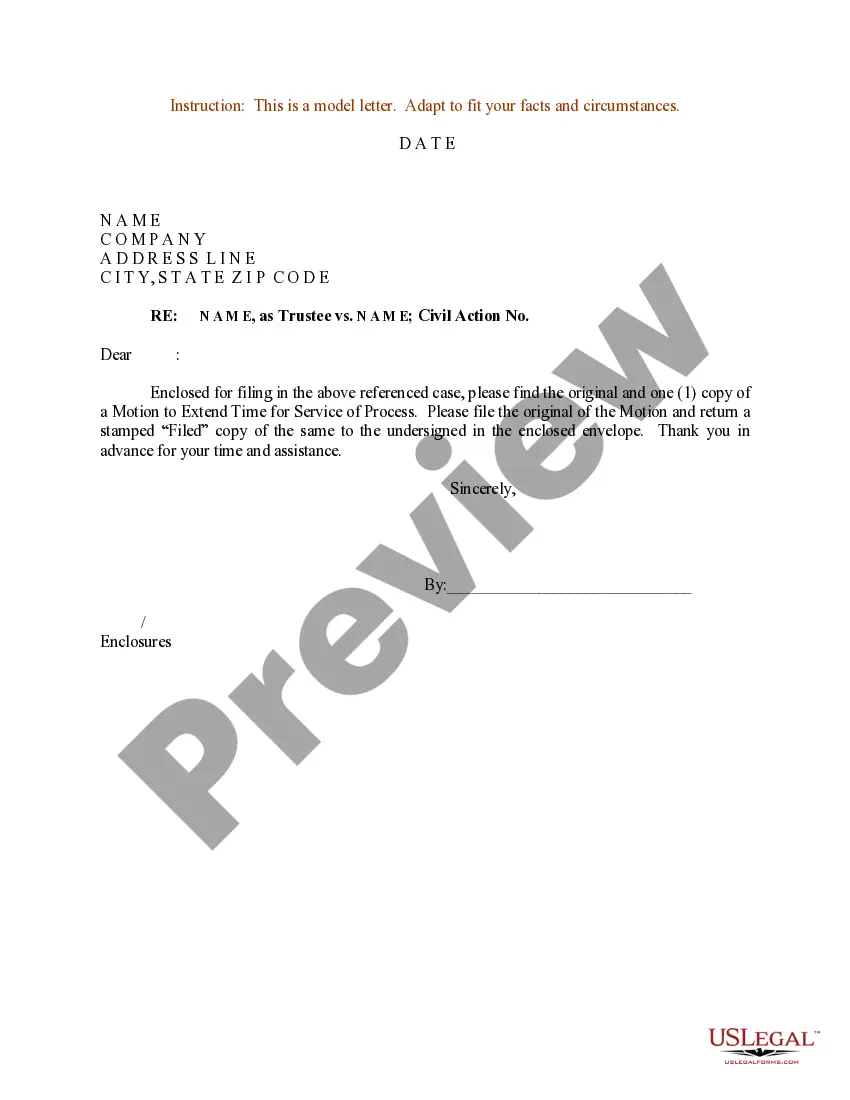
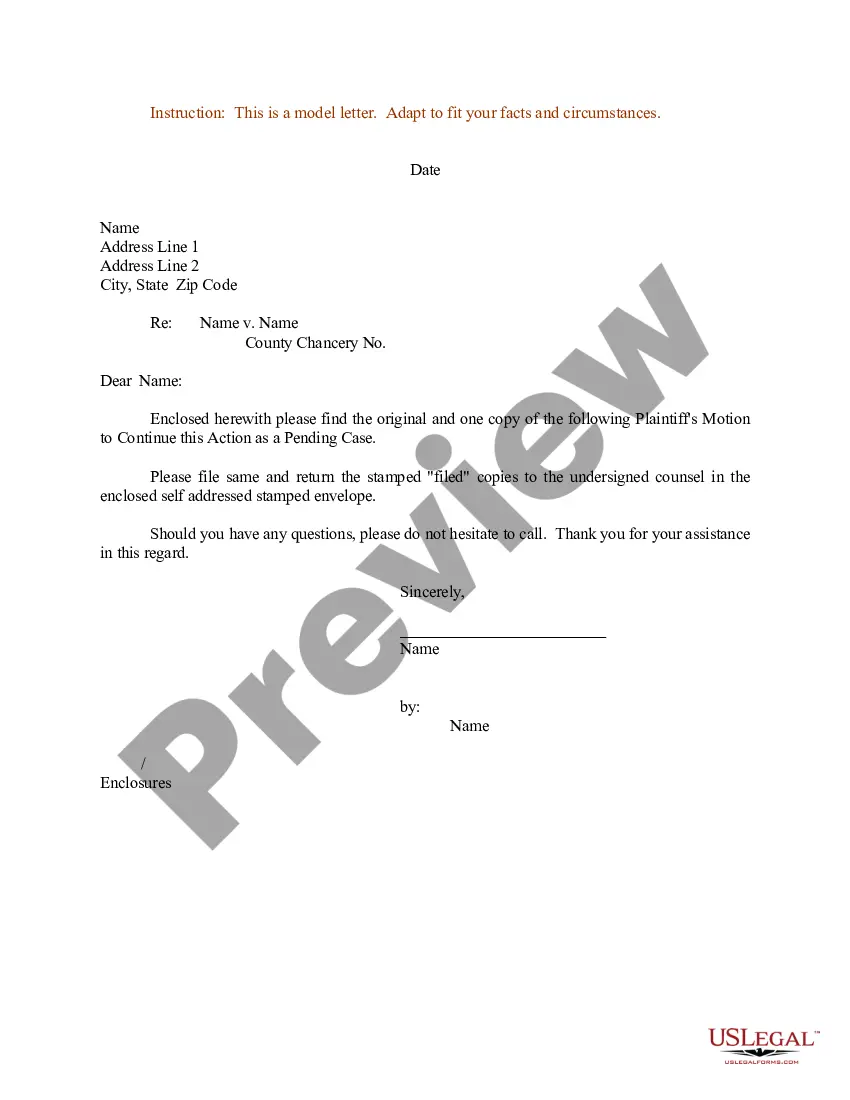
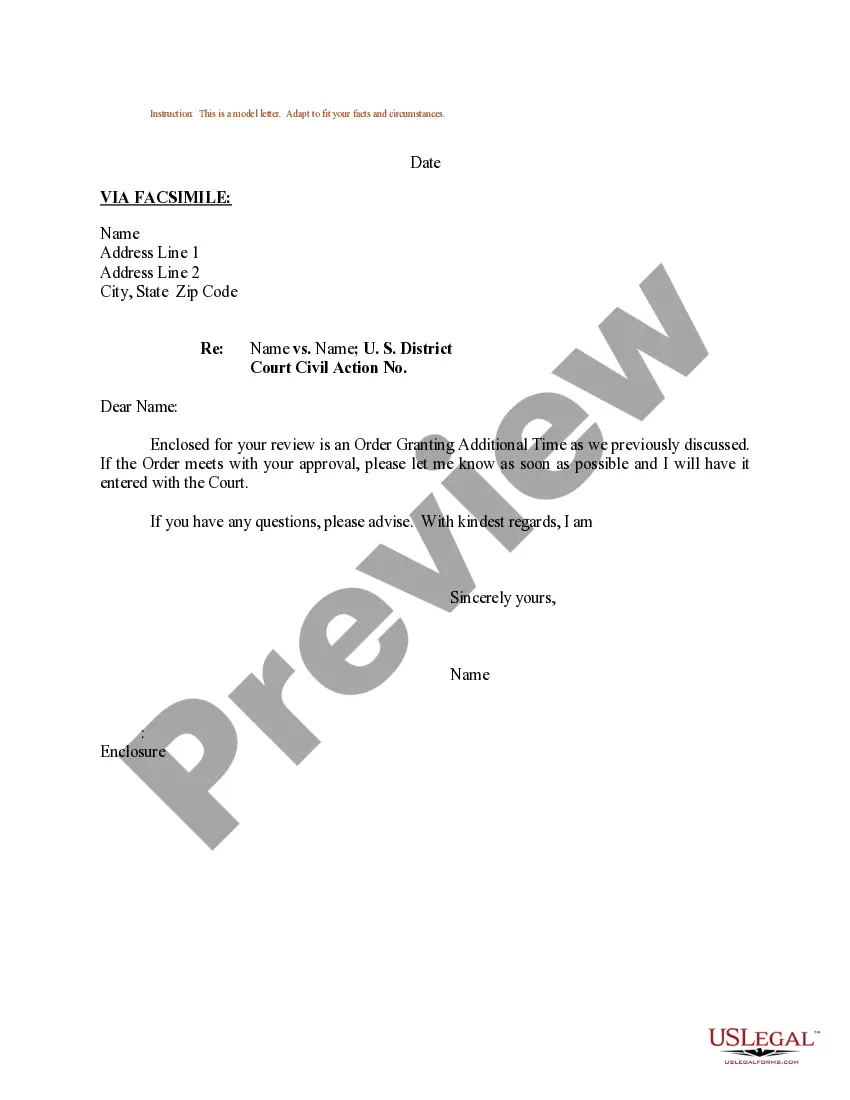
Get your form ready online
Our built-in tools help you complete, sign, share, and store your documents in one place.
Make edits, fill in missing information, and update formatting in US Legal Forms—just like you would in MS Word.
Download a copy, print it, send it by email, or mail it via USPS—whatever works best for your next step.
Sign and collect signatures with our SignNow integration. Send to multiple recipients, set reminders, and more. Go Premium to unlock E-Sign.
If this form requires notarization, complete it online through a secure video call—no need to meet a notary in person or wait for an appointment.
We protect your documents and personal data by following strict security and privacy standards.

Make edits, fill in missing information, and update formatting in US Legal Forms—just like you would in MS Word.

Download a copy, print it, send it by email, or mail it via USPS—whatever works best for your next step.

Sign and collect signatures with our SignNow integration. Send to multiple recipients, set reminders, and more. Go Premium to unlock E-Sign.

If this form requires notarization, complete it online through a secure video call—no need to meet a notary in person or wait for an appointment.

We protect your documents and personal data by following strict security and privacy standards.
Looking for another form?




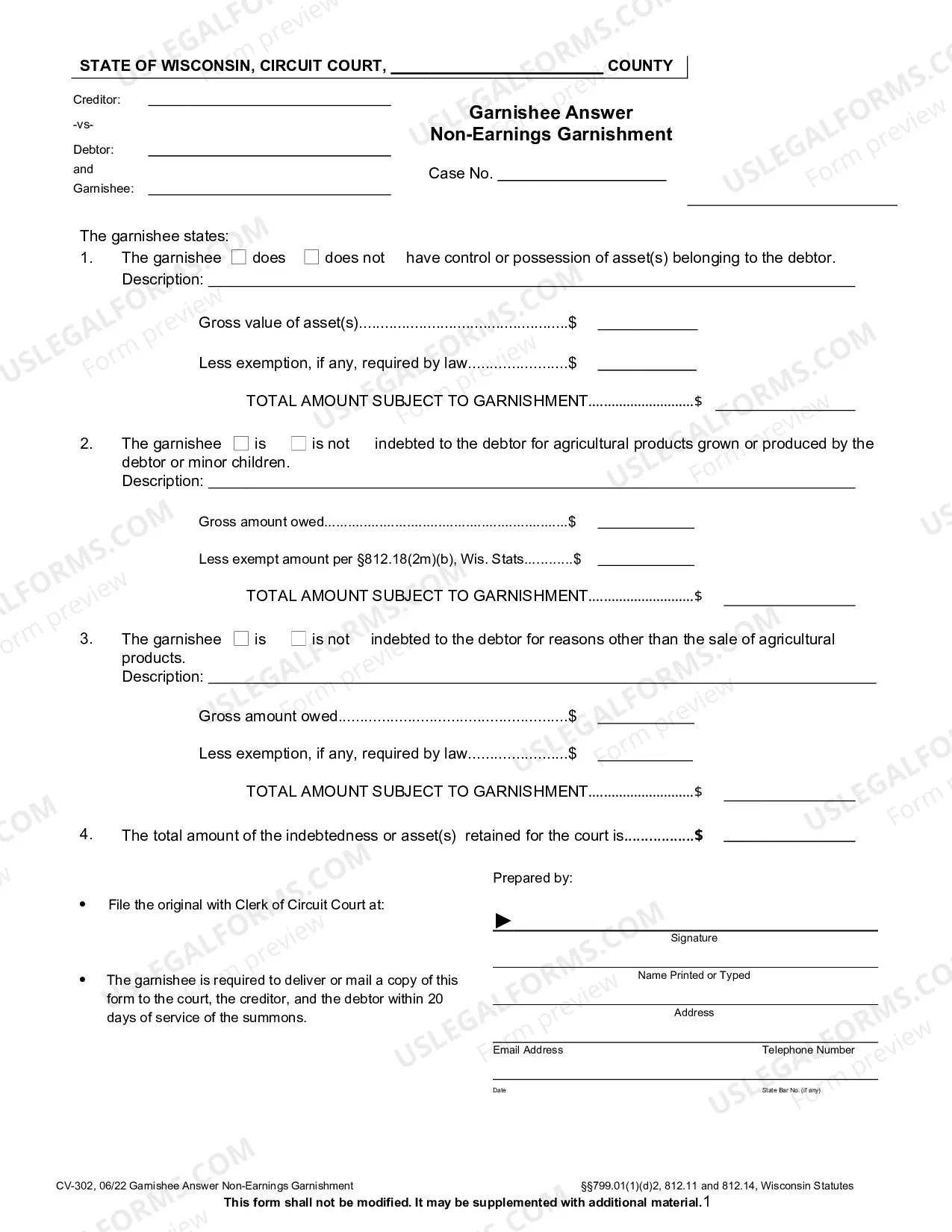



Form popularity
FAQ
Consult with a local attorney or contact your court to ensure you have the necessary paperwork completed correctly. Step 1: Determine your court and type of case. Step 2: Complete your paperwork. Step 3: Get your paperwork notarized. Step 4: Open your case. Step 5: File judgment forms.
To start a custody change, you have to file a motion in court. Go to the “Motion for custody change” page to find the forms you need. Explain your proposed changes and why they meet the requirements above. File them in the court where the original order was made.
Every custody case requires the following forms, regardless of the court. Parenting Proceeding Affidavit: List the children involved in your case, their current and former residences, and any prior cases involving them. Health Insurance Affidavit: List each parent's health insurance coverage.
Except for motions made during a hearing or during trial, motions are required to be in writing. They must also be filed in court and served on the opposing party's attorney (or the party if not represented by counsel). If the motion is contested, the opposing attorneys will also file papers opposing the motion.

