Best Cover Letter For Cv In Nevada
Description

Get your form ready online
Our built-in tools help you complete, sign, share, and store your documents in one place.
Make edits, fill in missing information, and update formatting in US Legal Forms—just like you would in MS Word.
Download a copy, print it, send it by email, or mail it via USPS—whatever works best for your next step.
Sign and collect signatures with our SignNow integration. Send to multiple recipients, set reminders, and more. Go Premium to unlock E-Sign.
If this form requires notarization, complete it online through a secure video call—no need to meet a notary in person or wait for an appointment.
We protect your documents and personal data by following strict security and privacy standards.

Make edits, fill in missing information, and update formatting in US Legal Forms—just like you would in MS Word.

Download a copy, print it, send it by email, or mail it via USPS—whatever works best for your next step.

Sign and collect signatures with our SignNow integration. Send to multiple recipients, set reminders, and more. Go Premium to unlock E-Sign.

If this form requires notarization, complete it online through a secure video call—no need to meet a notary in person or wait for an appointment.

We protect your documents and personal data by following strict security and privacy standards.
Looking for another form?




Form popularity
FAQ
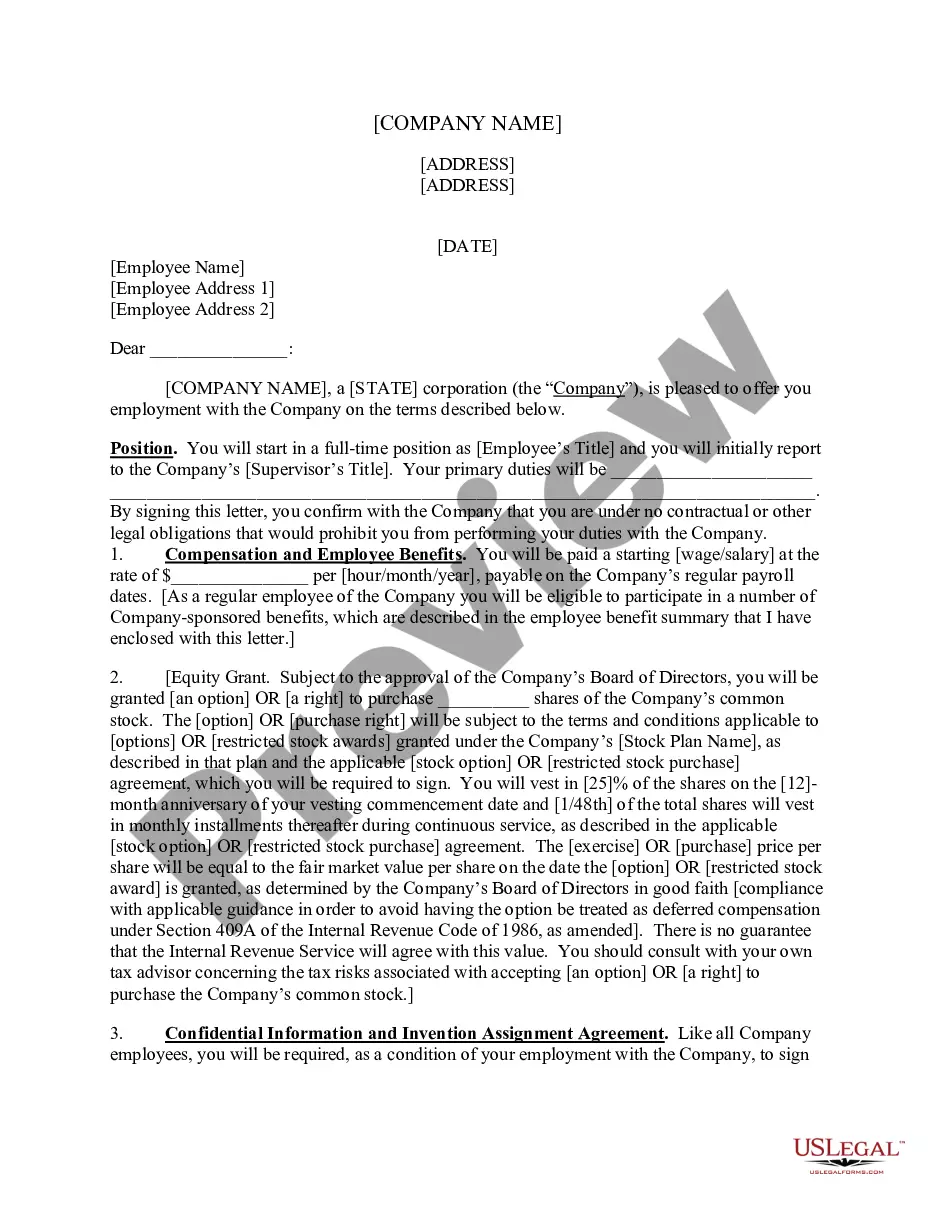
It's common for recruiters and hiring managers to receive hundreds of applications for a popular role. While CV's are a great way to highlight a candidate's work experience and unique skill set, a cover letter is customised to highlight the specific value they feel they can bring to the role in question.
No, a CV does not include a cover letter. A curriculum vitae (CV) is a resume-like document that highlights your academic and professional experiences. The document itself doesn't include a cover letter, but like a resume, your CV should be paired with a cover letter for every job application you submit.
A potential employer might use a cover letter as an introduction to you before moving on to your CV, so it's important to make a strong impression.
Example: I'd like to officially apply for the marketing manager position at Company X. Over the past 7 years, I've worked with 6 clients, helping them drive more than $2,000,000 worth of sales. I am confident that my marketing skills and proven sales results make me a perfect match for the position.
Most recruiters will begin by reading the candidate's resume. The cover letter is typically used to elaborate on certain aspects of the candidate's experience, such as job gaps or employment history.
Cover letter first, generally.
Writing a Stand-Out Cover Letter Start fresh for each position you're applying to. Address your letter to a real person. Adopt a positive mindset. Grab attention with your opening line. Explain why you're the best candidate. Show them why you want THIS job. Finish strong. Sit on it.
Writing a Killer Cover Letter Make a good impression beginning with the opening. Make it unique to the job. Make sure to write clearly. Include relevant experience. Be careful not to just repeat what's on your resume. Offer specific examples of what you've done. Finish strong.
Introduce yourself in the opening paragraph and explain your interest in the role. Body. Elaborate on why you're the best candidate for the job and a good match for the company. Focus on “selling” your skills, achievements, and relevant professional experiences.
While a CV and cover letter go hand in hand for a job application , a CV is a detailed listing of your academic and professional qualifications. On the other hand, a cover letter is a concise text that explains why you're applying for the job and why you would be perfect for it.

